
Carved Wood Games Table
A carved wood games table brings folding tops and inlaid chess boards into a room for both display and play.
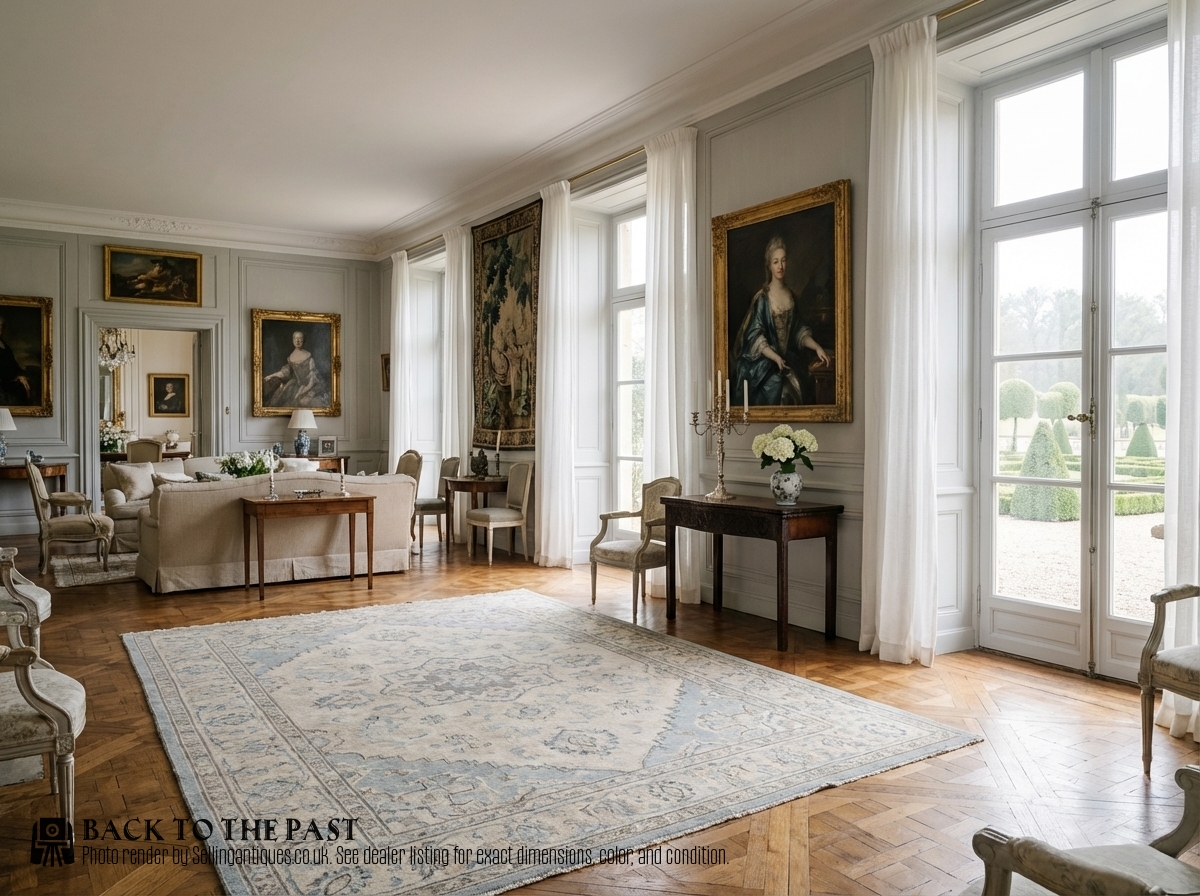
Carved Wood Games Table
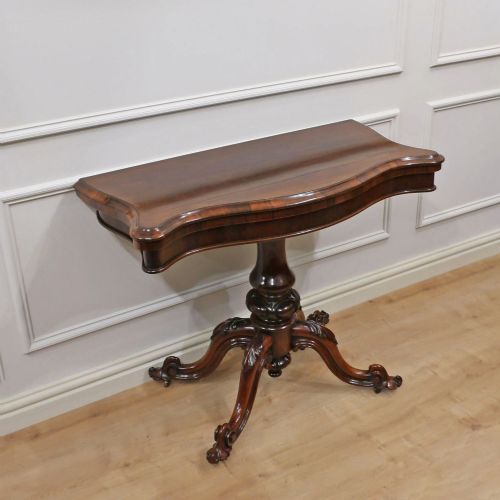
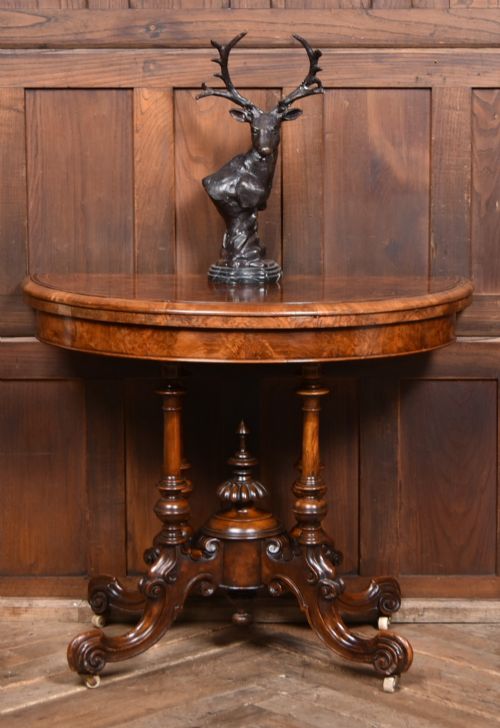
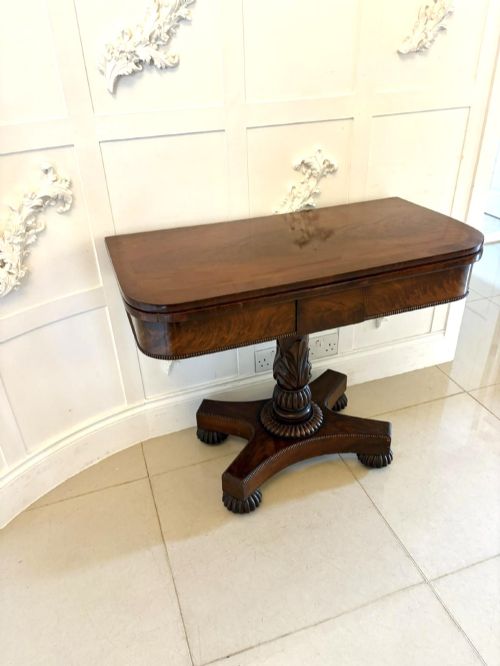
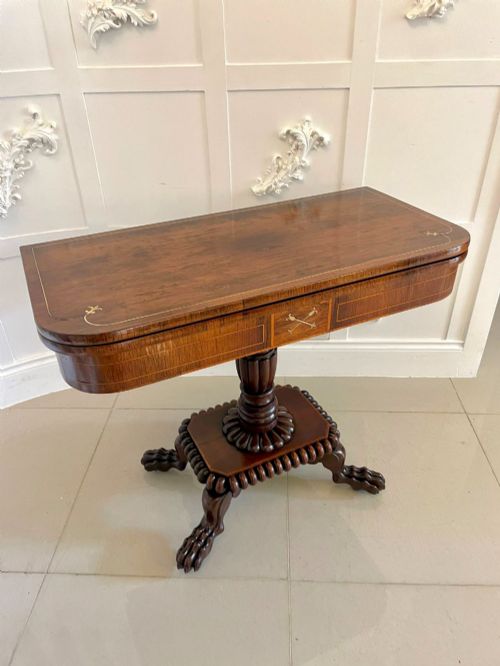
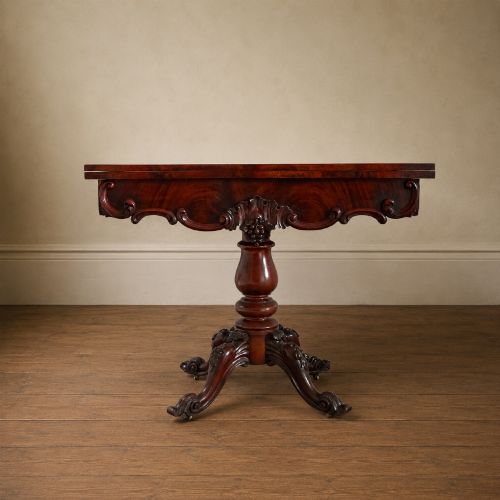
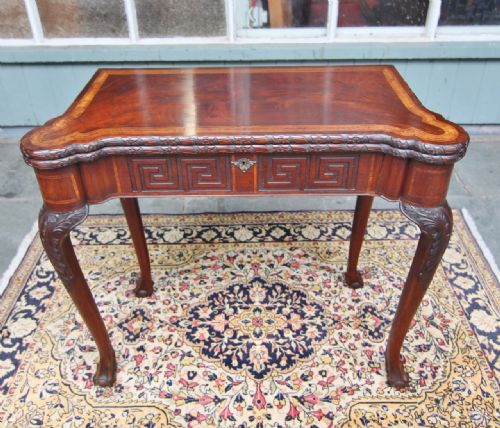
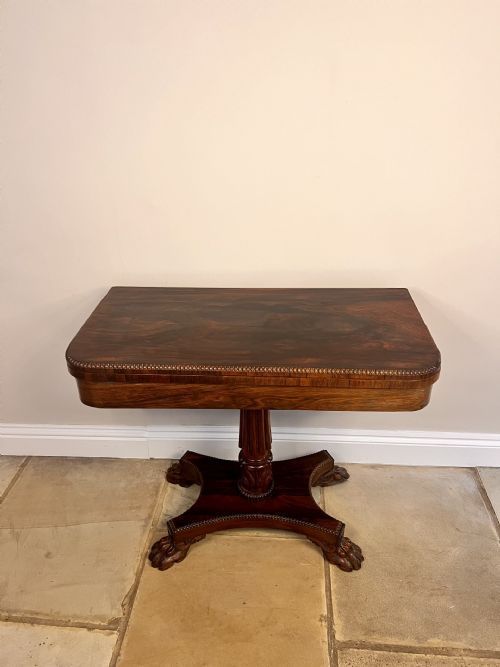
A carved wood games table serves multiple purposes, functioning as a card table, tea table, or occasional table depending on the day. The most common examples met on this page date from the Victorian and Regency periods, often constructed with fold-over or turnover tops.
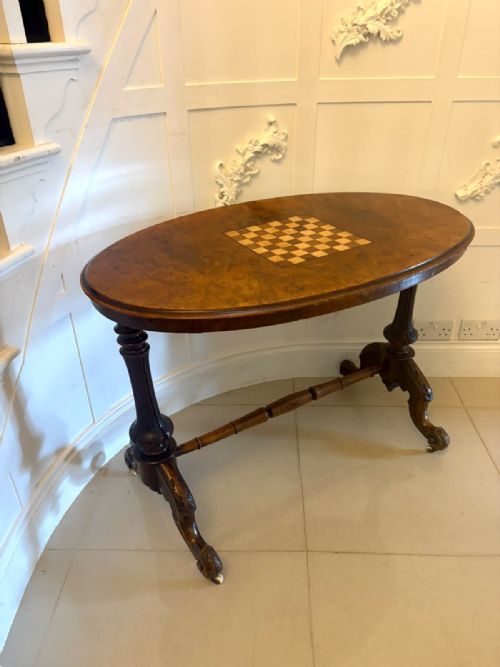
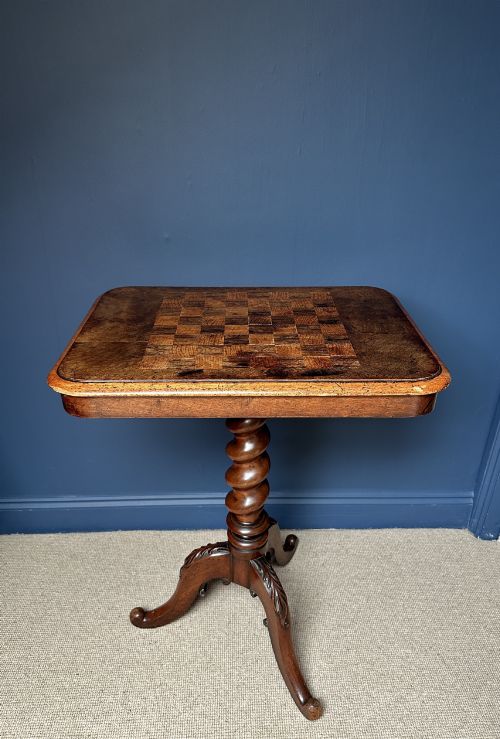
These tables adapt to different rooms through forms such as side tables, console tables, and corner tables. Many incorporate chess boards or backgammon layouts directly into the timber surface beneath the folding top.
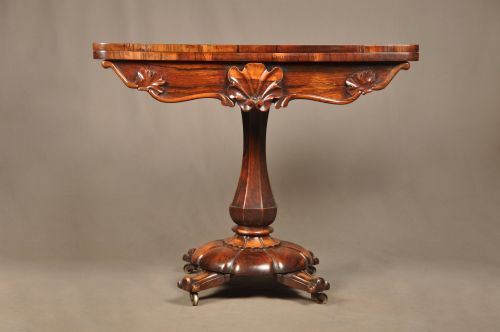
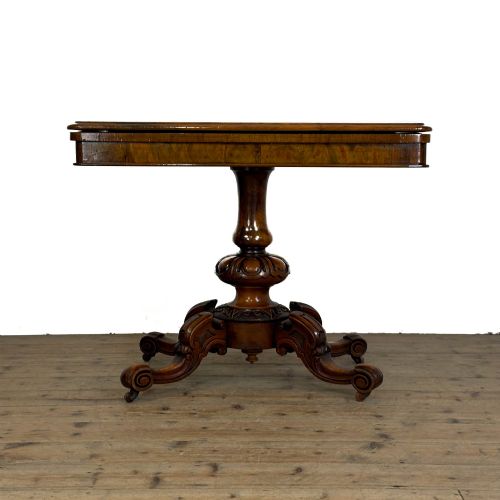
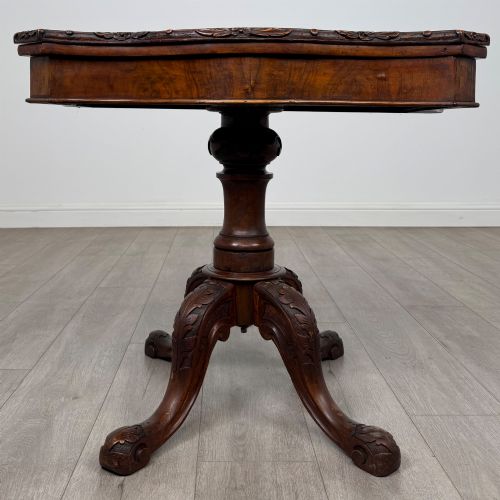
Origins stretch across the eighteenth and nineteenth centuries, taking shape in Georgian, William IV, and Edwardian styles. The structural variety ranges from simple demi-lune shapes to elaborate carved basket bases and carved dolphin supports.
How they were made
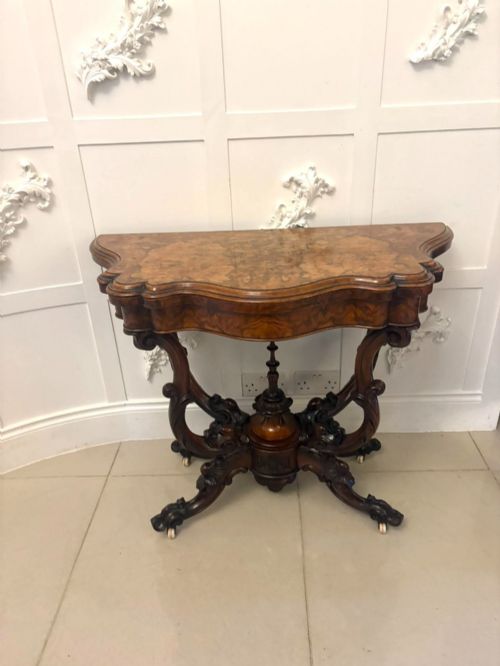
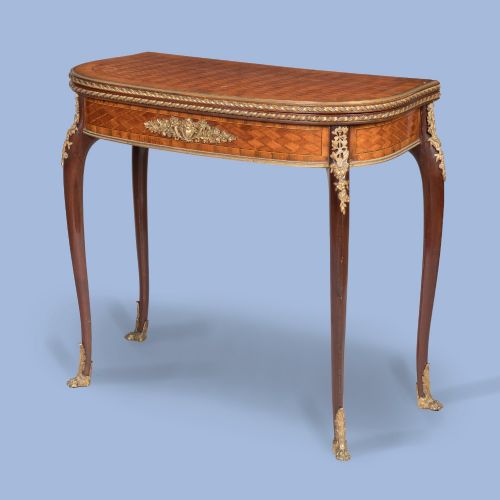
Cabinet makers utilised dense hardwoods including mahogany, walnut, burr walnut, and rosewood for the primary structure and veneers. Satinwood inlay and brass detailing provided contrast against the dark timber surfaces.
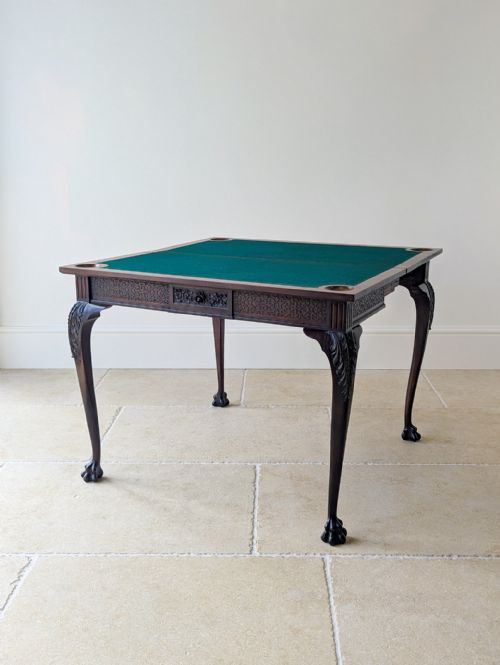
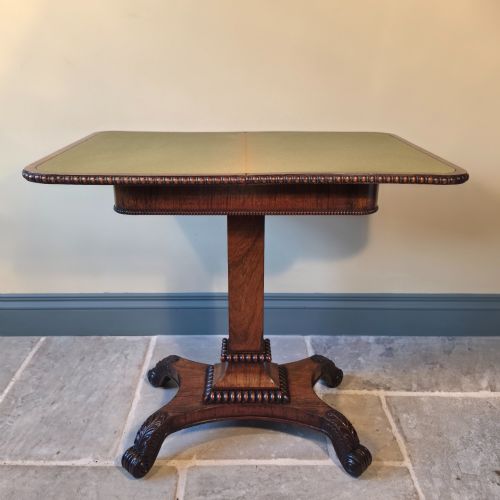
Internal folding mechanisms allowed the top to pivot and reveal concealed compartments or playing surfaces lined with baize. Carved details were hand-chiselled directly into the solid wood bases, pedestals, and pillar supports.
Some nineteenth-century tables hide secret compartments beneath the folding top where polite company once stored counters, counters, and stray playing pieces.
What varies in quality
The refinement of the timber selection dictates the visual depth of the piece, particularly where figured mahogany or burr walnut veneers show complex grain patterns. Figured timbers require careful book-matching across the folding top to maintain symmetry when open.
The precision of the carving on the pedestal bases and the complexity of inlaid chess or parquetry work separate standard examples from finer workshop productions. Mechanisms that operate smoothly without dropping or binding demonstrate superior initial construction.
James Shoolbred & Co.·Gillows·François Linke·Edwards & Roberts
The Carved Wood Games Table Glossary
- Fold-over top
- A table top hinged in the middle that opens outward to double its surface area, revealing a baize-lined playing surface beneath. This design keeps the furniture compact until required for cards or board games.
- Baize
- A coarse woollen material, traditionally green, used to cover the interior playing surface of card tables. It provides a soft texture that protects playing cards and prevents them from sliding.
- Parquetry
- Geometric wood mosaic work formed by fitting small pieces of veneer together onto a surface. It appears on table tops to create decorative patterns or chessboard squares.
- Turnover top
- A table top designed to rotate on a central pivot before folding flat onto the base frame. This mechanism supports the weight of the extended leaf securely.
- Demi-lune
- A half-moon shape characteristic of side and card tables designed to stand flat against a wall. The curved front opens to reveal the internal compartment.
Carved Wood Games Table: Frequently Asked Questions
How were these tables used historically?
These pieces functioned primarily as multi-purpose furniture in nineteenth-century drawing rooms and parlours. During the day, they stood against a wall holding decorative items or serving tea.
In the evening, the top folded open or turned to reveal a baize-lined surface for card games, chess, or backgammon.
How do I identify a Victorian games table?
Victorian examples frequently utilise dark dense timbers such as rosewood and burr walnut with rich grain patterns. They often feature elaborate carved pillar bases or pedestals.
Many include integrated chess boards or revolving tops supported by robust framework typical of the mid-nineteenth century.
How do I live with a carved wood games table?
Place the table away from direct sunlight and heat sources to protect the polished wood veneer from drying out. Use the folding top gently to preserve the original hinges and pivot mechanisms.
Keep the baize lining clean and dry, avoiding excessive weight on the extended leaves when open.