
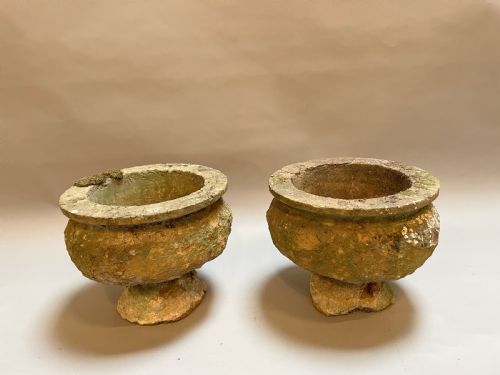


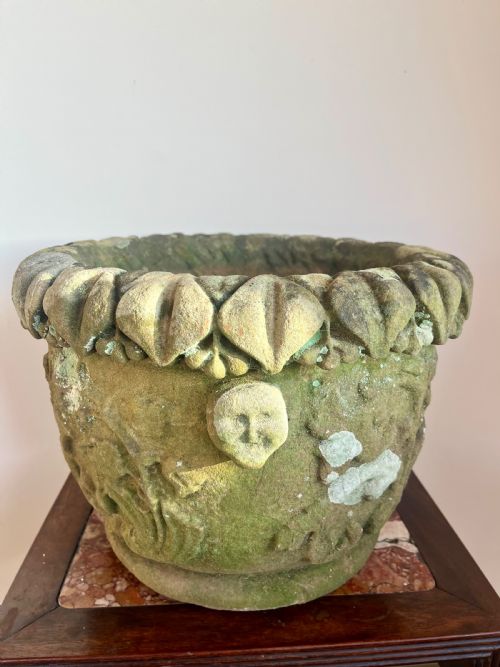


Carved Stone Garden Urns
These carved stone garden urns bring classical presence to grounds and terraces through enduring materials and historic forms.
Carved Stone Garden Urns
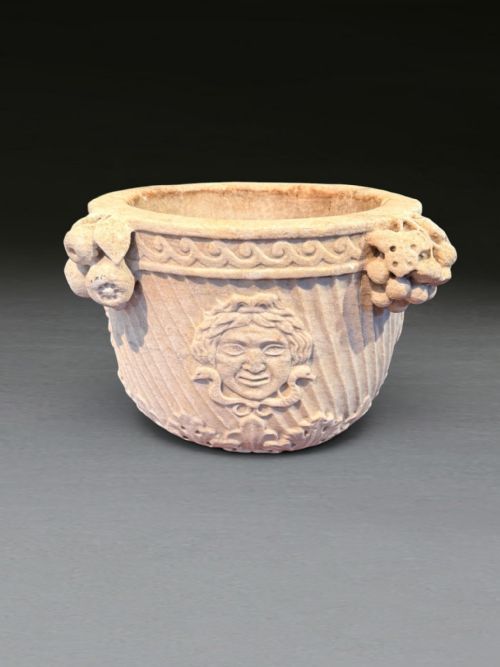
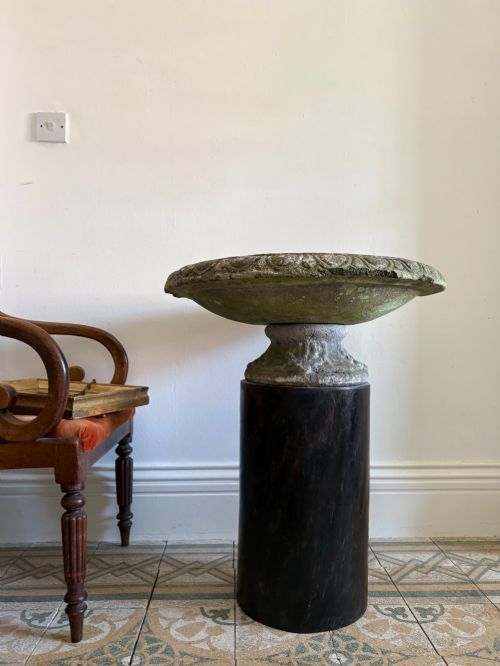
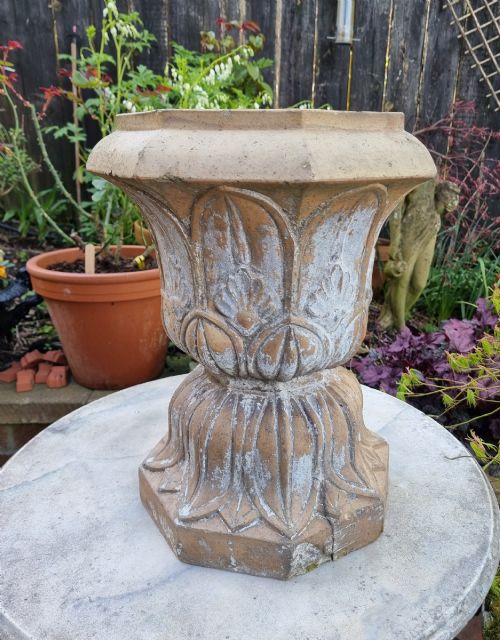
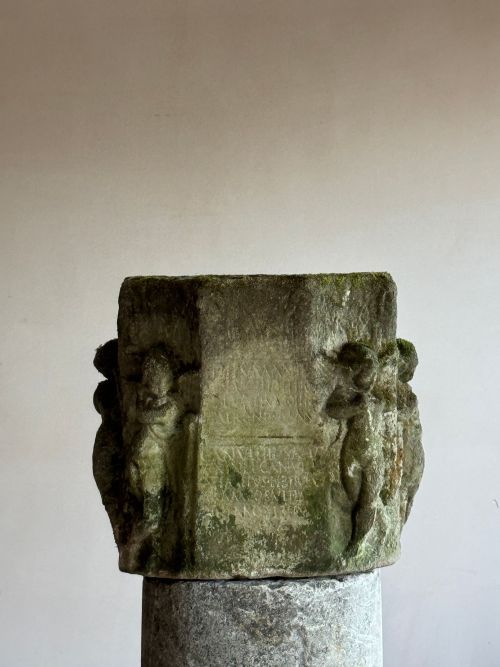
Carved stone garden urns include monumental vessels, campana shapes, and classical planters designed for outdoor display across centuries.
The selections span periods from the sixteenth century to the mid-twentieth century, featuring materials such as marble, limestone, terracotta, and cast stone.
Forms range from Italian Renaissance marble pieces to Victorian salt glazed examples and early twentieth century garden planters.
How they were made
Masons shaped natural blocks of marble, limestone, and soft stone using hand chisels and bankers to achieve classical profiles.
Moulded alternatives utilise cast stone, reconstituted stone, and terracotta formed in kilns or casts to replicate carved detailing.
The inventory encompasses periods from sixteenth-century Italian Renaissance work through to mid-twentieth-century garden planters.
What varies in quality
Depth of carving and sharpness of classical detail separate hand-chiselled marble and limestone vessels from moulded substitutes.
Natural weathering and surface patination over centuries impart depth that mechanical ageing cannot replicate.
The Carved Stone Garden Urns Glossary
- Campana urn
- A bell-shaped garden vessel with flared rims and handles, common in classical and nineteenth-century designs.
- Tazza
- A shallow cup-shaped garden ornament raised on a stem and foot, often carved from Italian marble.
- Salt glazed
- A ceramic finish achieved by throwing common salt into the kiln during firing, creating a vitreous texture on Victorian pieces.
- Plinth
- A heavy stone base or pedestal supporting an urn, planter, or architectural ornament.
Carved Stone Garden Urns: Frequently Asked Questions
How do I place an urn in the garden?
Position heavier stone and marble urns on stable ground, stone plinths, or paved terraces to distribute their substantial weight.
Allow natural weathering to continue outdoors while ensuring drainage holes remain clear for planting.
Are these urns frost proof?
Natural stone, marble, and properly fired terracotta generally withstand winter conditions when drainage is unobstructed.
Cast stone and softer limestones require monitoring during severe freezes to prevent surface cracking.
How do I identify the period?
Examine tool marks, material composition, and classical proportions, noting that sixteenth and eighteenth-century pieces display hand-chiselled surfaces.
Twentieth-century examples often utilise cast or reconstituted stone techniques.
Can these urns be planted directly?
Many stone and terracotta garden urns accommodate soil and planting directly, provided the base has a functional drainage hole.
Use internal plastic liners if delicate root systems require protection from dense stone walls.