


Antique Stoneware Urns
These antique stoneware urns bring heavy, fired form and glazed depth to garden and interior spaces.
Antique Stoneware Urns
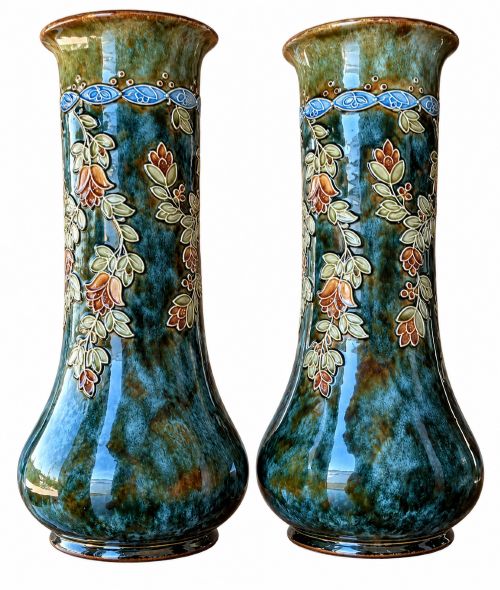
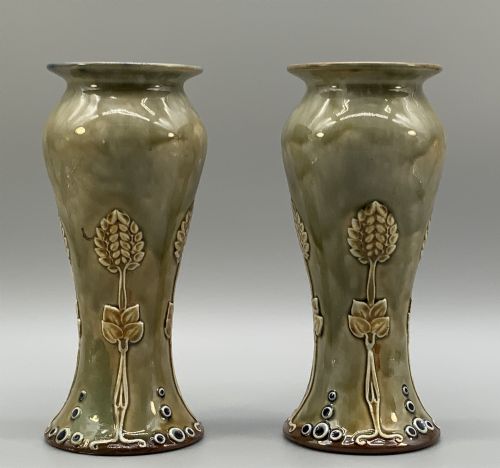
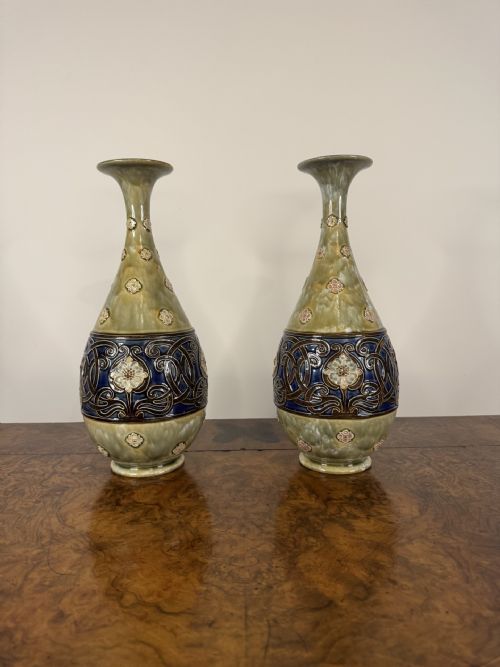
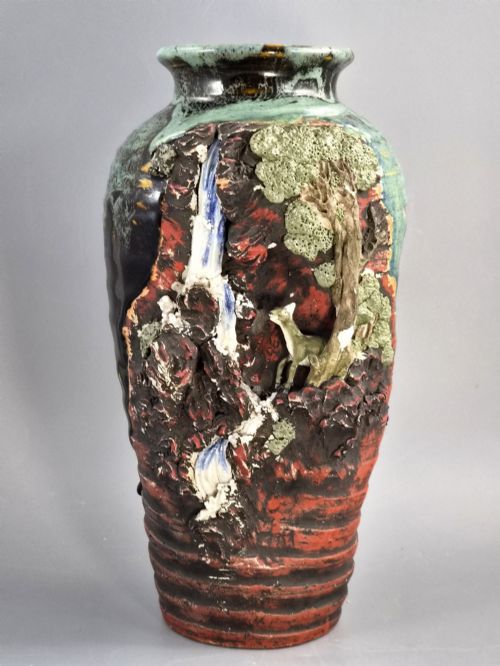
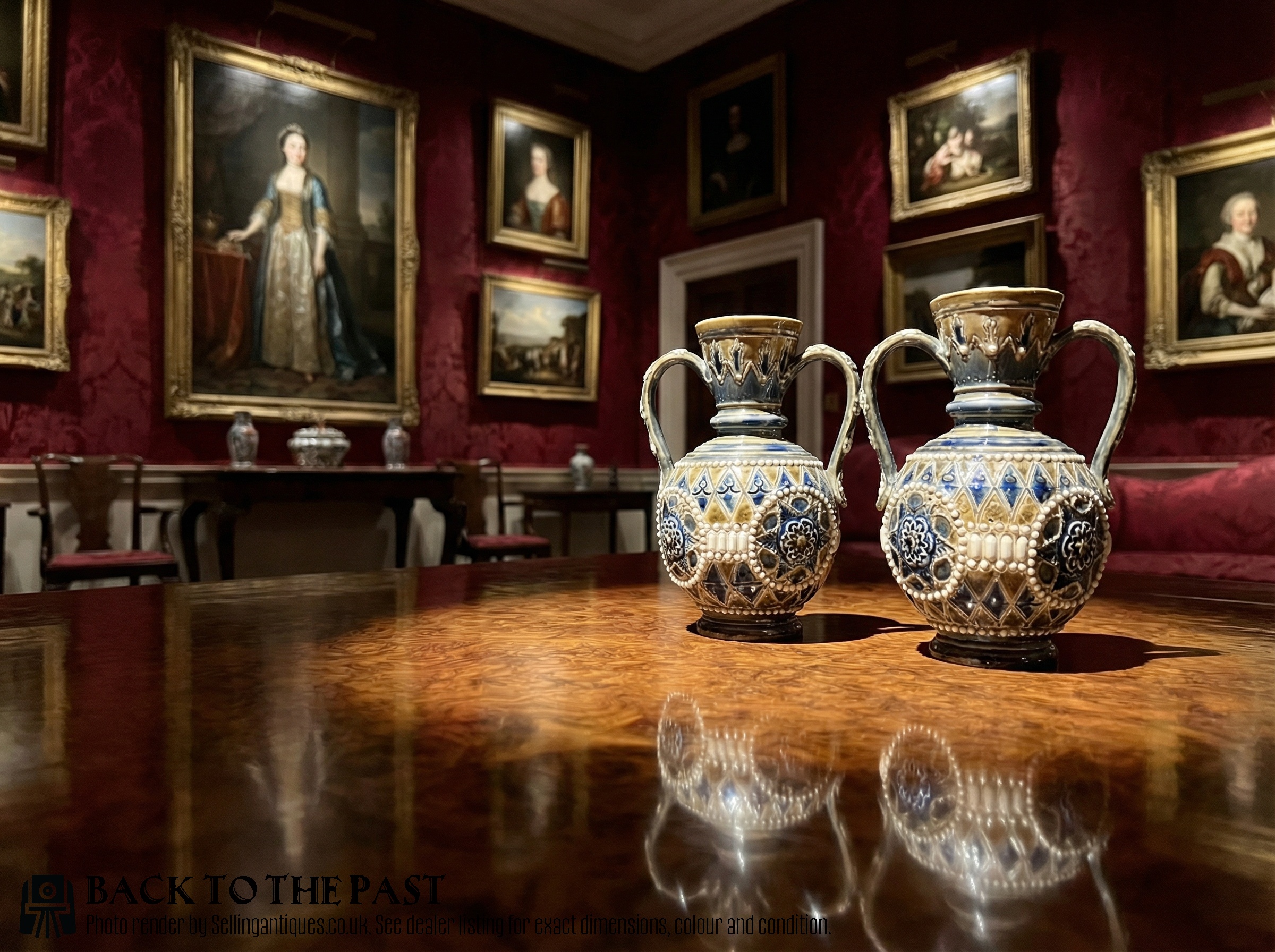
Antique stoneware urns encompass robust garden vessels, planters, and decorative baluster vases produced primarily through the Victorian era and into the early twentieth century. Buyers seeking antique stoneware urns will frequently encounter English pottery by makers such as Doulton alongside continental European and Japanese examples.
The selections span utilitarian water vessels and salt-glazed agricultural planters to ornate art pottery designed for interior display. Pieces range from large confit pots and garden pedestals to matched pairs of botanical-themed vases.
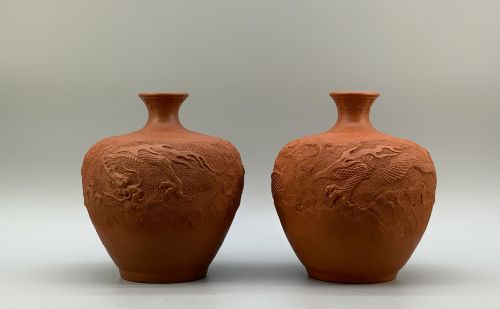
Origins stretch from British potteries in Lambeth to French workshops, German kilns, and Japanese studios of the Meiji period. Forms include baluster shapes, campana silhouettes, and hexagonal bodies moulded or thrown from dense clay.
How they were made
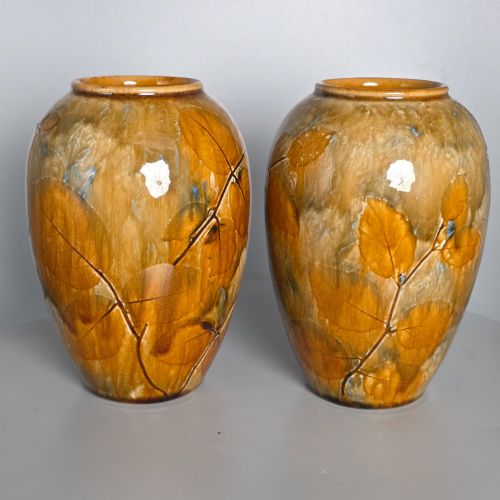
Makers utilised dense clay bodies fired at high temperatures to achieve vitrification, ensuring the finished vessels resisted water and frost. Salt glazing created characteristic textured surfaces, while other pieces received coloured glazes, enamel details, or applied slip decoration.
Modelling and throwing on the wheel formed the core of production, often supplemented by mould-pressed bas-reliefs and hand-sculpted elements. Techniques combined utilitarian industrial methods with intricate artistic work by named studio decorators.
Current listings feature diverse periods spanning from the Victorian era through the Meiji period and into the early twentieth century.
What varies in quality
Distinctions in quality rest upon the crispness of moulded relief work, the depth and consistency of the glaze, and the artistic merit of hand-painted or incised decoration. Pieces bearing the distinct signature or monogram of accomplished studio artists command greater attention.
Proportion and structural balance separate standard utilitarian vessels from superior exhibition pieces. The harmony between form and surface ornamentation dictates the standing of each individual piece.
Royal Doulton·Doulton Lambeth·Mettlach Pottery·Makuzu Kozan II
The Antique Stoneware Urns Glossary
- Stoneware
- A robust ceramic pottery fired at high temperatures until the clay body vitrifies and becomes impermeable to liquid. This dense material withstands frost, making it suitable for garden planters and outdoor urns.
- Salt Glaze
- A finish achieved by throwing common salt into the kiln during high-temperature firing, producing a characteristic textured surface resembling orange peel. It protected the vessel from moisture and chemical corrosion.
- Slaterware
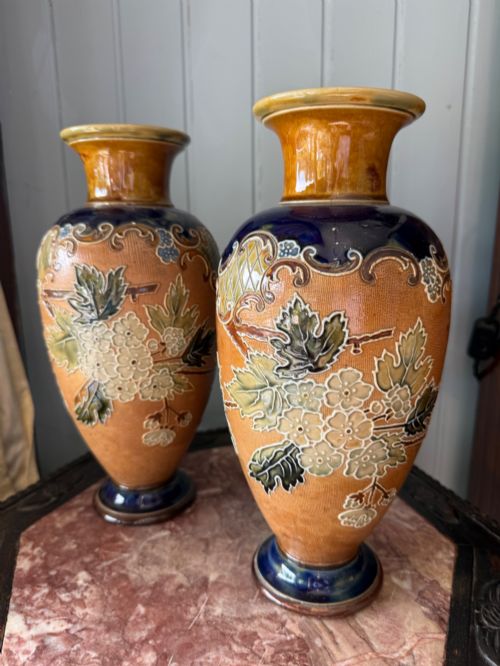
- A decorative technique involving lace or fabric pressed into damp clay to create a textured background before glazing and firing. It was widely utilised by English potteries during the late nineteenth century.
- Campana
- A classical bell-shaped vessel form with a flared rim, a deep body, and a pedestal base. Originating in antiquity, this silhouette was frequently reproduced in nineteenth-century ceramic and porcelain urns.
- Baluster
- An architectural form featuring a rounded, bulging lower body that tapers towards a narrow neck. This balanced profile provides stability for decorative vases and heavy garden urns.
Antique Stoneware Urns: Frequently Asked Questions
How are antique stoneware urns cleaned safely?
Wash glazed and vitrified surfaces gently with warm water and a soft cloth to remove accumulated dust or soil. Avoid harsh chemical cleaners that might compromise historic glazes or exposed clay bodies.
Keep unglazed exterior terracotta and porous stoneware away from aggressive scrubbing brushes. Allow damp pieces to dry thoroughly in ambient indoor conditions before returning them to display.
Can antique stoneware urns stay outside?
Many heavy stoneware and salt-glazed planters were built for gardens, but freezing water inside unheated vessels can crack the dense clay. Move delicate art pottery indoors during harsh winter weather.
Elevate heavy garden urns on stone plinths or feet to prevent standing water from accumulating underneath. Check that drainage holes remain clear if you use them for live planting.
How do I identify Doulton Lambeth pieces?
Look for impressed factory stamps, patent marks, and specific artists' monograms incised into the base of the vessel. The combination of salt-glazed surfaces and intricate slip decoration often points to this workshop.
Examine the weight and density of the ceramic body, as Doulton pieces utilised durable stoneware. Individual decorator signatures add strong evidence of period authenticity.
What is the difference between stoneware and earthenware?
Stoneware fires at much higher temperatures than earthenware, causing the clay to vitrify and become completely non-porous even without a glaze. Earthenware remains softer and more porous unless thoroughly glazed.
Urns made from stoneware generally show greater resistance to chipping and frost damage. Earthenware pieces often display warmer, softer surface tones typical of terracotta and confit jars.