


Victorian Terracotta Planters
Victorian terracotta planters bring substantial weight and enduring warmth to gardens, offering robust homes for plants through decades of weather.
Victorian Terracotta Planters
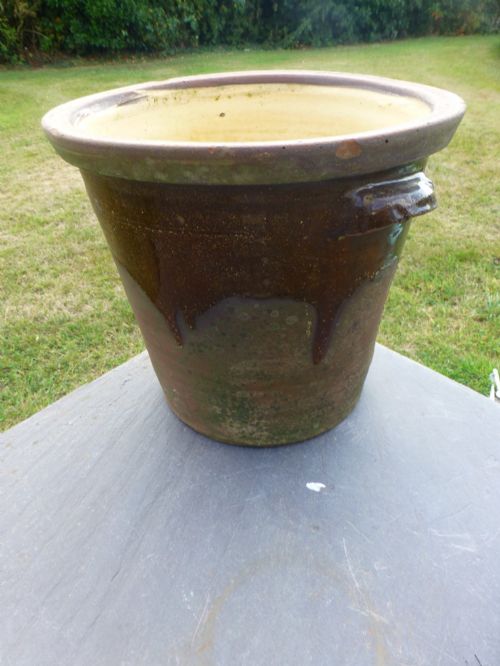
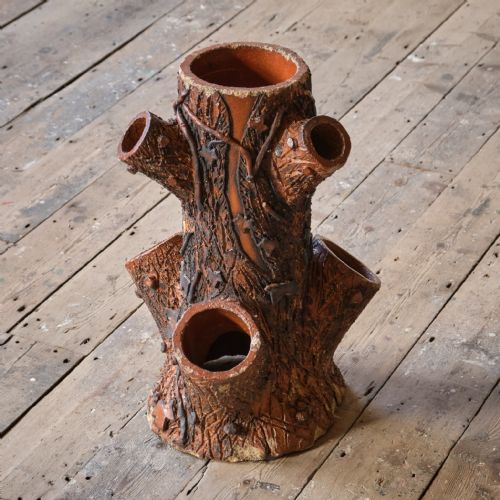
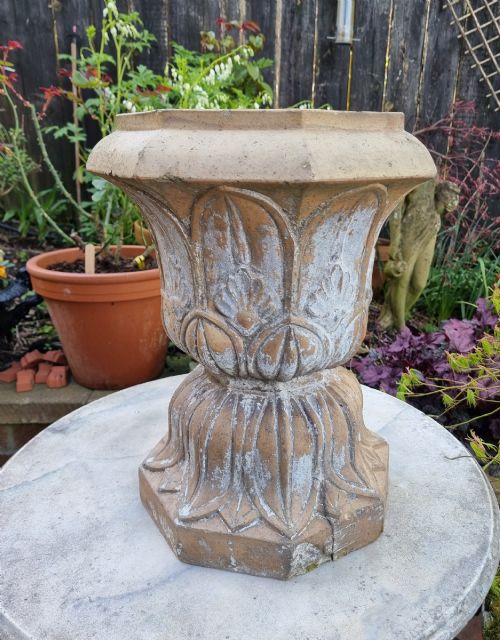
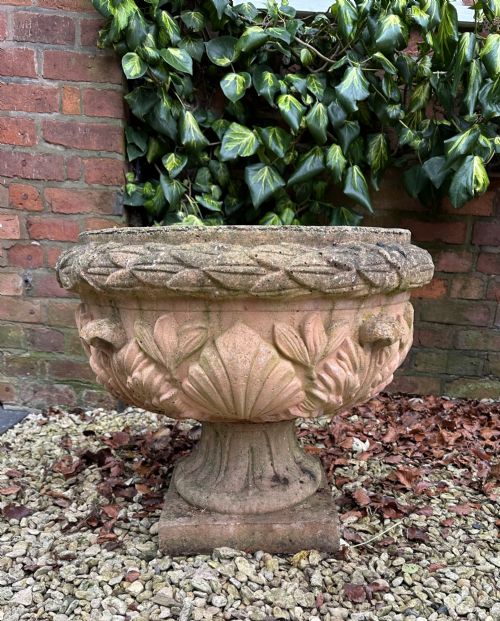
Victorian terracotta planters encompass a broad range of nineteenth-century garden vessels, from classical campana urns to rustic faux bois strawberry jars and utilitarian pancheons. You will frequently encounter robust garden urns, glazed dairy salting crocks repurposed for planting, and naturalistic jardinières originating from the nineteenth century.
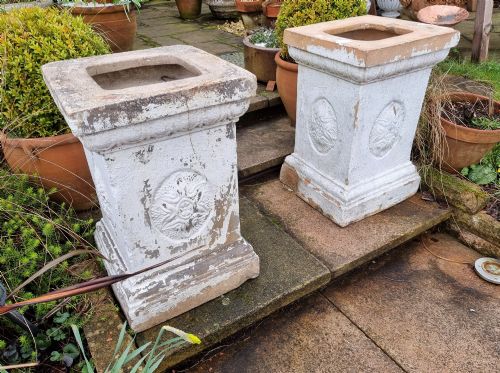
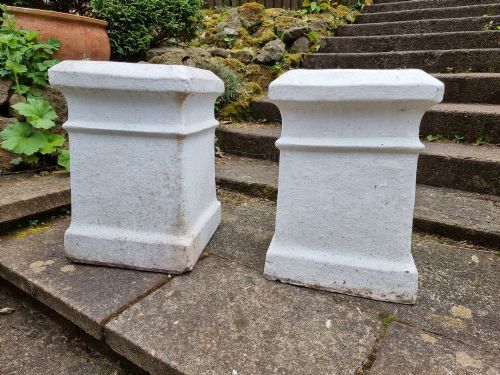
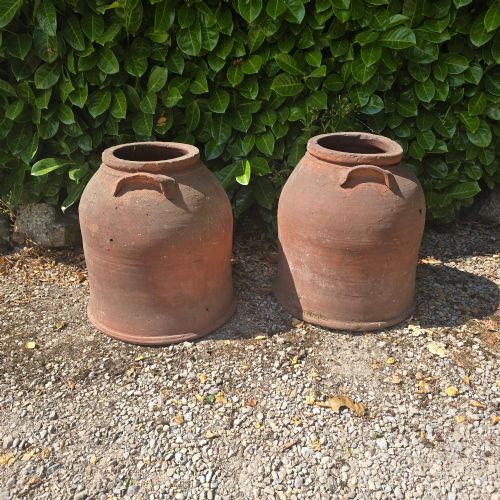
Makers and manufacturers utilised durable earthenware, stoneware, and salt-glazed bodies to withstand outdoor elements while presenting ornamental detail. Forms extend beyond simple pots to include pedestals, rhubarb forcers, and chimney pots adapted for garden use.
How They Were Made
Potters shaped these vessels primarily from clay, terracotta, and earthenware, often firing them at high temperatures to achieve durable stoneware and salt-glazed finishes. Some pieces received surface treatments including glazes, majolica finishes, or paint to enhance their decorative appeal.
Naturalistic textures, such as faux bois bark effects and carved heads on handles, required skilled hand-modelling alongside traditional throwing and moulding techniques.
Listings feature nineteenth-century garden vessels in terracotta, salt-glazed stoneware, and earthenware, alongside majolica-glazed jardinières.
What Varies in Quality
The distinction between standard utility items and superior examples lies in the crispness of modelling and the ambition of the design, such as elaborate neoclassical motifs or intricate faux bois bark work. Finer pieces demonstrate careful attention to surface finish, whether through rich salt glazes, majolica colouring, or well-patinated terracotta bodies.
Structural integrity and the survival of original paired elements, matching pedestals, or intact stands significantly elevate the standing of a garden vessel.
Dunfermline Clay Company·Lipscombe & Co
The Victorian Terracotta Planters Glossary
- Terracotta
- A porous, fired red clay material widely used for garden pots and architectural ornaments. Its warm reddish-brown tone develops attractive weathering outdoors over time.
- Faux Bois
- An artistic style imitating wood grain or natural timber, frequently modelled in clay on nineteenth-century strawberry planters and rustic garden vessels.
- Campana Urn
- A bell-shaped garden vessel with an everted rim, rising from a tapering base on a pedestal. This classic neoclassical form appeared frequently in nineteenth-century landscapes.
- Salt-Glazed Stoneware
- Pottery treated by throwing common salt into the kiln during high-temperature firing, producing a durable, pitted glaze resembling orange peel.
- Jardiniere
- An ornamental pot or stand designed to hold growing plants or flowers, often displayed in conservatories, orangeries, and formal rooms during the Victorian period.
- Pancheon
- A wide, shallow earthenware vessel traditionally used in dairies for setting milk, later adopted as a generous garden planter.
Victorian Terracotta Planters: Frequently Asked Questions
Can Victorian terracotta planters stay outside in winter?
Most nineteenth-century terracotta and stoneware vessels withstand normal outdoor conditions, though heavy frost can occasionally threaten porous earthenware if water remains trapped inside.
Lifting planters onto feet or pot glazes helps prevent moisture retention and reduces the risk of frost damage during colder months.
How do I distinguish faux bois planters?
Faux bois planters feature hand-modelled surfaces designed to resemble natural tree bark, logs, or branches rather than smooth ceramic walls. This rustic nineteenth-century style appears frequently on strawberry jars and garden containers.
The tactile, knobbly texture mimics living timber while utilising durable fired clay or salt-glazed stoneware.
What is a rhubarb forcer?
A rhubarb forcer is a heavy ceramic or terracotta cover placed over crowns in early spring to exclude light and encourage tender, pale stems. These tall, lidded vessels served a strictly utilitarian agricultural purpose in nineteenth-century kitchen gardens.
Today, gardeners frequently repurpose these architectural pieces as decorative focal points on patios and lawns.
Where were jardinières displayed?
Victorian jardinières typically occupied conservatories, orangeries, and entrance halls where large potted plants could be showcased indoors. They often rested upon matching pedestals or stands to elevate greenery above floor level.
Over time, many found their way into sheltered outdoor courtyards and patio settings.