

Carved Oak Tallboy
These carved oak tallboy and chest pieces offer sturdy storage built from enduring timber across several historic centuries.
What carved oak tallboy and related chests are
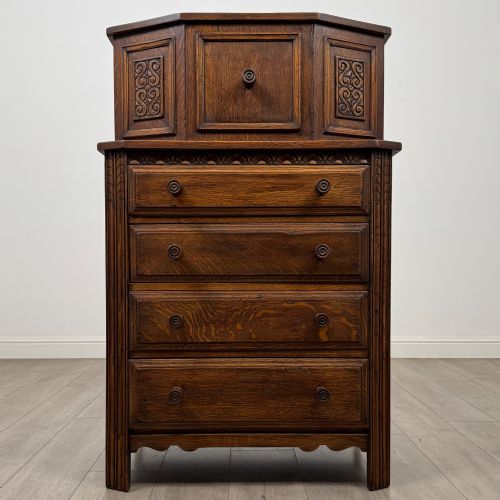
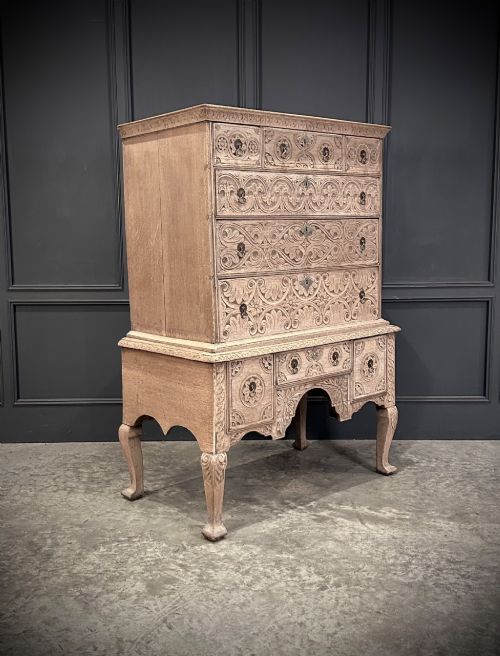
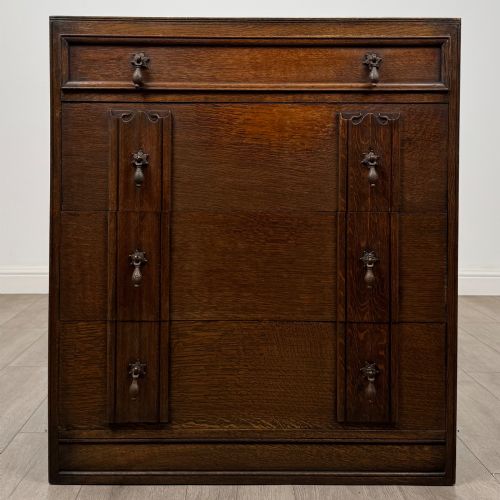
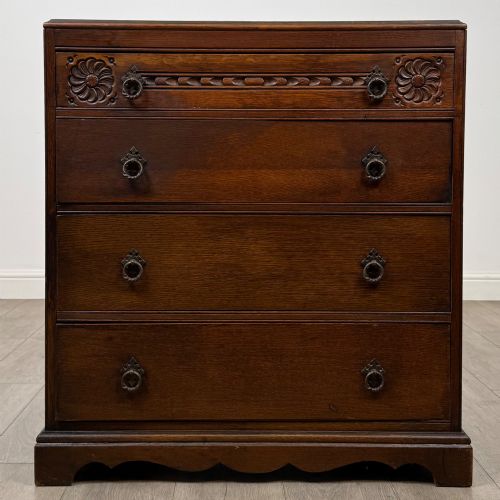
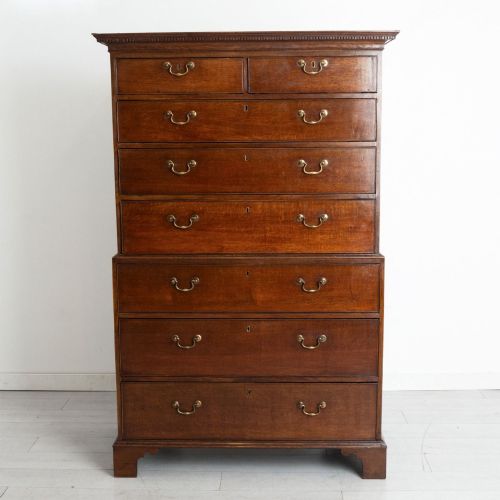
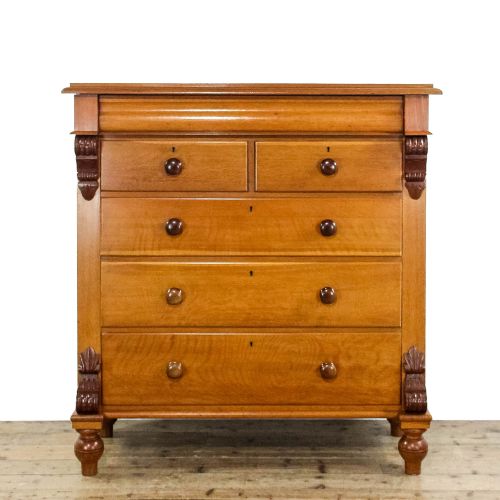
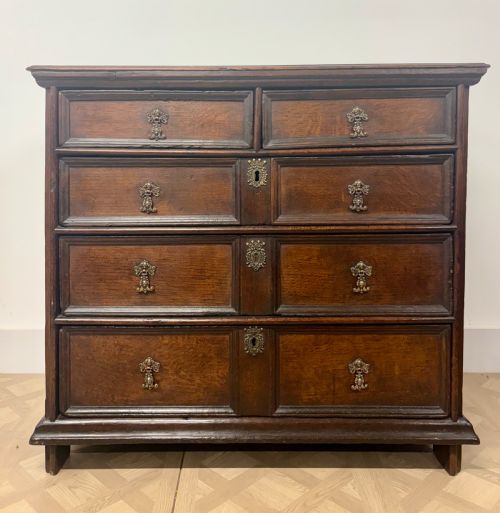
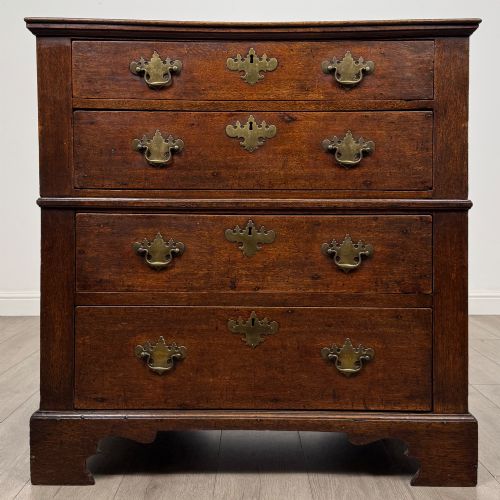
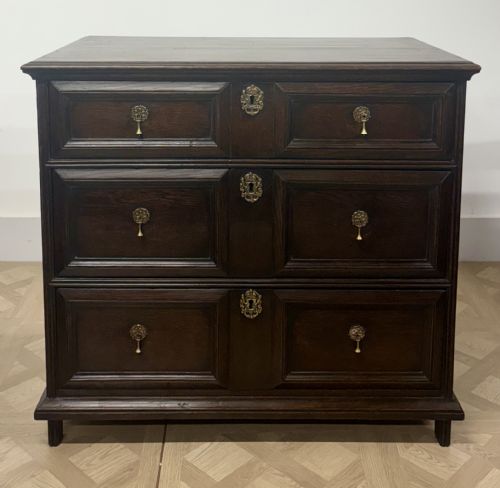
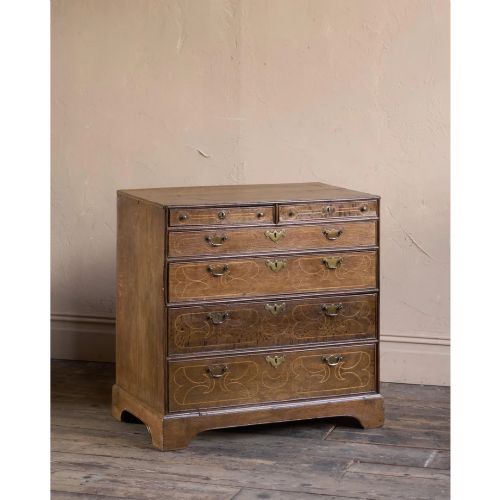
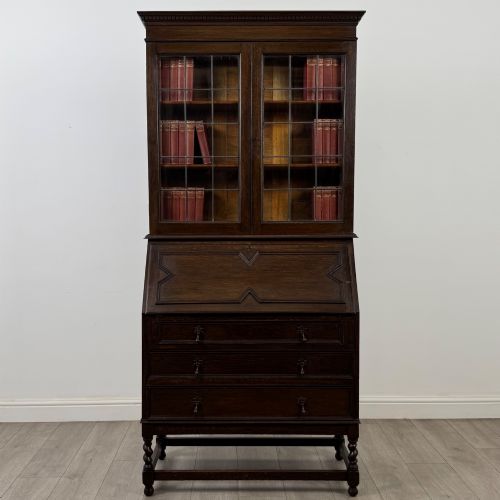
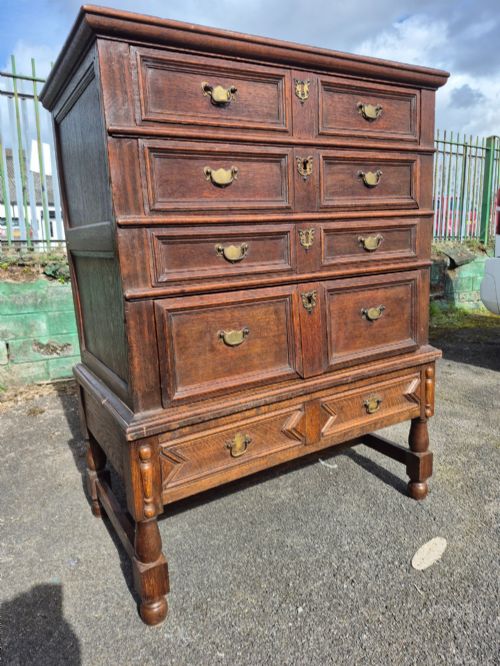
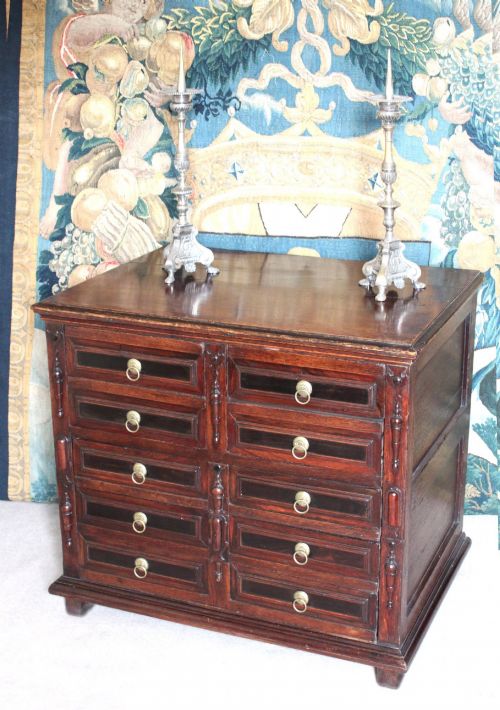
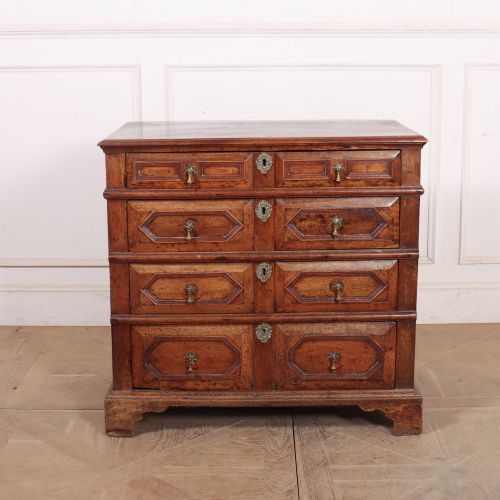
When you search for a carved oak tallboy, you find substantial storage units spanning the seventeenth century, the eighteenth century, and the Victorian period. The pieces vary in configuration, appearing as chests of drawers, two-part chests with geometric mouldings or inlay, and chests on stand.
The archive also records pieces from nineteen twenty featuring linen fold details and wardrobe formats. Oak is the primary material utilised across these varied forms.
Buyers often encounter sturdy timber constructions designed to hold garments securely. Each period brings distinct decorative treatments to the wood surface.
How they were made
Constructed primarily from oak and sometimes walnut or wood, these pieces utilise traditional joinery suited to heavy timber. Brass hardware frequently secures the drawers and doors.
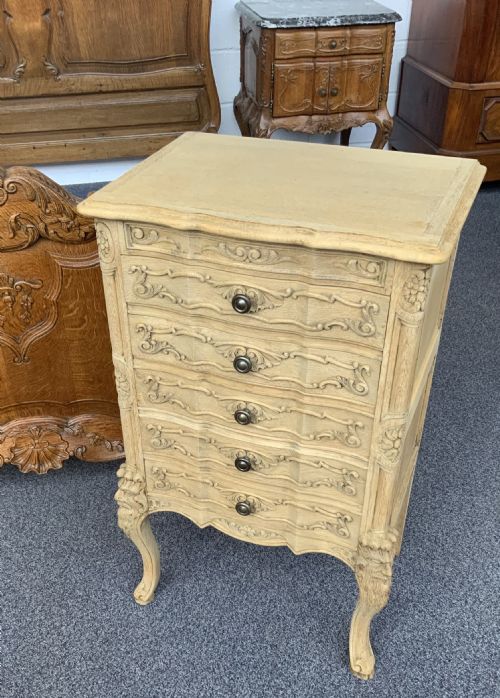
Surface decoration includes geometric mouldings, inlay work, and carved linen fold motifs. Bleached oak finishes also appear across the historic examples.
Retail Price Guide 2026
Typical UK retail prices for carved oak tallboy, calculated from the Sellingantiques database of over a million retail prices indexed since 2003. This retail price guide relies exclusively on Sellingantiques data; no external sources or auction records are used, so the figures do not describe the wider market.
Even rigid seventeenth-century timber sometimes gets a softer look with a bleached oak finish.
What varies in quality
Quality separates through the intricacy of the geometric mouldings and the precision of the inlay work. Finer examples display careful timber selection and deliberate surface bleaching.
The complexity of the form, such as a chest on stand versus a straight front chest of drawers, dictates the level of craftsmanship involved.
The Carved Oak Tallboy Glossary
- Chest on stand
- A storage chest elevated on a separate framework with legs. This form lifts the main body off the floor.
- Geometric moulding
- Raised wooden profiling arranged in repeating patterns on drawer fronts. It adds texture and depth to the timber surface.
- Linen fold
- Carved wooden panelling mimicking folded cloth. This decorative motif appears frequently on panels and doors.
- Bleached oak
- Timber treated to lighten its natural dark tone. This process highlights the grain structure of the wood.
Frequently Asked Questions
What periods do these pieces date from?
The selection spans the seventeenth century, the eighteenth century, the Victorian era, and nineteen twenty. Each era brings distinct characteristics to the timber and form.
Early pieces often feature geometric mouldings, while later examples incorporate linen fold carving or standard drawer arrangements.
What materials are used in construction?
Oak forms the primary material across the items, accompanied by occasional walnut and other wood varieties. Brass fixtures commonly provide operational hardware.
Surface treatments range from natural timber and inlay to bleached finishes.
How do chest on stand designs differ?
A chest on stand elevates the primary storage section upon a supportive framework with legs. This design creates a lighter visual presence compared to floor-standing units.
Such configurations offer alternative proportions within the historic chest category.
What decorative details should I expect?
Decoration includes geometric mouldings, intricate inlay, and carved linen fold patterns. Charles II pieces often showcase these elaborate surface treatments.
Victorian and eighteenth-century examples lean towards simpler straight front formats.