

Carved Mahogany Display
A carved mahogany display piece brings architectural timber and glass together to hold books, china and treasured objects.
Carved Mahogany Display
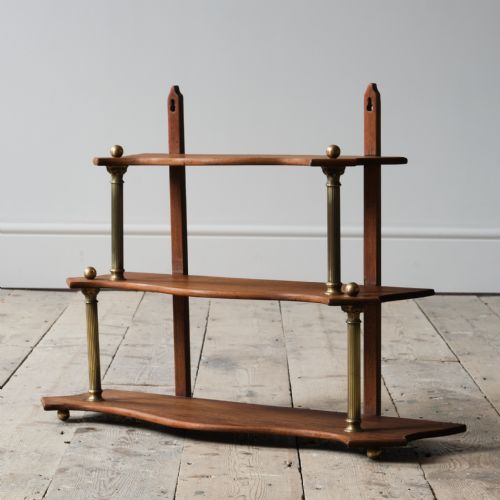
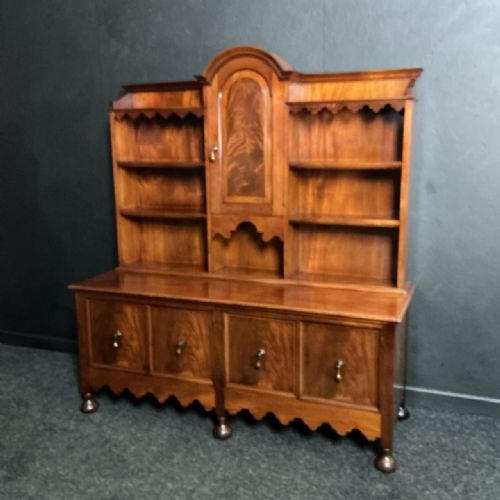
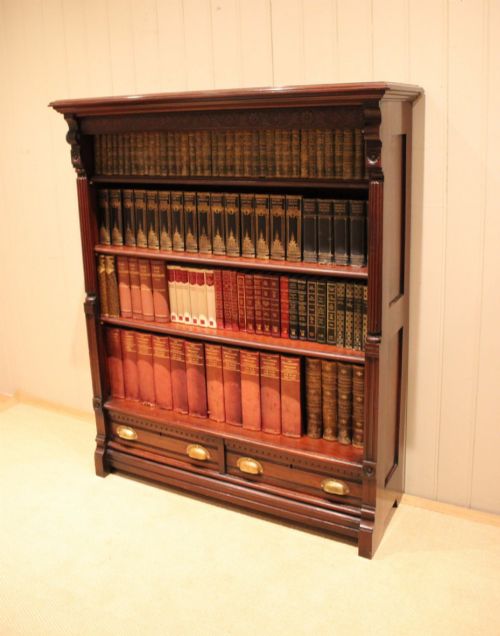
A carved mahogany display search reveals substantial furniture intended for storage and presentation, spanning bookcases, display cabinets, dressers, and wall-mounted shelves. The Victorian and Edwardian periods dominate these listings, alongside Regency, Georgian, and early twentieth-century examples.
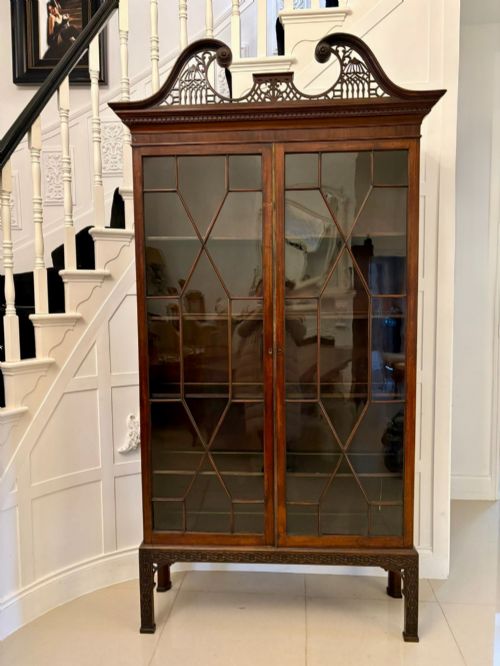
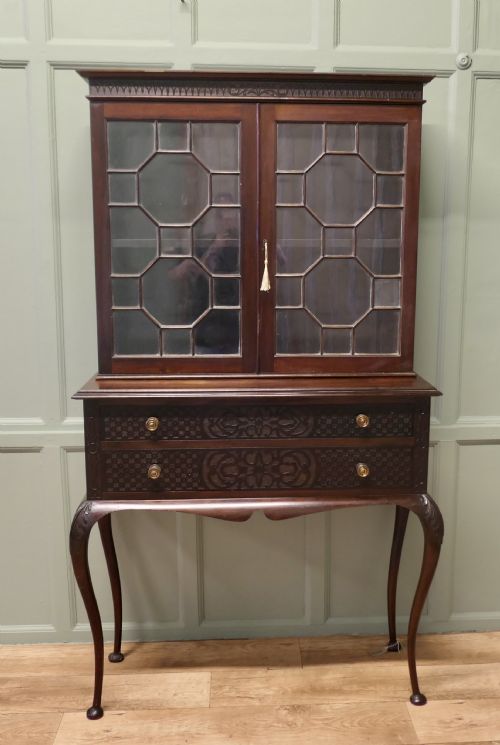
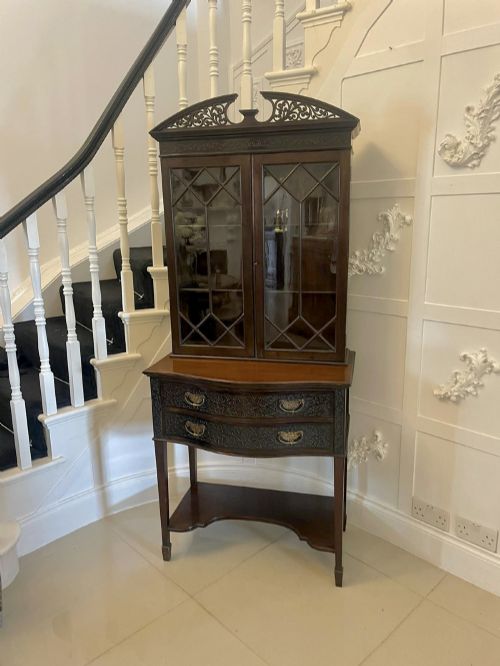
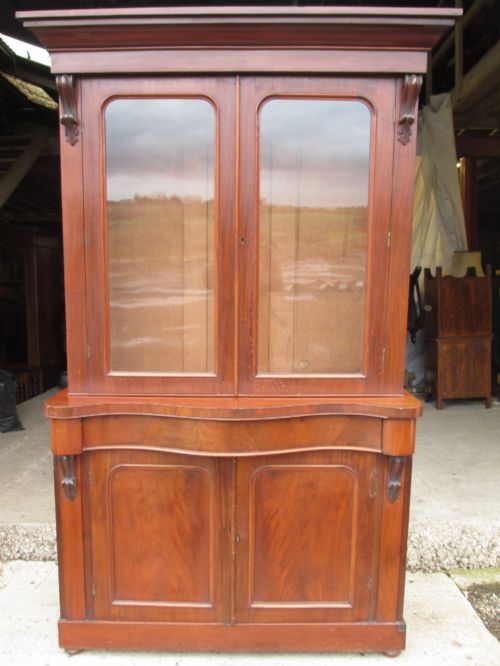
Bookcases and glazed cabinets are the most common forms encountered on this page, often featuring astragal glazing, adjustable shelves, and mirror-backs. Smaller items such as bijouterie tables, corner whatnots, and plant stands also appear frequently across the inventory.
Materials and Construction
Makers utilised solid and veneered mahogany as the primary timber, sometimes combining it with secondary woods such as oak or walnut in structural areas. Glass panels, mirror glass, brass fittings, and fabric linings complete the construction of the enclosed cabinets and display tables.
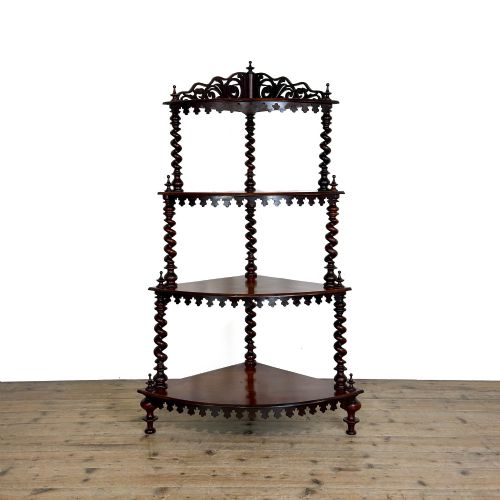
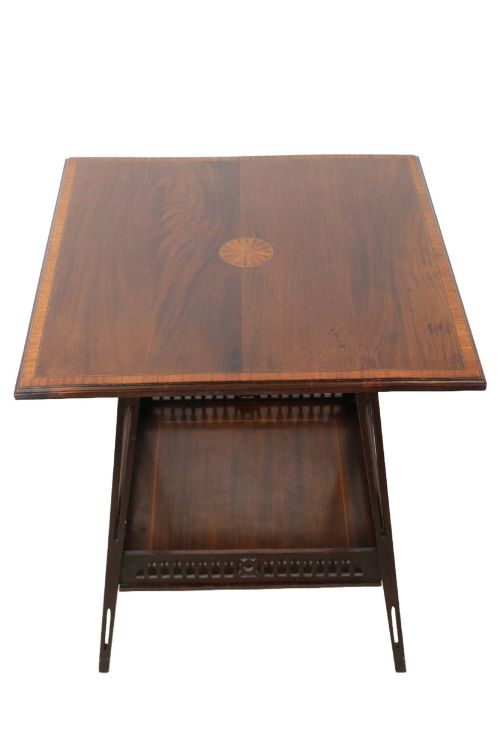
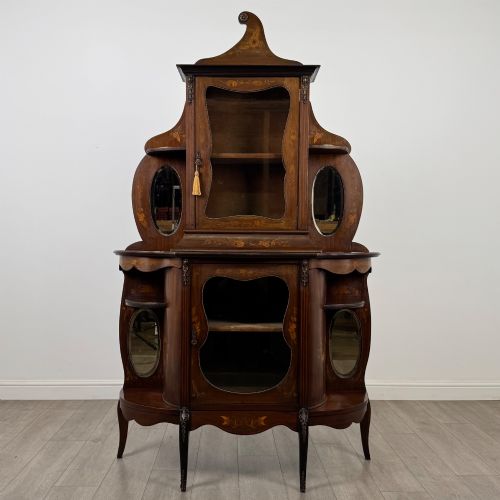
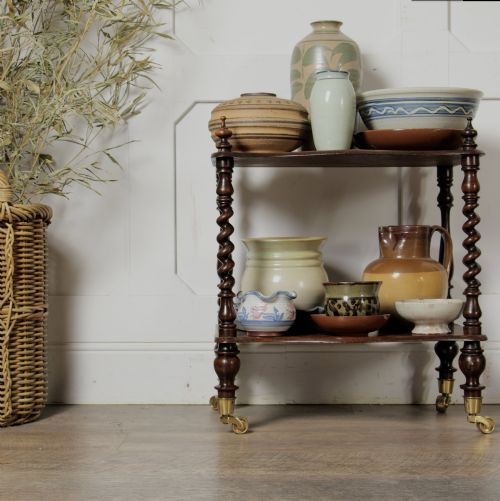
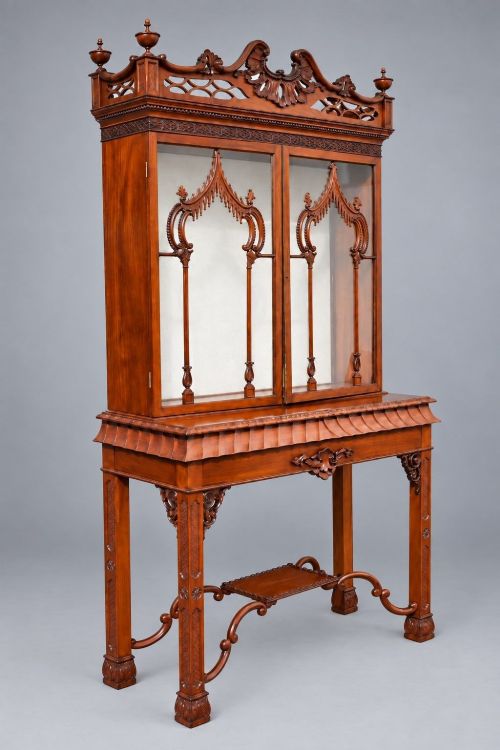
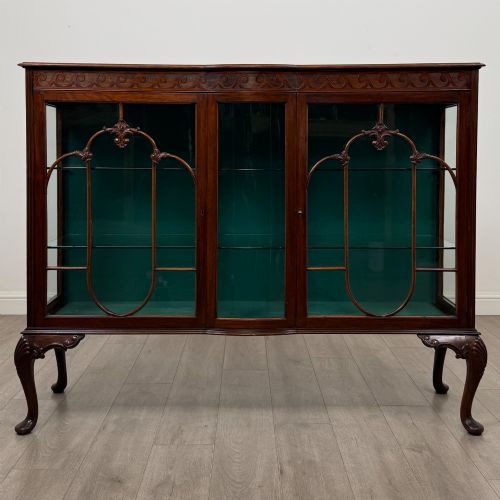
Carving, marquetry, and inlay define the surface decoration, with specific references to Chinese Chippendale fretwork, barley twist turnings, and astragal bar assemblies framing the glass doors.
Listings incorporate forms from the Regency period through to the Arts and Crafts movement, utilising mahogany, glass, and brass.
The Measure of Craft
Quality rests upon the depth of the hand-carved detail, the clarity and weight of the glass, and the integration of secondary timbers. Pieces bearing maker attribution often display crisper fretwork, superior joinery in the drawer linings, and more sophisticated proportions.
The sophistication of the glazing bars and the presence of original brass hardware or bevelled mirrors distinguish standard production from exceptional cabinet work.
Trevor Page And Co·Maple And Co·Lamb Of Manchester·James Winter And Sons
The Carved Mahogany Display Glossary
- Astragal glazed
- Glazing bars dividing a glass door into smaller panes. These delicate wooden strips shape the overall window pattern.
- Bijouterie table
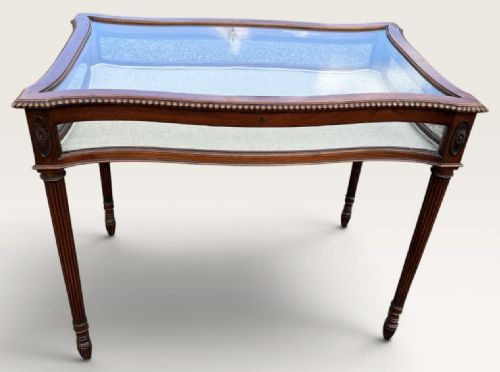
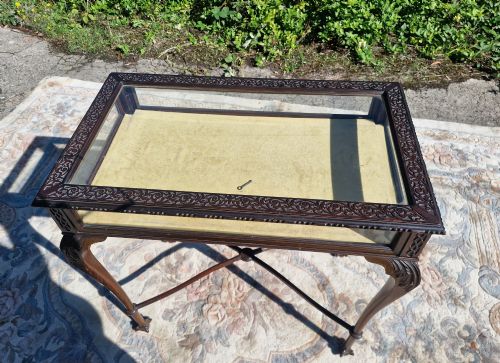
- A glass-topped display table designed for small valuables and trinkets. They often feature upholstered interior bases.
- Whatnot
- An open-shelved tiered stand used for ornaments and books. Victorian examples frequently incorporate turned supports.
- Torchere
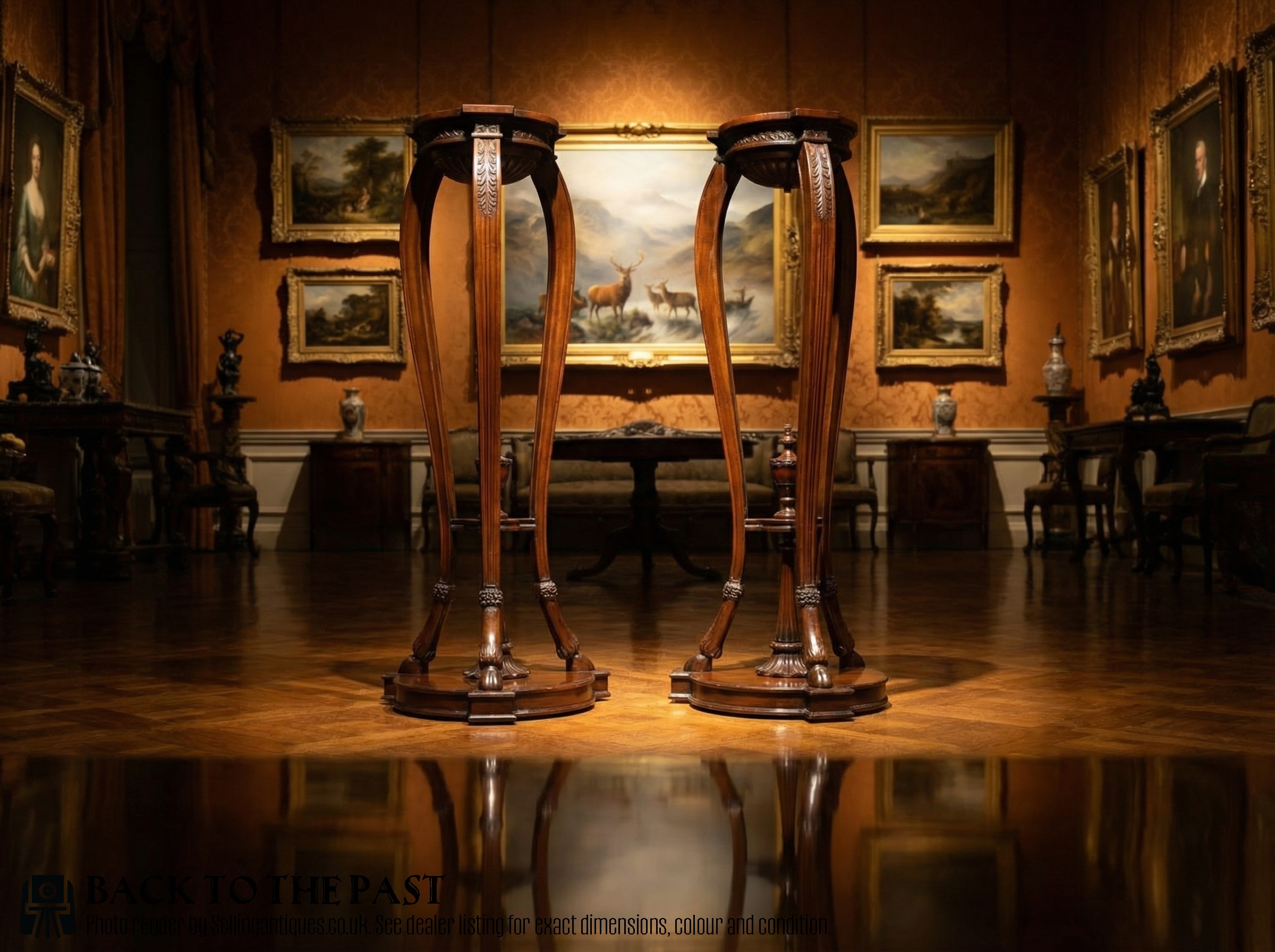
- A tall stand or pedestal intended for lamps or display items. These slender supports feature carved stems and steady bases.
- Chiffonier
- A low cabinet with doors enclosing shelves, sometimes surmounted by a mirror or small tier. They serve as compact storage units.
Carved Mahogany Display: Frequently Asked Questions
Where should I place a mahogany bookcase?
Mahogany bookcases suit studies, drawing rooms, and dining spaces where stable room temperatures protect antique timbers. Keeping them away from direct sunlight preserves the rich red-brown tone of the wood.
Large breakfront and open bookcases require adequate wall space and clearance for adjustable internal shelving.
How do I identify a Victorian whatnot?
Victorian whatnots are multi-tiered open shelving units characterised by turned wooden supports, corner posts, and occasional drawer bases. They were designed for stacking books and decorative items in smaller spaces.
Look for sturdy mahogany construction and traditional joinery methods to determine the period of manufacture.
What is a bijouterie table used for?
A bijouterie table is a glass-topped display table created specifically for housing small collectibles, medals, and jewellery. The glazed top and sides allow viewing from multiple angles.
Many incorporate fabric-lined interiors to cushion delicate items against the wooden frame.