
Tall Mahogany Pedestal
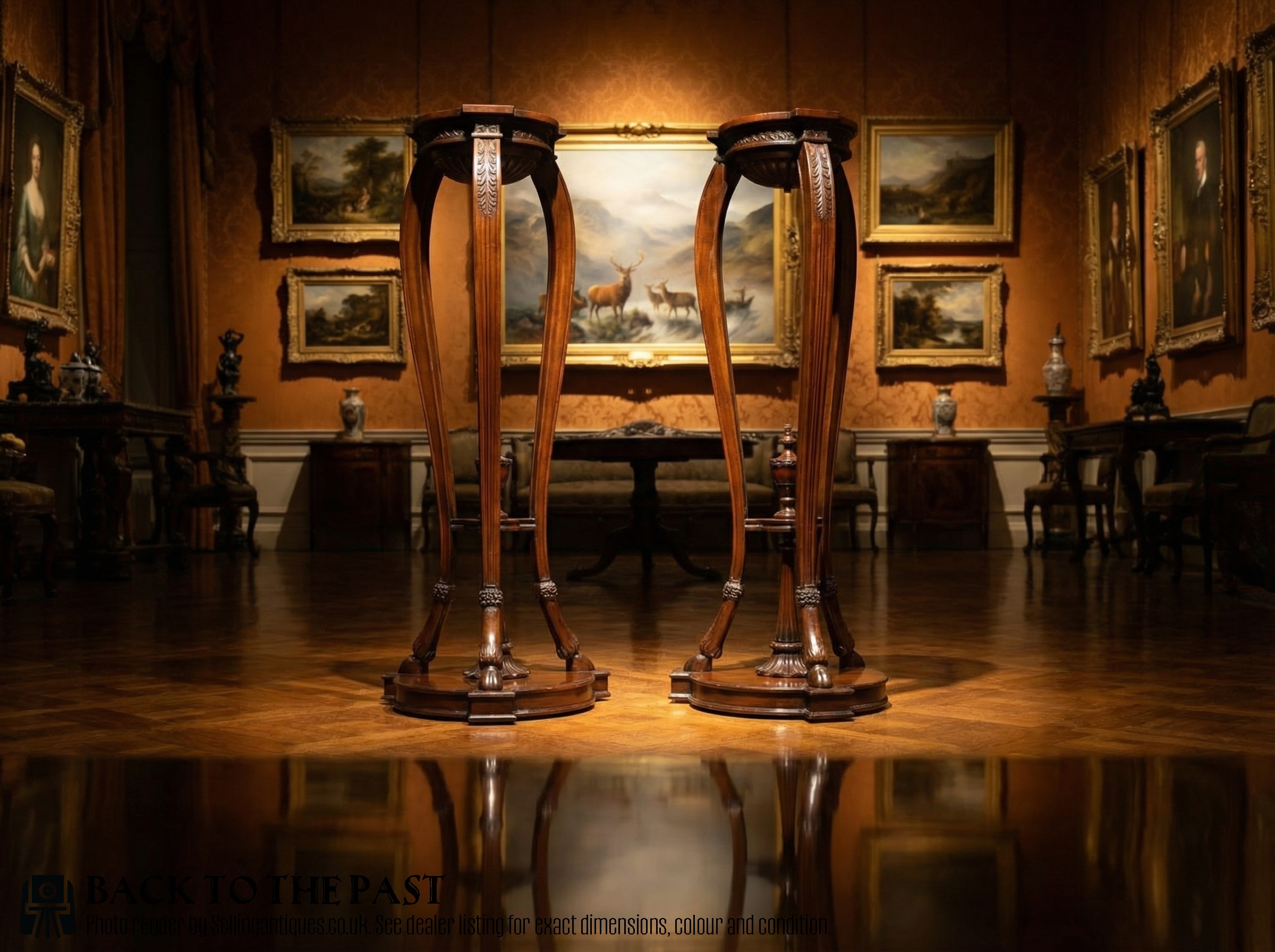
A tall mahogany pedestal carries a lamp, a bronze or a plant with real authority, lifting it into the room.
Tall Mahogany Pedestal
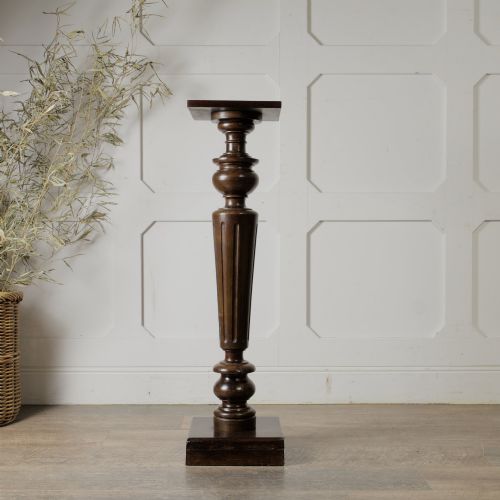
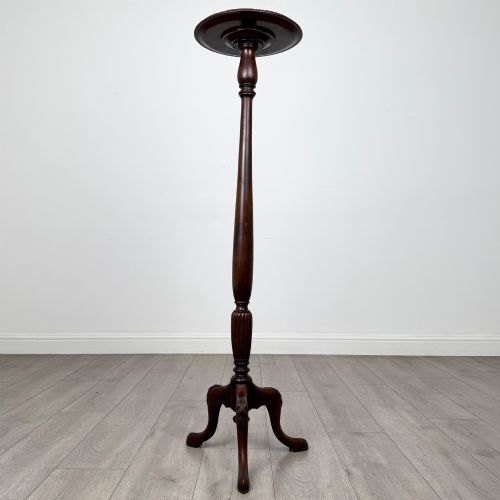
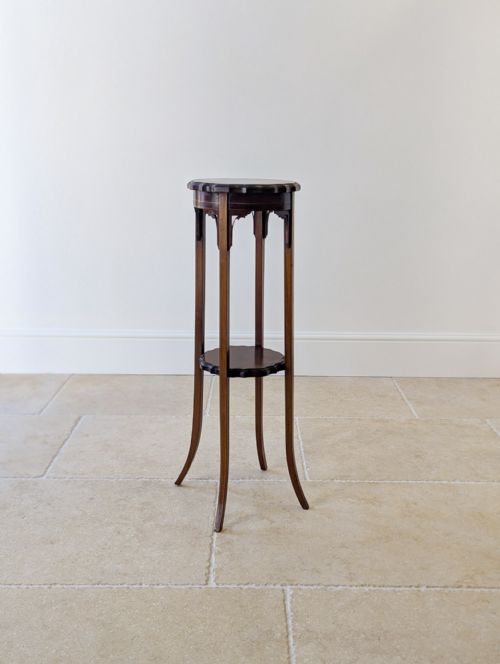
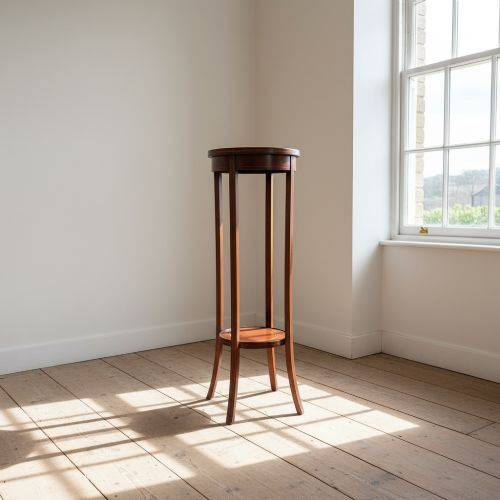
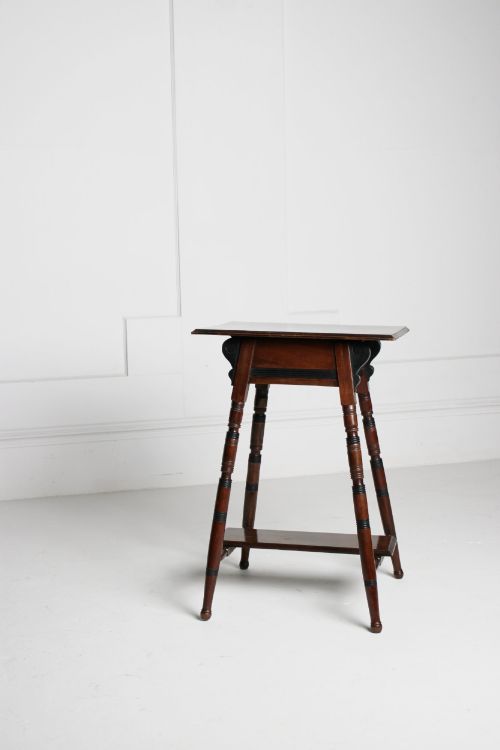
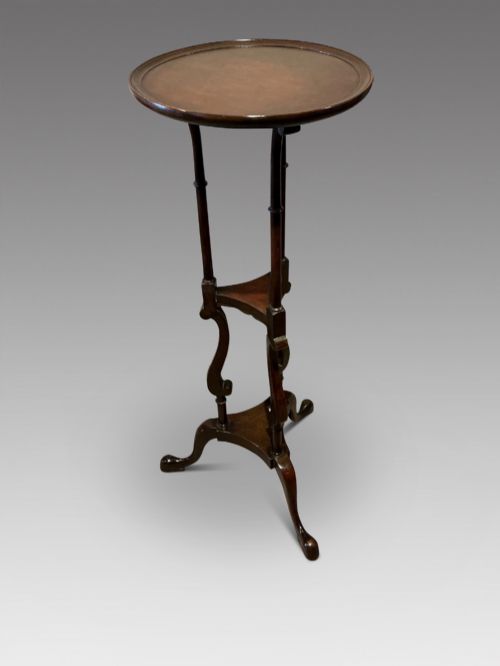
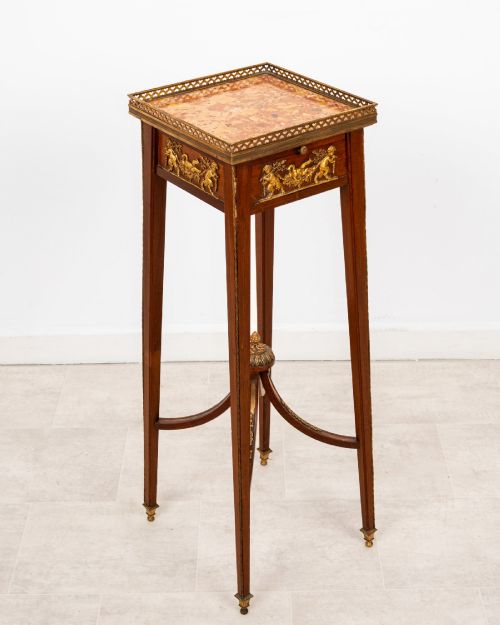
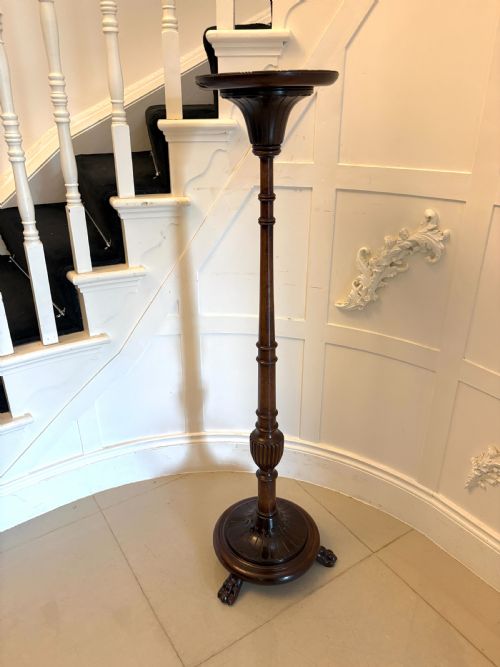
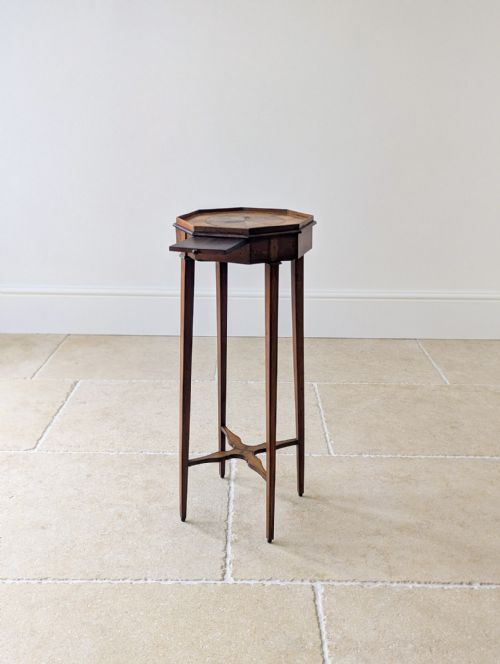
A tall mahogany pedestal stands as a slender column designed to elevate plants, busts, urns or lamps above the floor level of a room. When you search for a tall mahogany pedestal, you find Victorian, Edwardian and Georgian forms intended to draw the eye upward and make the most of limited floor space.
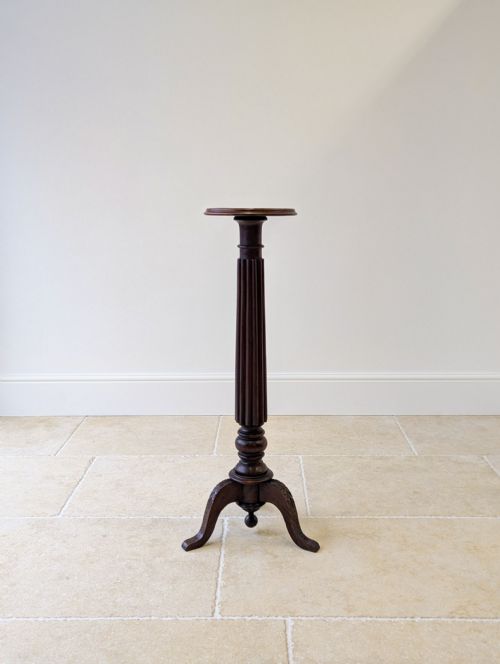
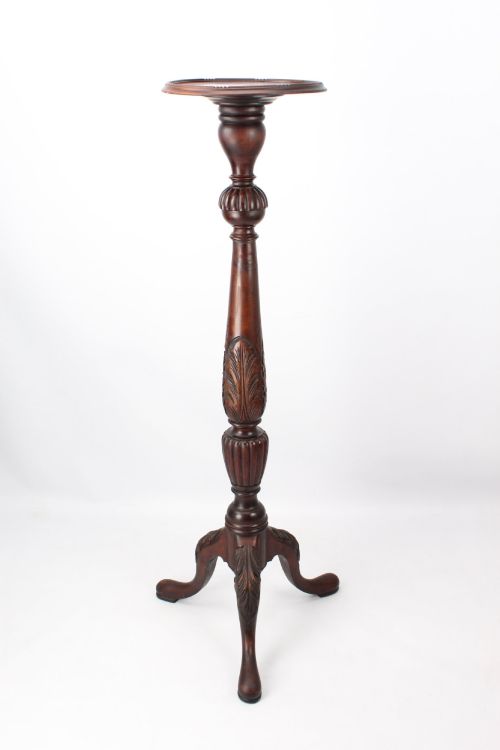
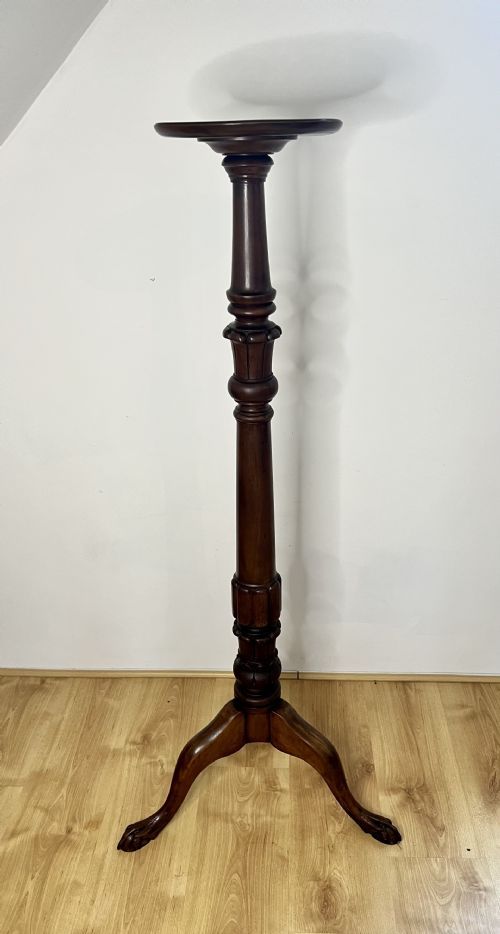
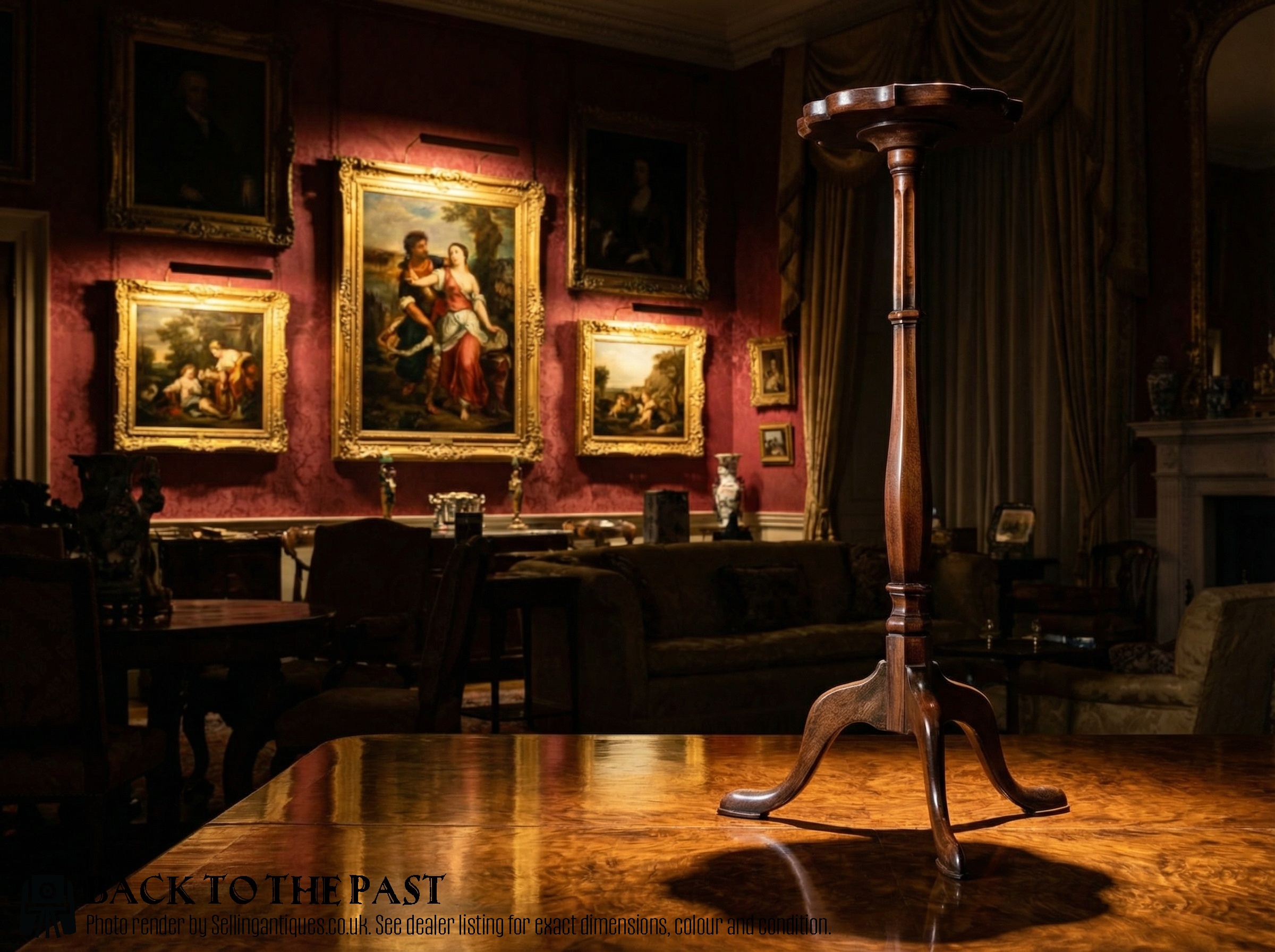
The versions you meet most frequently on this page date from the nineteenth and early twentieth centuries, spanning Victorian and Edwardian periods as well as Georgian revivals. They appear primarily as torcheres, plant stands and urn stands, resting on tripod bases or stable plinths.
Makers shaped these upright supports to serve practical domestic roles while adding architectural interest to corners and hallway spaces. Their slim proportions allowed them to fit where bulkier tables could not go.
How they were made
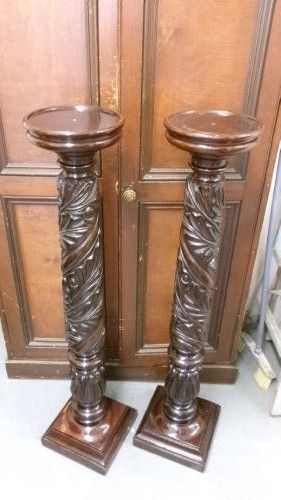
Cabinet makers relied upon solid and veneered timber, turning central shafts on lathes and carving tripod legs with restrained detail. They selected mahogany for its deep grain and structural strength, allowing slender columns to support heavy marble tops or bronze figures without warping.
Many Edwardian and Sheraton revival examples incorporate satinwood inlay to create delicate contrast against the darker mahogany body. Brass mounts, galleries and feet occasionally appear, adding functional metallic highlights to the turned timber structures.
Tall Mahogany Pedestal Retail Price Guide 2026
Typical asking prices for tall mahogany pedestal among the pieces listed under this phrase on Sellingantiques today, from the lower quarter to the upper quarter. They describe what is for sale here now, not the wider market.
Several Victorian torcheres spent their youth holding heavy potted ferns that leaked water directly onto the turned mahogany bases.
What varies in quality
Quality rests upon the crispness of the turned woodwork and the stability of the central shaft where it meets the base. A superior piece shows deeply carved detail on the knees and feet, whereas simpler items rely on plain turned columns with minimal embellishment.
The choice of timber grain and the precision of any satinwood inlay distinguish standard production pieces from finer examples made by established cabinet makers. Structural integrity determines whether the tall column remains perfectly plumb over decades of use.
Druce And Co London
The Tall Mahogany Pedestal Glossary
- Torchere
- A tall ornamental stand originally designed to carry a torch or candle, later adapted for lamps and vases. These pieces form a major part of the pedestal category.
- Urn stand
- A small, often square or octagonal table designed to hold a classical urn or decorative vessel. They share the elevated profile typical of tall pedestals.
- Jardiniere
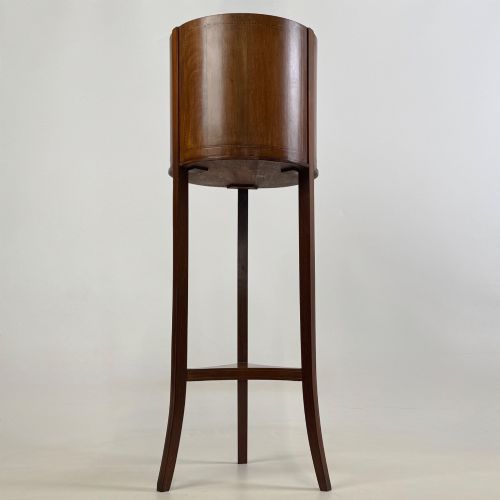
- A decorative pot or stand for holding plants and flowers, frequently integrated into the design of tall wooden plant stands. The term describes the functional top section of the pedestal.
- Tripod base
- A three-legged support structure commonly found beneath nineteenth-century pedestals and torcheres. This configuration ensures stability on uneven floorboards.
- Satinwood inlay
- A contrasting light-coloured timber embedded into the mahogany surface in geometric or floral patterns. It appears frequently on Edwardian and revival pieces.
Tall Mahogany Pedestal: Frequently Asked Questions
What is a tall mahogany pedestal used for?
These pieces serve primarily to elevate objects such as lamps, plants, urns or bronze busts above floor level. They place decorative items at eye height in corners or empty hallways.
Their narrow footprint allows them to occupy minimal floor space while adding vertical emphasis to an interior scheme.
How do I tell Victorian from Georgian pedestals?
Georgian pedestals date from the eighteenth century and tend to show classical proportions with crisp hand-carving and restrained lines. Sheraton revival versions from later periods often imitate these earlier forms with inlaid satinwood details.
Victorian examples generally display heavier turned columns, richer carving and occasional brass mounts. Examining the timber maturity and construction joints helps clarify the period of manufacture.
Are these pedestals stable enough for heavy items?
Most tall pedestals utilise weighted tripod bases or wide plinths designed to maintain balance when carrying lamps or planters. Solid mahogany construction provides the structural rigidity needed for vertical weight distribution.
It remains wise to check the connection between the central shaft and the base to ensure absolute firmness before placing heavy items atop them.
Where should I place a torchere stand?
Torchere stands suit empty corners, narrow wall spaces or flanking positions beside larger items of furniture. Their vertical height breaks up expanses of bare wall without crowding the room.
Positioning them away from heavy foot traffic prevents accidental knocks to the slender columns.