




Mahogany Flower Stand
A mahogany flower stand brings architectural presence to living spaces while elevating botanical displays.
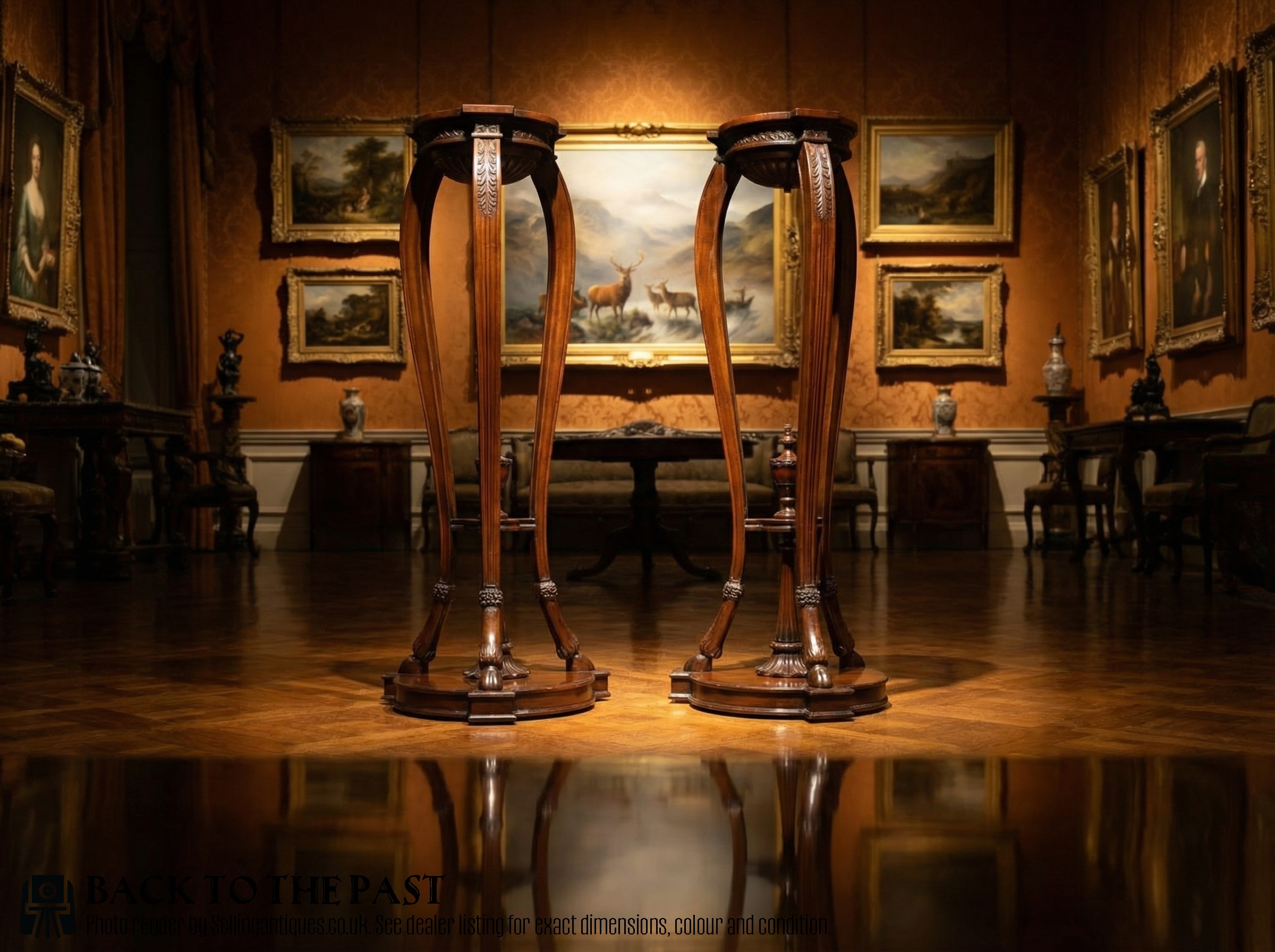
Mahogany Flower Stand
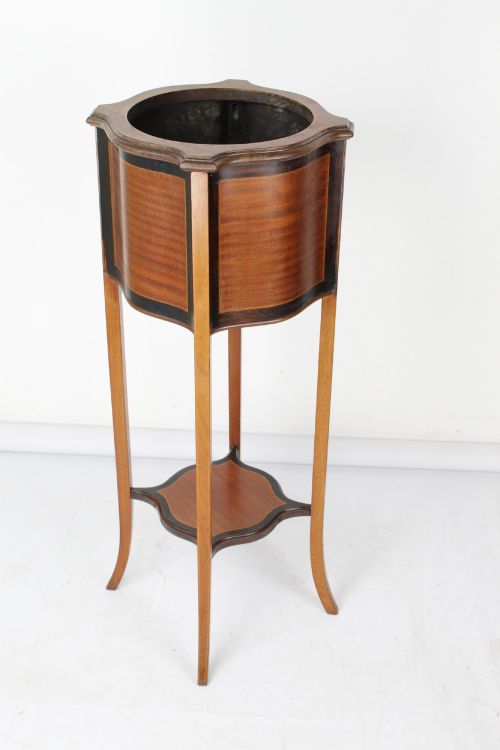
A mahogany flower stand functions primarily to elevate plants, jardiniere bowls, or decorative items within domestic interiors. These furnishings appear across several historical periods, most frequently originating from the Victorian and Edwardian eras alongside Chinese export production.
The physical forms vary considerably between tall torchères, low plant stands, and occasional side tables adapted for botanical use. Buyers searching for a mahogany flower stand encounter both British cabinetmaking and imported hardwoods from East Asia.
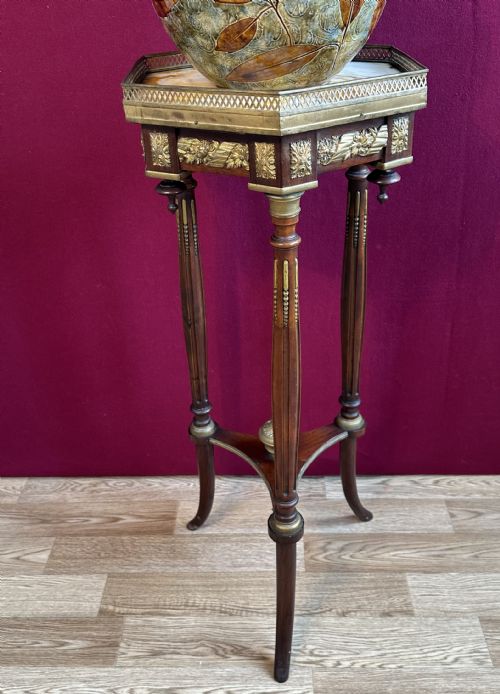
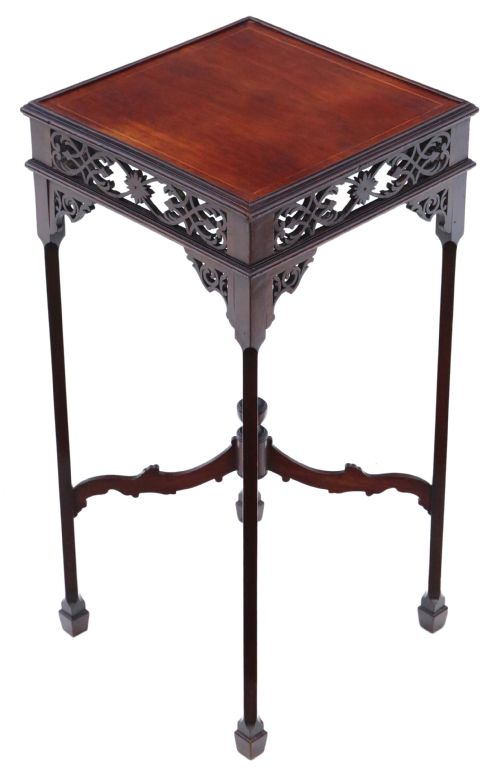
Many examples incorporate specialised surfaces such as inset marble tops designed to withstand moisture from plant pots. Others take the form of tripod tables or rectangular stands suitable for displaying floral arrangements.
How they were made
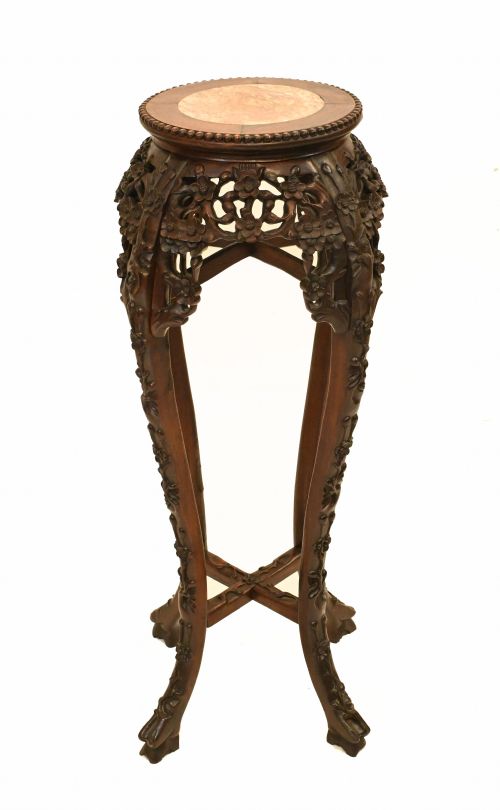
Makers utilised dense primary timbers, predominantly mahogany and various exotic hardwoods, supplemented occasionally by rosewood and satinwood. Construction frequently involved intricate hand carving, particularly evident in Asian export pieces and revival styles.
Surface ornamentation often included delicate satinwood inlay, brass mounts, and lacquered finishes applied to highlight the natural grain of the wood. Marble inserts provided durable, waterproof tops for holding damp flowerpots and jardinieres.
Several stands double as occasional tables, proving that antique flower pots enjoyed a remarkably elevated social standing.
What varies in quality
The standard of execution in the carving and joinery dictates the overall quality of each stand. Crisp detailing in floral or geometric motifs distinguishes superior workshop production from simpler commercial pieces.
Materials also separate standard items from finer examples, especially where dense hardwoods, substantial marble inserts, or intricate inlay work are employed. Structural integrity in slender tripod legs or tall pedestals remains paramount.
Gillows
The Mahogany Flower Stand Glossary
- Torchère
- A tall, slender stand designed specifically to support a lamp, vase, or floral arrangement. These pieces traditionally occupy corners or empty wall spaces.
- Jardiniere
- An ornamental pot or container, usually ceramic or metal, holding a plant or flowers. The stands built to support them often feature protective waterproof surfaces.
- Inlay
- A decorative technique where contrasting woods or materials are set into the surface of the primary timber. Satinwood is frequently utilised for this purpose.
- Hongmu
- A category of dense, dark Chinese hardwoods frequently utilised in traditional furniture production. These heavy timbers display exceptional durability and rich natural colour.
Mahogany Flower Stand: Frequently Asked Questions
What is a mahogany flower stand?
A mahogany flower stand is a raised piece of furniture designed to display potted plants, jardinieres, or decorative objects. These stands elevate greenery to improve room aesthetics and lighting.
They appear in various formats, including tall torchères, tripod tables, and rectangular plant stands dating from the nineteenth and early twentieth centuries.
How were flower stands used historically?
In period interiors, these stands displayed prized indoor plants, floral arrangements, or lamps in formal reception rooms and parlours. They brought nature indoors while protecting fine carpets and wooden floors from moisture.
Many featured specialised marble tops specifically chosen to withstand water spills from frequent plant watering.
How do I date a flower stand?
Dating relies on examining construction techniques, timber characteristics, and stylistic markers associated with specific periods like the Victorian, Edwardian, or Regency eras. Inlay patterns and decorative motifs often reflect the design trends of their manufacturing decade.
Comparison with documented examples helps narrow down the origin, whether British cabinetmaker or Chinese export workshop.
Can I use these stands for modern plants?
These stands accommodate modern potted plants, provided the base dimensions and weight limits match the piece. Stands with marble or glazed ceramic inserts offer the best protection against dampness.
Using saucers beneath plant pots prevents water damage to antique wooden surfaces.