










Carved Hardwood Plant Table
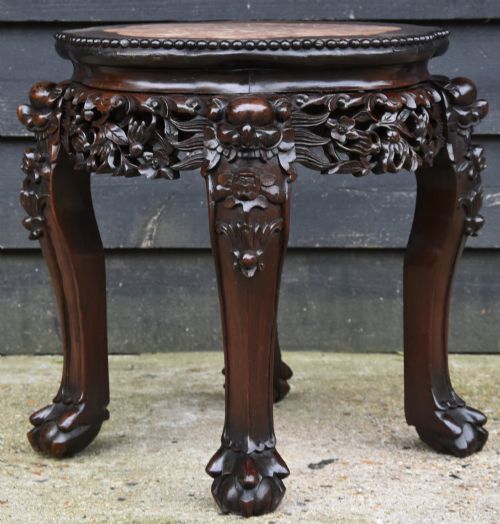
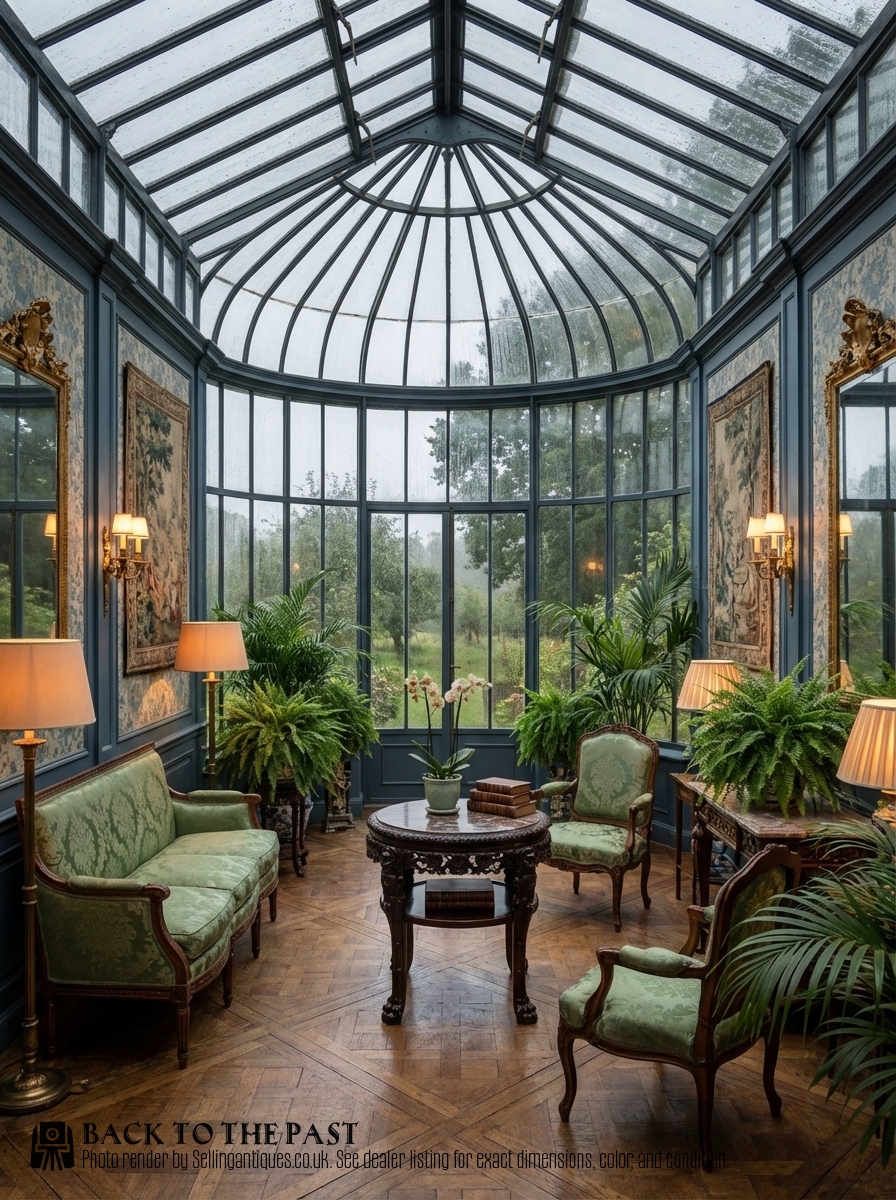
A carved hardwood plant table brings substantial timber and intricate relief into a room, serving as a sturdy pedestal for pots and vases.

Carved Hardwood Plant Table
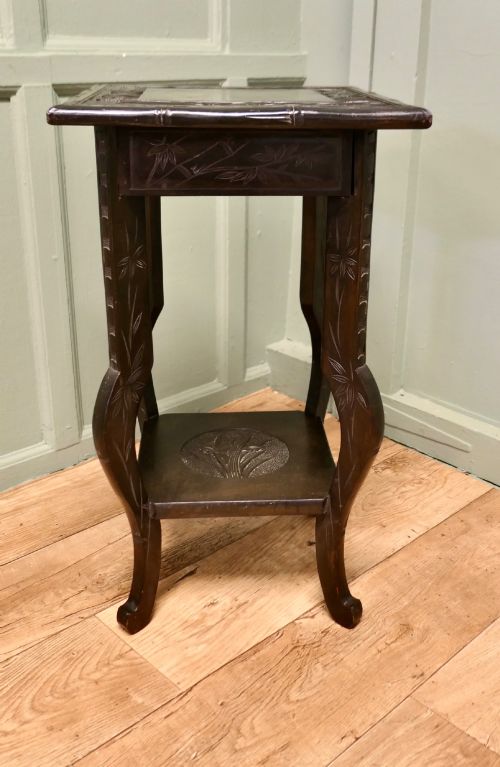
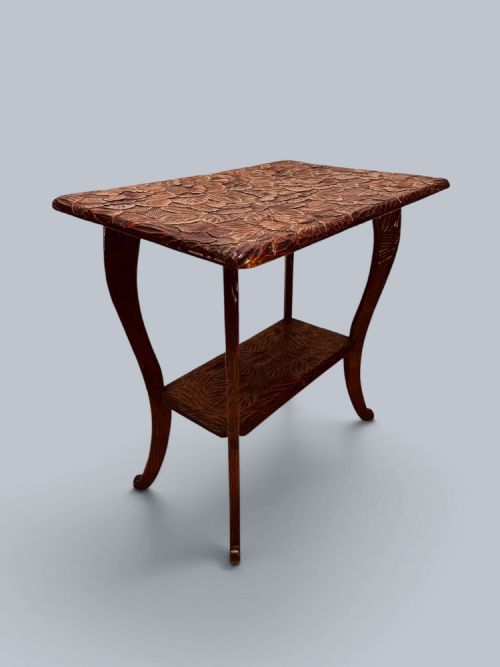
A carved hardwood plant table typically appears as a compact jardiniere stand, pot stand, or low occasional table originating from Qing Dynasty China or Anglo-Indian workshops. These pieces span the nineteenth century into the early twentieth century, encompassing Victorian and Edwardian periods.
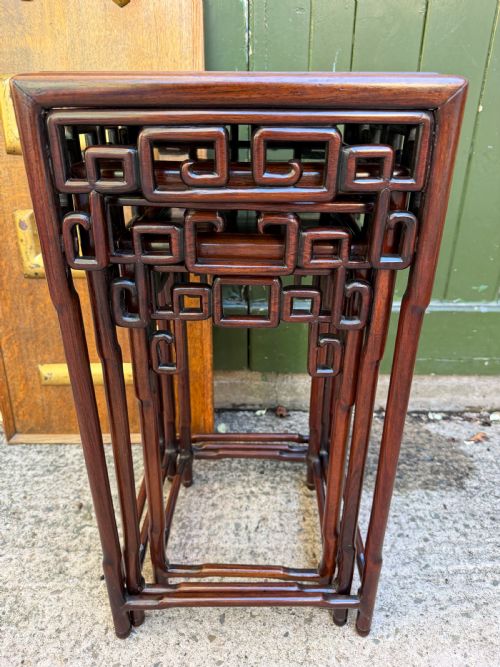
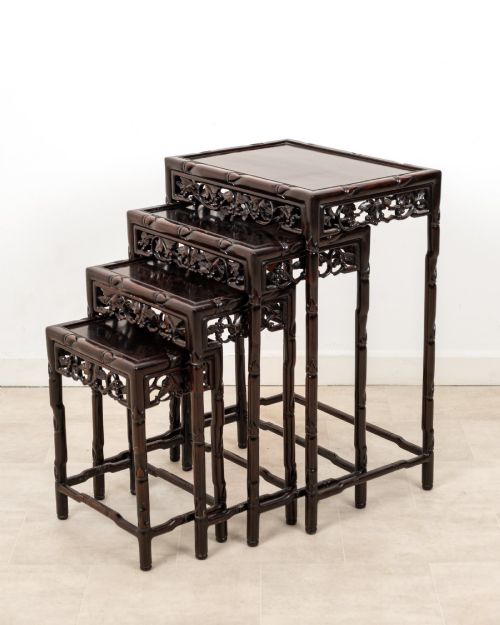
The domestic forms range from octagonal lamp tables and barrel stools to tall pedestal stands and nests of graduated side tables. Most examples support a raised top designed specifically to display ceramic vessels or decorative objects.
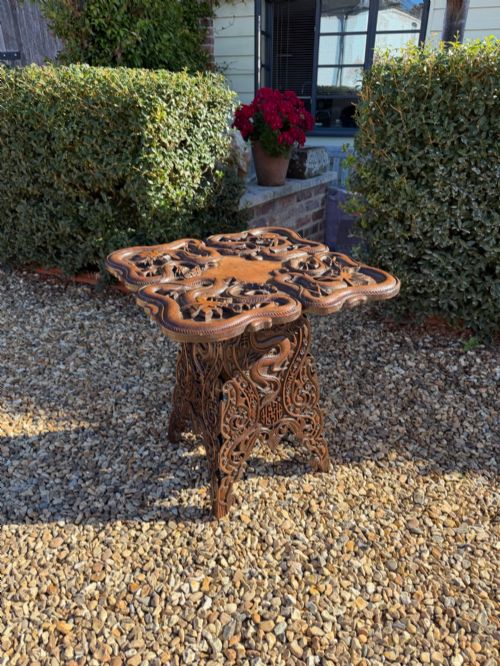
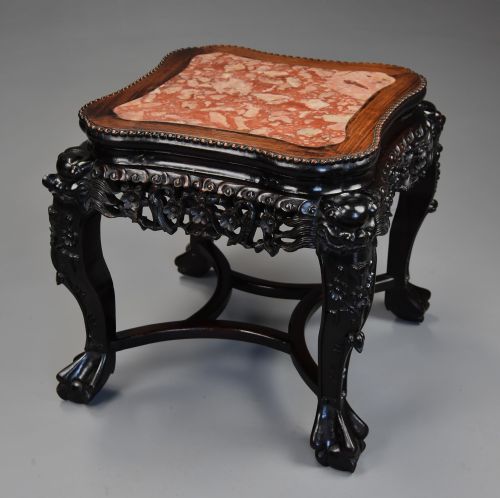
Buyers encounter variations shaped with rectangular, circular, or shaped outlines, often utilising marble inset panels to provide a cool, flat surface at the centre of the carved frame.
Materials and Construction
Makers utilised dense timbers such as rosewood, padauk, huanghuali, and hongmu, relying on their natural weight and tight grain to hold deep chisel work. These woods are frequently joined with traditional framing methods that allow the dense material to respond stably to changing indoor climates.
Many surfaces incorporate contrasting elements, including inset rouge or variegated marble tops, bone inlay, mother-of-pearl details, and brass wire work. Ebonised finishes and burr wood veneers also appear across Asian and European export items to vary the visual texture.
Carved Hardwood Plant Table Retail Price Guide 2026
Typical asking prices for carved hardwood plant table among the pieces listed under this phrase on Sellingantiques today, from the lower quarter to the upper quarter. They describe what is for sale here now, not the wider market.
The inventory combines nineteenth-century Qing Dynasty pieces with Edwardian Anglo-Indian export furniture, uniting marble, rosewood, and bone inlay.
Assessment of Quality
The depth and clarity of the chisel work define the upper tier of these stands, where foliage, dragons, and geometric borders retain sharp undercutting rather than soft, mechanical rounding. The crispness of the joinery and the selection of timber grain determine how successfully a piece holds its structural integrity over time.
Weight and material density signal superior manufacture, particularly in the selection of heavy rosewood or padauk frames paired with properly fitted marble inserts. Finer pieces demonstrate careful attention to the underside and secondary framing, showing the same hand-finished detail as the visible exterior.
Liberty & Co·Gabriel Viardot
The Carved Hardwood Plant Table Glossary
- Jardiniere stand
- A tall or low table designed to hold a ceramic flower pot or plant container. These stands often feature water-resistant inset tops made of marble.
- Hongmu
- A translation meaning red wood, applied by makers to dense, dark tropical hardwoods used in Qing Dynasty furniture. The timber takes a high natural polish.
- Huanghuali
- A prized aromatic hardwood native to China, known for rich colour and striking grain patterns. It forms high-status tables and small stands.
- Padauk
- A heavy tropical hardwood with a reddish hue used in Anglo-Indian and Chinese export furniture. It resists decay and accepts intricate relief carving.
- Ebonised
- Wood treated with a chemical stain or black finish to imitate ebony. This technique appears on Victorian and Japonisme occasional furniture.
Carved Hardwood Plant Table: Frequently Asked Questions
What is a carved hardwood plant table used for?
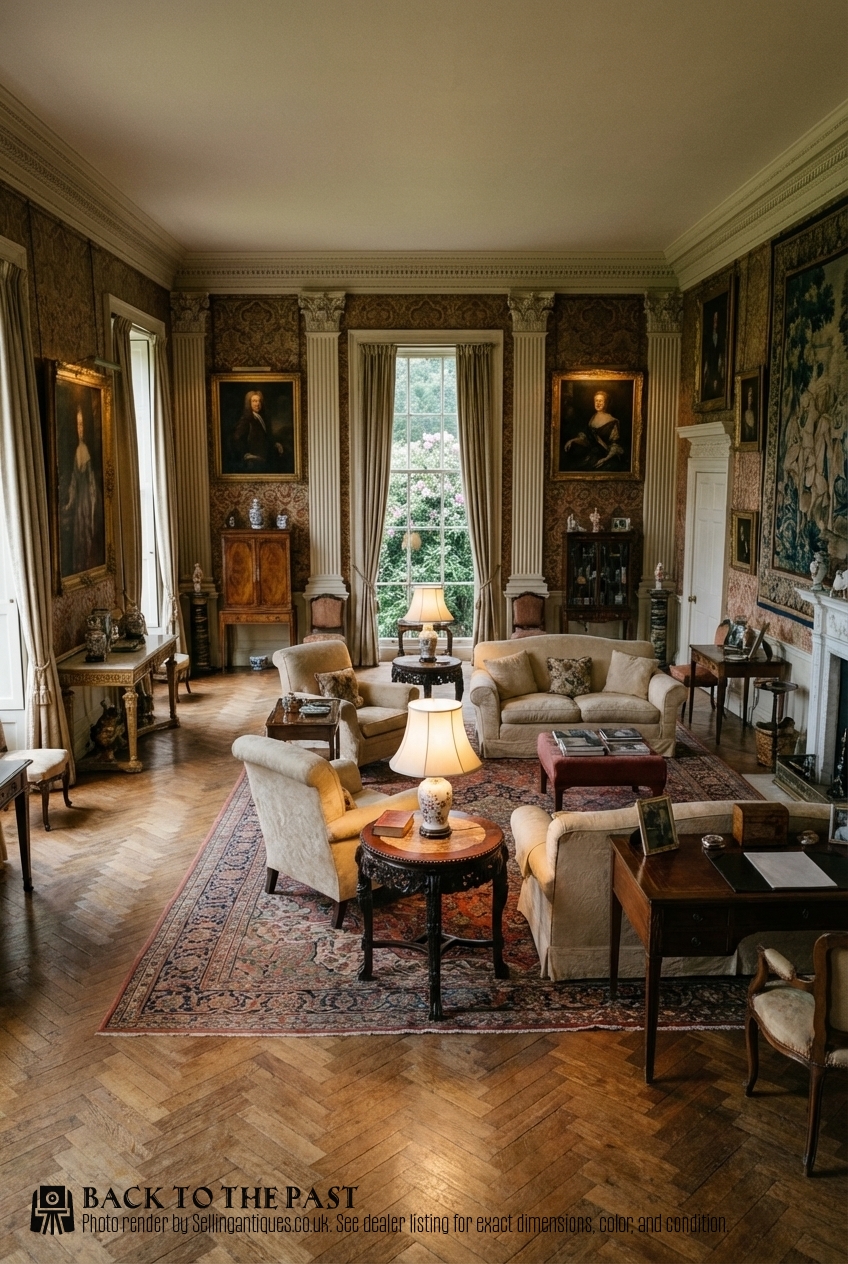
These tables provide a stable elevated surface for holding potted plants, heavy vases, and decorative lamps within a room. Their compact footprints allow them to fit into corners or beside seating without crowding the floor.
Historically, they also functioned as occasional tables for serving tea or displaying prized scholar's objects in the home.
How do I care for antique hardwood furniture?
Maintain these tables by dusting them regularly with a dry, soft cloth and keeping them away from direct heat sources and harsh sunlight. Sudden humidity shifts can cause dense tropical hardwoods and inset marble to expand or contract at different rates.
Apply a light, appropriate wax sparingly only when the timber appears dry, avoiding silicone-based polishes.
Are these tables Chinese or Anglo-Indian?
The listings include both origins, distinguished by their carving styles, wood choices, and decorative motifs. Chinese examples frequently display Qing Dynasty conventions, prunus blossoms, or dragons executed in rosewood, hongmu, or huanghuali.
Anglo-Indian pieces often incorporate bone inlay, brass wire, or padauk timber reflecting British colonial trade patterns of the nineteenth century.