


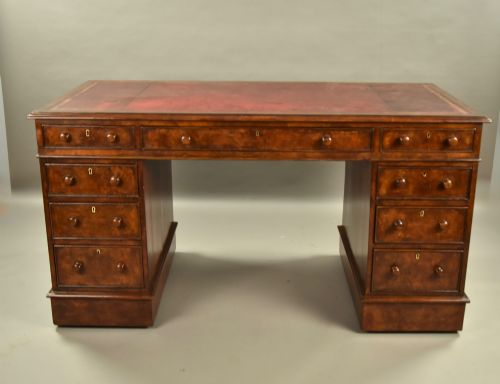
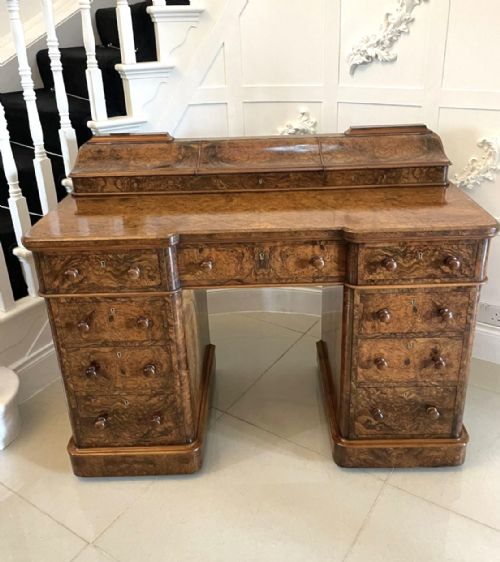
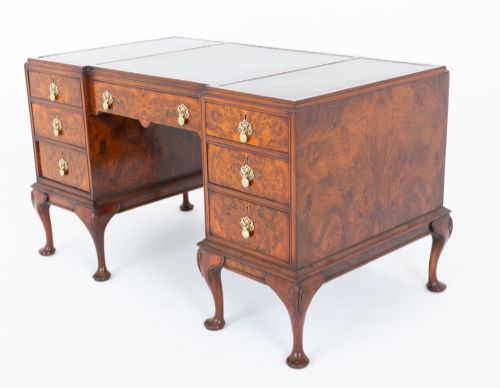
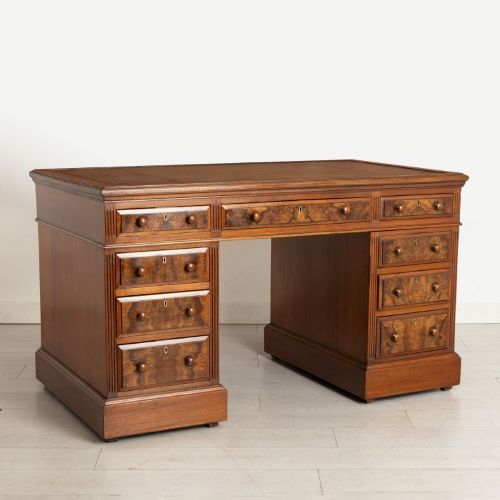
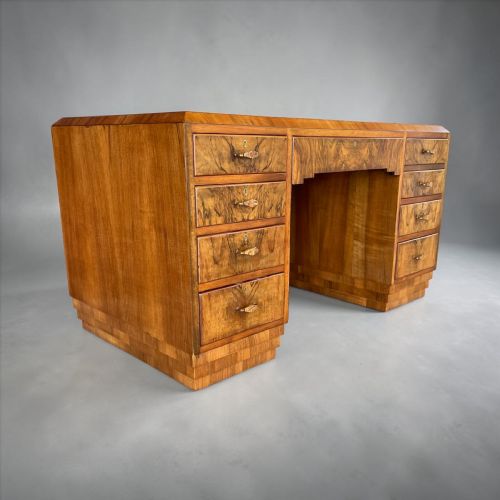
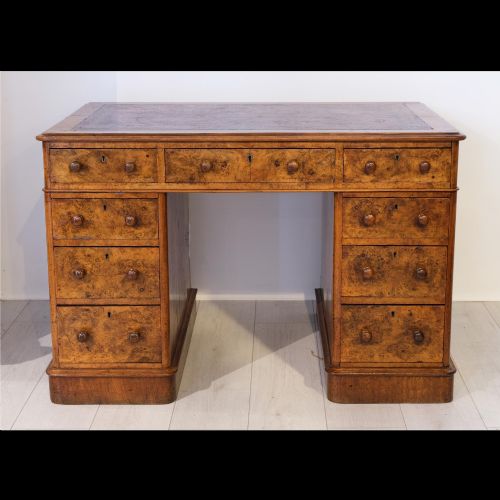
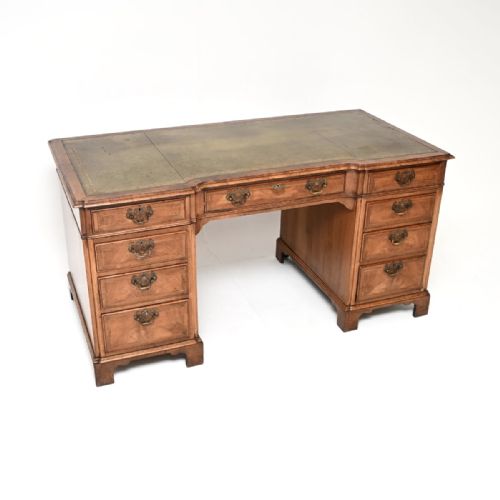
Burr Walnut Executive Desk
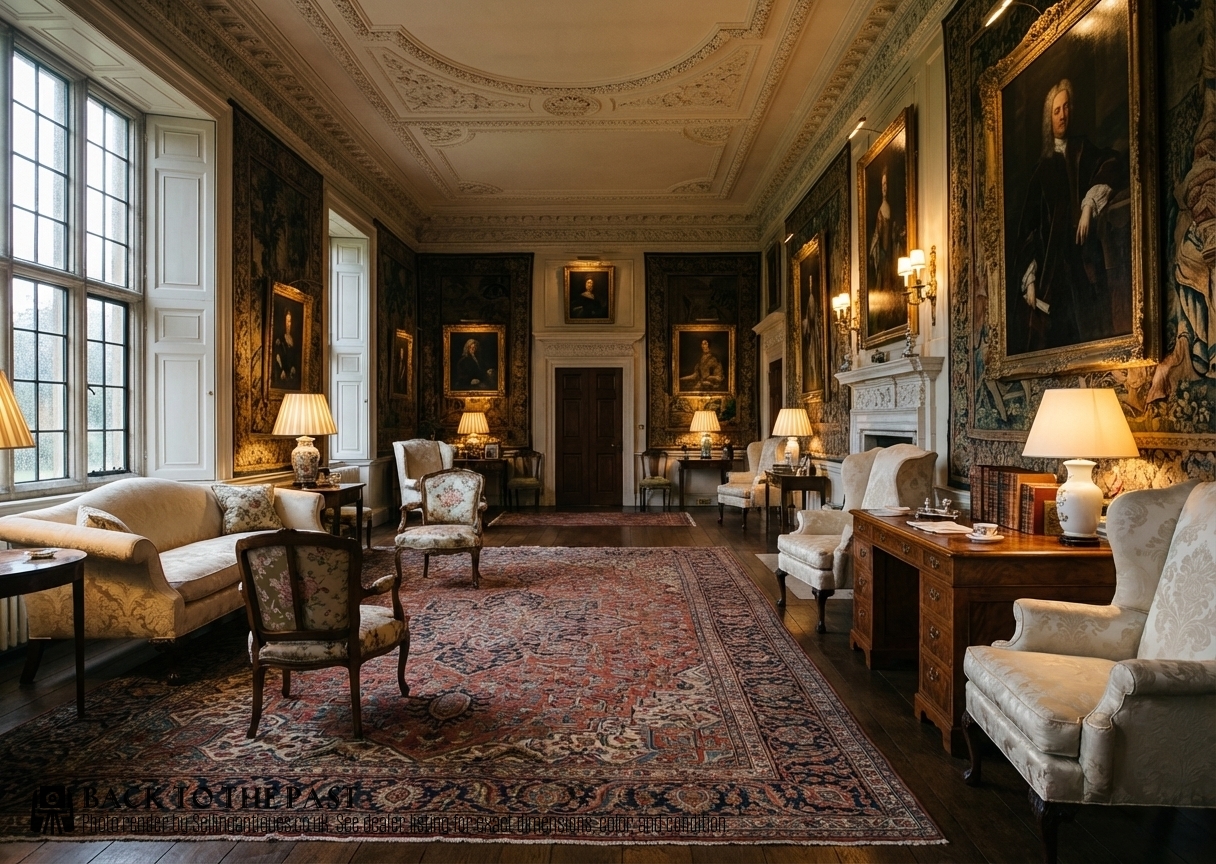
A burr walnut executive desk brings remarkable grain figures and substantial presence into a room, serving as a commanding workspace.
Burr Walnut Executive Desk
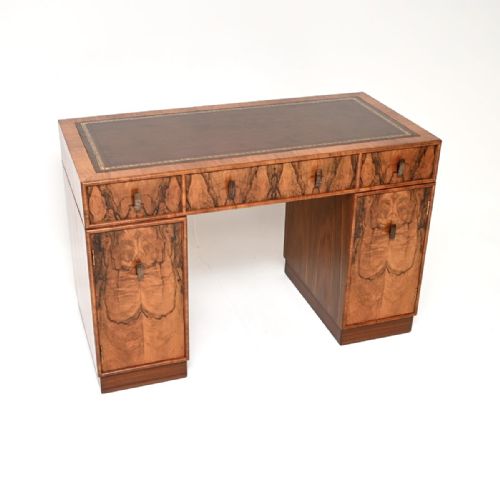
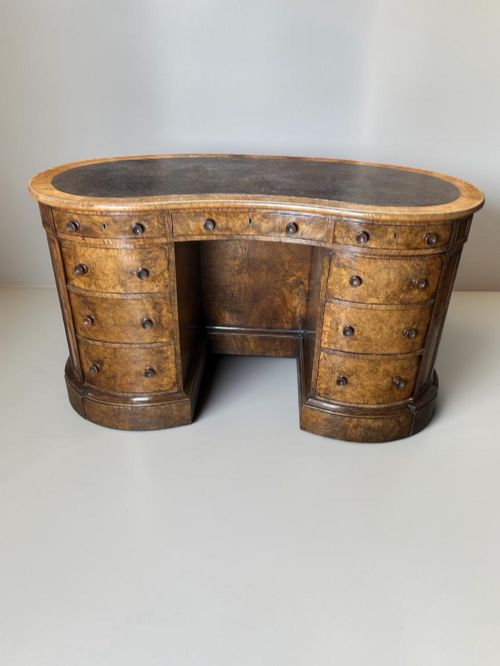
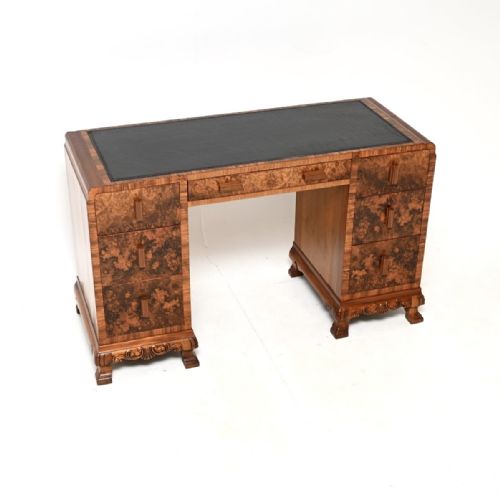
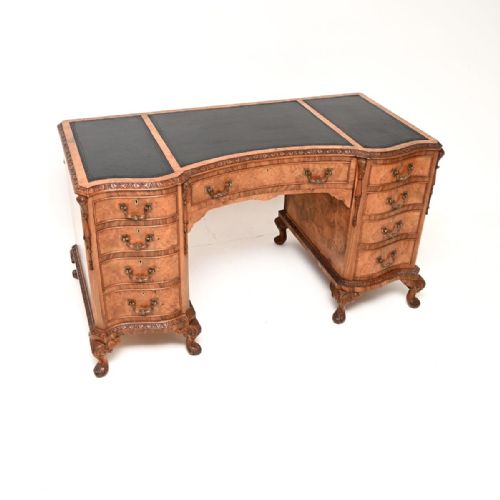
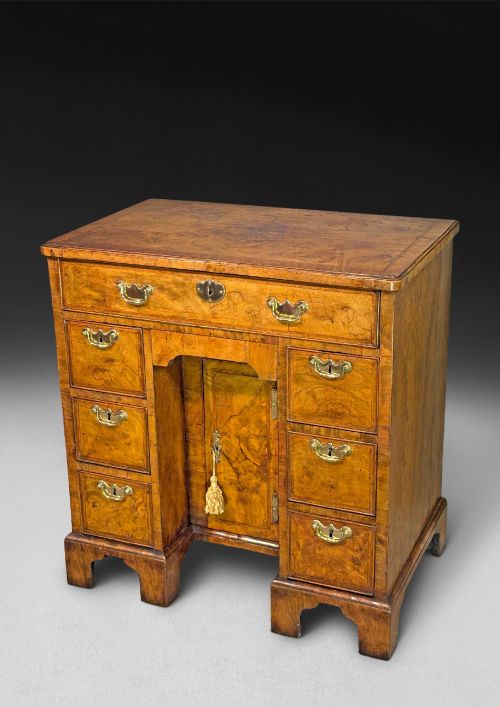
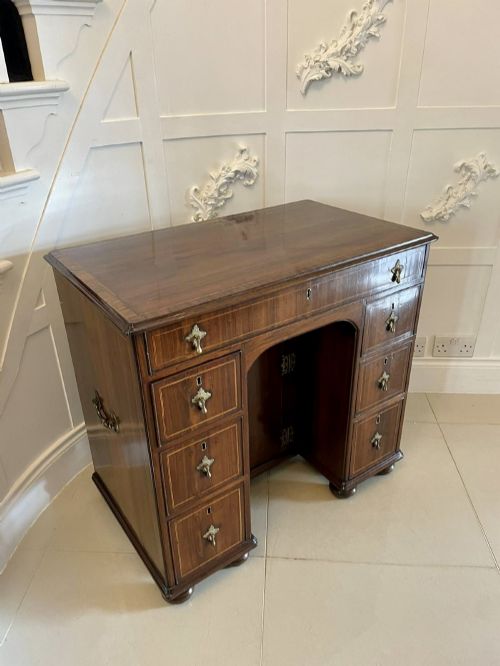
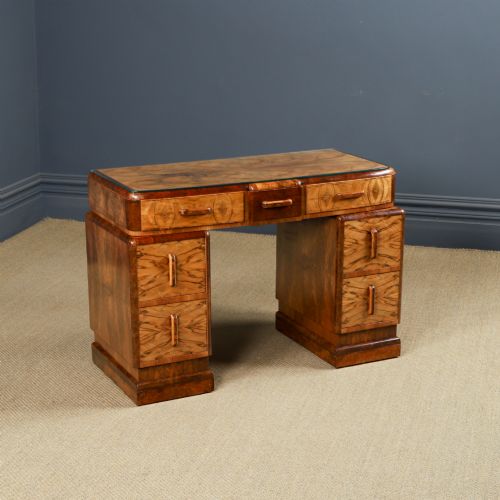
A burr walnut executive desk unites grand proportions with intricate timber veneers, taking the form of pedestal desks, partners desks, and kneehole writing tables. These pieces appear across Victorian, Edwardian, and Art Deco periods, spanning from the mid-nineteenth century through to nineteen thirty.
The heavy pedestal design dominates the selection, featuring banks of drawers flanking a central recess. Makers constructed these large formats using sturdy oak or mahogany carcases overlaid with decorative walnut timbers.
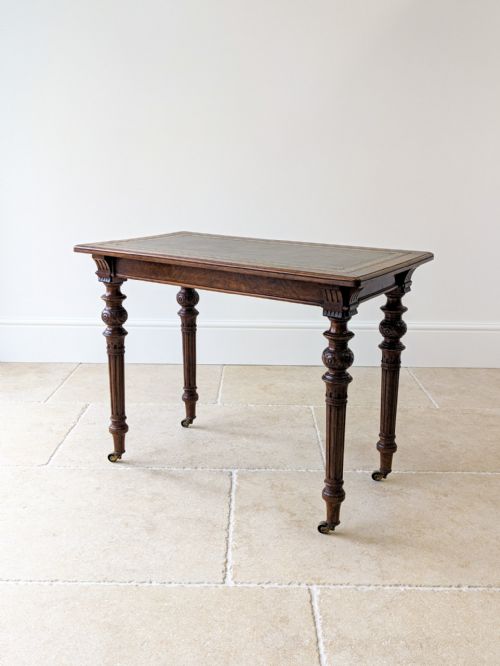
Buyers also encounter lighter writing desks and library tables from the early twentieth century. These variations offer the same distinctive burr figuring while adapting to different spatial requirements.
Materials and construction methods
Craftsmen applied thin veneers of highly figured burr walnut onto stable secondary timbers such as oak and plain walnut. This technique displayed the swirling knot formations of the wood across large flat surfaces like drawer fronts and writing tops.
Many examples incorporate inset tooled leather writing surfaces surrounded by crossbanded borders. Structural stability relied on traditional joinery, whilst brass hardware, ormolu mounts, and glass elements completed the detailing.
Burr Walnut Executive Desk Retail Price Guide 2026
Typical asking prices for burr walnut executive desk among the pieces listed under this phrase on Sellingantiques today, from the lower quarter to the upper quarter. They describe what is for sale here now, not the wider market.
The selection spans from Victorian and Aesthetic Movement pieces of eighteen eighty through to nineteen thirty Art Deco designs.
Distinctions in quality and execution
The complexity and consistency of the burr walnut figuring dictate the visual impact of the piece. Selected veneers match symmetrically across drawer banks, creating a harmonious pattern that lesser examples lack.
Substantial cabinetmaking is evident in the weight of the drawers, the precision of the dovetail joints, and the integration of secondary woods like oak. Original brass fittings and well-preserved leather inserts further elevate the standard of construction.
Maple and Co·Wylie and Lochhead Glasgow·Gillows Lancaster
The Burr Walnut Executive Desk Glossary
- Burr walnut
- A veneer sliced from the distorted growth or burl of a walnut tree. It yields intricate, swirling grain patterns highly prized for decorative furniture fronts.
- Pedestal desk
- A heavy freestanding writing table with two banks of drawers supporting the top. They provide substantial storage on both sides of the central user space.
- Partners desk
- A large double-sided pedestal desk designed for two people to work opposite one another. Drawers and cupboards are duplicated on both faces.
- Kneehole desk
- A compact desk featuring a central recessed space for the legs beneath a single drawer. A bank of smaller drawers sits on either side.
- Ormolu
- Gilded bronze ornamentation applied to furniture. It provides metallic contrast against dark timber surfaces on mid-nineteenth century pieces.
Burr Walnut Executive Desk: Frequently Asked Questions
How do I clean the leather top?
Wipe the leather gently using a slightly damp cloth without excess water. Apply a suitable leather cream periodically to maintain suppleness and prevent cracking.
Avoid harsh chemical cleaners or abrasive pads that damage the gold tooling along the border.
Where should I place a partners desk?
Position a partners desk in the centre of a room where both sides remain fully accessible. This arrangement displays the dual-facing drawers and timber grain to best effect.
Ensure adequate clearance around all edges for chairs and movement.
How do I identify Victorian pieces?
Examine the secondary woods inside the drawers, where Victorian cabinetmakers frequently utilised oak or pine. Heavy proportions, deep mouldings, and darker walnut tones typify nineteenth-century production.
Check for hand-cut dovetails and traditional timber shrinkage consistent with age.
What maintenance does burr walnut require?
Keep wooden surfaces away from direct sunlight and heat sources to prevent the veneer from drying or splitting. Dust regularly with a soft, dry cloth.
Apply occasional quality beeswax to nourish the timber and preserve the polished finish.