
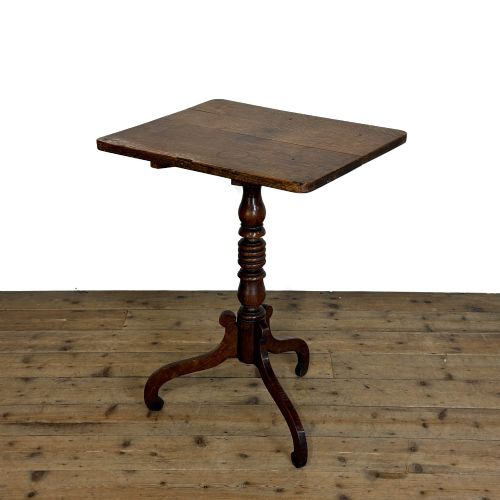
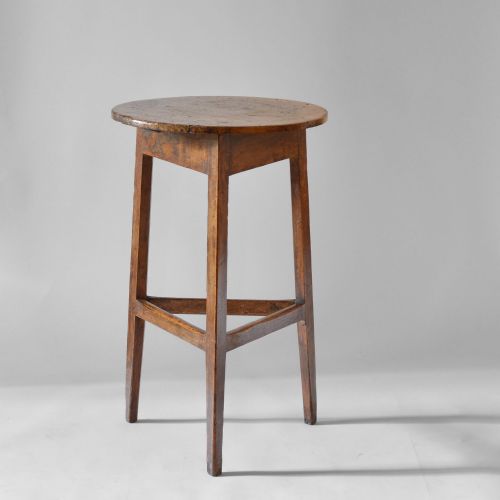


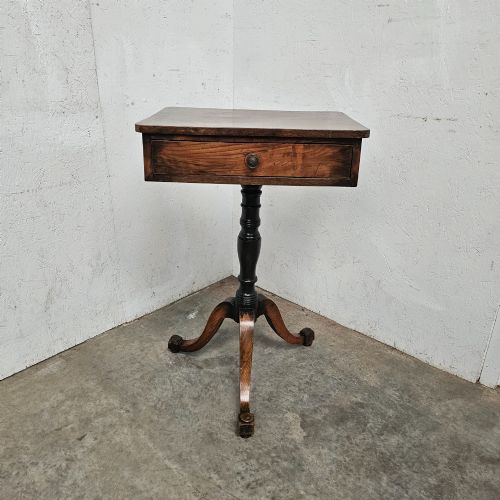
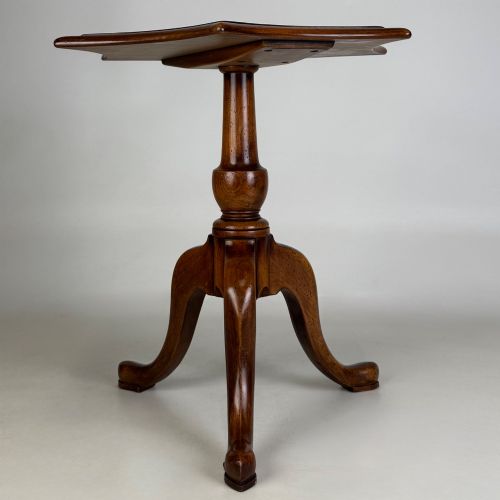
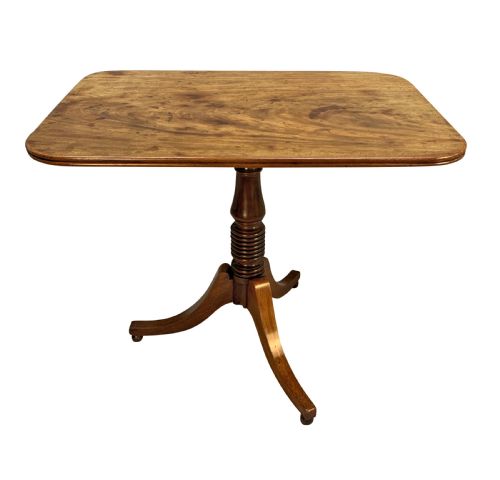
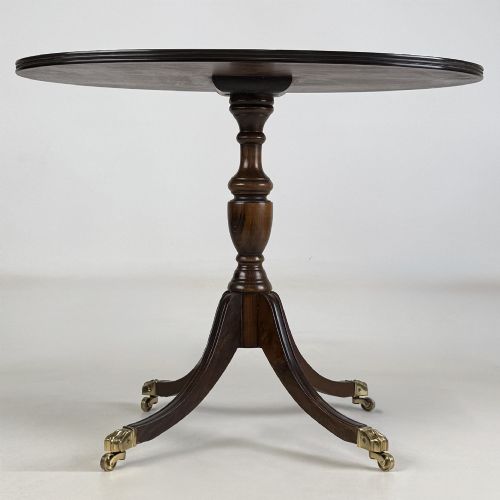
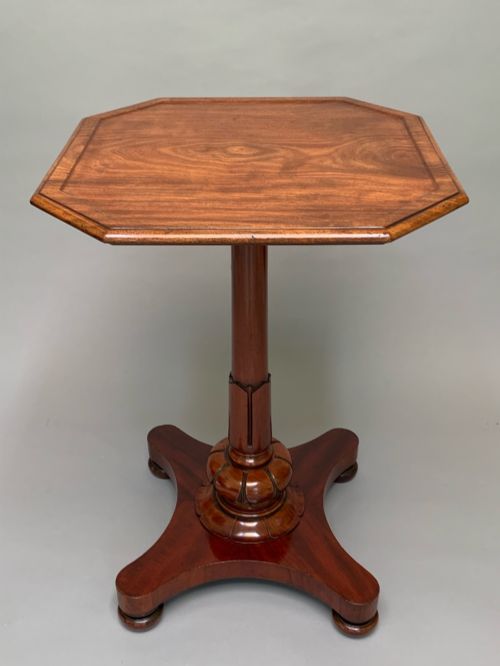
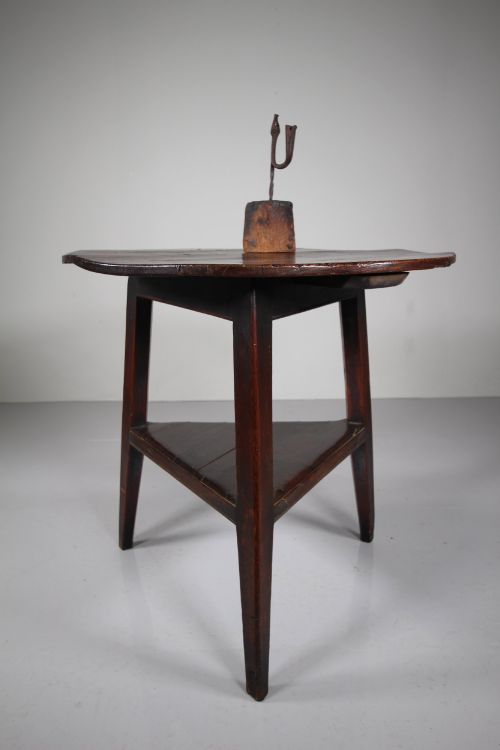
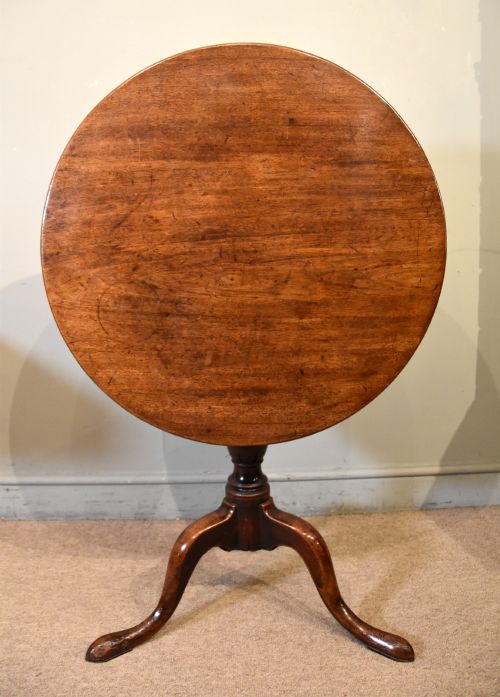
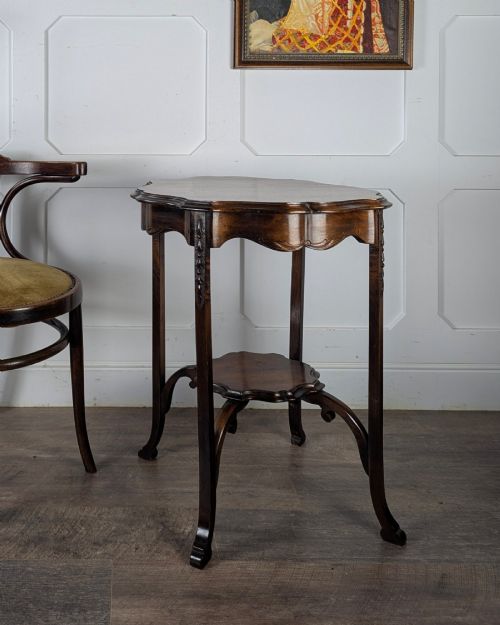
Brown Wooden Wine Table
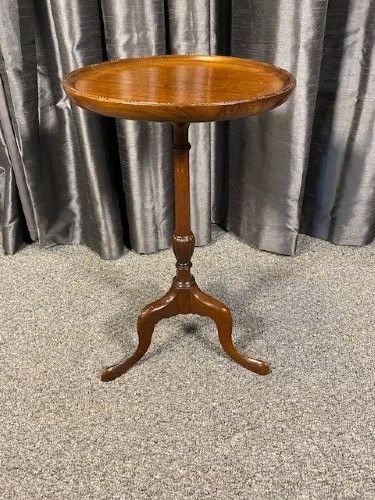
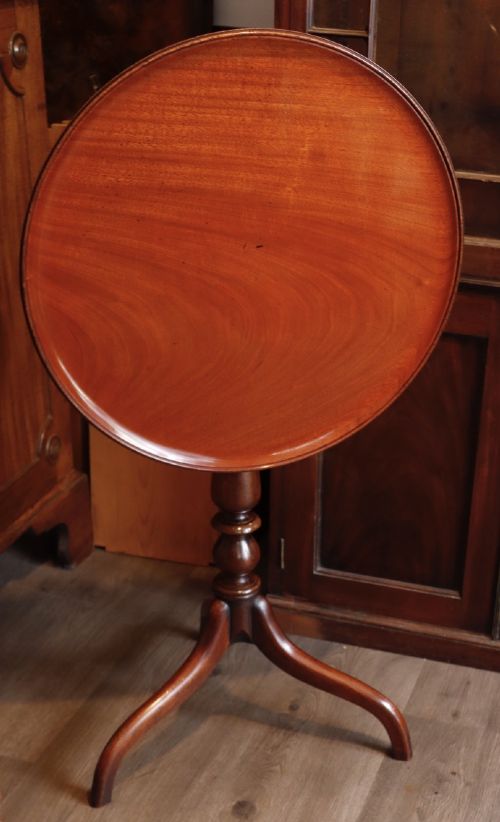
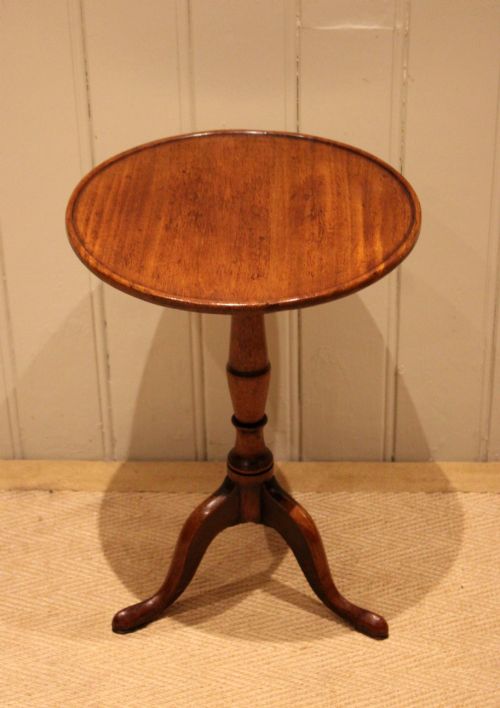
A brown wooden wine table is a compact pedestal stand built to hold a single glass or bottle, bringing portable elegance to any corner.
What They Are
A brown wooden wine table serves as a small, highly portable surface designed centuries ago for convenience near a chair or hearth. The examples gathered under this search phrase span the Victorian era, the Regency period, and the nineteenth century, alongside specific dates like 1850, 1860, 1870, and 1910.
Most pieces encountered here take the form of tripod tables or pedestal stands, though side tables and occasional tables also appear. Makers and workshops produced these in various timbers, creating both round tops and distinct flower-shaped surfaces.
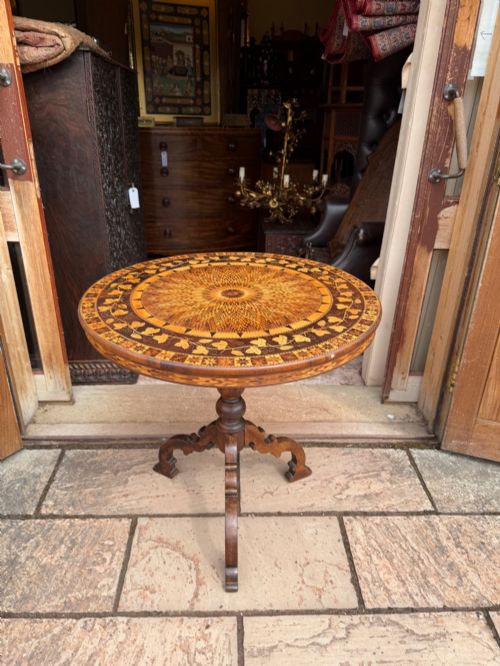
Origins stretch from standard British cabinet making traditions to Anglo-Indian and North Indian workshops. Buyers find both simple domestic pieces and heavily inlaid variants suited for display.
How They Were Made
Cabinet makers utilised a rich palette of timbers recorded in the listings, including mahogany, walnut, fruitwood, hardwood, and thuyawood. These native and exotic woods provided sturdy foundations for slender pedestals and balanced tripod legs.
Surface decoration frequently involved intricate satinwood inlay and marquetry inlay to pattern the tops. Selected pieces also incorporated paint and gilt accents to catch the candlelight of period drawing rooms.
Retail Price Guide 2026
Typical UK retail prices for brown wooden wine table, calculated from the Sellingantiques database of over a million retail prices indexed since 2003. This retail price guide relies exclusively on Sellingantiques data; no external sources or auction records are used, so the figures do not describe the wider market.
At least one nineteenth century maker turned a tabletop into a flower shape, ensuring the furniture bloomed long before any vase was placed upon it.
What Varies in Quality
The choice of structural form also dictates standing merit, where a well-proportioned tripod base securely supports the pillar without wobble. Attribution to documented workshops introduces another layer of distinction.
Gillows
The Brown Wooden Wine Table Glossary
- Tripod table
- A small stand supported by a central pillar resting on three spreading feet. This design became standard for eighteenth and nineteenth century wine tables.
- Marquetry inlay
- Decorative patterns formed by fitting small pieces of veneer into a prepared wooden surface. Cabinet makers used this to create floral or geometric motifs.
- Thuyawood
- A fragrant citrus-family timber valued for its dense, mottled grain patterns. Regency makers occasionally utilised it for top-tier occasional furniture.
- Pedestal table
- Any single-pillar stand holding a raised top. These items saved floor space in period drawing rooms.
Frequently Asked Questions
What is a brown wooden wine table used for?
These compact stands originally held wine glasses and bottles beside seating areas during evening gatherings. Today, they serve equally well as bedside surfaces or display points for small decorative objects.
Their minimal footprint allows them to fit easily into narrow spaces where standard side furniture cannot go.
How do I identify the age of these tables?
Dating relies on observing construction methods, timber choices, and stylistic markers associated with periods like the Regency and Victorian eras. Dates such as 1850 or 1910 often reflect documented design traits or specific workshop years.
Examining the underside and joint construction provides further clues to the manufacturing decade.
Where were these tables made?
The listings show pieces originating from British cabinet makers as well as North Indian workshops. Each region applied distinct regional wood choices and decorative carving traditions.
Local timber availability directly influenced whether a maker selected mahogany, walnut, or native fruitwood.
How do I care for inlaid wooden tops?
Inlaid surfaces require gentle dusting with a dry cloth and protection from direct sunlight and excessive moisture. Avoiding harsh chemical polishes preserves both the veneer and the underlying timber.
Maintaining stable room humidity prevents the delicate inlay work from lifting over time.