
Brown Standing Clock
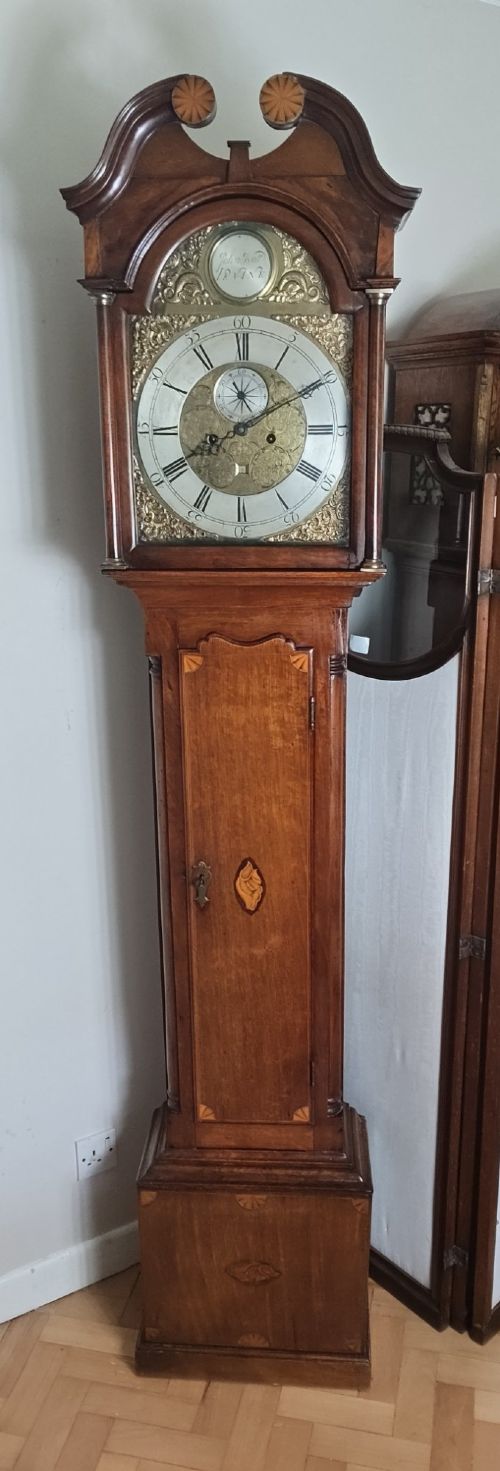
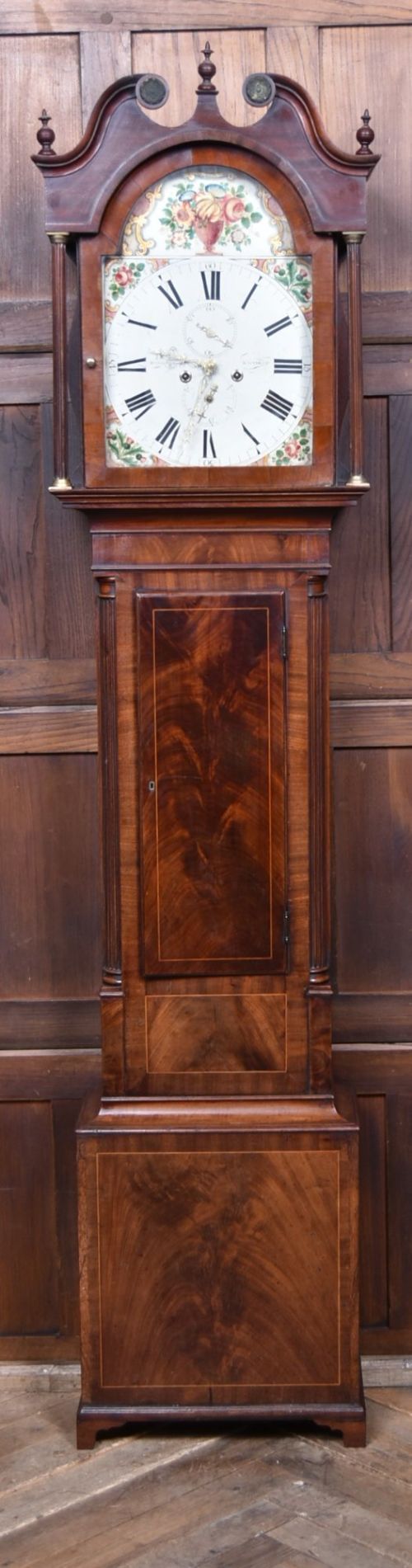
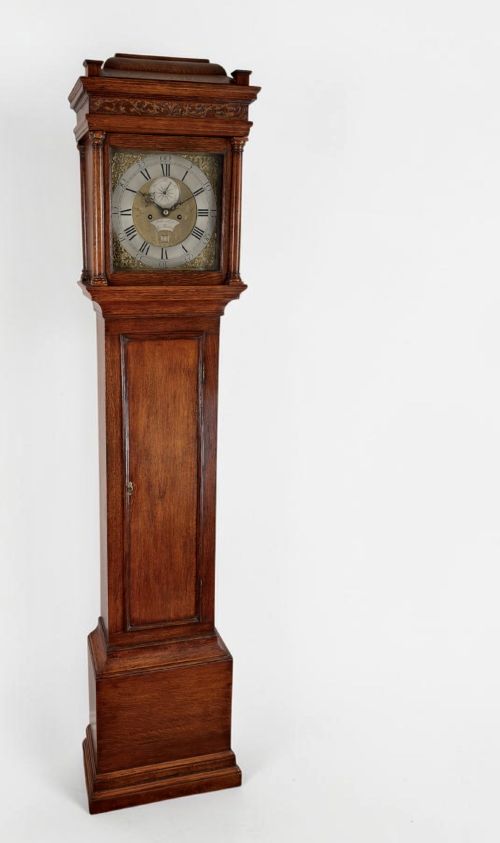
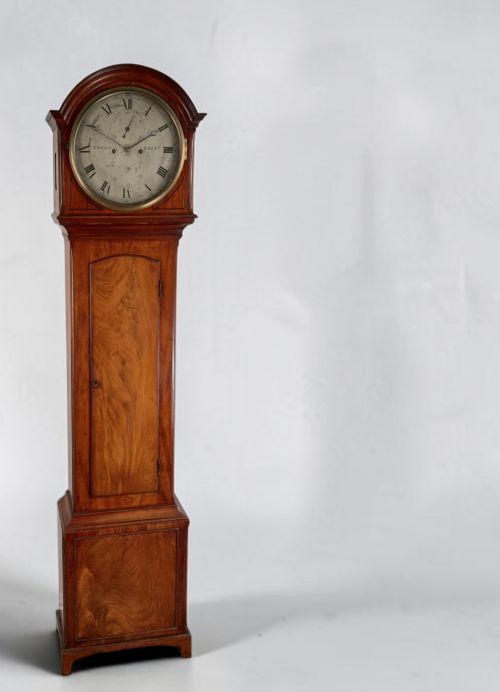
These brown standing clock pieces span oak and mahogany cases housing precision movements, offering traditional timekeeping for rooms with high ceilings.
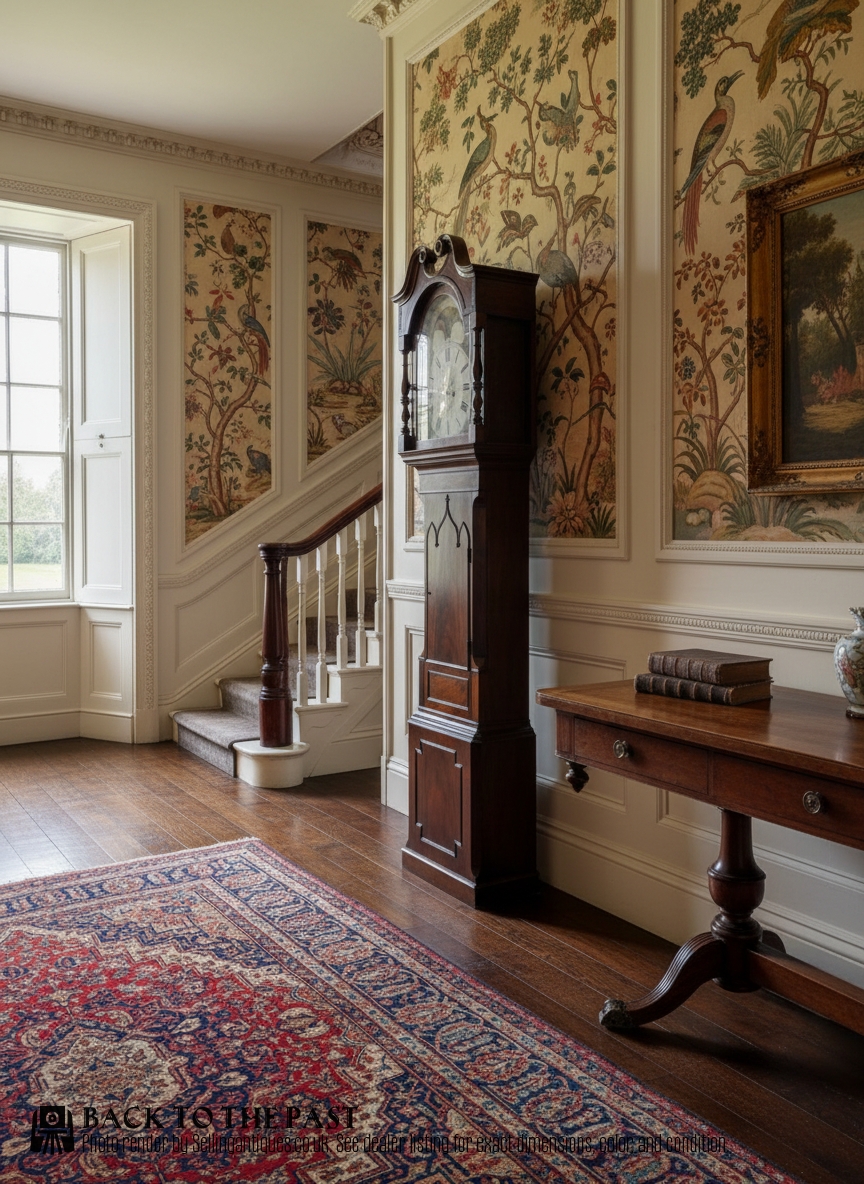
Brown Standing Clock
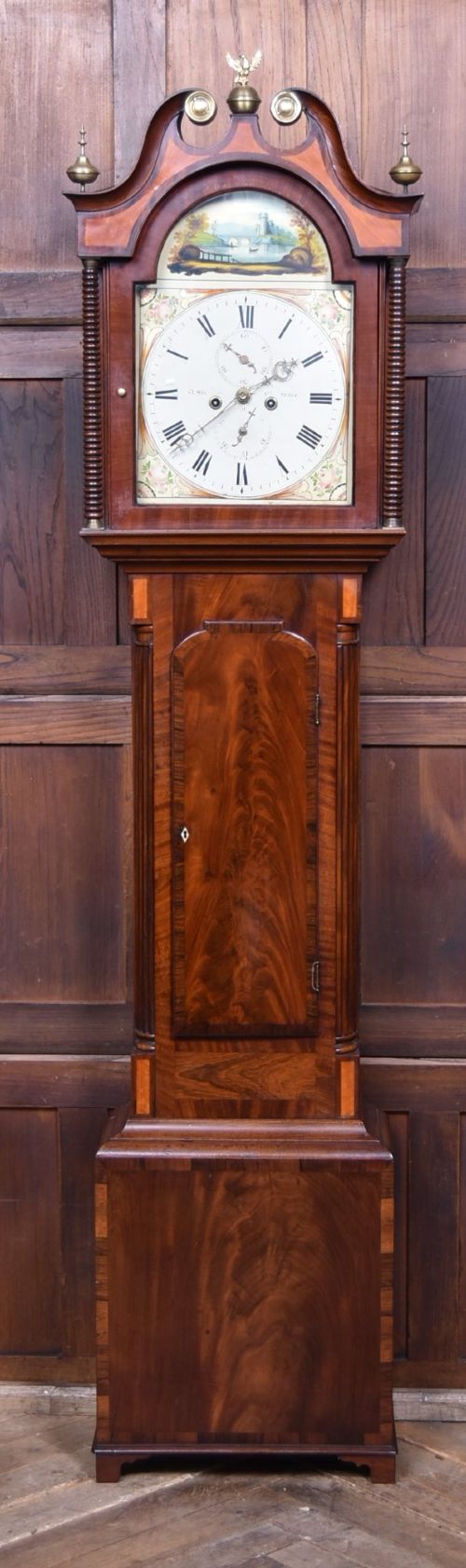
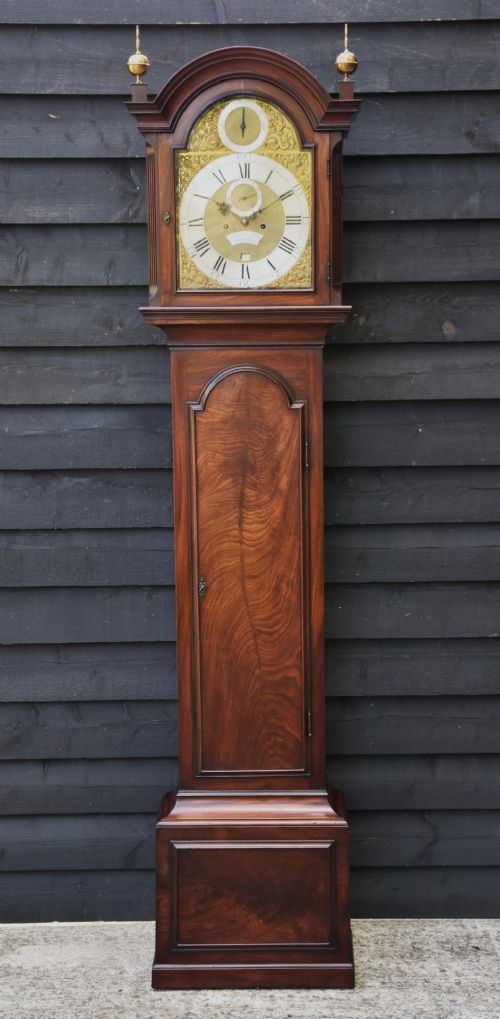
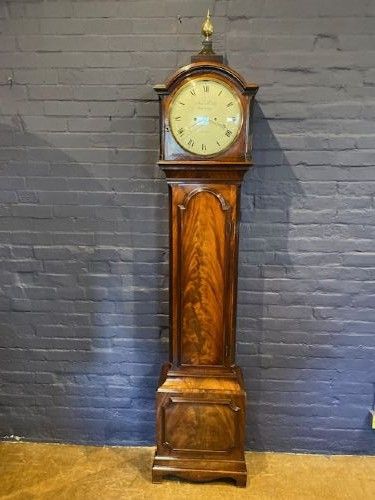
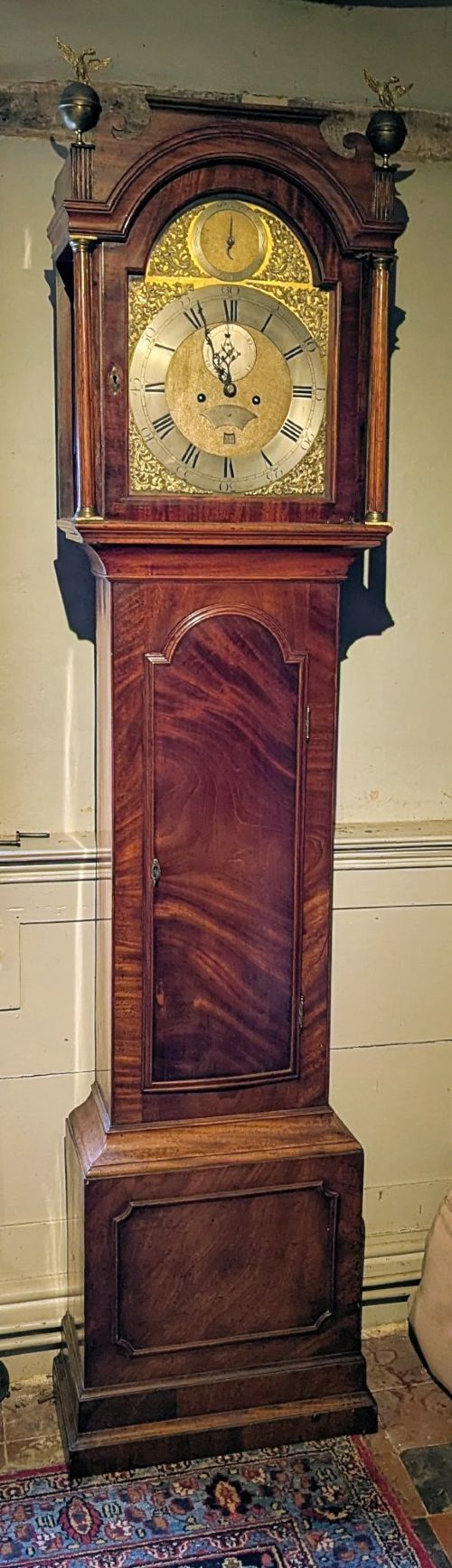
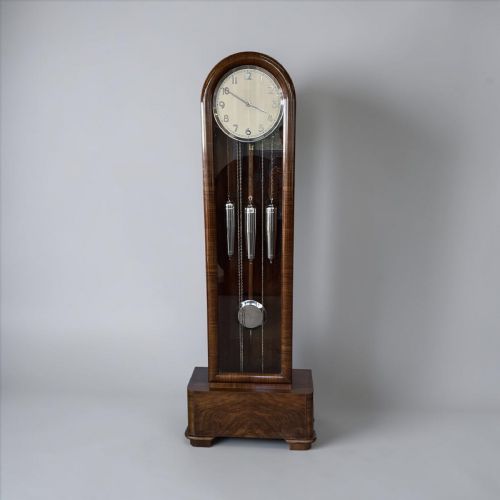
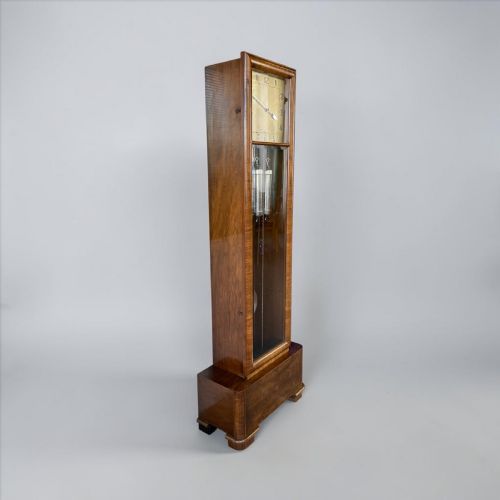
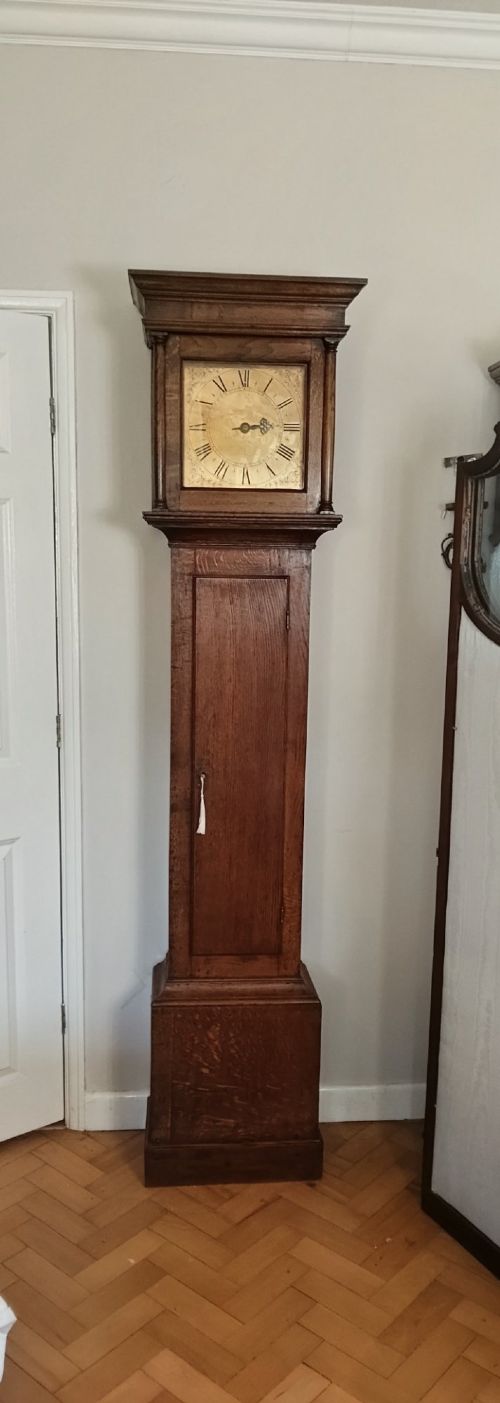
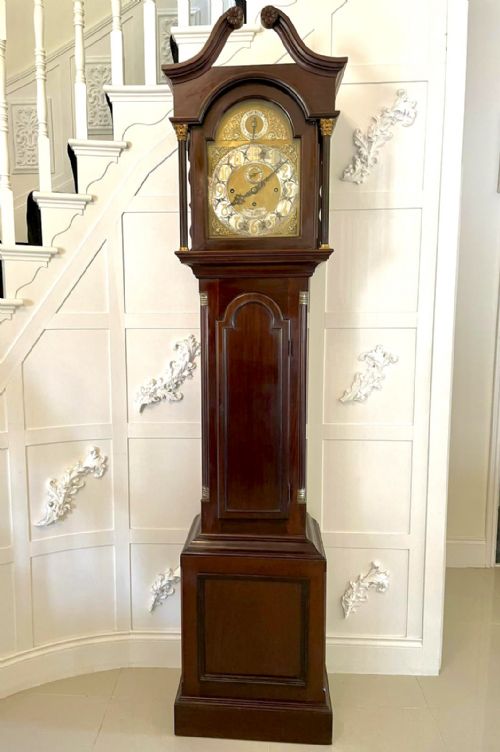
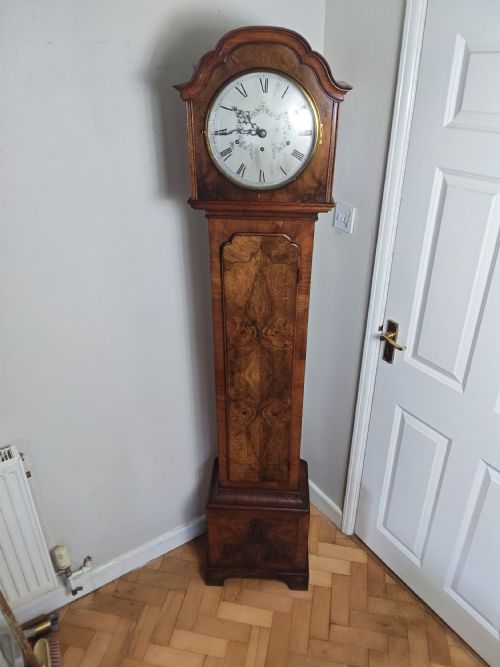
A brown standing clock encompasses tall floor-standing timepieces commonly known as longcase, grandfather, grandmother or granddaughter clocks, appearing across Georgian, Victorian, Edwardian and Art Deco periods. These vertical wooden cases house weighted or spring-driven movements designed to stand upright against a wall in domestic rooms.
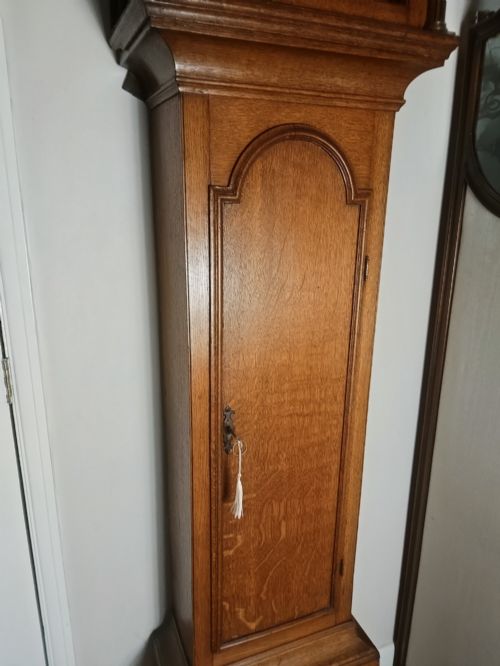
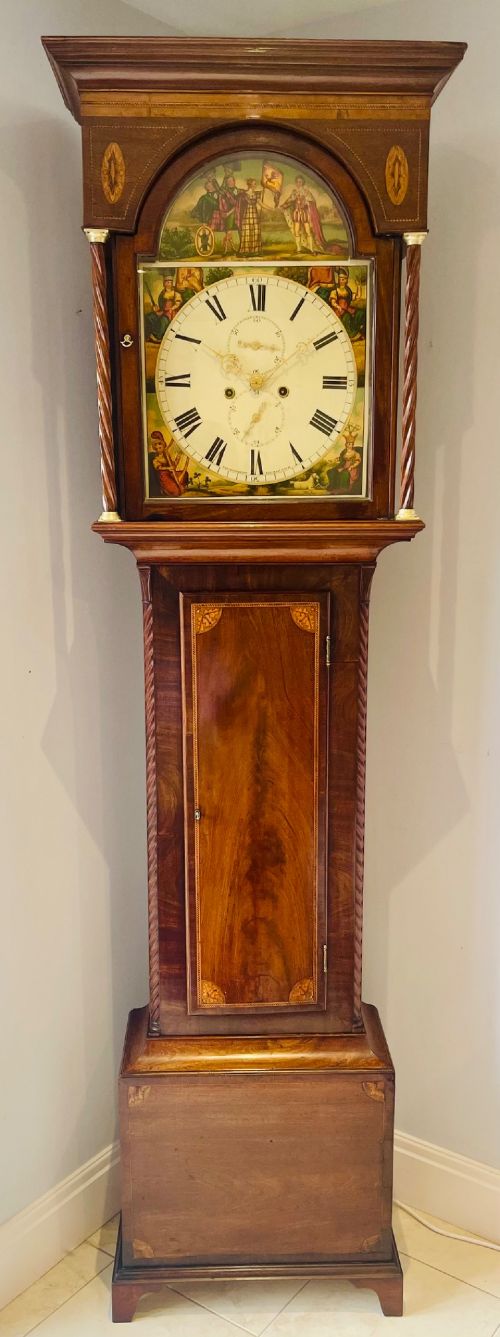
The versions most frequently met on this page include mahogany and oak examples from the eighteenth and nineteenth centuries, alongside walnut and inlaid specimens from later eras. Makers from London, provincial English towns and Scottish burghs feature among the selections.
Object variations range from full-sized eight-day longcase clocks with brass dials to smaller grandmother and granddaughter variants produced in the twentieth century. Regional differences appear in wood choice, dial decoration and case proportions.
Materials and construction methods
Cabinetmakers constructed the tall cases primarily using solid timbers of mahogany, oak and walnut, frequently applying veneers, quarter-veneer panels or decorative banding to enhance the wood grain. Brass and painted iron formed the circular or arched dials, while glass protected the dial face and trunk door.
Internal mechanical components combined brass wheels, steel pinions and iron weights, set within heavy wooden trunk frames to ensure stable timekeeping. Dial faces incorporated engraved numerals, brass spandrels, painted moon rollers or calendar apertures.
Materials range from solid mahogany and oak to burr walnut and painted iron dials.
Distinctions in craftsmanship
Superior examples of a brown standing clock exhibit refined timber selection, such as figured mahogany or burr walnut veneers, paired with crisp dial engraving and signed movements by recorded makers. Secondary grades often utilise simpler regional timbers like plain oak with minimal decorative detailing.
Complexity of movement separates standard timepieces from higher-tier pieces that incorporate striking trains, musical chimes, moon rollers or multiple weights. The harmony between proportion, casework joinery and dial finishing determines the overall merit of each individual clock.
Hendrie Ogg Dunfermline·Lee of Great Marlow·Green of Edinburgh·D Straiton Montrose·James McCabe·Winsor Bishop Norwich·D Williams of Crickhowell·Matt Wylie Paisley·Thomas Webbe of New Quay·Edin Burgis of London·Langley Bradley·Edward Upjohn Exon
The Brown Standing Clock Glossary
- Longcase clock
- A tall, floor-standing timepiece enclosed in a wooden case with a weighted movement, commonly called a grandfather clock.
- Grandmother clock
- A smaller, scaled-down version of a longcase clock, typically produced in the twentieth century.
- Granddaughter clock
- An even more compact floor-standing clock variant, often dating from the Victorian or Edwardian periods.
- Moon roller
- A revolving mechanical disc behind the dial that tracks the phases of the lunar cycle.
- Spandrel
- An ornamental corner piece applied to the dial face, cast in brass or painted onto the metal surface.
Brown Standing Clock: Frequently Asked Questions
Where should I place a brown standing clock?
These tall timepieces require a level floor and a stable interior wall to support the heavy wooden case and plumb the pendulum accurately.
Avoid placing them in areas subject to dampness or direct sunlight, which can damage timber veneers and brass movements over time.
What is the difference between a grandfather and grandmother clock?
Grandfather clocks are full-sized longcase timepieces standing over six feet tall, dating mostly from the eighteenth and nineteenth centuries.
Grandmother clocks are significantly shorter variants built with smaller movements, appearing more frequently in twentieth-century designs.
How do I identify the period of a case?
Examine the primary timber, hardware style and dial construction, noting whether the wood is eighteenth-century figured mahogany or later Art Deco walnut.
Signatures inscribed on the dial often reference recorded regional makers who worked within specific historical decades.