




Victorian Precision Clock
A victorian precision clock offers remarkable timekeeping accuracy, housed in a handsome timber case designed to anchor a room.
Victorian Precision Clock
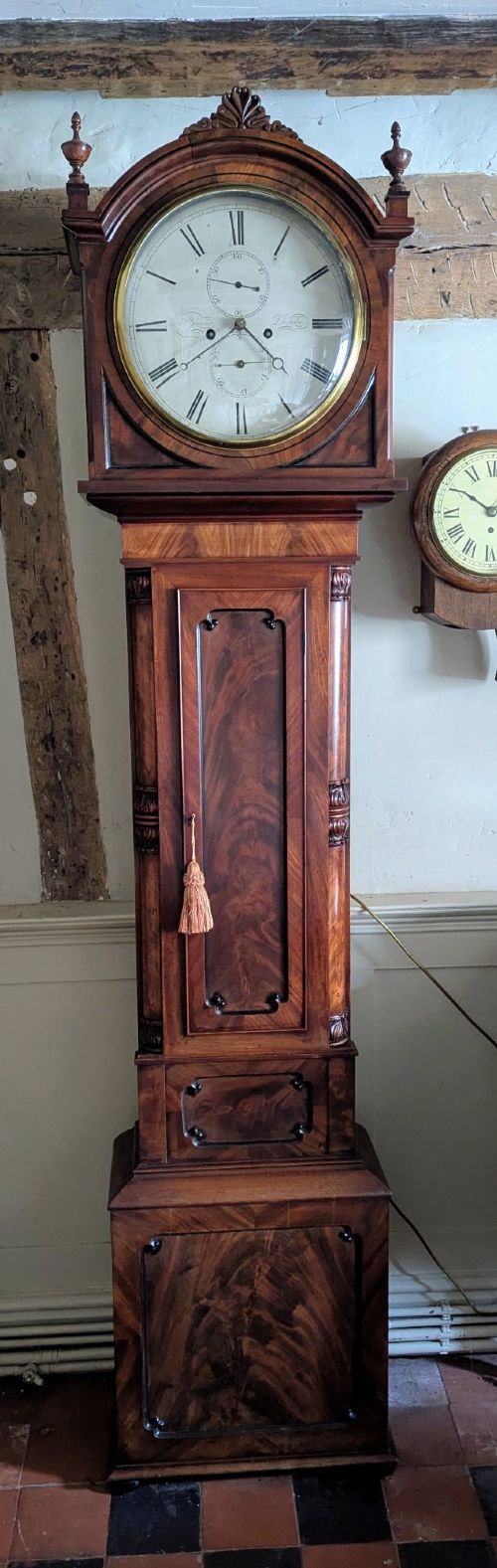
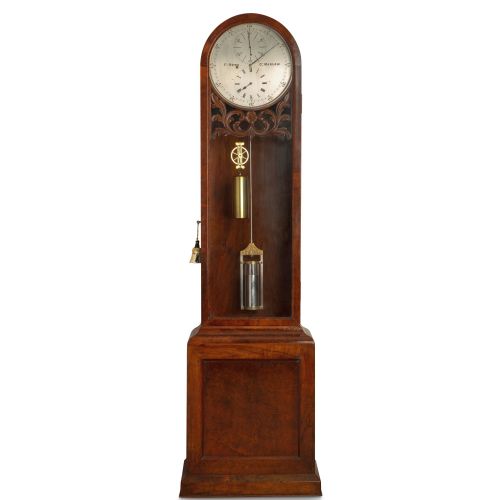
When you search for a victorian precision clock, you encounter tall and striking timepieces engineered for exceptional exactitude rather than mere decoration. These regulator clocks stand as the primary form available on this page, representing a serious technical pursuit from the nineteenth century.
The pieces on offer span the nineteenth century, incorporating periods like the Regency era alongside Victorian examples. Most items appear as longcase clocks, though wall clocks also feature.
Makers recorded in the evidence range from provincial watchmakers in Aberdeen, Glasgow, Great Marlow, Leicester, and Oxford to the French Royal Exchange. These diverse origins reflect a widespread British and European demand for dependable domestic time measurement during the period.
How they were made
Cabinetmakers housed these precision movements in tall architectural housings constructed from mahogany, flame mahogany, walnut, and ebonised wood. Arched cases and glazed panels protected the delicate internal mechanisms while displaying the pendulum and weights.
Dials typically feature silvered metal and enamel markings for clear legibility, paired with intricate brass components within the movement. Month-duration mechanisms demanded meticulous gear cutting and assembly by skilled horologists.
Listings feature mahogany, flame mahogany, walnut, and ebonised wood cases housing nineteenth-century precision movements.
What varies in quality
The distinction between standard and superior examples lies in the refinement of the movement and the grade of timber selected for the case. Month-duration movements and pieces signed by notable makers command greater respect among collectors.
Cabinet work demonstrates quality through the selection of figured flame mahogany or walnut veneers and the crispness of architectural mouldings. The legibility and execution of the silvered metal dial further separate ordinary workshop output from master craftsmanship.
William Chisholm Of Aberdeen·Pearce And Sons·Aitchison Of Glasgow·Frederick Rowe Of Great Marlow·Richard Rowell Of Oxford
The Victorian Precision Clock Glossary
- Regulator
- A precision pendulum clock designed to maintain extreme accuracy and serve as a standard for setting other timepieces. These mechanisms typically feature a large silvered dial with separate subsidiary dials for hours, minutes, and seconds.
- Longcase clock
- A tall freestanding weight-driven clock enclosed in a wooden case with a pendulum hanging in the trunk. Often known colloquially as a grandfather clock, this form protects the delicate pendulum from air currents.
- Month duration
- A mechanical movement engineered to run for thirty days on a single winding rather than the standard eight hours or one week. This capability requires complex train work and meticulous calibration.
- Silvered metal
- A brass dial plate treated with a silver compound to produce a matte white finish that highlights engraved numerals and inscriptions. This finish reduces glare and improves readability in varying light conditions.
- Flame mahogany
- A highly figured wood veneer sliced from timber where the branch meets the trunk, displaying a distinctive feather pattern. Cabinetmakers reserved this material for the principal facades of finer clocks.
Victorian Precision Clock: Frequently Asked Questions
What is a regulator clock?
A regulator is a precision timekeeper designed for extreme accuracy, often used as a standard to set other clocks in a household or workshop. These pieces utilise deadbeat escapements and heavy pendulums to minimise friction and error.
They represent the pinnacle of nineteenth-century horological achievement, prized by collectors for their technical sophistication and clean, functional aesthetic.
How do month duration clocks work?
Month duration clocks feature specialised gear trains and heavier weights that allow the movement to run for thirty days between windings. This complex arrangement demands greater mechanical precision than a standard eight-day clock.
Craftsmen engineered these systems for institutional settings or wealthy households where frequent winding was impractical.
Where were these clocks placed?
Longcase precision clocks stood in hallways, libraries, or administrative rooms where stable temperatures and solid walls protected the pendulum from disturbance. Their imposing height and architectural cases made them a focal point of interior decoration.
Wall-mounted versions offered an alternative for spaces where floor area was restricted.
How do I maintain a Victorian clock?
Regular care involves winding the movement gently at consistent intervals and ensuring the case remains level on a solid floor. Environmental stability is crucial, as wood and metal respond to changes in humidity and temperature.
Professional servicing every few years ensures the pivots and gears remain clean and properly lubricated.