



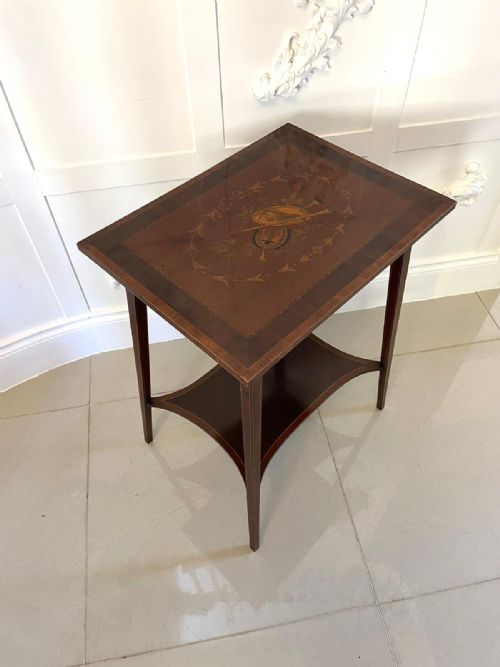
Brown Satinwood Side Table
A brown satinwood side table brings light, figured timber and refined neoclassical styling into a room, offering both a useful surface and a decorative focal point.
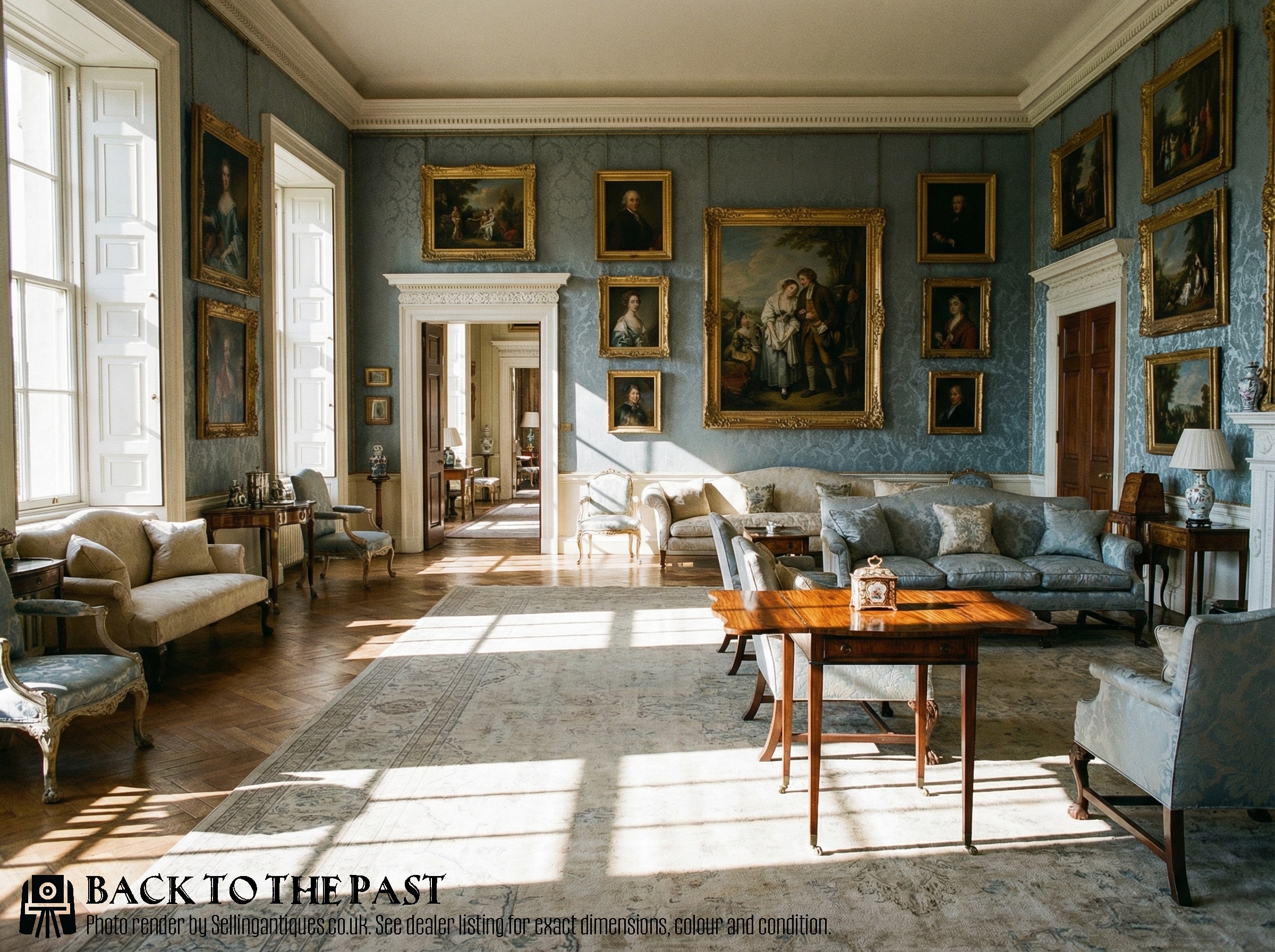
Brown Satinwood Side Table
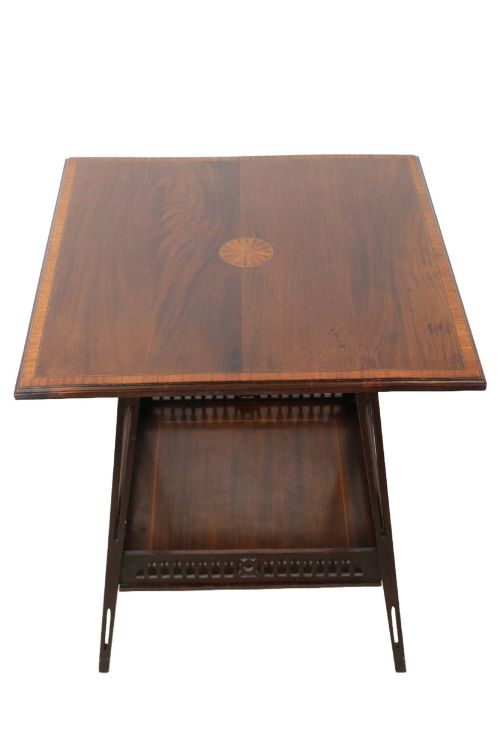
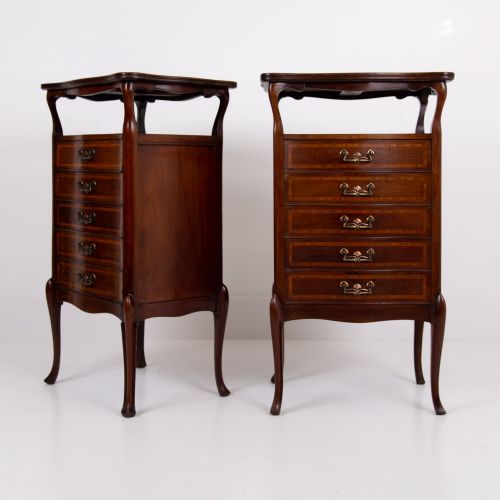
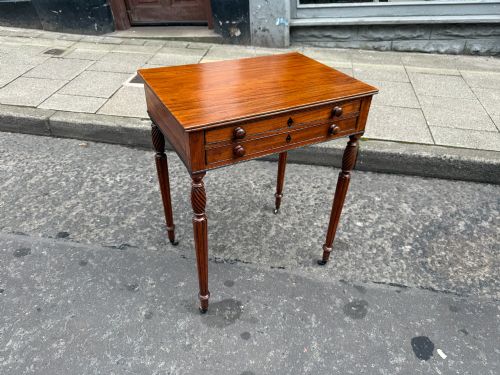
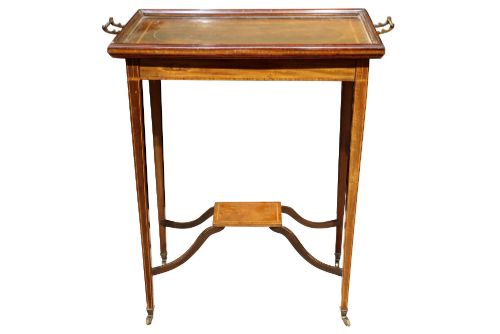
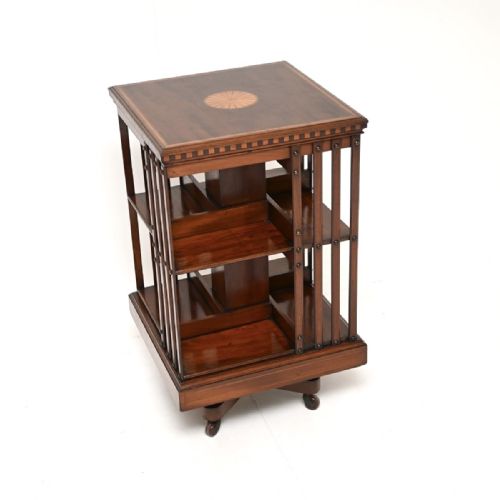
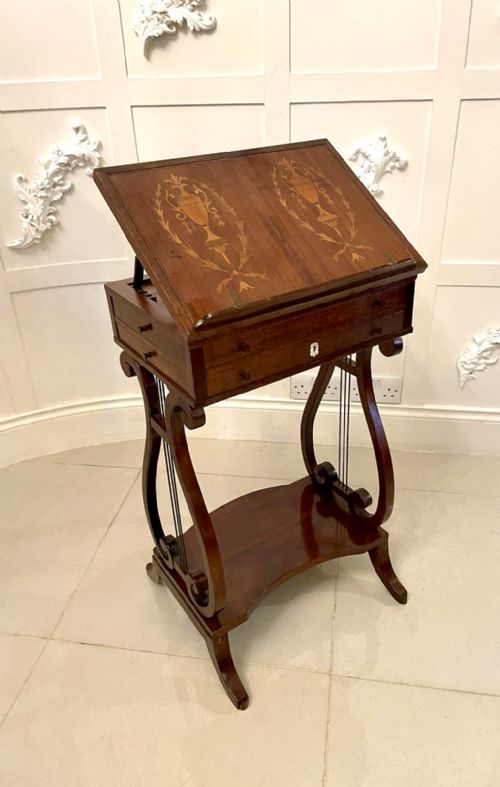
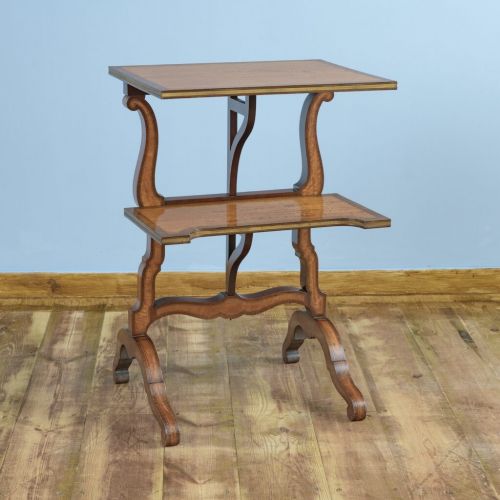
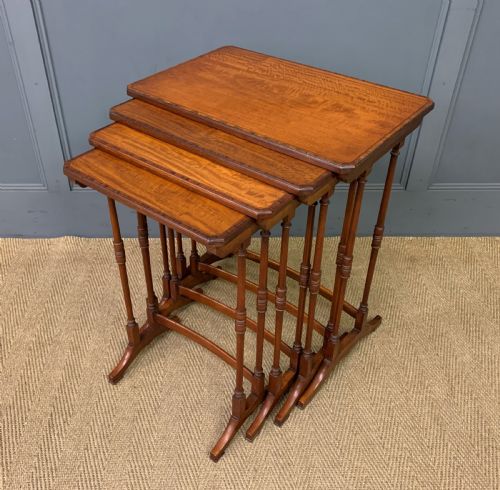
A brown satinwood side table is an item of domestic furniture designed for surface utility and decorative presence in a room. These pieces appear in forms ranging from simple occasional and lamp tables to nests of four tables, pembroke tables, and fold-over tea tables.
The pieces on this page span several key periods, predominantly the Edwardian era and the nineteenth century, alongside eighteenth-century George III and Sheraton examples. Buyers seeking this phrase frequently encounter Edwardian mahogany furniture enhanced with satinwood inlay or crossbanding, as well as solid satinwood or veneered pieces from earlier Georgian and Regency periods.
Makers and designers drew heavily on classical vocabularies, producing works in Sheraton, Regency, and Louis XVI styles. The selection includes occasional tables, quartetto nests, and side tables intended for drawing rooms, boudoirs, and libraries.
Materials and Construction
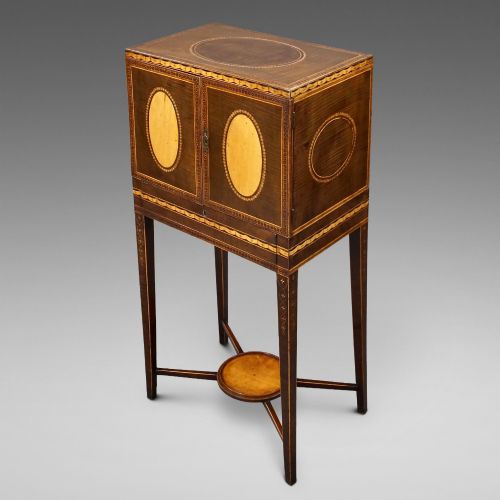
Cabinet makers utilised dense primary hardwoods like mahogany, walnut, and harewood as structural carcasses, overlaid with figured satinwood veneers to create luminous top surfaces. Tradesmen then applied contrasting stringing and banding in timbers such as boxwood and ebony.
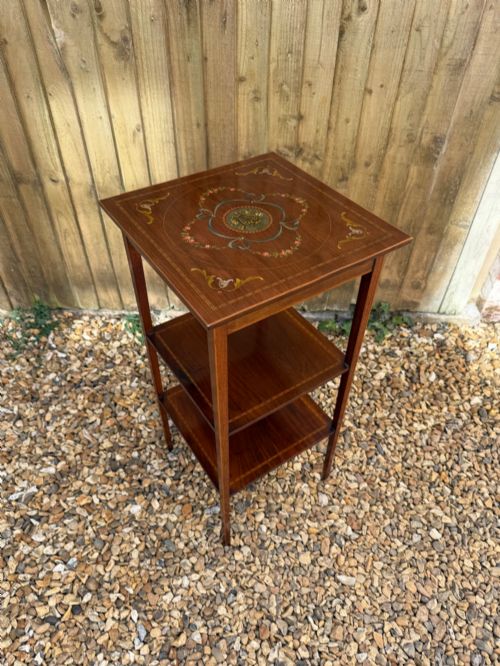
Inlay and marquetry form a central pillar of the construction technique, requiring skilled artisans to cut floral, geometric, or neoclassical motifs into the wood. Paint and hand-decoration also appear on select surfaces alongside traditional brass fittings and hinges.
Brown Satinwood Side Table Retail Price Guide 2026
Typical asking prices for brown satinwood side table among the pieces listed under this phrase on Sellingantiques today, from the lower quarter to the upper quarter. They describe what is for sale here now, not the wider market.
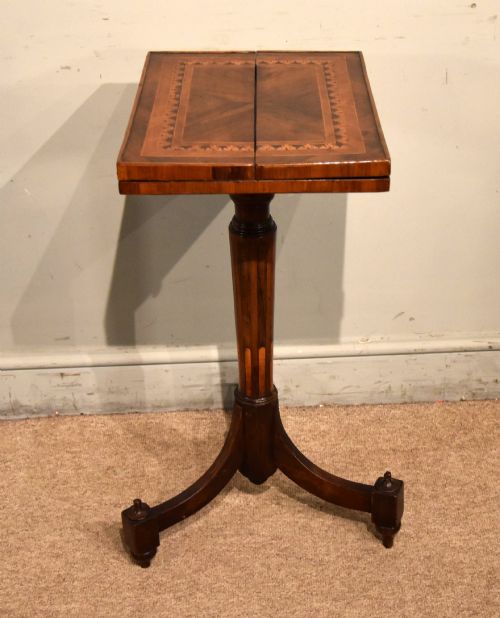
Some tables feature folding mechanisms for patience card games, proving that historical domestic boredom required ingenious wooden engineering.
Assessing Standard and Execution
Quality rests heavily on the depth and complexity of the timber grain and the precision of the contrasting inlay. Finer examples display tightly figured satinwood veneers matched symmetrically across the top, whereas simpler items rely on plain surfaces with minimal banding.
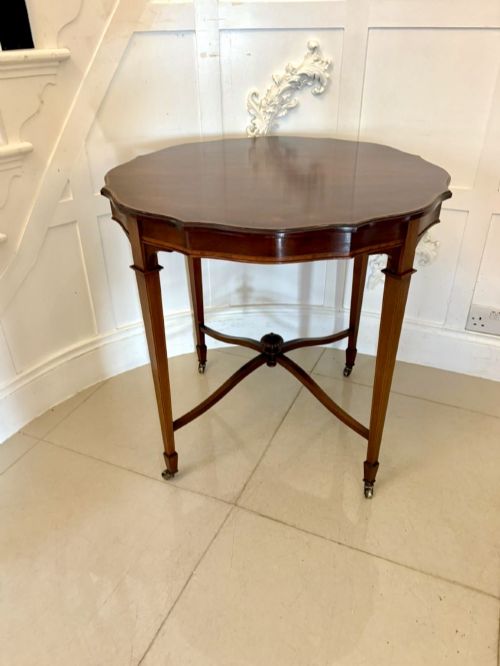
The crispness of the marquetry work and the tightness of structural joints distinguish superior craftsmanship from standard production. Cabinetmakers who spent additional hours hand-shaping serpentine forms and integrating subtle crossbanding created pieces with enduring structural integrity.
Trevor Page & Co·Maison Giroux·Maple & Co
The Brown Satinwood Side Table Glossary
- Satinwood
- A lustrous, yellowish-brown tropical timber used extensively for veneers and decorative highlights in fine cabinet-making. Its natural sheen catches the light differently depending on the viewing angle.
- Crossbanding
- A border of veneer laid around the edge of a table top so that the grain runs perpendicular to the main panel. This technique frames the central wood and adds visual contrast.
- Quartetto
- A set of four graduating tables designed to slide neatly beneath one another when not in use. They became especially popular during the Edwardian period in mahogany and satinwood.
- Marquetry
- Decorative patterns formed by inserting pieces of contrasting wood veneer into a prepared surface. Artisans use this technique to create intricate floral or geometric designs.
- Pembroke
- A small table with hinged drop leaves on two opposing sides supported by pivoting brackets. It serves as a versatile occasional piece easily moved about a room.
Brown Satinwood Side Table: Frequently Asked Questions
What is a brown satinwood side table used for?
These tables served primarily as convenient surfaces for holding lamps, books, or tea equipment in polite drawing rooms and parlours. Their compact proportions allowed them to be placed beside seating or against walls without dominating the floor space.
Today, they function well as bedside stands, lamp tables, or decorative accents in modern hallways and living areas. Their warm timber tones integrate easily with varied interior schemes.
How do I date an Edwardian satinwood table?
Edwardian pieces from the early twentieth century often combine mahogany structures with bright satinwood stringing, drawing heavily on eighteenth-century Sheraton revival designs. Construction methods of this era typically show machine-sawn internal timbers alongside hand-finished veneers.
Examination of the drawer linings, screw types, and secondary woods helps confirm the manufacturing period. Maker stamps or labels underneath can also provide precise attribution.
What is a nest of quartetto tables?
A quartetto nest consists of four tables built in graduating sizes so that the smaller ones slide completely beneath the largest. This clever space-saving design gained immense popularity in late Victorian and Edwardian drawing rooms.
They were deployed when guests arrived and extra surface space for tea cups or cards was required. When finished, the set occupied the floor footprint of just a single small table.
Are these tables solid satinwood or veneer?
True solid satinwood furniture is exceptionally scarce due to the limited girth of the timber tree. The vast majority of period pieces utilise thin veneers of figured satinwood applied over stable secondary woods like mahogany or pine.
This technique prevented warping while displaying the most decorative and luminous grain patterns across the top surfaces. Crossbanding and stringing were then added to frame the central panels.