
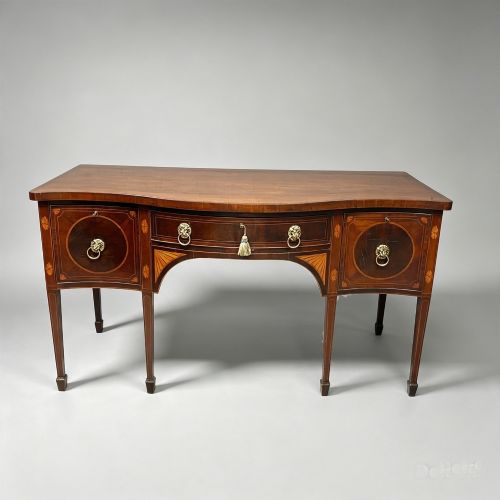
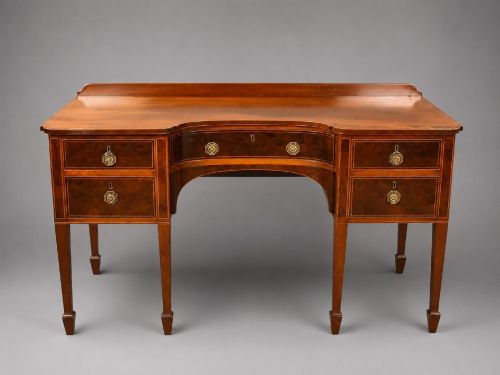
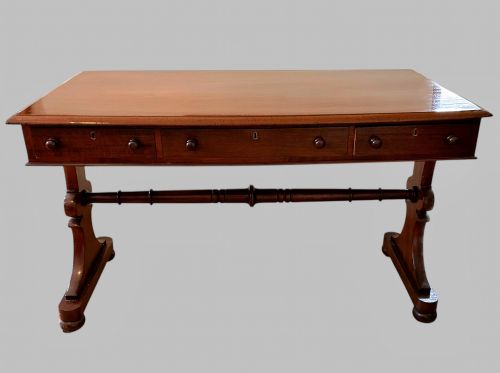
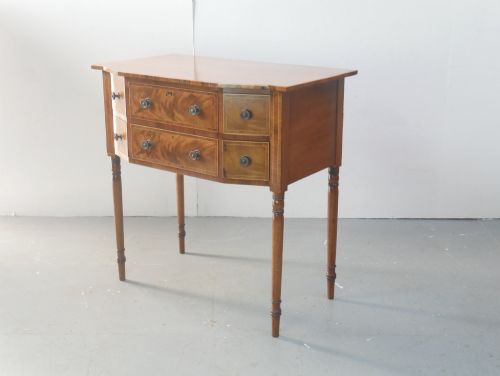
Brown Mahogany Server
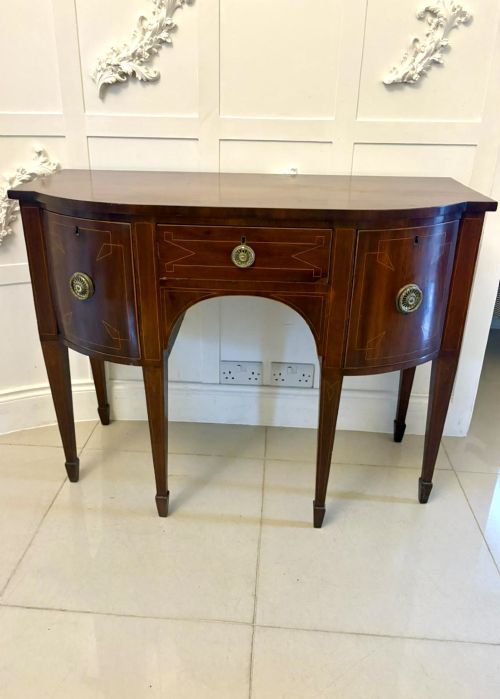
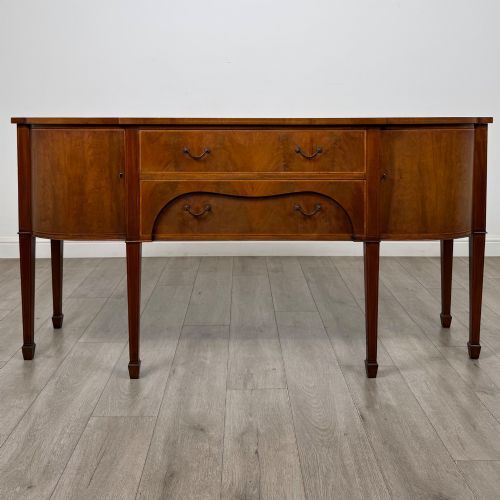
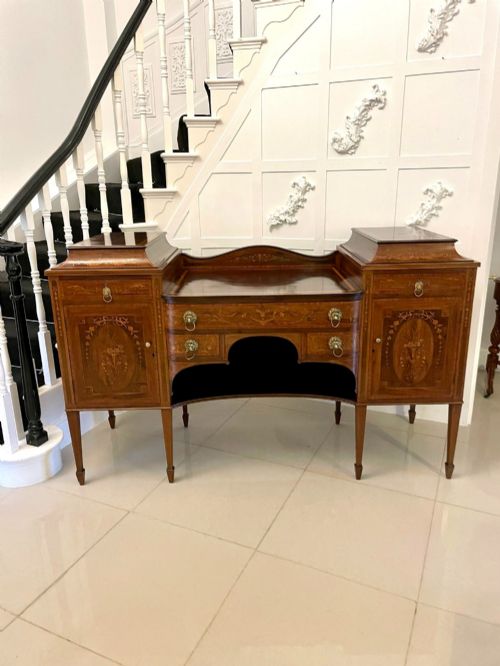
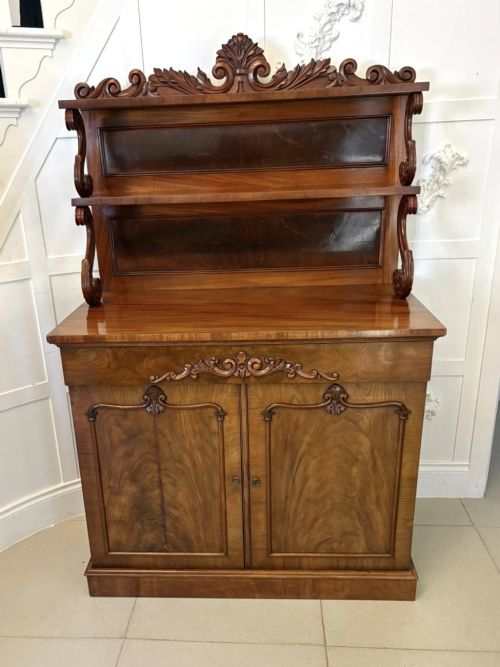
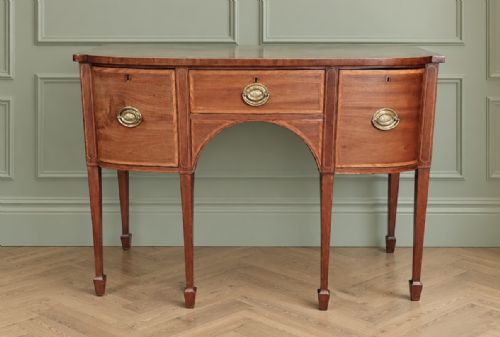
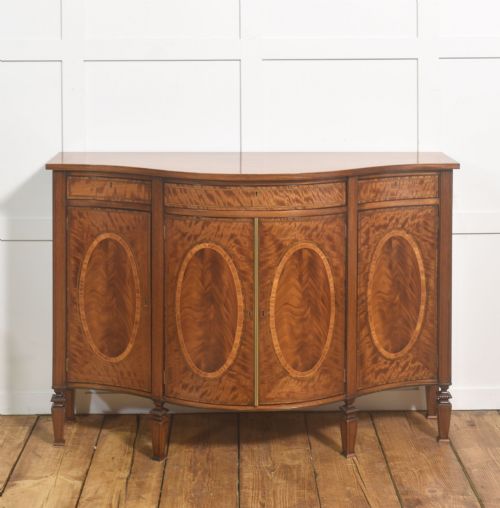
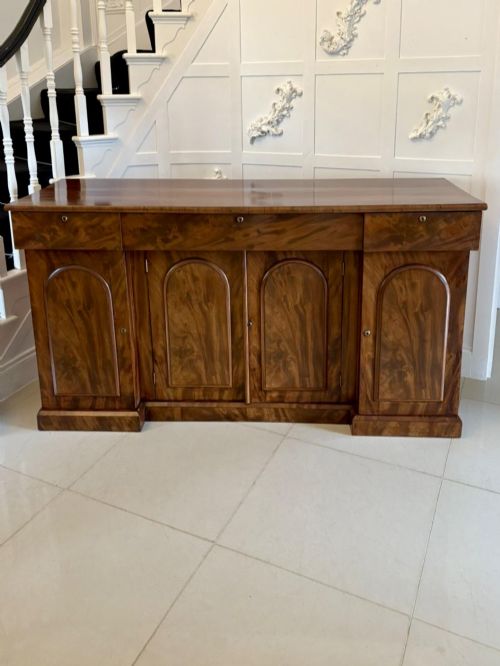
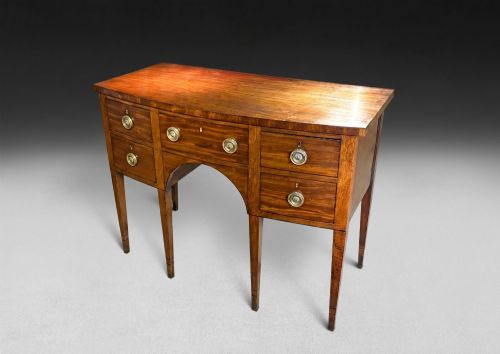
A brown mahogany server brings rich grain and practical dining room storage to a room through Georgian and Victorian craftsmanship.
Brown Mahogany Server
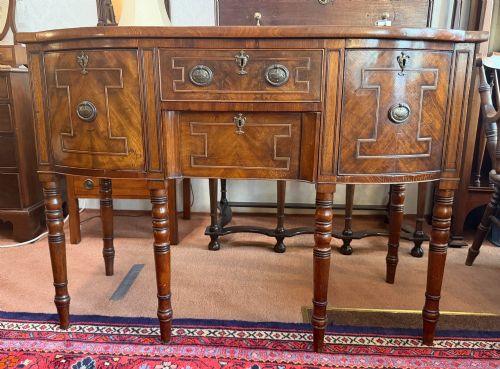
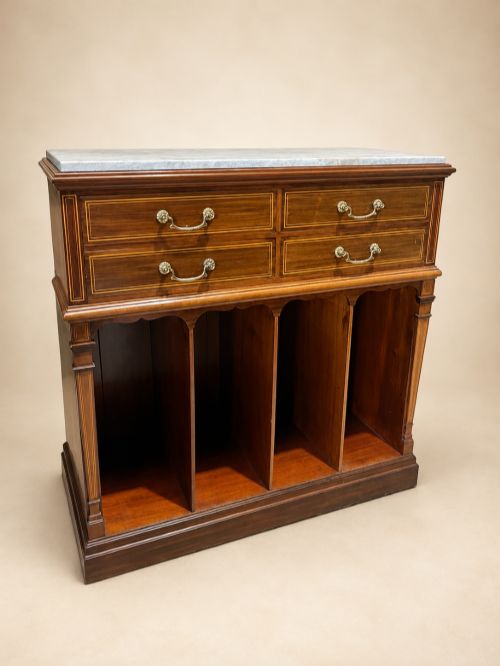
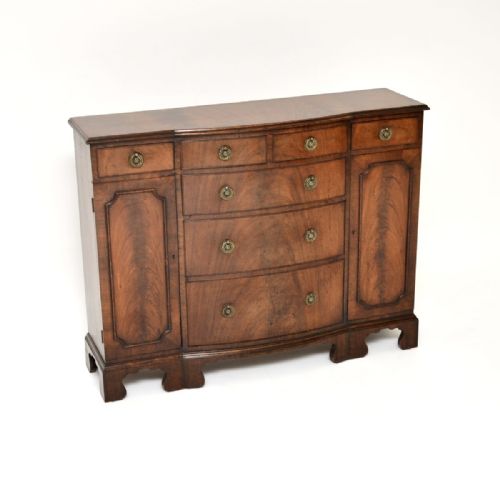
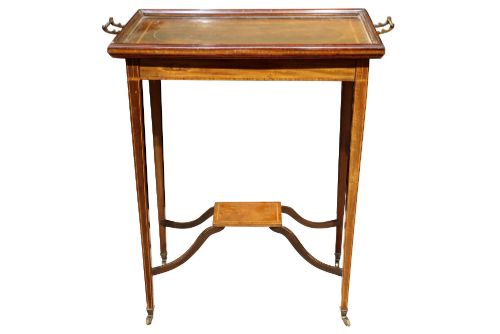
A brown mahogany server primarily encompasses sideboards, side tables, and serving tables designed for dining and entertaining. These pieces appear across Georgian, Regency, Victorian, and Edwardian periods.
Makers and cabinetmakers built these server pieces to function as central storage and display units in formal dining rooms. They balance utilitarian cupboards and drawers with refined decorative cabinetwork.
Materials and construction methods
Cabinetmakers constructed these servers using solid mahogany and figured mahogany veneers applied over secondary woods like oak. Selected timber displays striking grain patterns, particularly on drawer fronts and top panels.
Workshops embellished the brown mahogany surfaces with contrasting veneers and stringing lines using boxwood, satinwood, and purpleheart. Brass hardware, including handles and backplates, provides functional contrast to the dark wood.
Joinery techniques involve hand-cut dovetails for drawer construction and precise framing for bow-front and serpentine carcases. Inlaid marquetry panels and satinwood crossbanding frequently define the decorative scheme of later revival pieces.
Brown Mahogany Server Retail Price Guide 2026
Typical asking prices for brown mahogany server among the pieces listed under this phrase on Sellingantiques today, from the lower quarter to the upper quarter. They describe what is for sale here now, not the wider market.
Listings feature mahogany, satinwood, boxwood, and brass across Georgian, Regency, and Victorian periods.
Distinctions in quality
Quality rests in the selection of the timber and the handling of the grain across the front elevation. Highly figured flame mahogany veneers matched symmetrically across doors and drawers elevate a piece far above plain stock.
The precision of the inlay work and the retention of original brass hardware indicate superior workshop standards. Crisp hand-cut dovetailing and solid secondary timbers inside drawers signal meticulous cabinetmaking.
Proportion and architectural balance separate standard utility pieces from exceptional ones. A well-scaled bow-front or serpentine carcase maintains harmony between the top surface, drawers, and supporting legs.
Hewetsons London·M. D. Miller and Sons Nottingham
The Brown Mahogany Server Glossary
- Bow-front
- A cabinet front that curves outward in a convex arc. This shape softens the room and showcases figured mahogany grain.
- Serpentine
- A front profile with a convex centre flanked by concave curves. It requires advanced carpentry to execute smoothly.
- Crossbanding
- A strip of veneer applied perpendicularly to the surrounding grain around a border. It frames the central mahogany panel with a contrasting tone.
- Inlay
- Material inserted into a depression flush with the surface to form a decorative design. Boxwood and satinwood commonly create these linear contrasts.
Brown Mahogany Server: Frequently Asked Questions
How do I style a brown mahogany server?
Pair the dark wood tones with neutral walls to let the figured grain stand out. Place lamps or silver serving pieces on top for a balanced arrangement.
Keep surrounding furniture in complementary traditional or transitional styles to maintain historical cohesion in the dining space.
What is the difference between a sideboard and a server?
Sideboards traditionally feature deep cupboards and multiple drawers for storing dining linen and heavy tableware. Servers tend to be slightly lighter in scale, often built as console tables or lowboards.
Both serve the same functional purpose in a dining room setting but vary in bulk and internal storage configuration.
How do I identify a Georgian server?
Examine the drawer construction for hand-cut dovetails and inspect the timber for genuine age, such as oxidation on secondary woods. Georgian pieces display restrained proportions and often feature subtle string inlay.
Check for period-appropriate brass handles and hinges that match the fastening methods of the eighteenth century.
How do I care for antique mahogany?
Dust the wood regularly with a soft, dry cloth to prevent grit accumulation on the polished surface. Avoid placing the piece in direct sunlight or near heat sources to protect the veneer.
Apply a microcrystalline wax occasionally to nourish the finish without building up heavy residues.