
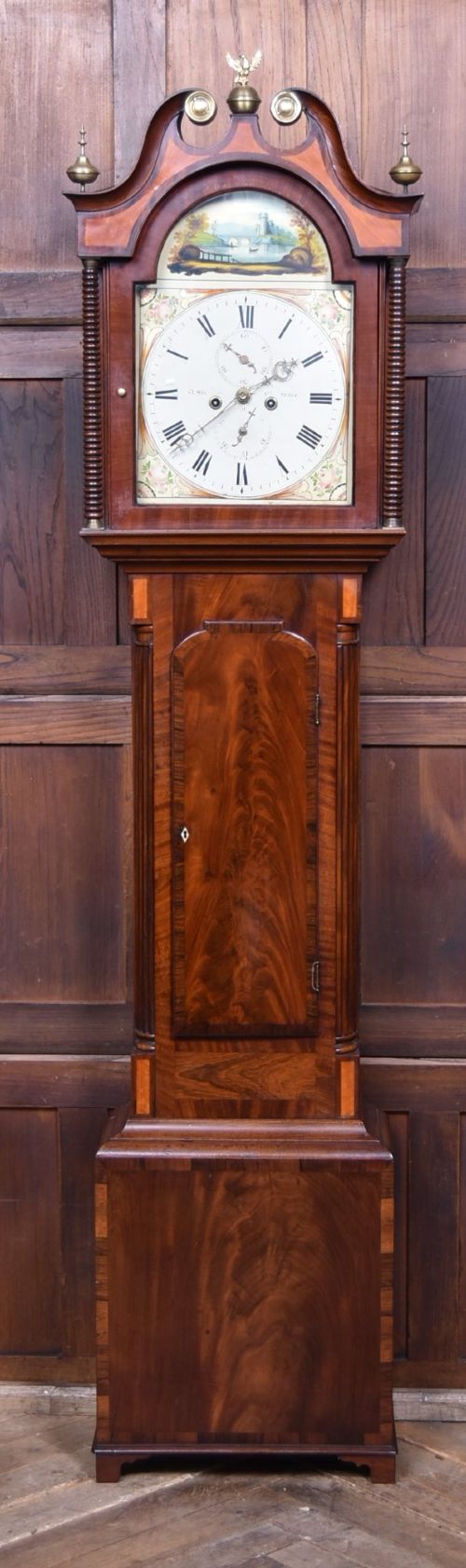
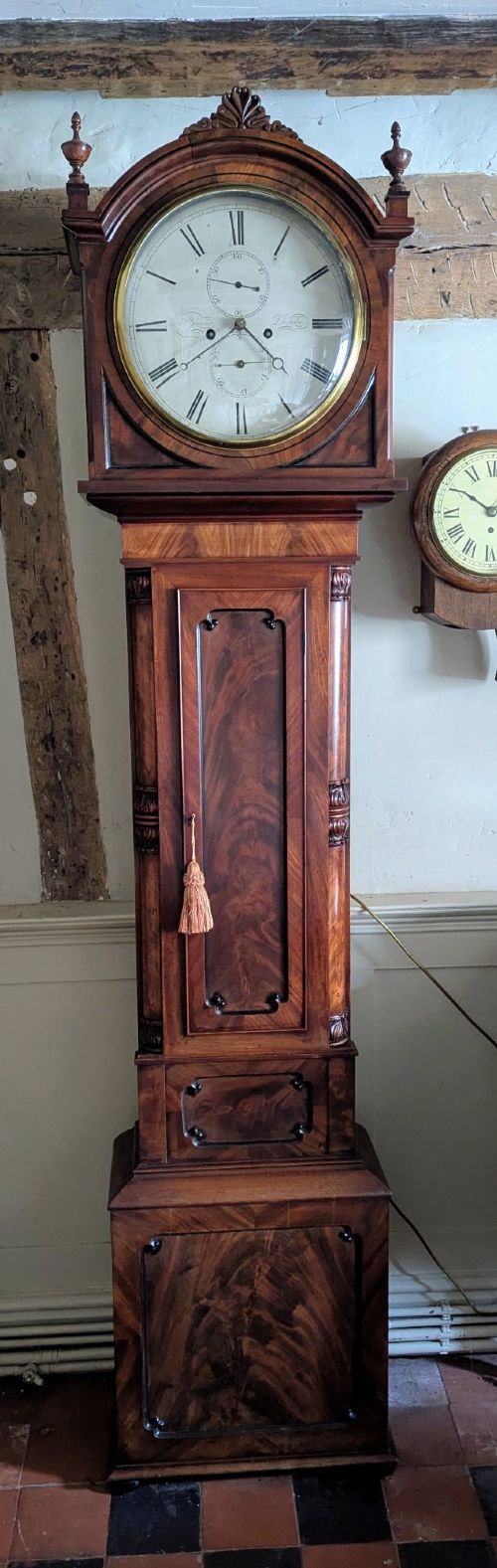
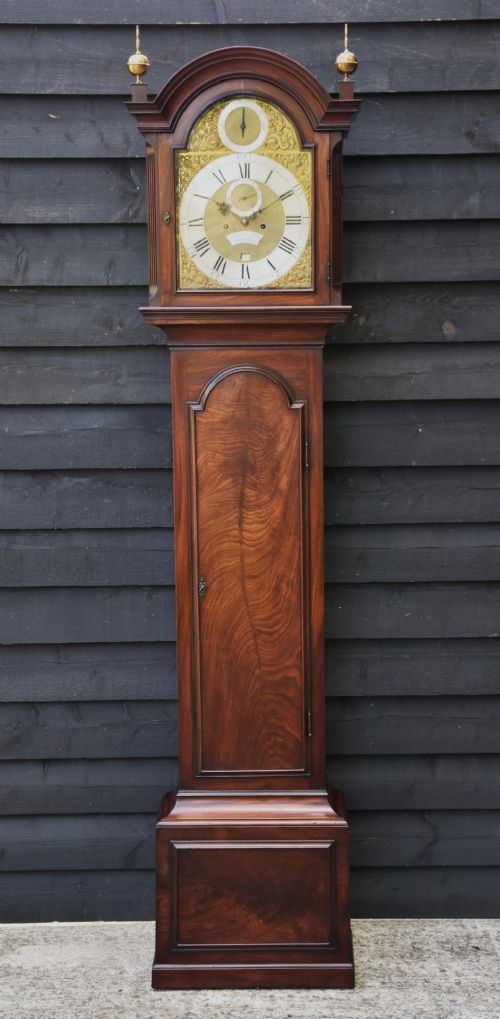
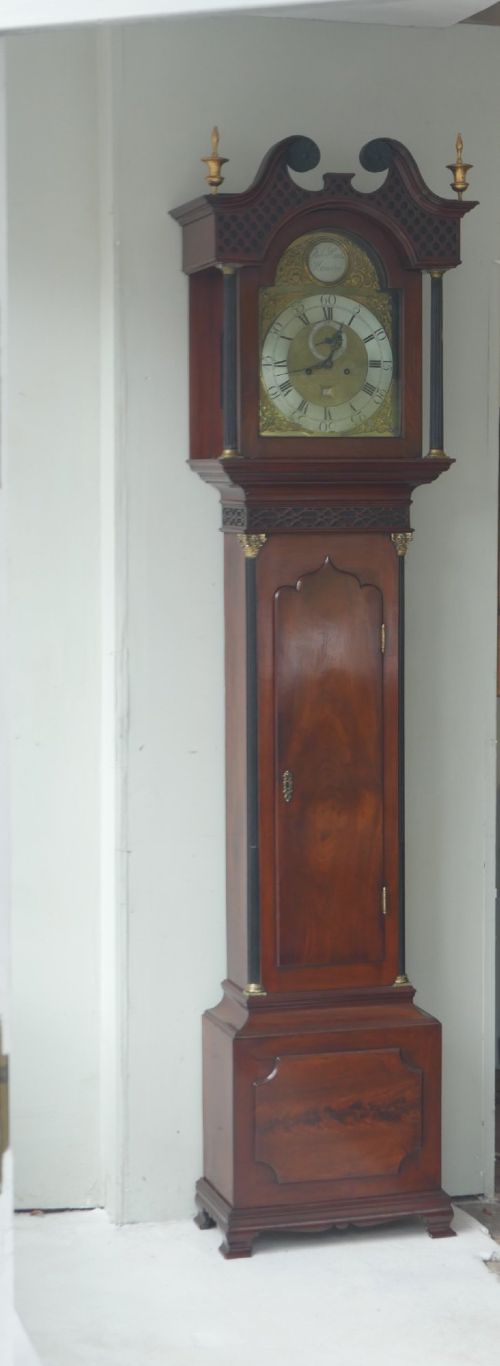
Brown Longcase Clock
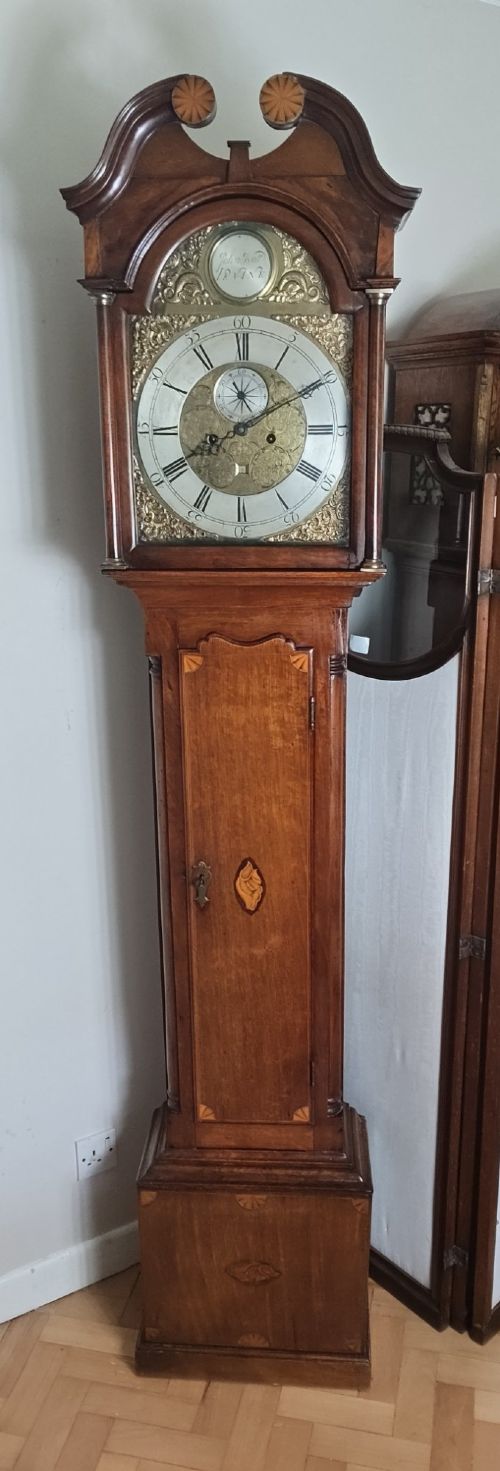
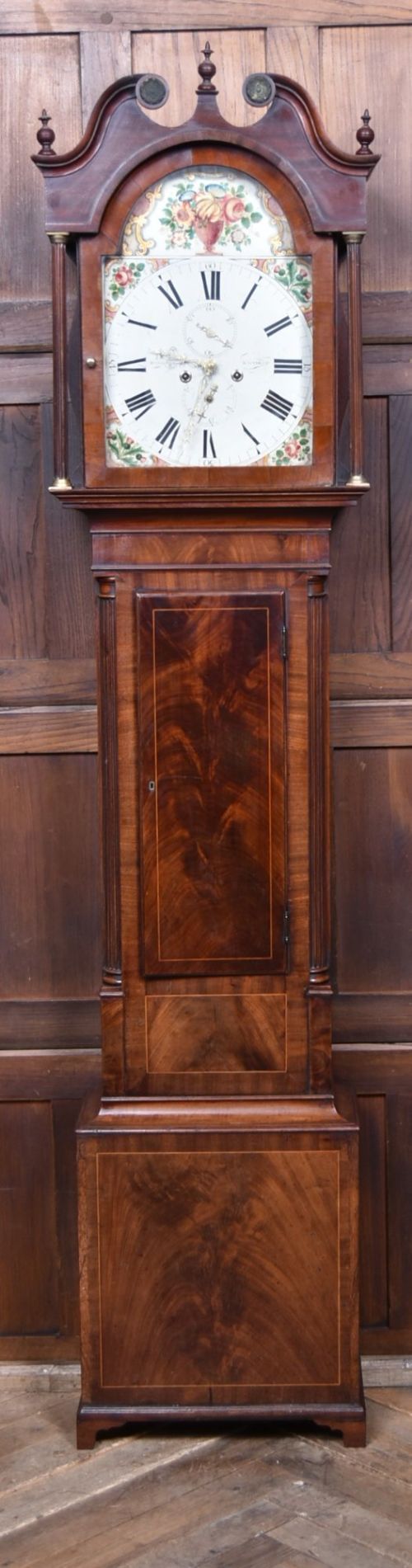
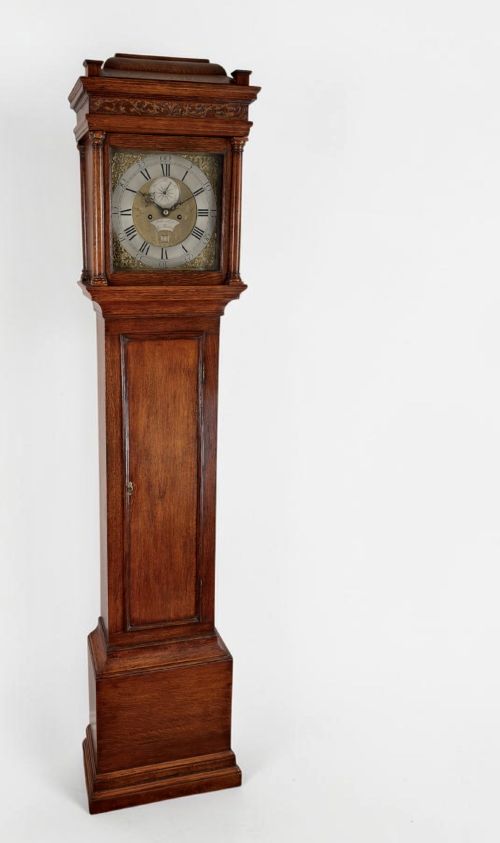
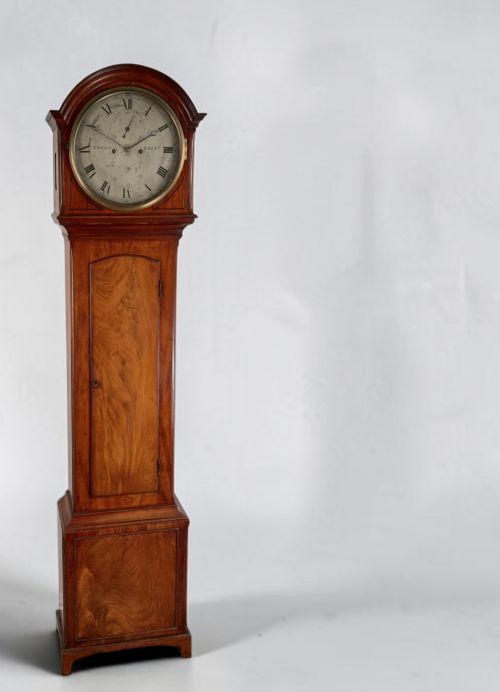
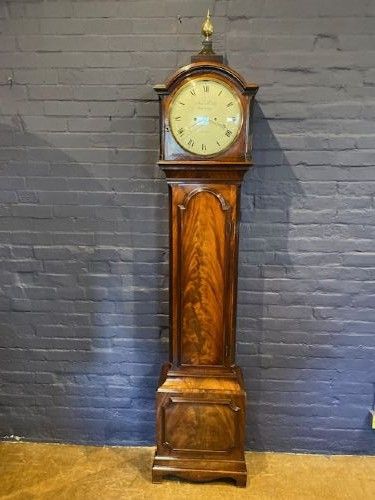
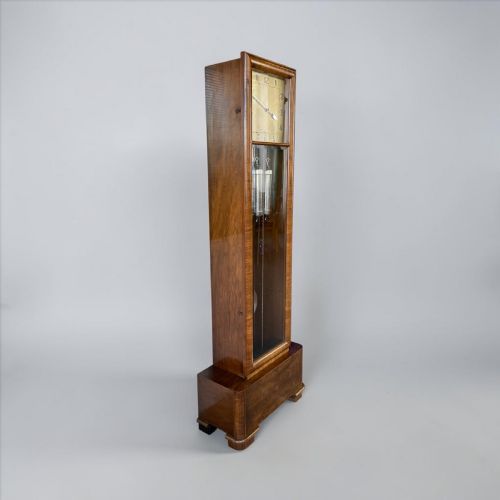
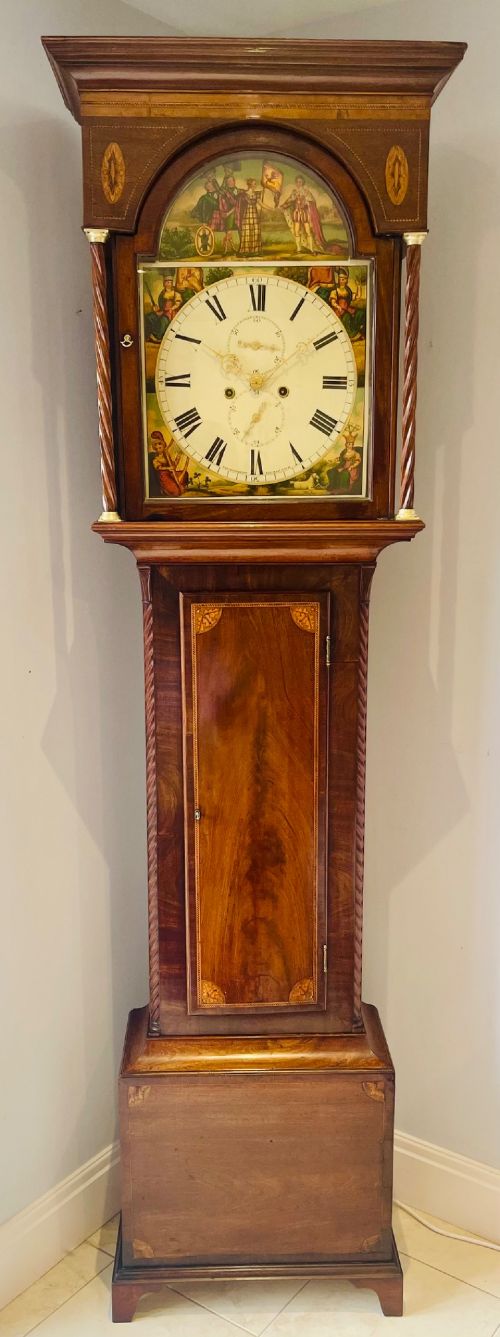
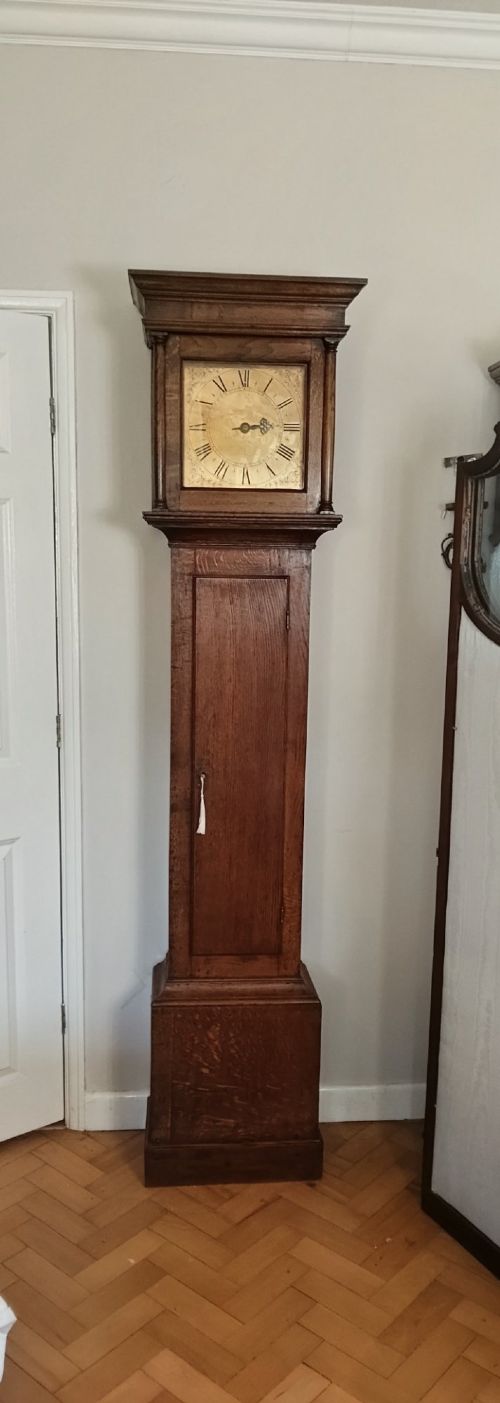
A brown longcase clock stands tall in a room, measuring time with a weight-driven pendulum housed in a timber case.
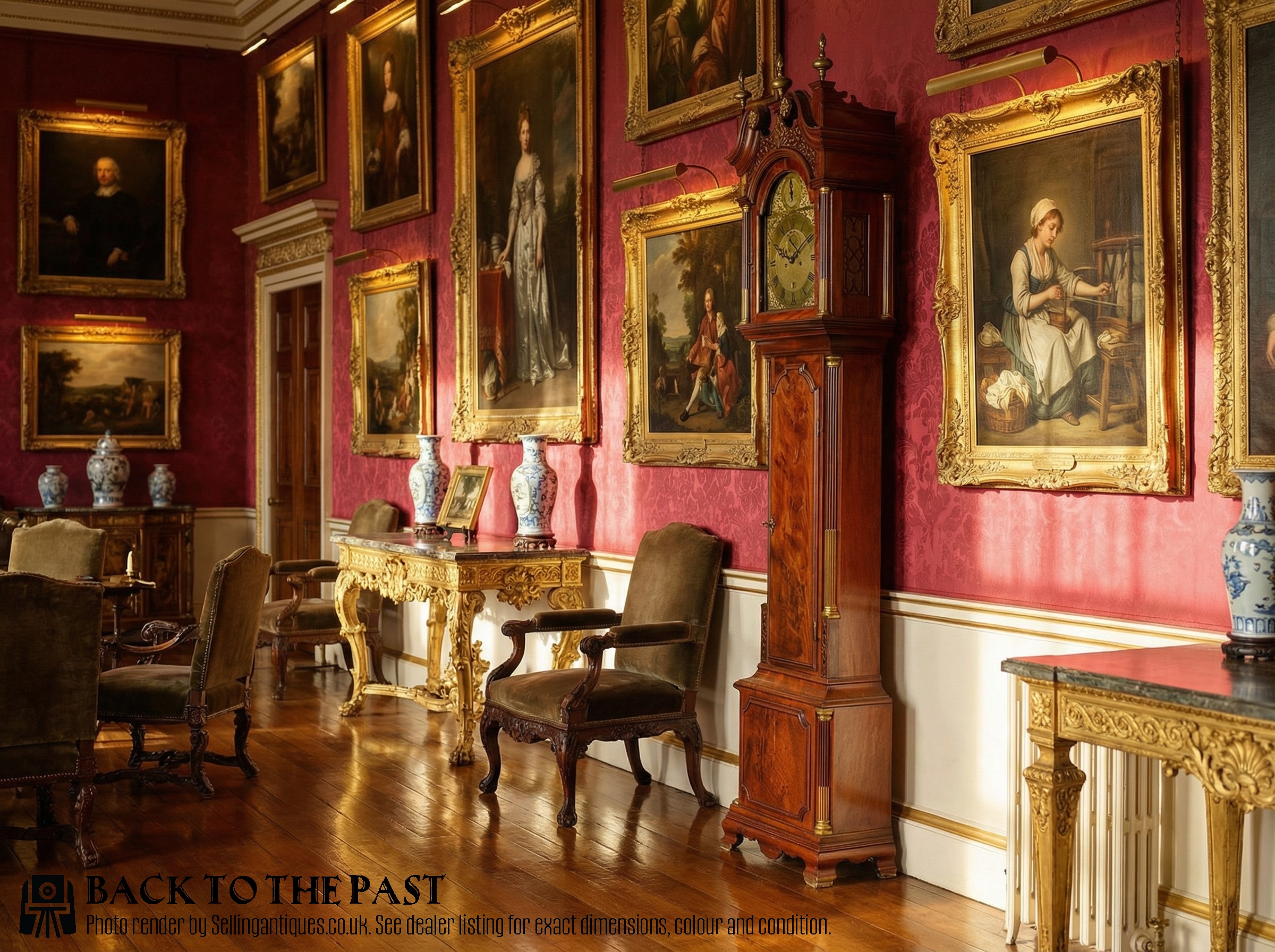
Brown Longcase Clock
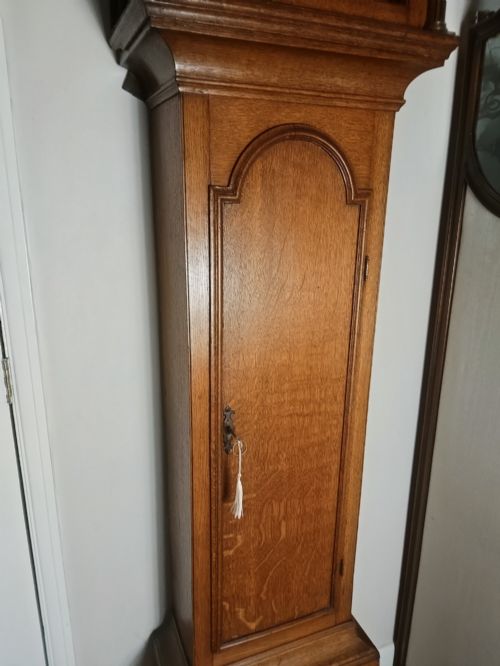
A brown longcase clock, frequently called a grandfather clock, is a tall floor-standing timepiece that anchors the room it inhabits. You will encounter these in various woods such as oak and mahogany, spanning periods from the eighteenth century through to the twentieth century.
The regional variety is wide, ranging from Scottish and Welsh examples to pieces originating from English towns and London workshops. Forms include full-size eight-day movements, smaller grandmother or granddaughter variants, and musical regulators.
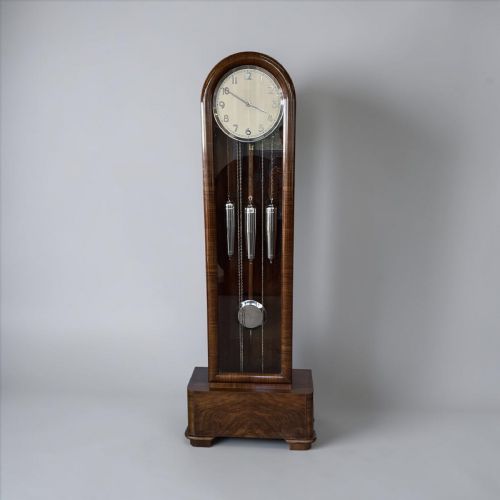
Georgian and George III iterations appear frequently alongside later Victorian, Edwardian, and Art Deco interpretations. The structural timber dictates the primary brown tone, showing the natural grain of oak, mahogany, or walnut.
Materials and construction
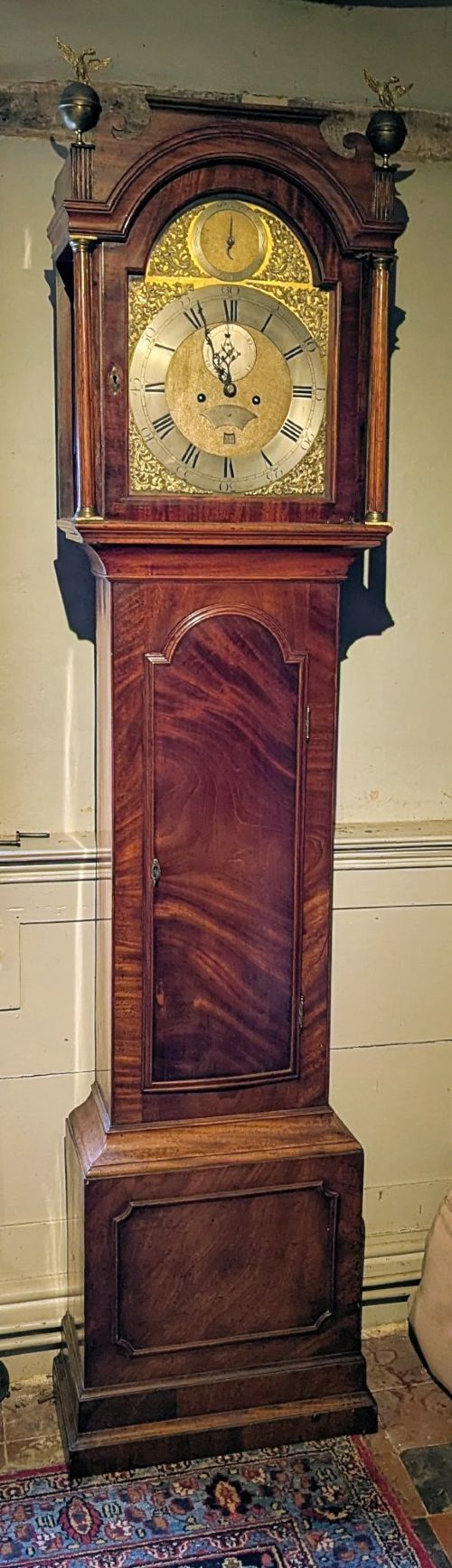
Cabinetmakers utilised solid timbers like oak, mahogany, and walnut to build the tall wooden trunks, often incorporating brass and glass on the dial faces. Movements combine brass, steel, and iron, driving the mechanics with hanging weights.
Dials feature painted iron or brass, sometimes decorated with moon rollers or subsidiary seconds rings. The joinery ranges from simple country construction to intricate London cabinetwork with inlaid details.
Brown Longcase Clock Retail Price Guide 2026
Typical asking prices for brown longcase clock among the pieces listed under this phrase on Sellingantiques today, from the lower quarter to the upper quarter. They describe what is for sale here now, not the wider market.
Listings feature oak, mahogany, and walnut cases housing brass and iron movements across Georgian, Victorian, and Art Deco periods.
What separates the ranges
The refinement of the movement and the crispness of the dial work define the distinction between standard examples and finer pieces. Movement complexity, such as eight-day durations, quarter chiming, or musical mechanisms, elevates the piece.
Cabinet quality shows in the choice of timber figure, such as rich mahogany or burr walnut, and the proportion of the hood and waist doors. Maker attribution also plays a role, with signed dials from known provincial or metropolitan clockmakers commanding attention.
Hendrie Ogg·Lee of Great Marlow·Green of Edinburgh·D. Straiton·James McCabe·Handley & Moore·Winsor Bishop Norwich·Rickards Wotton Under Edge·D Williams·William McEwan·Matt Wylie·Thomas Webbe·Edward White·George Brown·Nathaniel Brown·Aaron Brown·Brown of Glasgow·Brown of Edinburgh
The Brown Longcase Clock Glossary
- Longcase clock
- A tall pendulum clock enclosed in a wooden case resting on the floor. This term encompasses grandfather, grandmother, and granddaughter clocks.
- Dial
- The face of the clock where the hours and minutes are displayed. Dials are constructed from brass or painted iron and often feature maker signatures.
- Moon phase
- A mechanism tracking the lunar cycle visible through an aperture on the dial. It uses a rotating disc behind the painted face.
- Quarter chiming
- A mechanical function that plays a melody or strikes the bells every fifteen minutes. This adds complexity to the gear train.
Brown Longcase Clock: Frequently Asked Questions
How do I wind a longcase clock?
Winding involves using a crank key to raise the weights inside the trunk back toward the top of the case. Care must be taken not to over-wind the movement.
Different movements require winding at varying intervals, typically ranging from thirty-hour durations to eight-day mechanisms.
Where should I place a longcase clock?
These clocks require a stable, dry interior wall away from direct sunlight and strong drafts to protect the wooden case and keep the pendulum swinging truly. Floor stability is essential for the mechanism to beat evenly.
Positioning the clock in a hallway or living room allows the chime to resonate clearly without obstruction.
How do I date a brown longcase clock?
Dating relies on examining the style of the wooden case, the construction of the movement, and the signature on the dial face. Oak cases often suggest earlier eighteenth-century origins, while mahogany and walnut span the Georgian and Victorian eras.
Changes in dial decoration and cabinet proportions provide further clues regarding the period of manufacture.
What is the difference between a grandfather and a grandmother clock?
A grandfather clock is the standard full-size floor-standing timepiece, whereas a grandmother clock is a smaller, scaled-down version produced mainly during the twentieth century. Both utilise similar weight-driven pendulum mechanics.
The reduced height of the grandmother clock makes it suitable for rooms with lower ceilings.