


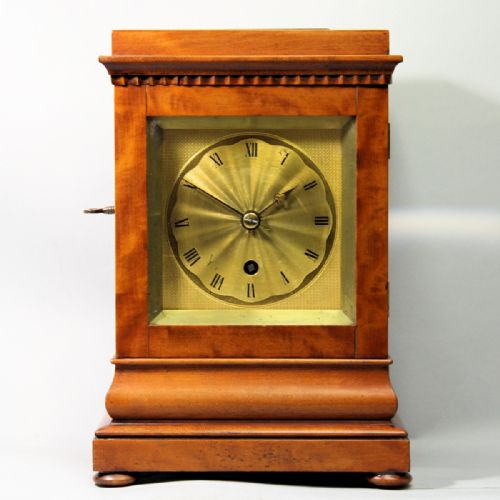


Antique Satinwood Clock
An antique satinwood clock brings pale, luminous wood and precise timekeeping together, offering a refined focal point for a mantel or desk.
Antique Satinwood Clock
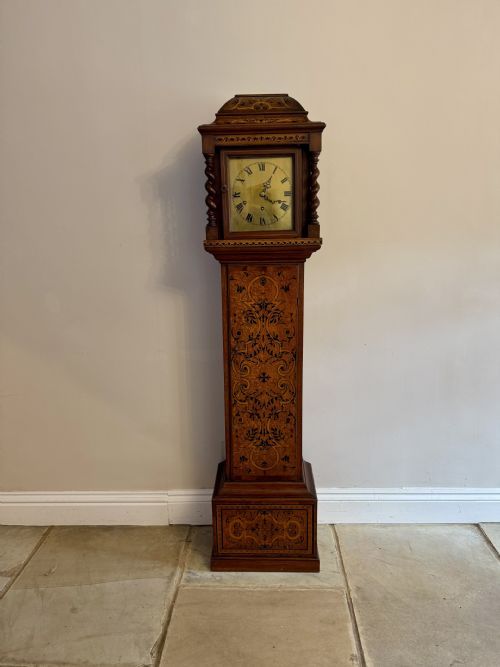
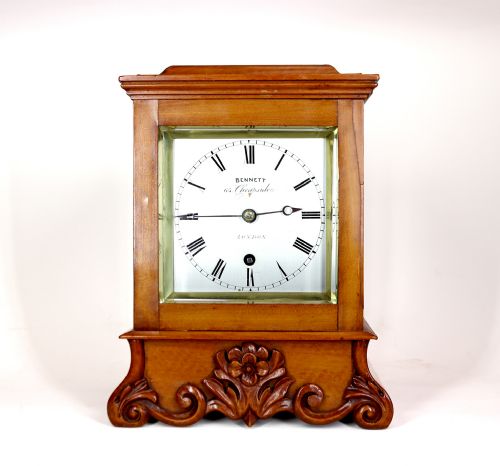
When you search for an antique satinwood clock, you are looking at timepieces predominantly from the Victorian, Edwardian, and nineteenth-century periods. These items range from small library clocks and portico clocks to mantel clocks and larger long-case examples.
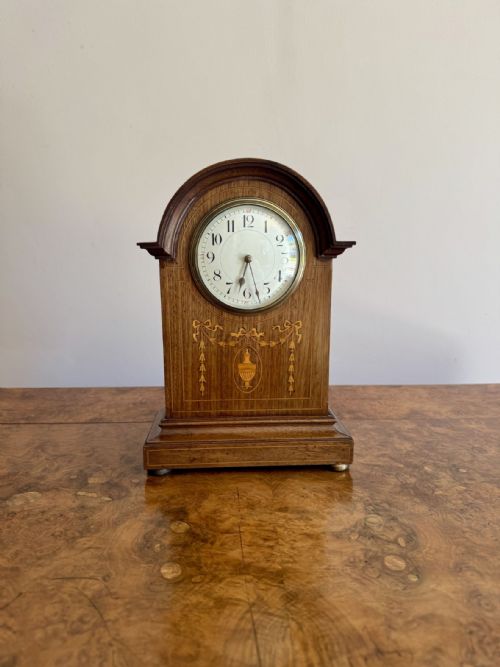
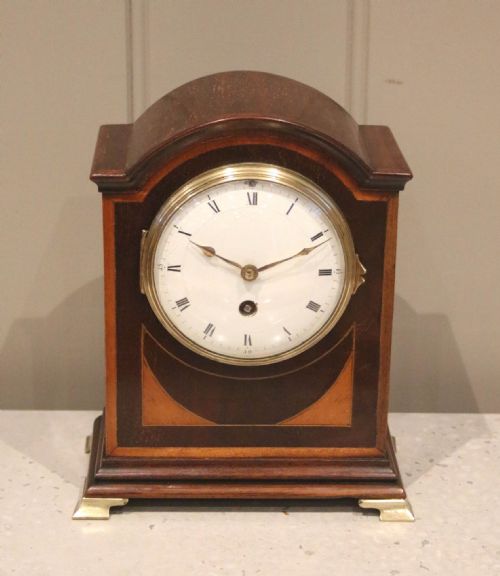
The versions most frequently met on this page are Edwardian mantel clocks and nineteenth-century library clocks. They combine pale exotic timbers with intricate boxwood inlay, glass panels, and brass fittings.
Materials and construction
The primary visual appeal relies on satinwood veneer applied to carcases of mahogany or other foundational timbers. Workshops integrated boxwood inlay, marquetry, and painted details such as poppies or Dutch figures to decorate the wooden surfaces.
Movements span standard spring-driven mechanisms to superior chain fusee movements paired with engine-turned gilded dials and brass or glass encasements.
Among the floral motifs and classical columns, one Edwardian mantel clock is playfully inlaid with a Dutch girl.
Quality variations
The distinction between standard pieces and finer examples rests on the crispness of the inlay and the sophistication of the movement. Library clocks housing chain fusee movements represent a higher standard of horological engineering than basic timepieces.
Cabinetwork quality shows in the subtlety of the satinwood figuring and the precision of the boxwood stringing. Maker attribution, such as signed dials by known retailers, elevates a piece significantly.
Sir John Bennett·Rieder & Co·Mappin & Webb London
The Antique Satinwood Clock Glossary
- Satinwood
- A hard, durable tropical timber known for its yellowish colour and lustrous, reflective sheen. It was frequently used as a fine veneer on high-end nineteenth-century furniture and clock cases.
- Chain fusee
- A specialised clock mechanism utilising a conical pulley and chain to maintain equal force on the gear train as the mainspring unwinds. This system ensures superior timekeeping accuracy.
- Boxwood inlay
- Narrow strips or contrasting motifs of pale boxwood inserted flush into the primary wood surface. It creates geometric borders and delicate floral patterns.
- Portico clock
- A monumental clock style featuring a classical architectural frame supported by columns. They often pair rosewood and satinwood for striking visual contrast.
- Engine-turned dial
- A metal clock face decorated with intricate, mechanically engraved geometric patterns. This technique catches the light and adds depth to gilded bronze or brass surfaces.
Antique Satinwood Clock: Frequently Asked Questions
Where should I place a satinwood clock?
Keep satinwood clocks away from direct sunlight and strong heat sources. Pale veneers are sensitive to ultraviolet light and can darken or fade over time.
A stable mantelpiece or a secure desk out of the path of daily drafts provides an ideal environment.
How do I date an Edwardian clock?
Edwardian clocks date from the reign of King Edward VII, spanning the early years of the twentieth century. Style markers include lighter wood tones and refined inlay work.
Many pieces from this era also carry retailer signatures or registration numbers on the movement backplates.
What is a library clock?
A library clock is a portable timepiece designed for use in a study or reading room. They often feature multiple glass panels to showcase the internal mechanism.
Examples from the nineteenth century frequently incorporate high-grade fusee movements for reliable precision.