

Brown Glazed Vitrine
A brown glazed vitrine holds porcelain and silver behind glass, giving a room both storage and a deliberate surface for display.
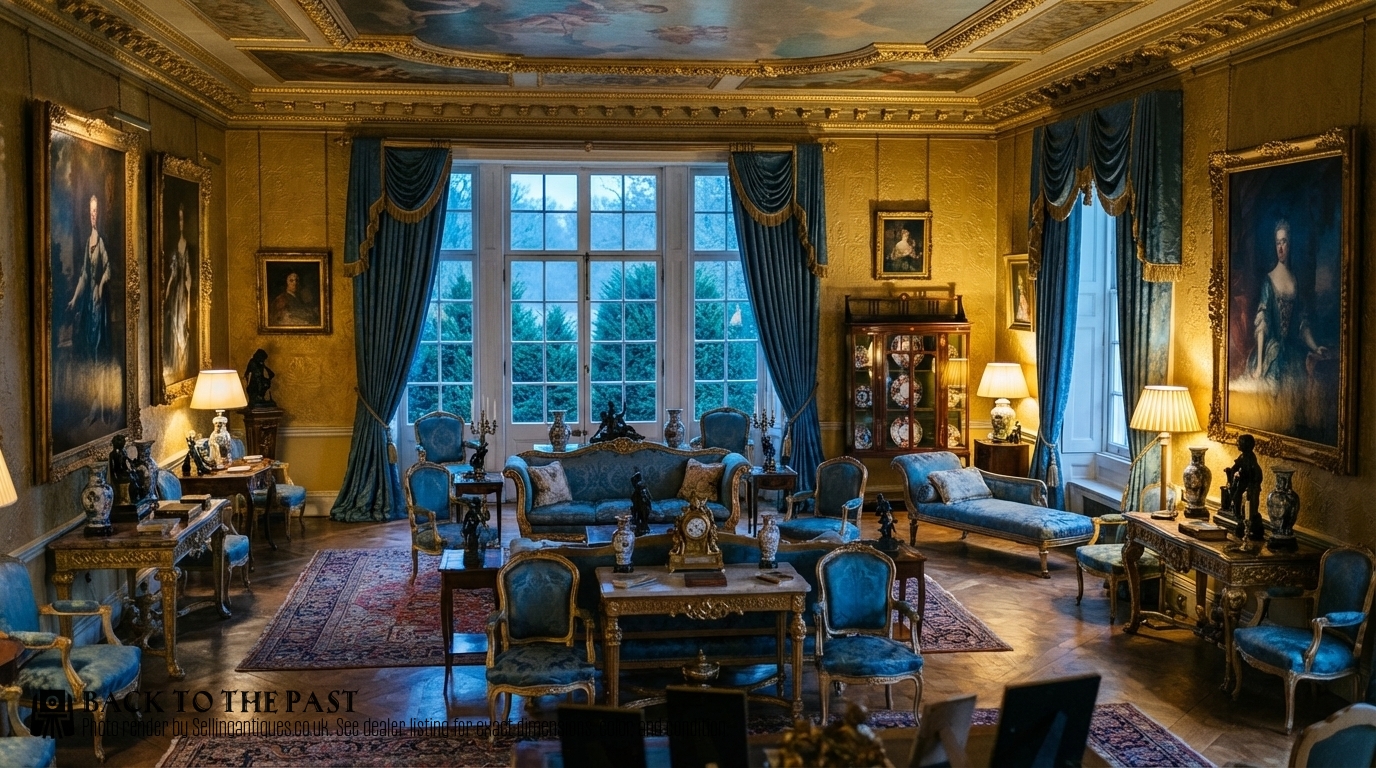
Brown Glazed Vitrine
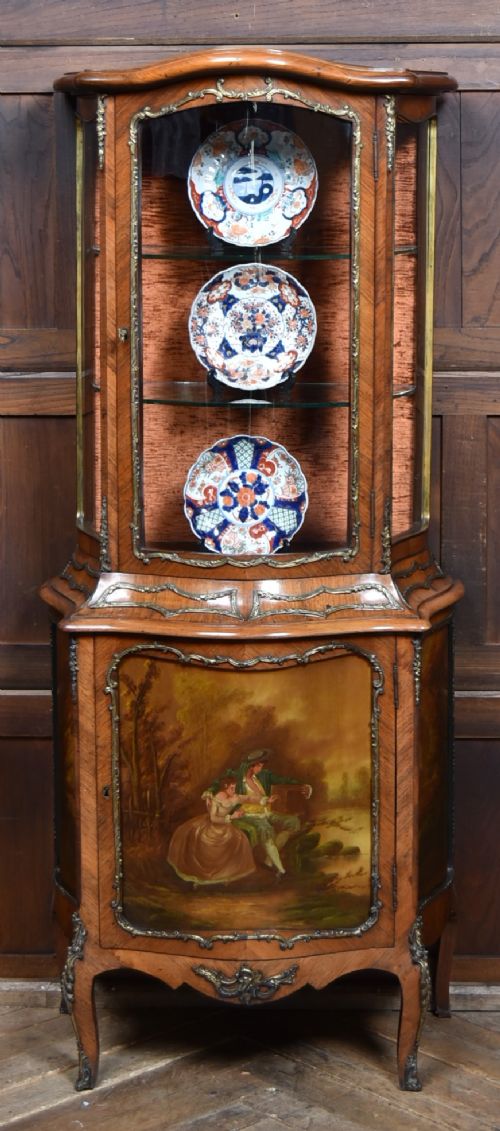
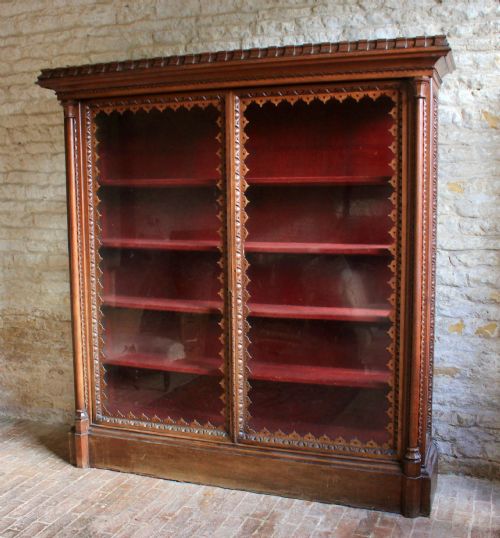
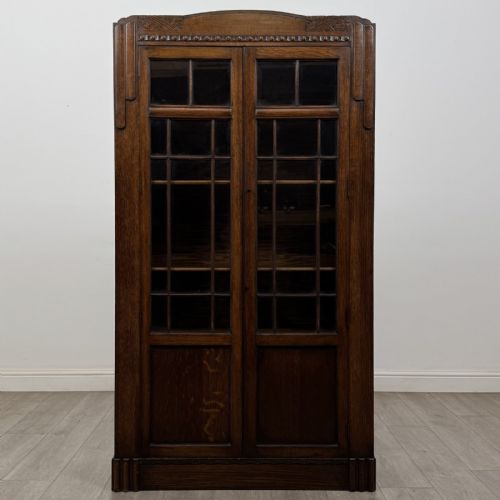
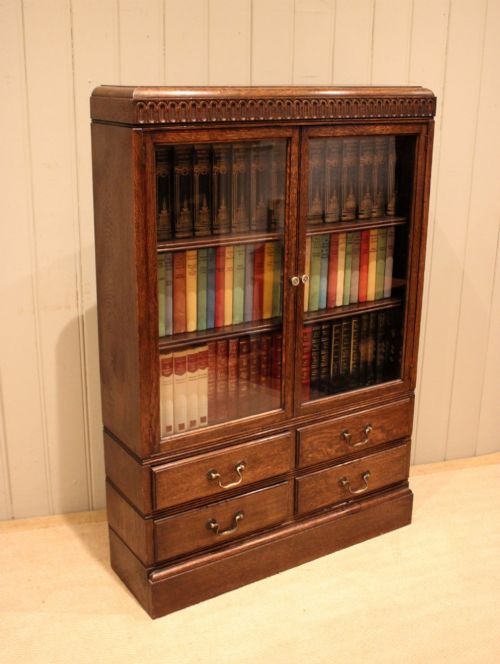
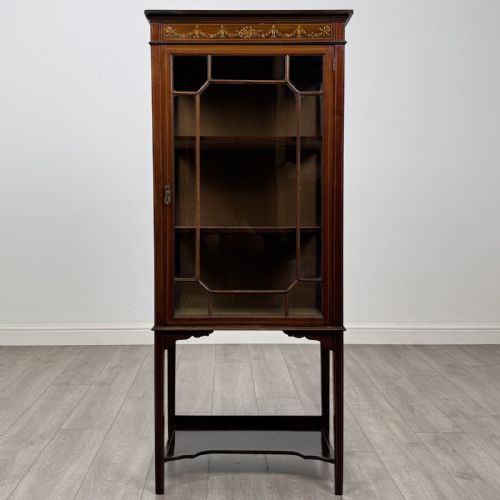
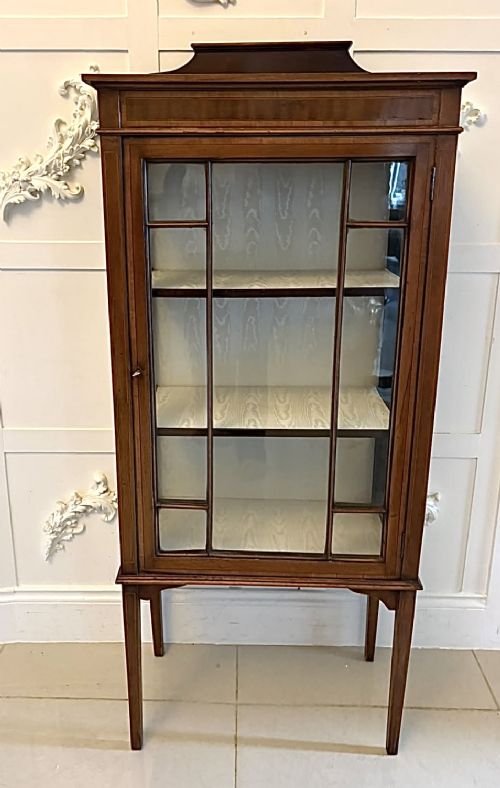
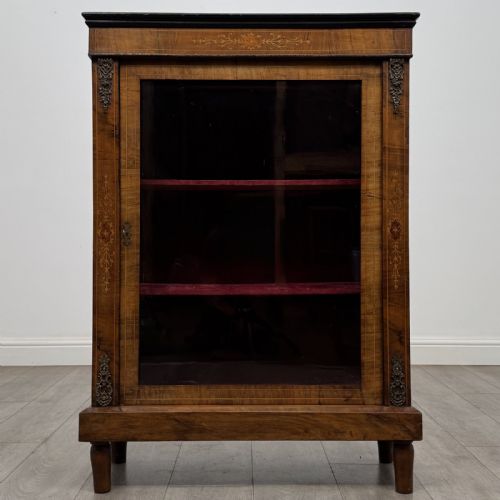
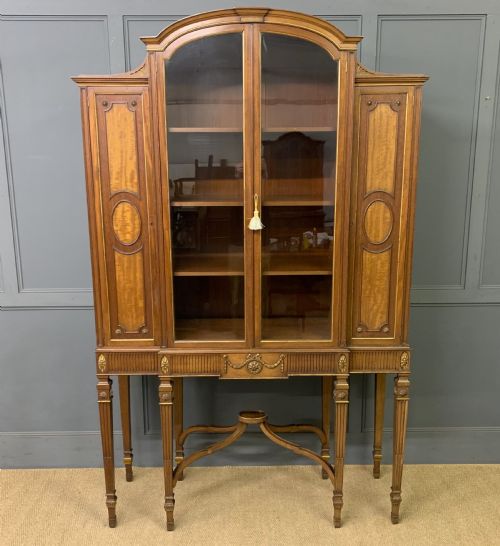
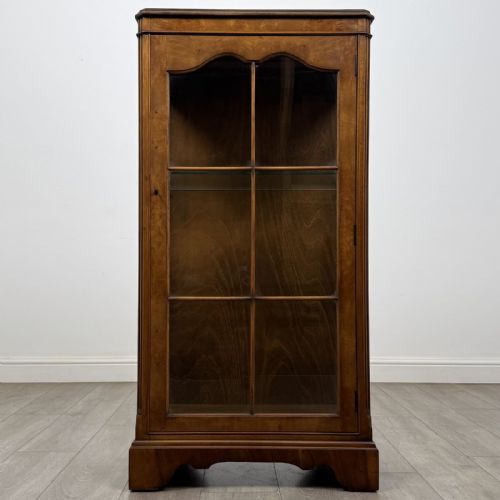
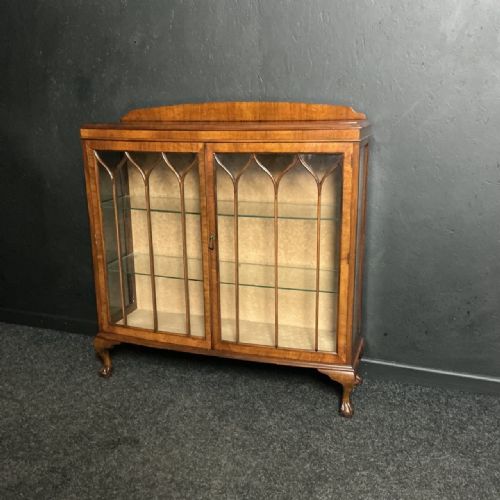
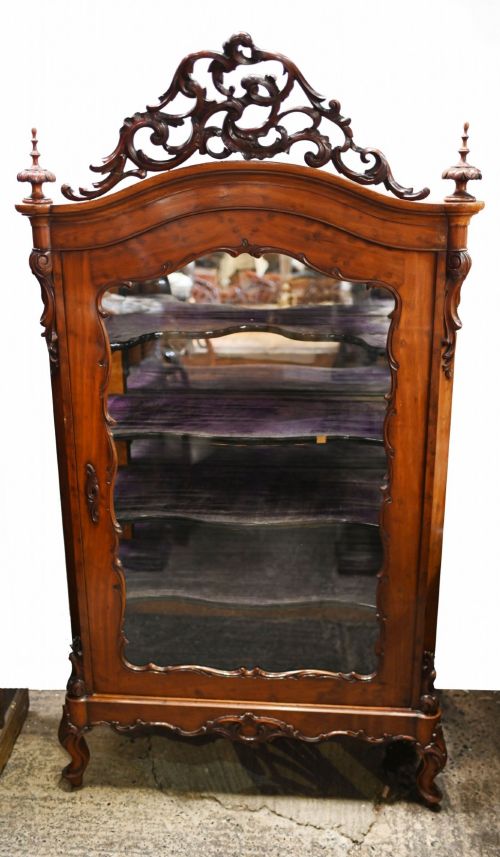
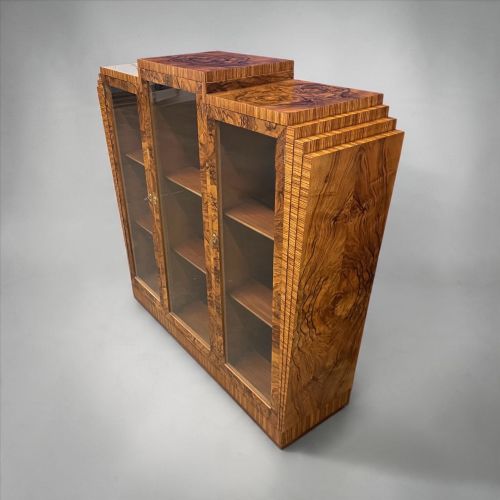
A brown glazed vitrine brings together timber frames and glass panels to protect and exhibit curated objects. When exploring a brown glazed vitrine on this page, the pieces you meet most frequently hail from the Edwardian era and the nineteenth century, taking the form of display cabinets, bookcases, and wall-mounted units.
The architectural language spans straightforward oak and mahogany forms to elaborate revival styles like Sheraton, Louis XV, and Dutch Baroque. Makers such as Edwards & Roberts and Maple & Co. contributed refined cabinetry during these periods, employing walnut, satinwood, and kingwood veneers.
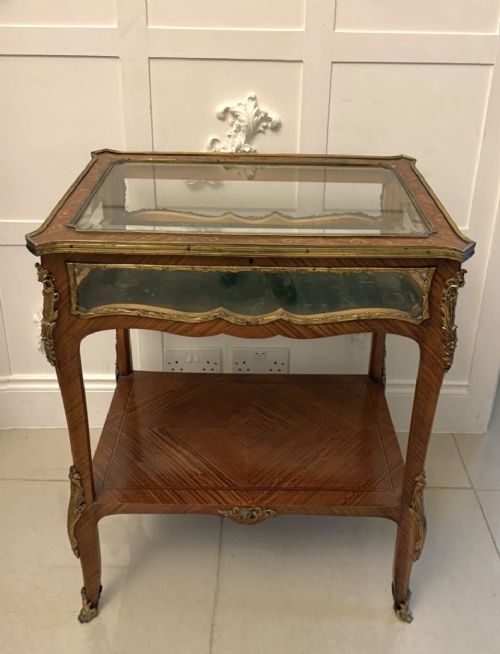
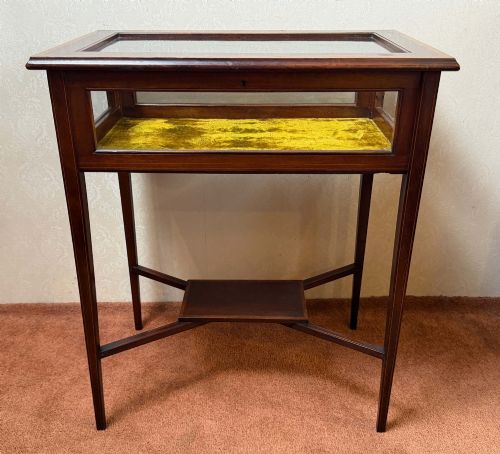
Formats range from tall two-part floor cabinets to compact corner units and bijouterie tables. The underlying framework relies on timber construction designed to support extensive glass doors and sides without losing structural balance.

Materials and construction
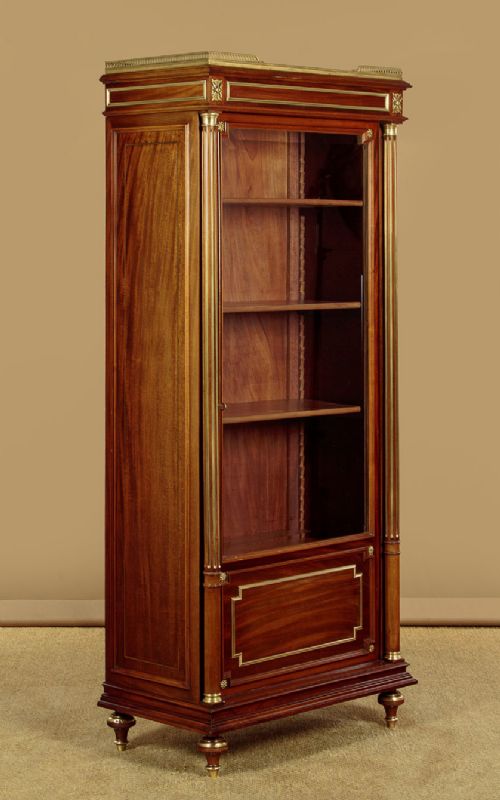
Makers built these cabinets using solid hardwoods like oak, mahogany, and walnut, often applying delicate veneers such as satinwood, kingwood, or marquetry patterns over secondary woods. Brass hinges, locks, and ormolu mounts secure the doors and provide structural punctuation to the polished timber surfaces.
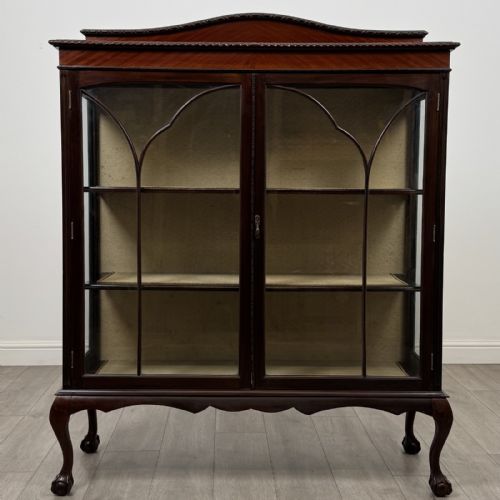
Glass panels are fitted directly into rebated wooden frames or held by astragal bars that divide the viewing area into geometric panes. Mirror glass frequently lines the interior backs to reflect light through the displayed contents, while fabric linings occasionally add texture behind the shelves.
Brown Glazed Vitrine Retail Price Guide 2026
Typical asking prices for brown glazed vitrine among the pieces listed under this phrase on Sellingantiques today, from the lower quarter to the upper quarter. They describe what is for sale here now, not the wider market.
The documented periods span from the eighteenth century through the Georgian, Victorian, and Edwardian eras into the Art Deco style of 1930.
Distinguishing quality
The standard of a cabinet rests on the precision of its timber selection, the crispness of its marquetry or carved ornament, and the integrity of its joinery. Superior examples demonstrate seamless veneer matching, tight joints in the astragal bars, and substantial brass hardware that operates smoothly.
Lesser pieces rely on simpler construction with plain timber panels and standardised commercial mouldings. The presence of original fitted shelves, intact mirror backs, and maker signatures elevates a piece by confirming its period manufacture and workshop provenance.
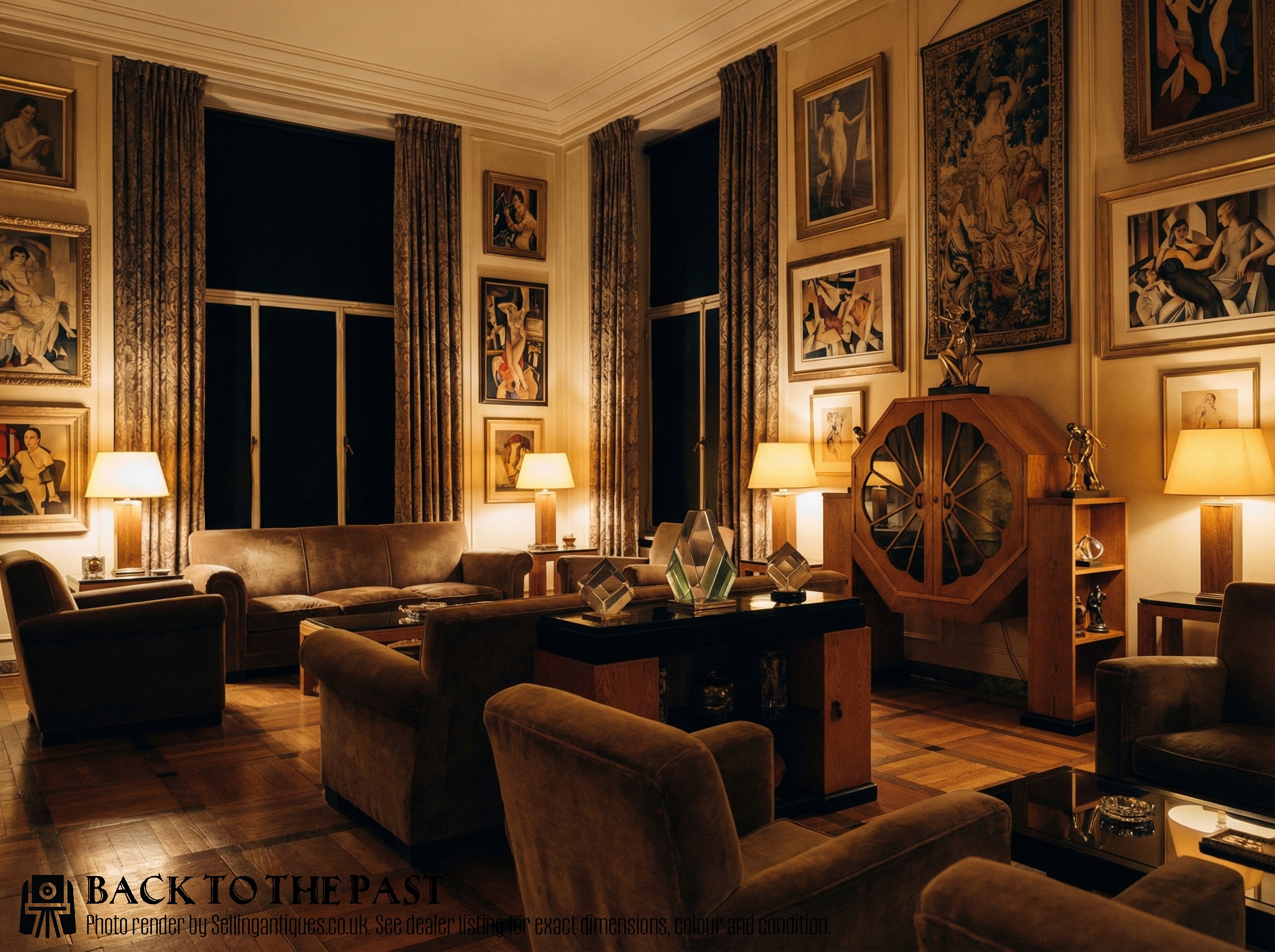
Edwards & Roberts·Maple & Co.·Collinson & Lock
The Brown Glazed Vitrine Glossary
- Vitrine
- A glass-fronted cabinet designed for displaying fine objects or curiosities. The term originates from the French word for glass.
- Astragal
- A small wooden moulding that divides a glass window or door into smaller panes. These bars create the characteristic grid pattern seen on many cabinet doors.
- Marquetry
- Decorative veneer work formed by fitting together thin pieces of wood, ivory, or shell to create pictorial patterns. It appears frequently on cabinet doors and friezes.
- Bijouterie table
- A low display table with a glass top and sides intended for small valuable items like jewellery and medals. These tables often stand on slender legs.
- Linenfold
- A carved panel moulding that imitates folded fabric. This decorative technique appears on certain oak cabinets.
Brown Glazed Vitrine: Frequently Asked Questions
What is a vitrine?
A vitrine is an enclosed cabinet featuring glass panels designed specifically to exhibit precious items while protecting them from dust.
These pieces range from tall freestanding bookcases to wall-mounted units and low display tables.
How do I date a cabinet?
Dating relies on identifying the primary wood species, construction methods, and stylistic revival motifs present in the piece. Edwardian and nineteenth-century examples often combine machine-cut elements with hand-finished details.
Comparing the hardware, hinge types, and veneer patterns against known period pieces helps narrow down the decade of manufacture.
Where should I place a display cabinet?
These cabinets suit principal reception rooms, studies, or hallways where natural light can strike the glass panels and illuminate the interior.
Positioning them away from direct sunlight protects both the timber finishes and the delicate objects stored inside.
Are shelves adjustable?
Many period cabinets feature fixed wooden shelves supported by structural fixed ledges or traditional wooden notches rather than modern metal tracks.
Some refined examples include plate grooves cut into the wood to allow ceramic items to stand upright.