




Brown Glazed Pottery Jug
These brown glazed pottery jugs span centuries of craftsmanship, offering tactile utility and historic character for any interior.
Brown Glazed Pottery Jug
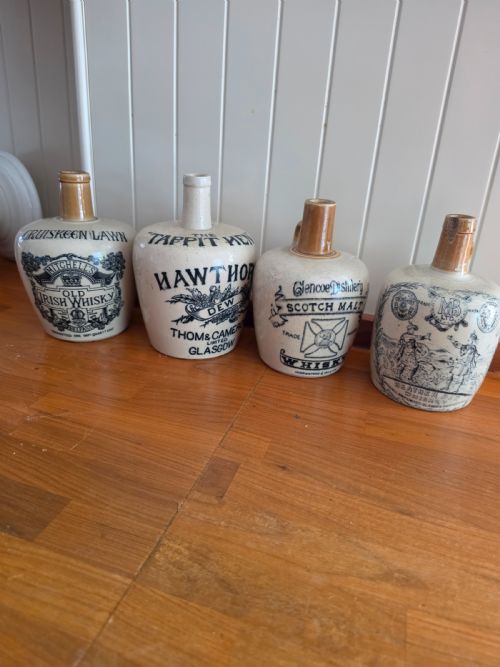
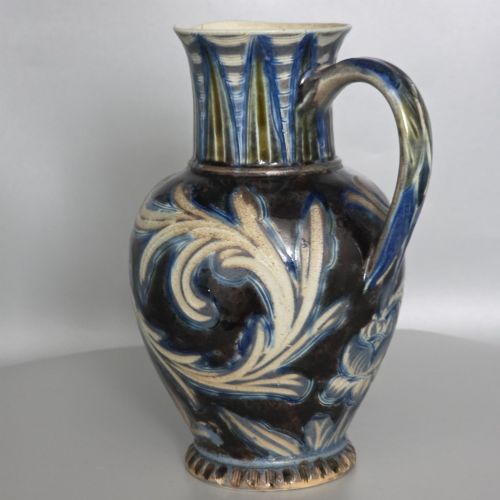
A brown glazed pottery jug is a functional vessel designed for pouring liquids, doubling as a decorative object with deep historical roots. When exploring this selection, a buyer encounters everything from utilitarian stoneware flasks to ornate Victorian majolica and art pottery.
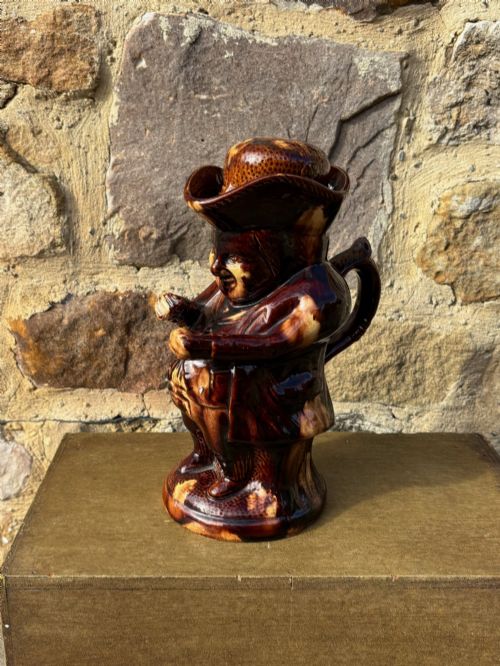
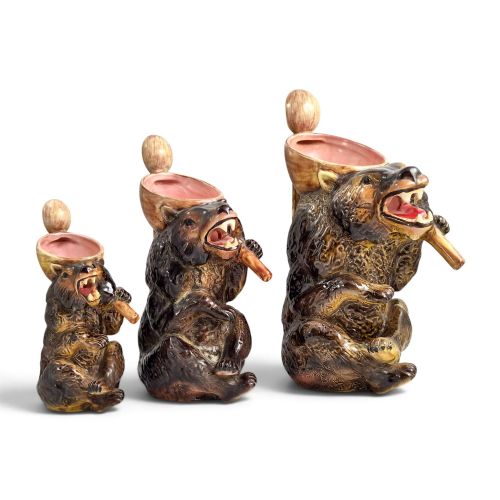
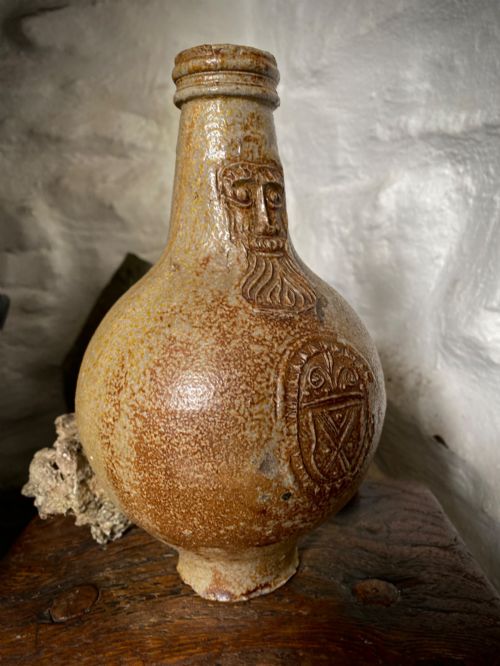
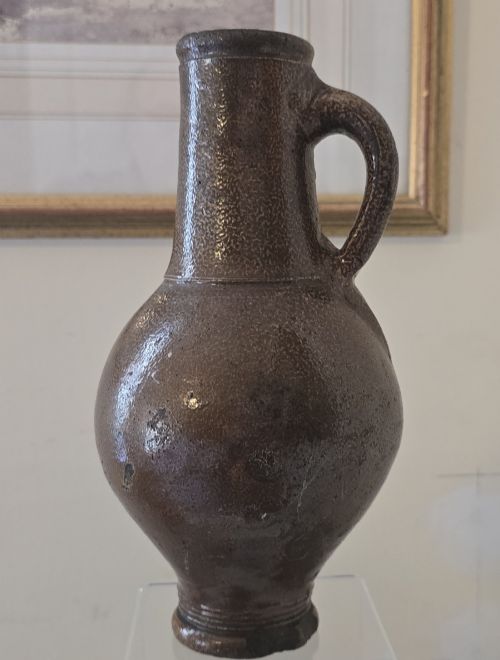
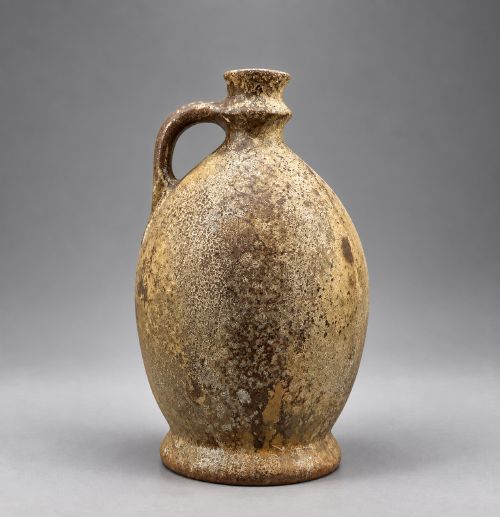
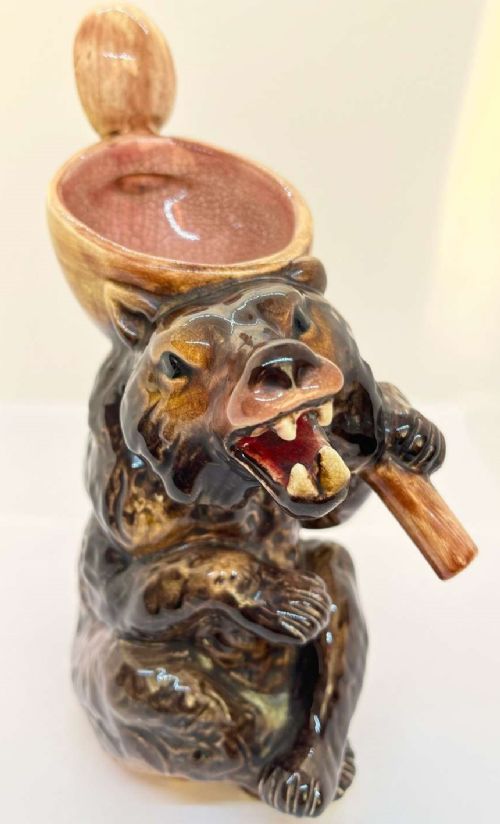
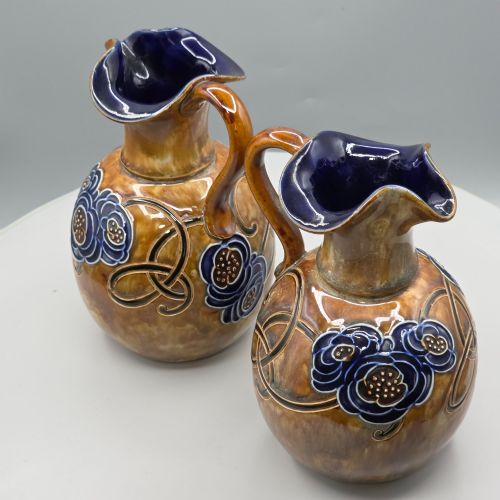
The pieces on this page originate from diverse eras, ranging from seventeenth-century continental salt glaze bottles to late nineteenth-century Arts and Crafts creations. Forms vary widely, encompassing harvest jugs, puzzle jugs, ale pitchers, and character figures.
Makers focused on both utility and ornamentation, producing heavy drinking vessels alongside delicate display pieces. Surviving examples demonstrate how deeply ceramics were integrated into daily life and social rituals across British and European households.
Materials and methods
Potters relied on durable bodies such as stoneware and earthenware, shaped on the wheel or moulded into complex figural forms. Earthenware provided a porous base requiring protective coatings, while denser stoneware offered superior strength for holding liquids.
Surfaces received specialised treatments including salt glaze, lead glaze, and rich slipware applications. Salt glaze was achieved by throwing common salt into the kiln during firing, creating a characteristic orange-peel texture on stoneware surfaces.
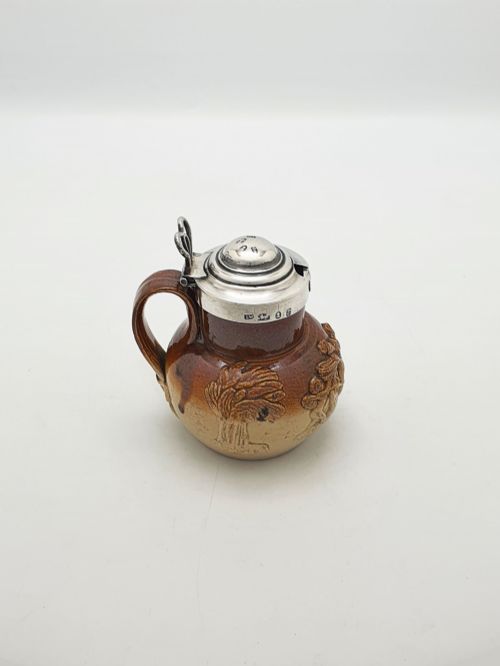
Many items incorporate functional or decorative metal elements, such as sterling silver collars and hinged lids. These additions elevated humble ceramic vessels into distinguished items fit for formal dining.
Brown Glazed Pottery Jug Retail Price Guide 2026
Typical asking prices for brown glazed pottery jug among the pieces listed under this phrase on Sellingantiques today, from the lower quarter to the upper quarter. They describe what is for sale here now, not the wider market.
Listings feature durable stoneware and earthenware bodies finished with salt glaze, lead glaze, and slipware.
Assessing craftsmanship
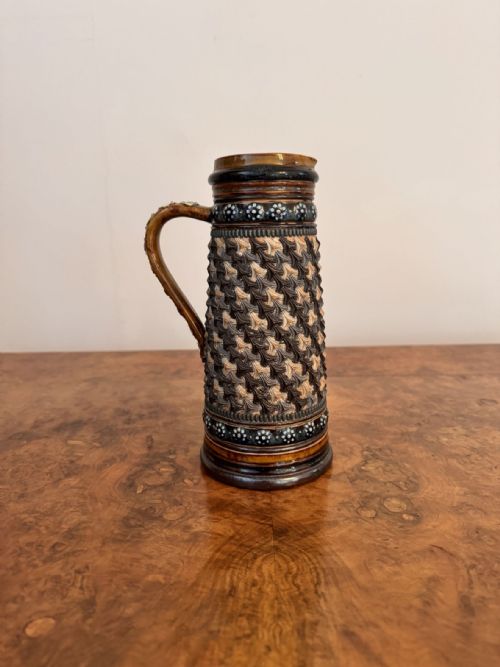
Quality reveals itself in the crispness of moulded relief details, the evenness of the glaze application, and the overall balance of the form. Superior examples display sharply defined patterns, whether incised foliage, sporting motifs, or mask decorations.
The presence of hallmarked silver mounts or artist signatures distinguishes workshop pieces from standard commercial production. Potteries employed skilled decorators whose brushwork and incised designs elevate individual vessels above standard output.
Doulton Lambeth·Holdcroft Majolica·George Jones
The Brown Glazed Pottery Jug Glossary
- Salt glaze
- A vitreous coating formed on stoneware by introducing salt into the kiln at high temperatures. This process creates a distinctive textured finish resembling orange peel.
- Puzzle jug
- An ingenious drinking vessel featuring a hollow tubular rim with concealed perforations that spill liquid unless the drinker covers specific hidden holes. They challenge users to imbibe without spilling.
- Majolica
- A colourful lead-glazed earthenware popular during the Victorian period, known for vivid hues and naturalistic plant or animal motifs. Makers used opaque tin-rich glazes to achieve brilliant chromatic effects.
- Slipware
- Pottery decorated with slip, which is liquefied clay poured or painted onto a damp clay body before firing. It creates contrasting linear or marbled patterns beneath a translucent glaze.
- Stoneware
- A dense, impermeable ceramic fired at high temperatures until the clay body vitrifies. It requires no glaze to hold liquids but frequently receives salt glazing for added protection.
Brown Glazed Pottery Jug: Frequently Asked Questions
What were brown glazed pottery jugs used for?
These vessels served primarily for storing, pouring, and serving beverages such as ale, wine, water, and spirits in domestic or tavern settings. Utilitarian stoneware bottles held liquids securely, while decorative jugs functioned as centrepieces or presentation pieces.
Over time, many transitioned from working pantry items to prized mantelpiece displays and collector cabinets. Their robust construction ensured survival across generations of household use.
How do I date a ceramic jug?
Dating relies on examining the clay body, glaze type, manufacturing technique, and any stamped maker marks or hallmarks on silver mounts. Stylistic clues such as Art Nouveau tendrils or Victorian relief ornamentation point directly to specific decades.
Comparing potting weights and decorative motifs with documented examples helps narrow down the period of origin. Unmarked pieces require careful analysis of form and regional potting traditions.
How should I display these jugs at home?
Display them on sturdy shelves, sideboards, or in glass-fronted cabinets where their tactile glazes and varied silhouettes can catch the light. Grouping pieces by period or material creates a cohesive historical narrative within a room.
Ensure heavy stoneware vessels rest on stable surfaces capable of supporting their weight safely. Keep them away from direct heat sources to protect historic glazes and any attached metal components.
What is a harvest jug?
A harvest jug is a traditional large vessel traditionally filled with ale and carried into the fields during agricultural harvesting festivals. They frequently featured spirited inscriptions, applied hunting scenes, or detailed stoneware reliefs.
These jugs played a central role in communal rural celebrations and harvest suppers. Today, collectors prize them for their vibrant social history and sculptural presence.