
Brown Framed Wall Mirror
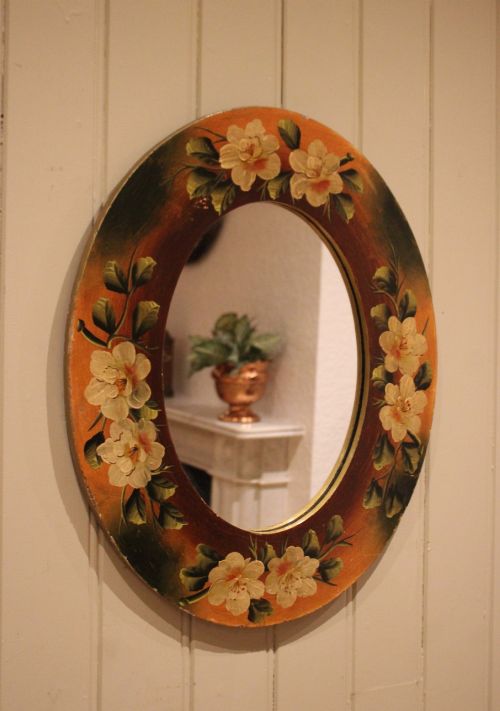
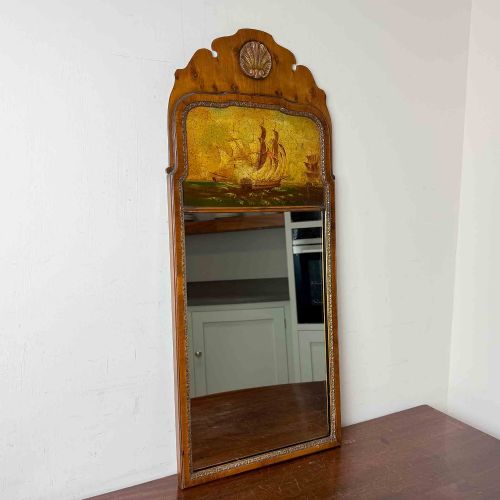
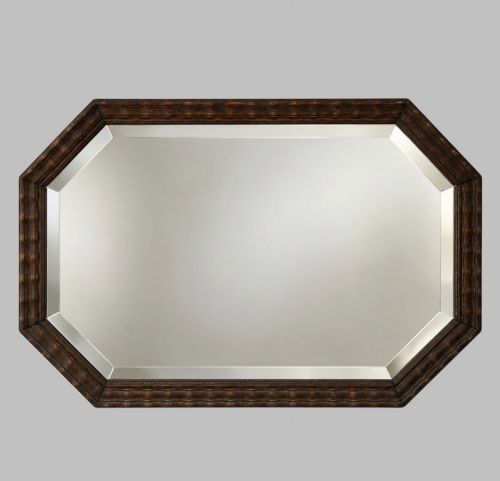
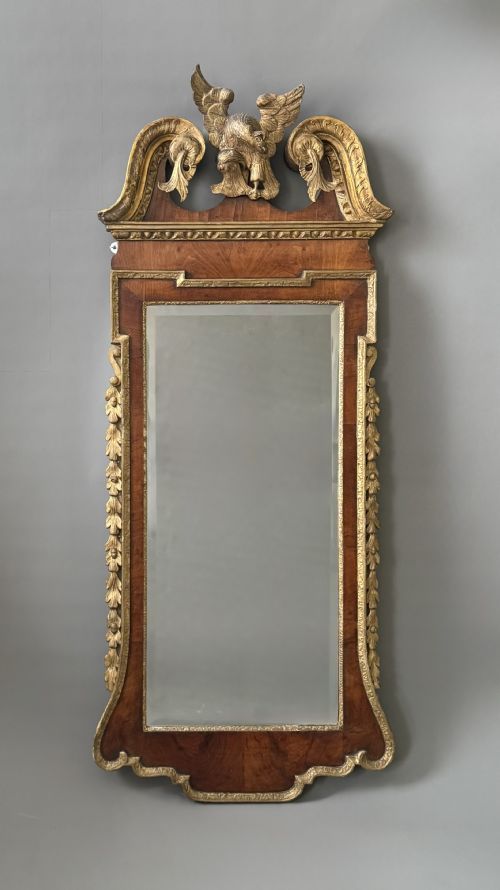
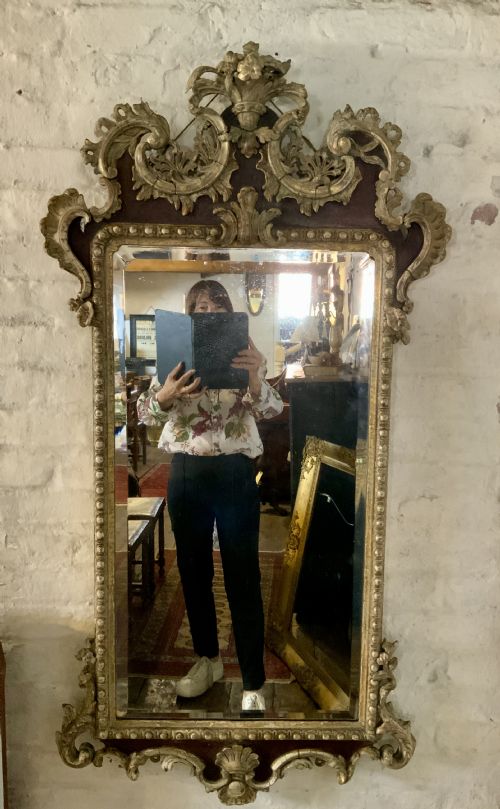
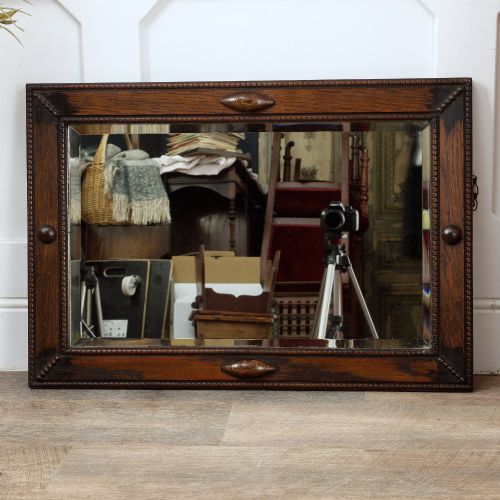
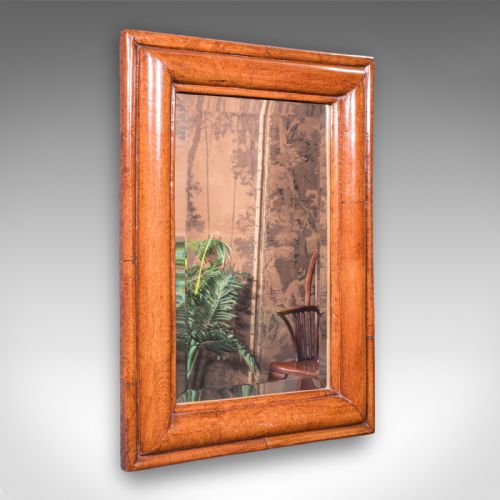
A brown framed wall mirror brings depth and warmth to a room, ranging from simple oak frames to elaborate walnut and gilt carvings.
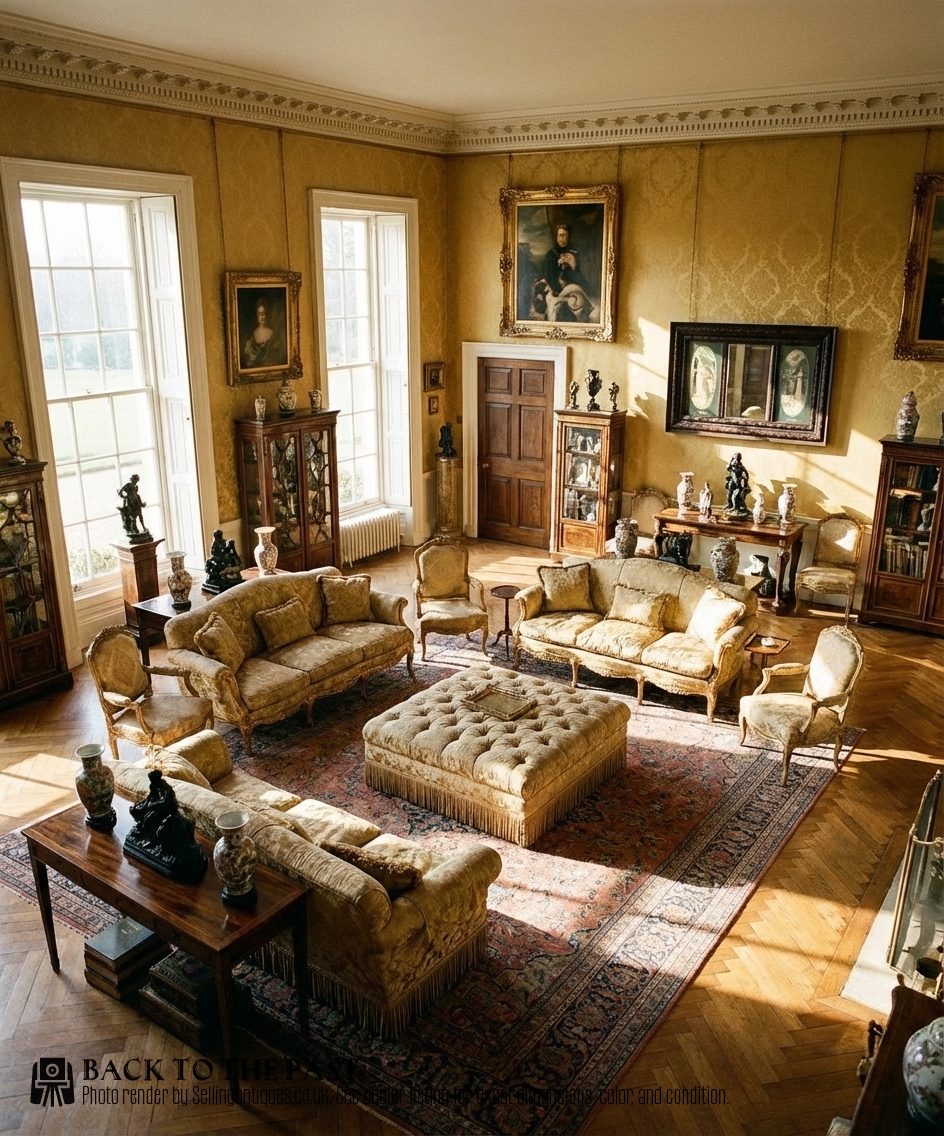
Brown Framed Wall Mirror
A brown framed wall mirror is a practical and decorative fixture defined by its timber surround, spanning formats from compact vanity glasses to large overmantels. Buyers searching for a brown framed wall mirror encounter diverse historical periods, including Georgian, Victorian, and Edwardian examples.
Overmantel mirrors and wall mirrors form the majority of the current options, serving both functional dressing roles and architectural decoration. Pieces span centuries of craftsmanship, connecting eighteenth-century walnut frames with early twentieth-century oak production.
Materials and construction
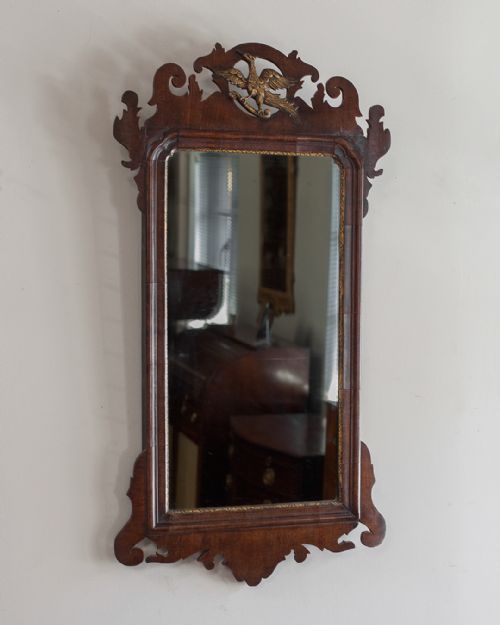
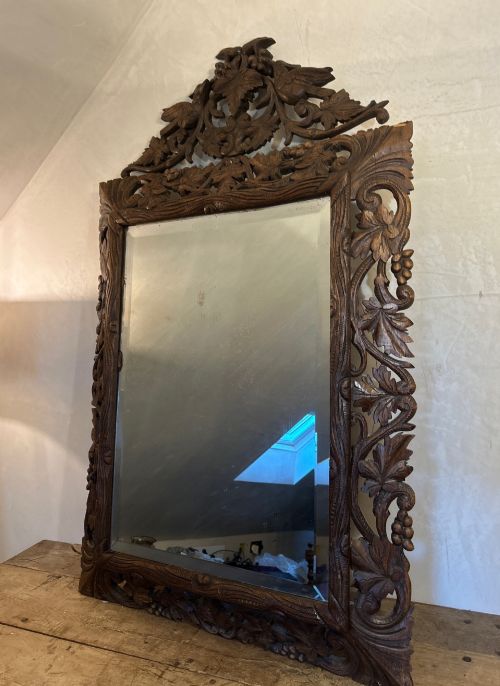
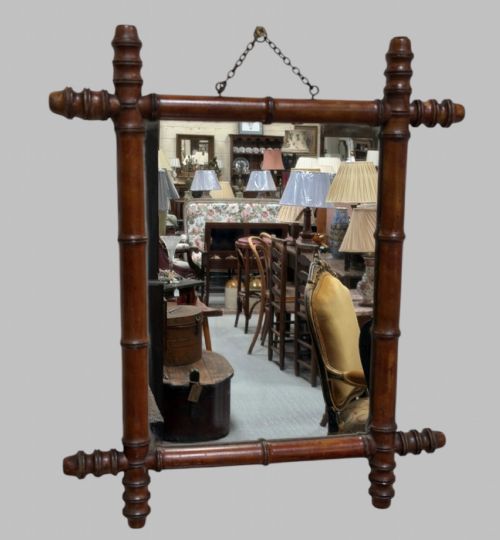
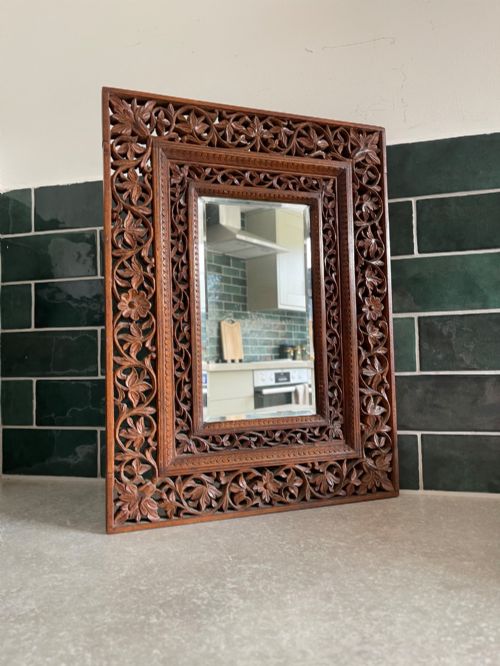
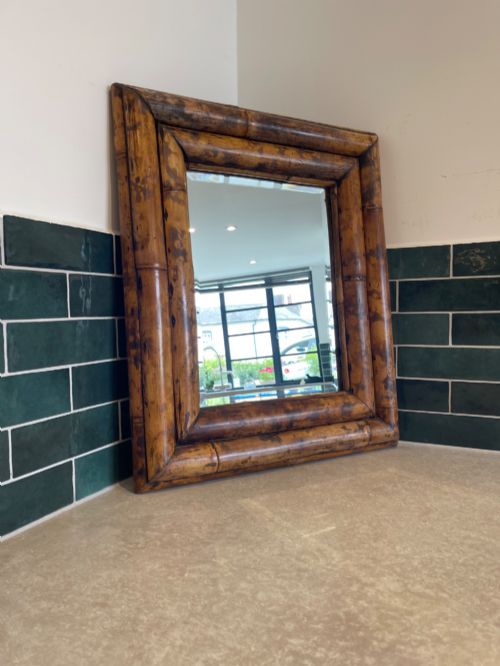
Frames rely heavily on traditional hardwoods such as oak, walnut, and mahogany, sometimes enhanced by burr walnut veneers or parcel gilt highlights. Artisans employed hand-carved detailing, marquetry inlay, and specialised finishes like faux bamboo and tortoiseshell ripple moulding.
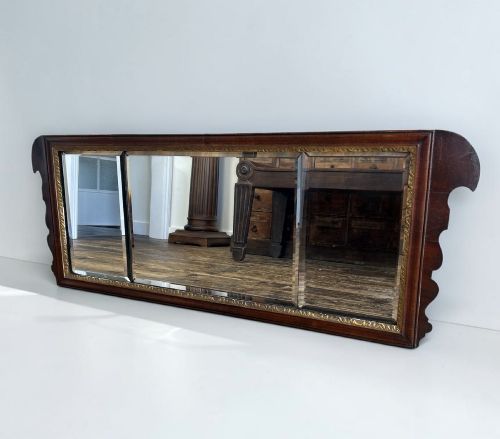
Mirror plates of the period involve silvering techniques behind flat or bevelled glass, occasionally taking convex or triple-plate configurations. Joinery techniques range from fret-sawn mahogany scrolls to robust pegged oak framing designed to support substantial glass weight.
The listings span from the 18th century through the Edwardian period, incorporating oak, walnut, mahogany, and giltwood.
Factors of quality
Quality rests in the crispness of the hand-carving and the selection of figured timber veneers like burr walnut or flame mahogany. Superior examples display original mirror glass with natural ageing rather than modern replacement plates.
The integrity of the frame construction and the subtlety of parcel gilt highlights separate standard utilitarian looking-glasses from master-carved decorative works. Original backing boards and period fixings further elevate the standing of a piece.
Waring and Gillow
The Brown Framed Wall Mirror Glossary
- Trumeau
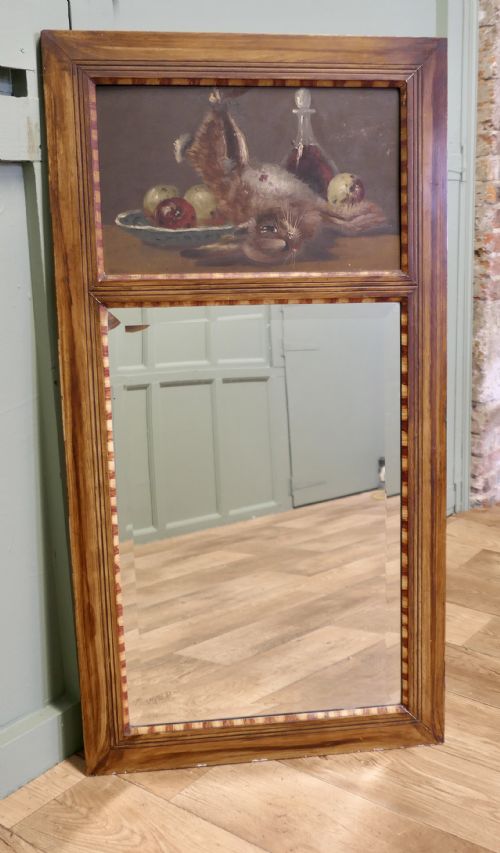
- A decorative mirror designed to fit a specific wall pier between windows or above a mantelpiece. These often incorporate painted panels or carvings above the glass.
- Overmantel
- A large mirror specifically proportioned to hang on the chimney breast above a fireplace. They frequently feature heavy wooden frames suited to grand Victorian rooms.
- Parcel gilt
- A surface treatment where parts of a wooden frame are selectively covered in thin gold leaf. This technique highlights carved details against a contrasting walnut or painted background.
- Fret mirror
- A wall mirror featuring a flat wooden frame with intricate fret-sawn outlines, popular during the Georgian era. The silhouette typically includes scrolled ears at the top and bottom corners.
- Convex mirror
- A round mirror featuring a curved glass plate that reflects a wide, distorted field of vision. Also known as a witch's mirror, it directs light effectively into darker corners of a room.
Brown Framed Wall Mirror: Frequently Asked Questions
How do I date a brown framed wall mirror?
Dating relies on examining the timber species, construction joints, and the characteristics of the mirror glass itself. Hand-bevelled edges, pine backing boards, and tool marks offer clear clues to the century of manufacture.
Stylistic cues also help narrow the period, as heavy oak carvings point to the Victorian era while fret-sawn mahogany suggests Georgian origins.
Where should I hang an overmantel mirror?
An overmantel mirror is traditionally positioned centrally above a fireplace mantelpiece to reflect light and anchor the room's decorative scheme. Their substantial scale makes them ideal focal points in principal reception rooms.
Ensure the wall fixings are secured directly into studs or masonry to support the considerable weight of timber and glass.
Are the mirror plates original?
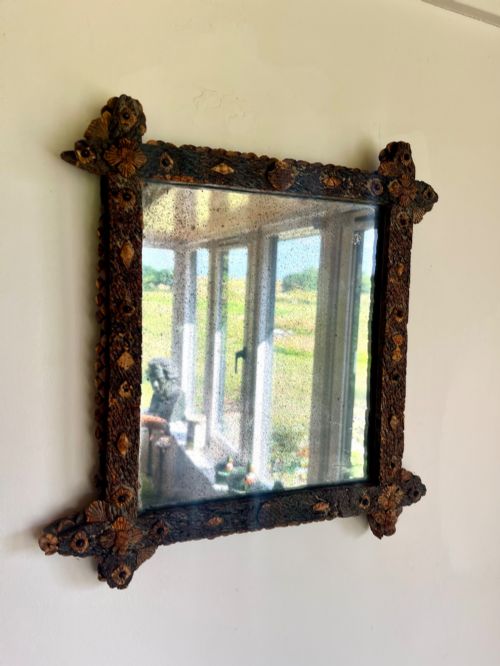
Original mirror glass often exhibits light foxing, minor speckling, and slight distortions due to historical manufacturing methods. These imperfections confirm the antiquity of the glass.
Replacement plates appear brighter and completely uniform, which changes the visual character of an antique frame.
How do I care for antique wood frames?
Maintain timber frames by dusting gently with a dry, soft cloth and avoiding silicone-based polishes. Keep mirrors away from direct sunlight and damp environments to protect the wood and the silvering behind the glass.
Occasional application of microcrystalline wax helps nourish older polished surfaces like walnut and mahogany without building up residue.