
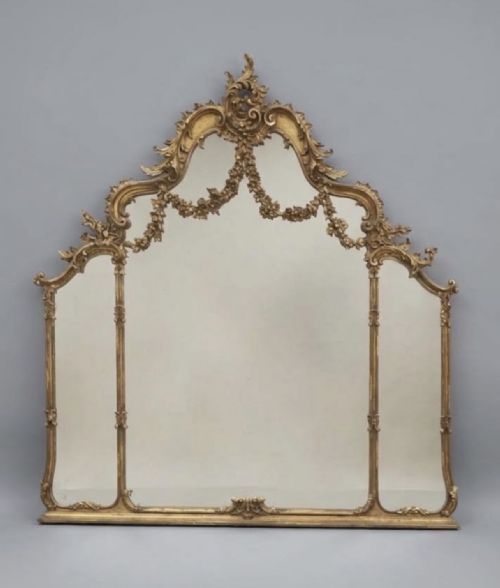
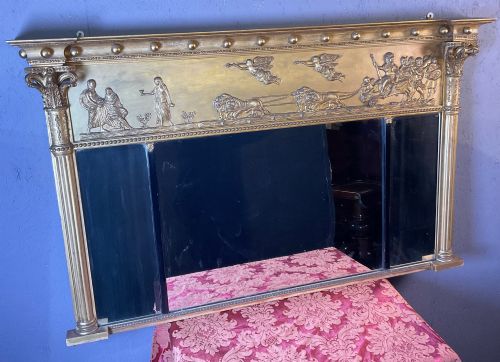


Antique Tripartite Mirror
An antique tripartite mirror delivers unmatched elegance and proportion to a room, dividing reflection across three distinct plates.
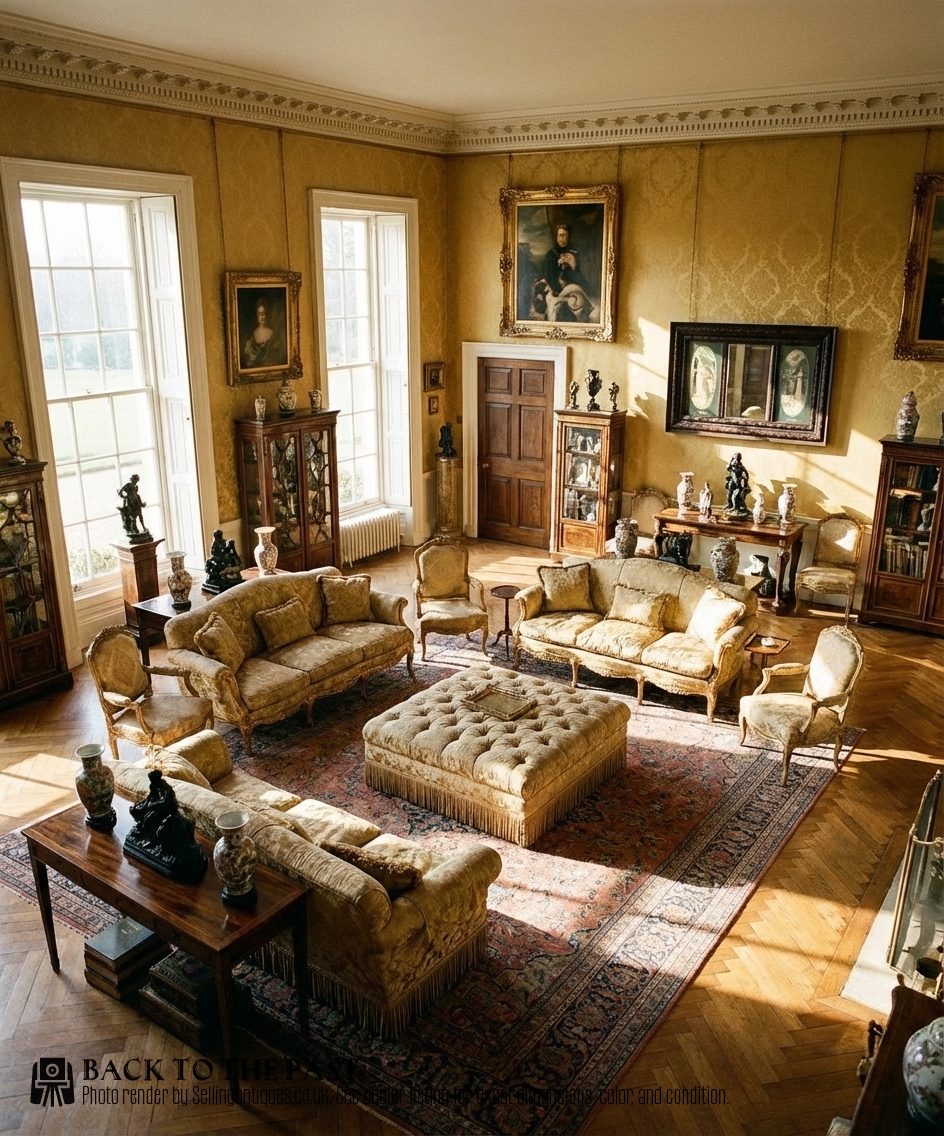
Antique Tripartite Mirror
When you search for an antique tripartite mirror, you encounter multi-plate looking glasses designed to sit above a mantelpiece or anchor a grand wall. These pieces primarily date from the eighteenth and nineteenth centuries, taking forms such as overmantel mirrors, wall mirrors, and pier mirrors.
The versions you meet most frequently on this page span the Regency, Victorian, and Edwardian periods, alongside revival styles like Rococo and Chippendale. They range from rectilinear giltwood frames to expansive architectural overmantels equipped with original mirror glass.
Makers and workshops of the past constructed these tripartite formats to maximise light and visually expand domestic interiors. Their tripartite division reflects classic proportions that remain central to period interior decoration today.
How they were made
Craftsmen built the underlying carcase using timbers like mahogany, walnut, and pine, shaping sturdy frames to support heavy glass plates. Wood surfaces often received a layer of gesso before artisans applied gold leaf or silver leaf by hand.
Moulded gesso ornamentation provided the foundation for intricate carvings, floral motifs, and classical details characteristic of Regency and Rococo Revival design. Individual mirror plates were then fitted into segmented rabbets, frequently utilising traditional silvered glass that shows authentic age.
Listings feature periods spanning from the eighteenth century through to the Edwardian era, predominantly utilising giltwood, mahogany, and gesso.
What varies in quality
Quality rests heavily on the crispness of the carved detail and the purity of the original gilding. Finer examples retain their deep, layered gold leaf and sharp gesso moulding without heavy restoration or flattening of relief.
The condition and authenticity of the mirror glass plates define the upper tier of pieces. Tripartite plates that preserve their original silvering and subtle surface irregularities command greater appreciation among collectors.
Ciceri & Co. of Edinburgh·Nosotti's
The Antique Tripartite Mirror Glossary
- Tripartite mirror
- A looking glass divided into three distinct vertical or horizontal sections, typically featuring a larger central plate flanked by two narrower ones. This tripartite arrangement creates a panoramic reflection.
- Giltwood
- Timber that has been coated with gold leaf over a prepared gesso base. This traditional finish yields a warm, reflective surface.
- Gesso
- A plaster-like mixture applied to wood frames to create a smooth surface for gilding and relief carving. It allows for intricate decorative mouldings.
- Overmantel mirror
- A large looking glass specifically proportioned to hang above a fireplace mantel. These pieces frequently incorporate tripartite divisions to span the width of the chimney breast.
- Pier mirror
- A tall, narrow looking glass designed to hang on the wall space between two windows. They often feature tripartite designs to amplify natural light.
Antique Tripartite Mirror: Frequently Asked Questions
Where should an antique tripartite mirror hang?
These mirrors traditionally anchor the wall directly above a fireplace mantelpiece, where their width balances the hearth below. Placing them opposite a window also maximises natural light distribution across the room.
Ensure the wall fixings are robust enough to support substantial timber and glass weight. Proper positioning enhances both the room proportions and the visibility of the tripartite divisions.
How do I identify a Regency tripartite mirror?
Regency examples typically display classical restraint, incorporating architectural lines, ball-stud mouldings, and reeded frames. Look for Neoclassical motifs and tripartite plates framed within sturdy giltwood structures.
Proportions tend to be balanced and horizontal, reflecting the interior tastes of the early nineteenth century. Surviving labels or backing boards can also confirm the period.
Can I clean the original mirror glass?
Original mirror glass requires gentle maintenance to preserve the historic silvering beneath the surface. Use a soft, dry cloth to remove dust rather than chemical sprays that might seep behind the plates.
Avoid abrasive cleaners on the giltwood or gesso frame to prevent wearing away the gold leaf. Light, careful dusting maintains the surface without disturbing the antique patina.
What defines Chippendale style mirrors?
Chippendale style pieces showcase elaborate carved mahogany frames influenced by mid-eighteenth-century design manuals. Expect asymmetrical scrolls, naturalistic foliage, and gilt highlights that accentuate the carved depth.
These mirrors emphasise artisanal woodwork and intricate fretwork over simple geometric mouldings. The tripartite versions adapt these classical motifs across a wider horizontal format.