


Antique Picture Mirror
An antique picture mirror combines the depth of framed art with the practical reflection of a looking glass.
Antique Picture Mirror
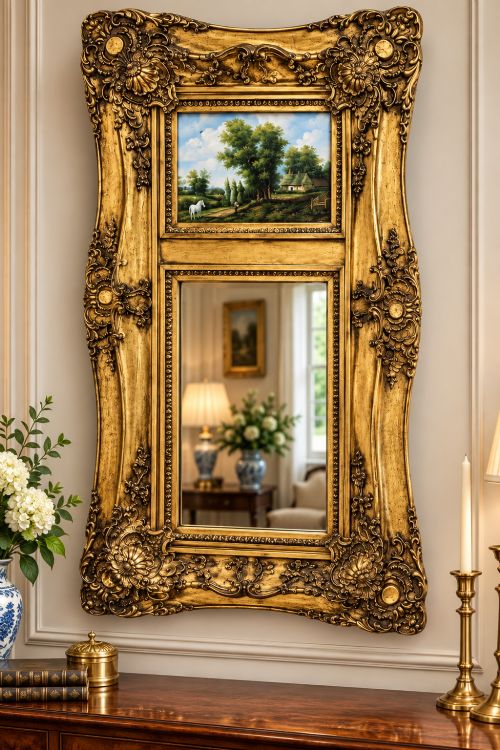
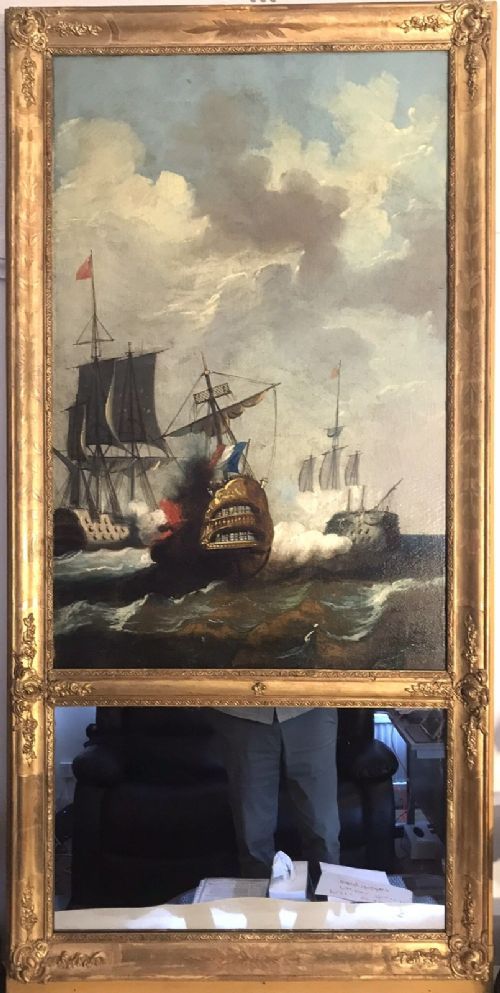
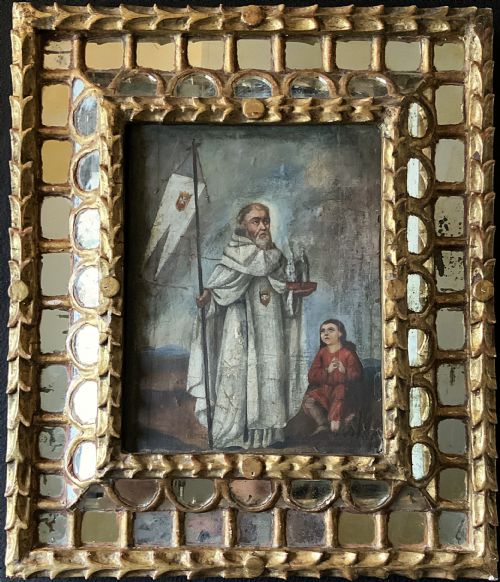
When you search for an antique picture mirror, you encounter a hybrid decorative form that merges canvas art, prints, or reverse glass paintings directly with a reflective surface or a substantial frame. The listings span the nineteenth century and the Edwardian era, featuring wall-hung overmantles, trumeau panels, and smaller table variations.
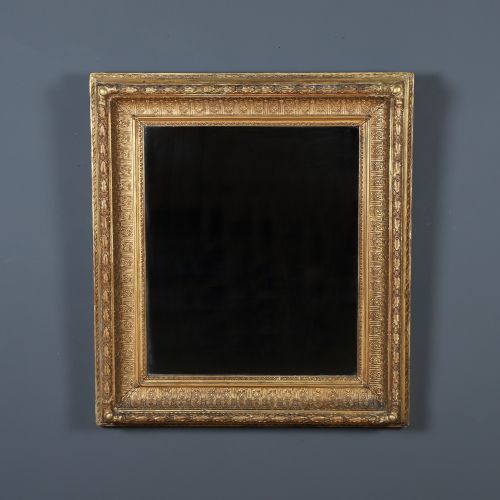
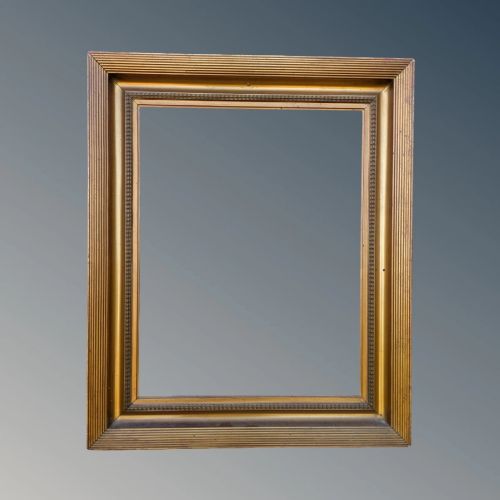
Most examples originate from the Victorian period, employing heavy gilding and elaborate moulding to frame either an integrated oil painting or a central mirror plate. You find French chateau styles alongside English domestic pieces, often utilising canvas or reverse glass prints set above the glass.
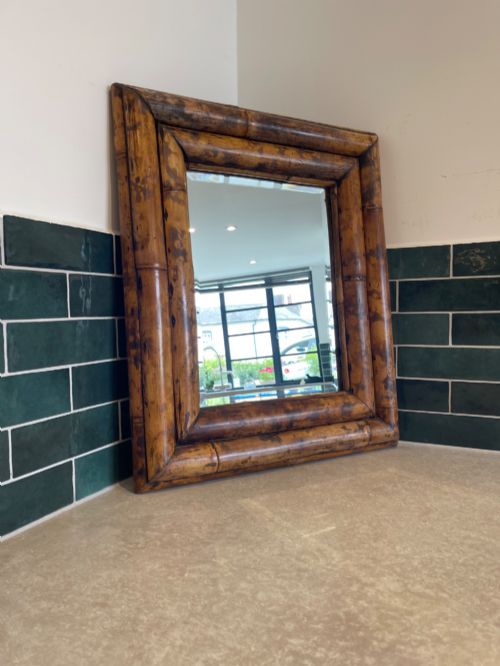
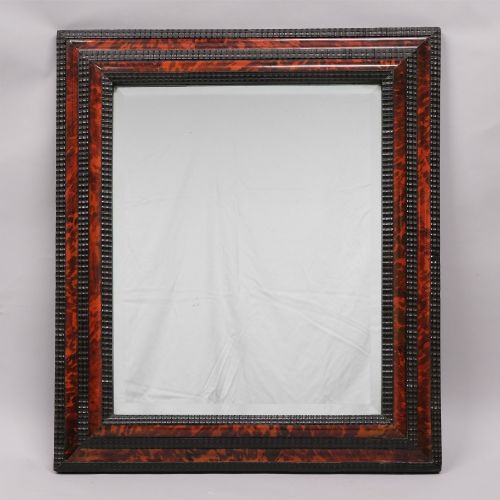
The hybrid format serves a dual purpose in period interiors, functioning simultaneously as a visual artwork and a light-amplifying wall mirror. Pieces range from grand architectural overmantles to delicate bamboo or tortoiseshell frames housing maritime scenes and portraits.
Materials and Construction
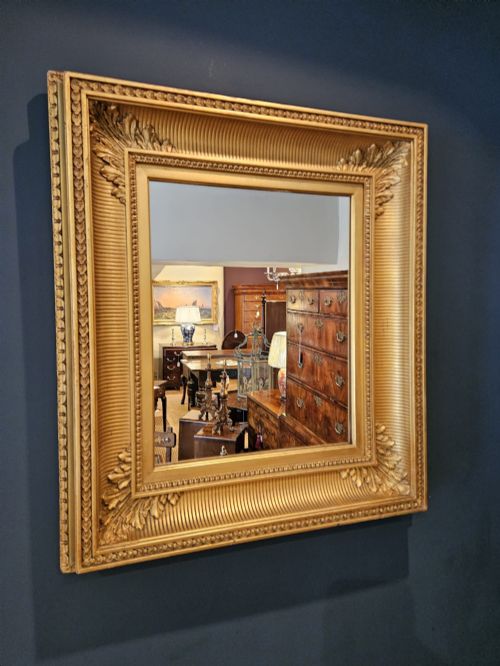
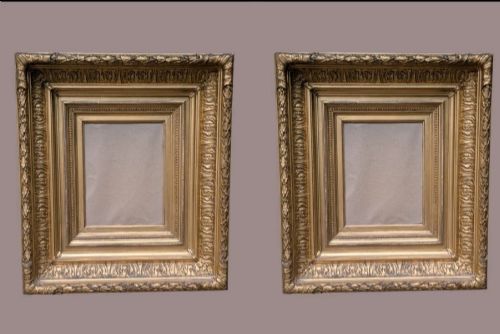
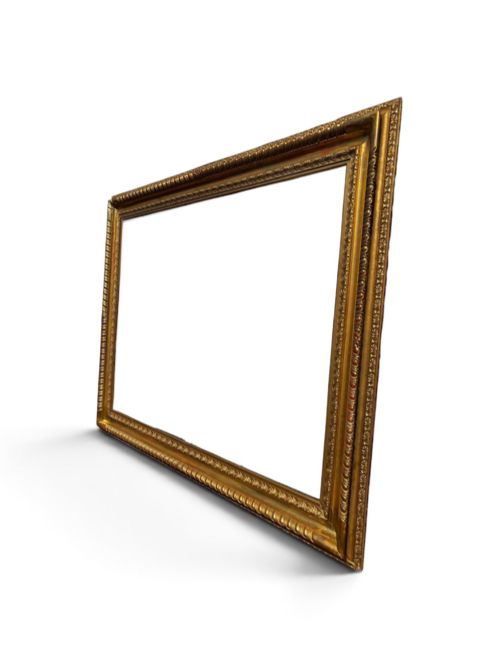
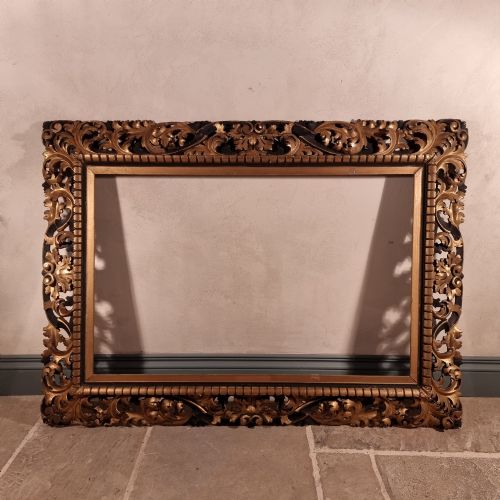
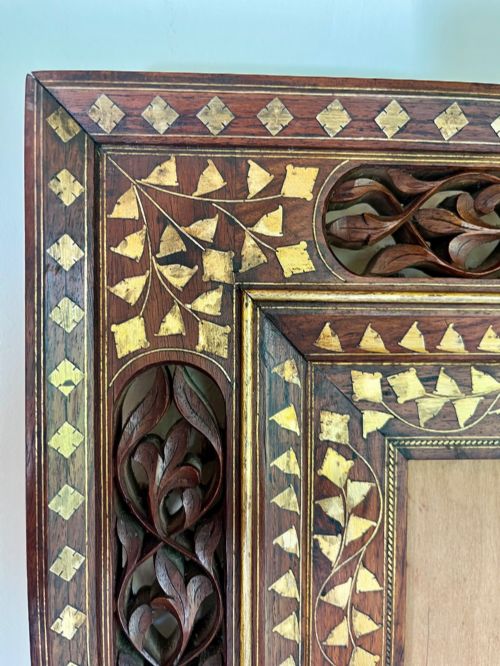
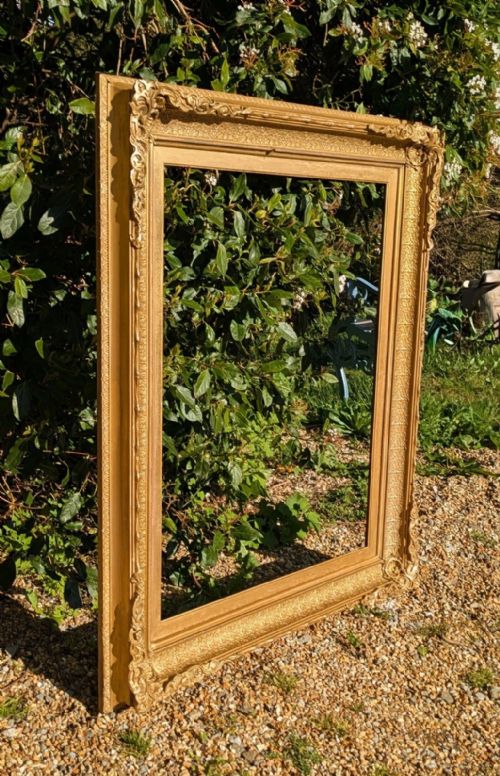
Carved timber and timber compositions form the structural core of these pieces, heavily layered with gesso to build up intricate surface ornamentation before the application of gold leaf or metallic paint. Artisans sculpted acanthus leaves, floral motifs, and rococo scrolls directly into the gesso matrix.
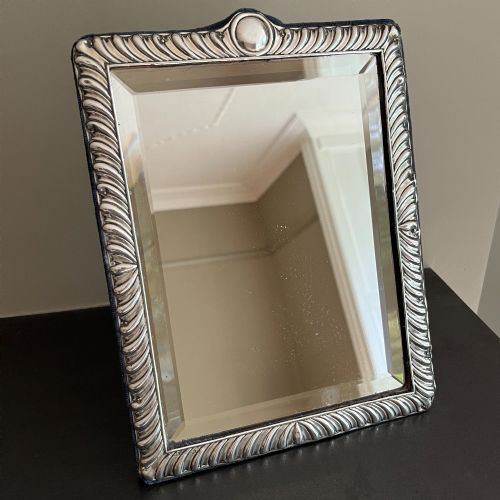
Reflective plates and artistic panels sit within these deep mouldings, utilising traditional silvering techniques alongside oil paintings on canvas, oleographs, and reverse glass paintings. Brass, bronze, and sterling silver also appear in metal frames and strut backs.
Joinery methods reflect the period of origin, combining traditional corner blocks and pegged joints with applied composition ornaments. The integration of fine art required precise rebate depths to secure both the glass and the accompanying painting.
Indicators of Quality
The crispness of the hand-modelled gesso and the depth of the carving distinguish finer examples from mass-produced Victorian alternatives. Superior pieces exhibit sharp undercutting in floral and scrollwork elements rather than rounded, soft cast shapes.
The quality of the integrated artwork or reverse glass print dictates the overall value and visual harmony of the piece. Hand-painted maritime scenes or portraits display superior brushwork and pigment retention compared to mechanical prints.
The integrity of the original gold leaf and the preservation of the underlying timber ground determine the desirability of the surface. Surviving original gilding with natural patination carries more aesthetic weight than later over-gilding.
The Antique Picture Mirror Glossary
- Trumeau mirror
- A decorative wall mirror featuring an oil painting or panel set directly into the upper section of the wooden frame.
- Gesso
- A plaster-like mixture applied to wood frames and carved or moulded into relief decoration before gilding.
- Reverse glass painting
- An artwork painted directly onto the back of a glass pane and viewed from the front, often found above nineteenth-century mirror plates.
- Overmantle mirror
- A large horizontal mirror designed to hang specifically above a fireplace mantelpiece.
- Cassetta frame
- A classical Italian moulding style characterised by a flat central frieze flanked by raised inner and outer profiles.
Antique Picture Mirror: Frequently Asked Questions
What is a picture mirror?
A picture mirror combines a looking glass with an integrated painting, print, or decorative panel within a single frame.
These dual-purpose objects originated as decorative wall pieces for period reception rooms and hallways.
Where were picture mirrors hung?
They typically hung above fireplaces as overmantles or served as pier mirrors placed between windows to reflect light.
Smaller table versions and strut mirrors sat on vanity sets, desks, and console tables.
How do I date a frame?
Dating relies on stylistic clues like Victorian rococo revival scrolls, Edwardian silver mounts, or seventeenth-century Spanish baroque profiles.
Construction methods, timber types such as maple or mahogany, and the composition of the gesso also indicate the period.
Are the paintings original?
Many pieces retain their original oil paintings, oleographs, or reverse glass prints depicting landscapes, portraits, or maritime scenes.
Some examples pair older frames with contemporary mirror glass or later replacement art panels.