

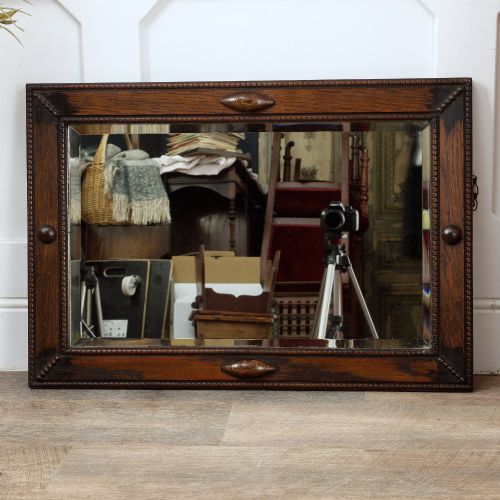
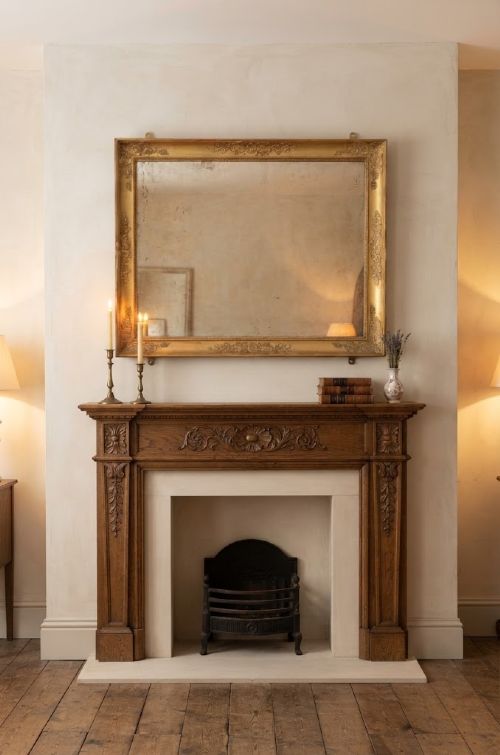
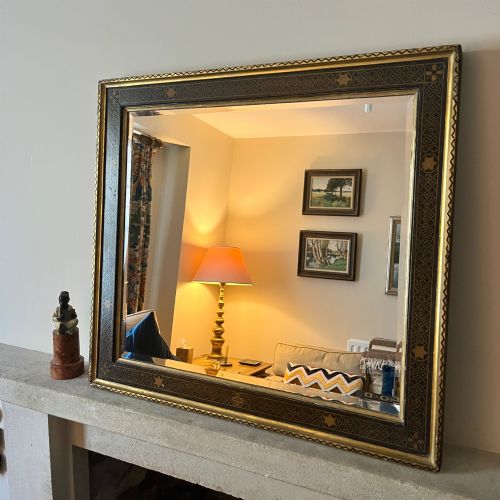
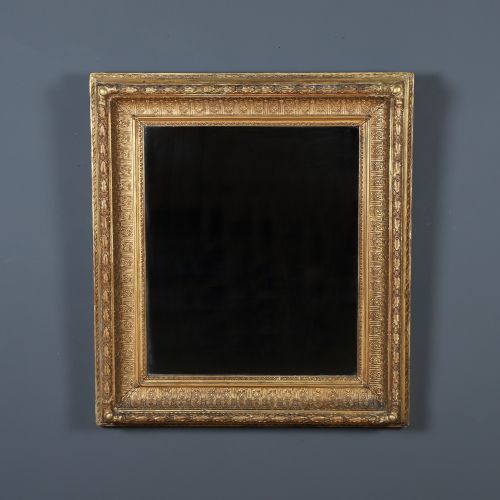
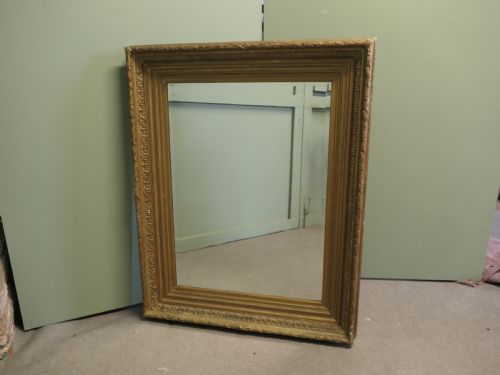
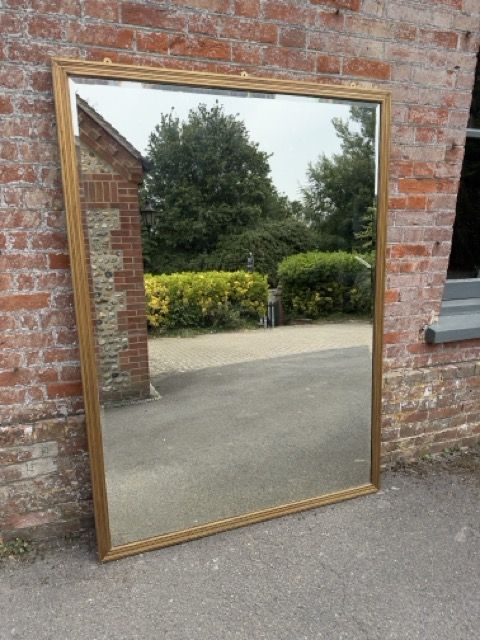
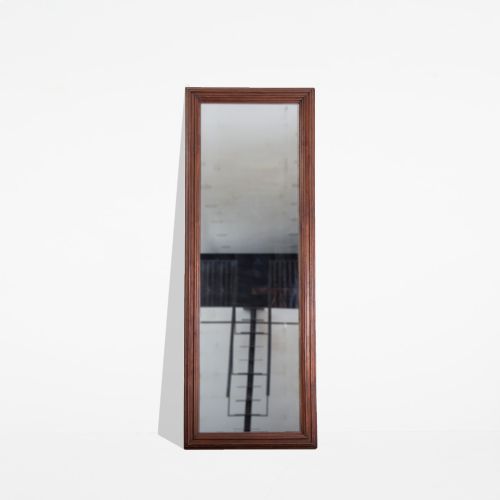
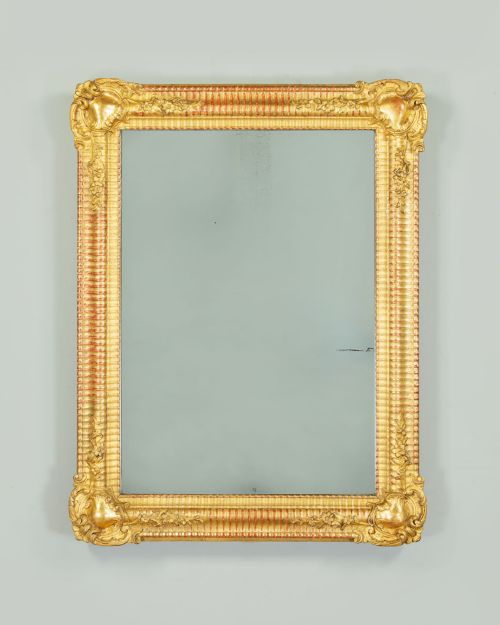
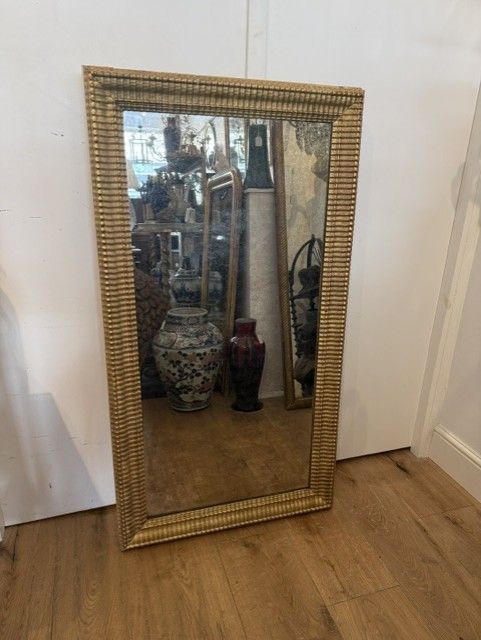
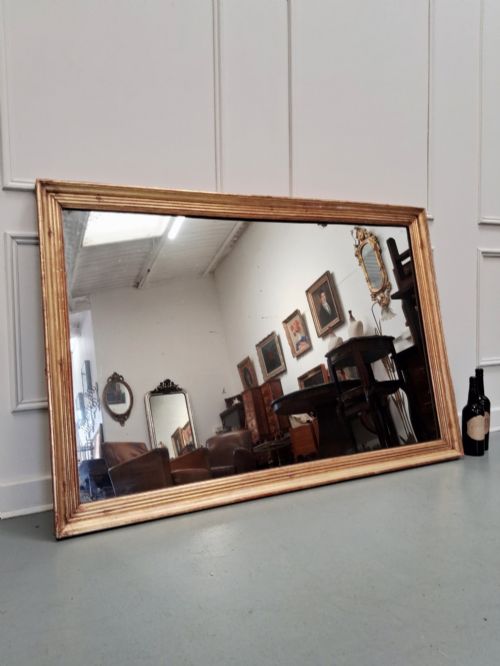
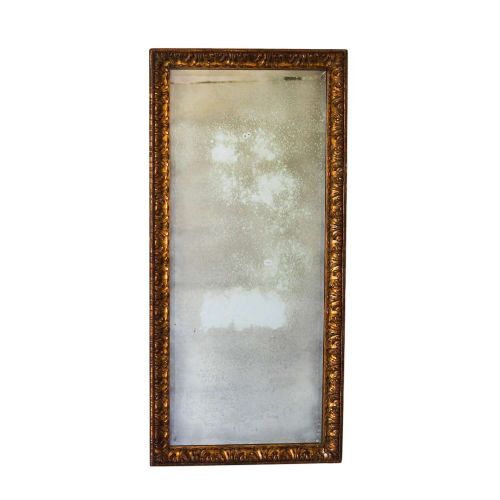
Rectangular Wood Frame Mirror
These rectangular wood frame mirror selections offer historical presence and functional depth, providing an authentic anchor for any interior scheme.
Rectangular Wood Frame Mirror
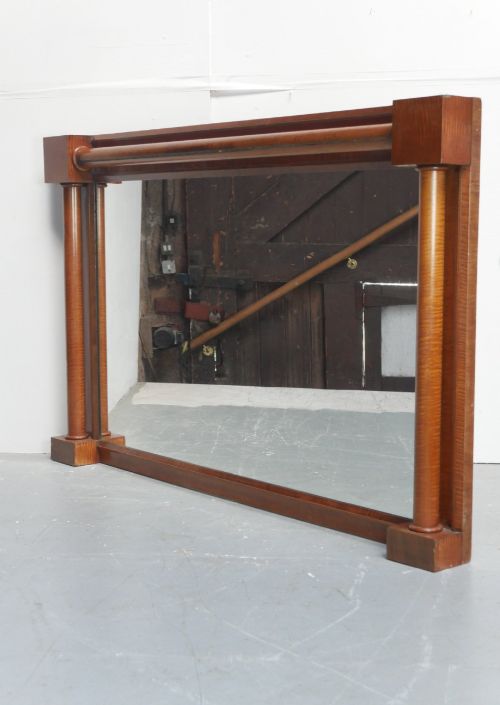
A rectangular wood frame mirror brings historical utility and decorative weight to a room, functioning as both an optical tool and a substantial wall piece. When searching this phrase, buyers encounter formats ranging from compact hallway glasses to expansive overmantels designed to reflect light across high ceilings.
The pieces appearing on this page span the nineteenth century, the Edwardian period, and the Regency era, taking forms such as wall mirrors, overmantels, pier mirrors, and trumeaux. Regional origins include English country houses, French provincial workshops, Italian ateliers, and Anglo-Indian production.
The woodwork itself varies widely in species and finish, encompassing native oak, walnut, and maple alongside exotic hardwoods like shisham. Many pieces employ traditional timber framing enhanced by applied gesso, while others rely on the natural grain of the underlying wood.
How They Were Made
Makers constructed these frames using solid timbers such as oak, walnut, mahogany, and maple, often joined with traditional corner construction to withstand the weight of heavy glass plates. Wood surfaces were left natural, ebonised, polished, or painted, while others received elaborate surface preparations.
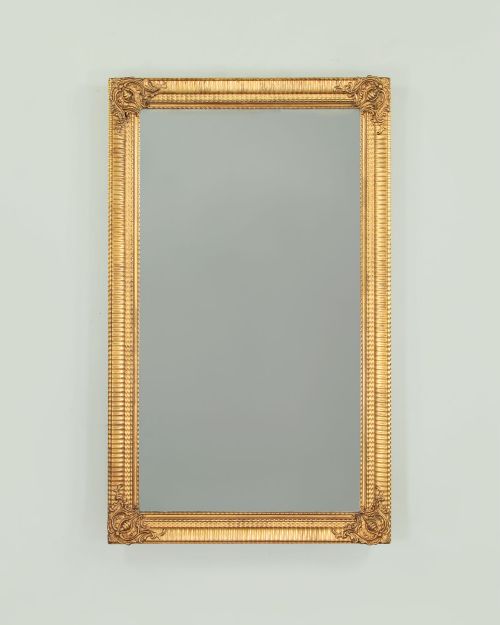
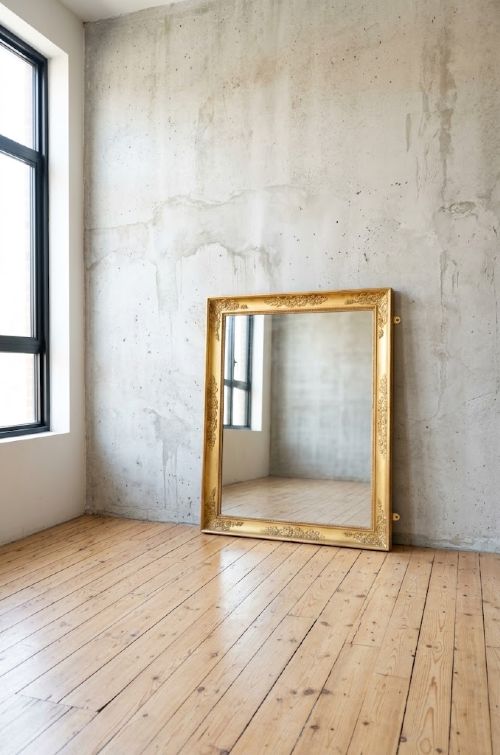
Giltwood and gesso pieces required layers of chalk and glue composition applied over wood, carved into floral or mythological motifs, and then covered in gold leaf or oil gilt. Mirror glass was bevelled or flat-mounted, sometimes exhibiting foxing and age spots from decades of atmospheric exposure.
The selection includes regional variations from French provincial workshops, Italian ebonised ateliers, and English country houses.
What Varies in Quality
Quality rests in the depth and precision of the carving, distinguishing crisp hand-chiselled foliage and mythological figures from softer, moulded plaster ornament. The integrity of the timber joints and the weight of the original glass plate further separate standard domestic items from grander commission pieces.
The application of the gilding and the preservation of the original surface patination determine the visual richness of the object over time. Subtle details, such as ripple mouldings, faux tortoiseshell finishes, or inlaid ivory work, denote specialist craftsmanship.
The Rectangular Wood Frame Mirror Glossary
- Gesso
- A plaster mixture applied to wood frames to provide a smooth base for carving and gilding. This material allowed artisans to create intricate relief decorations.
- Trumeau
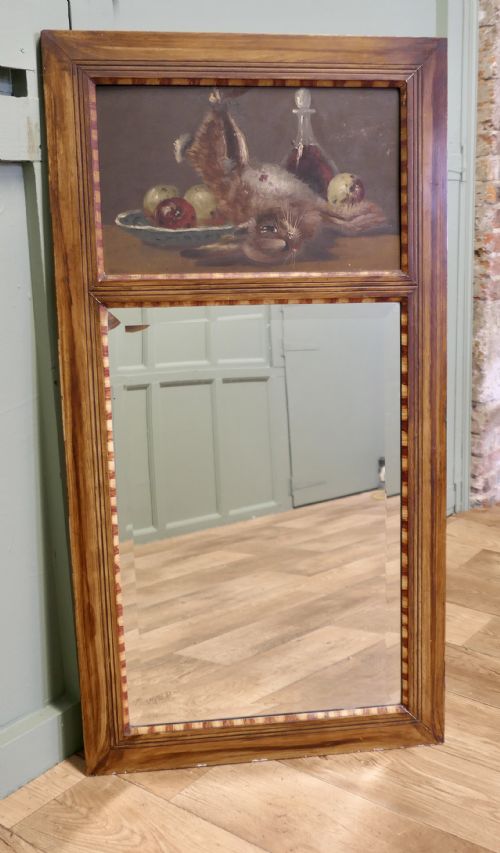
- A tall pier glass or mirror designed to fit on the wall space between two windows. These French architectural mirrors often incorporate painted panels or carvings above the glass.
- Foxed plate
- Mirror glass showing speckled dark spots caused by the degradation of the silver backing over time. Collectors often prize this natural sign of age.
- Giltwood
- Timber that has been coated with thin sheets of gold leaf. It reflects natural daylight effectively in domestic interiors.
Rectangular Wood Frame Mirror: Frequently Asked Questions
How do I hang a heavy antique mirror safely?
Heavy frames require sturdy fixings screwed directly into wall studs or masonry rather than standard plasterboard plugs. Professional framing brackets distribute the considerable weight of timber and glass evenly across the wall.
Ensure the hanging wire or integrated metal rings on the back of the frame are robust and securely fastened to the wooden structure itself.
What is the difference between a pier mirror and an overmantel?
Pier mirrors are traditionally tall and narrow, built to fit the narrow wall section between windows. Overmantels are broader and horizontal, proportioned to sit above fireplace surrounds.
Both forms utilise wooden frames, but their dimensions dictate their historical placement within a nineteenth-century room scheme.
How should I clean an antique glass plate?
Use a soft, dry microfibre cloth to remove dust from the glass and wooden frame without introducing moisture. Avoid chemical sprays that can seep behind the frame and damage the fragile silver backing or foxed areas.
If liquid cleaner is necessary, apply a small amount to the cloth rather than directly onto the mirror surface.
Can I date a mirror by its wooden frame?
Timber choice and construction methods offer clear chronological clues, such as nineteenth-century oak, walnut, or maple framing techniques. Hand-cut joinery and applied gesso styles also align with specific periods like the Regency or Edwardian eras.
Examining the backboards and fixings provides further evidence of the manufacturing period.