






Turned Wood Mirror Frame
A turned wood mirror frame brings warmth to a hallway through timber grain and simple lathe work.
Turned Wood Mirror Frame
A turned wood mirror frame is a functional wall or standing looking glass defined by rounded, lathe-shaped mouldings along its border. When you search for a turned wood mirror frame, you encounter designs ranging from compact wall pieces to tall cheval mirrors.
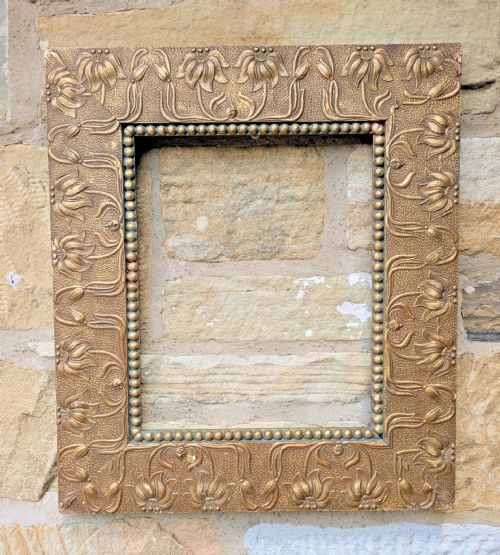
The examples on this page span the nineteenth century, the Regency era, and the early twentieth century. You will frequently find styles such as Victorian, French Provincial, and Art Nouveau represented among the current selection.
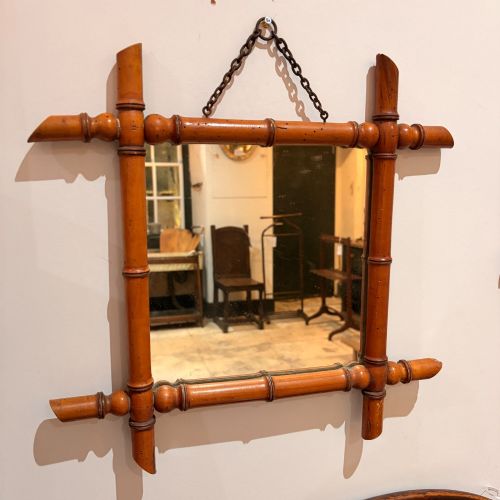
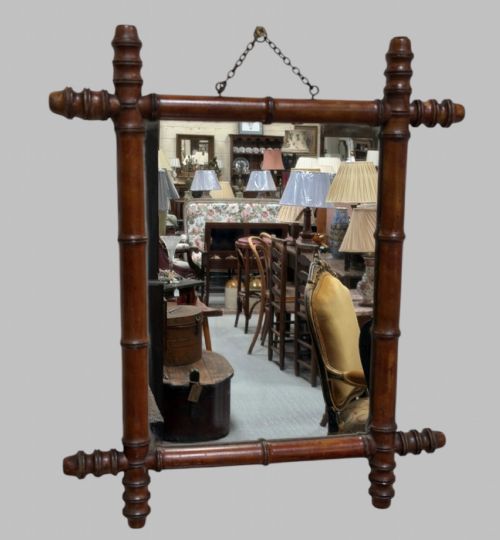
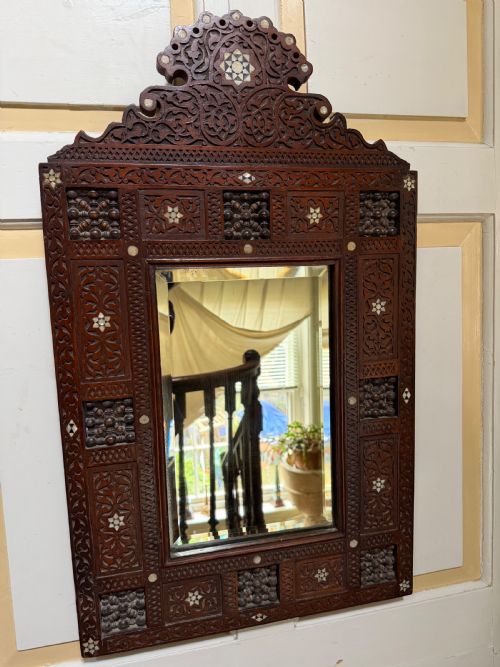
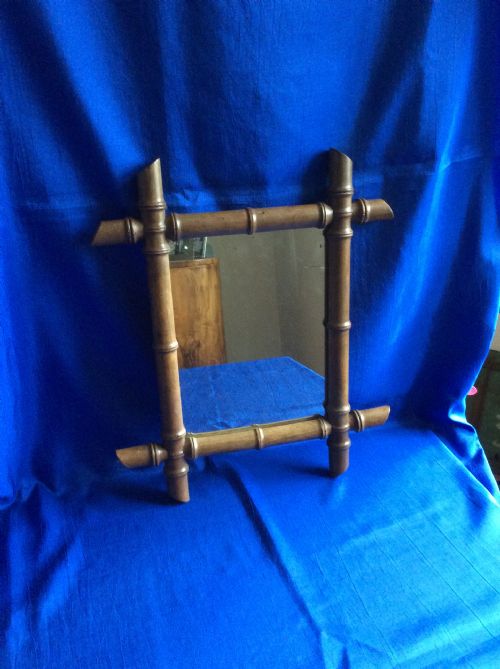
Makers utilised various timbers and decorative forms, including faux bamboo and carved fruitwood, to suit domestic spaces like halls and lounges. These items function as practical reflections and decorative wall elements alike.
How they were made
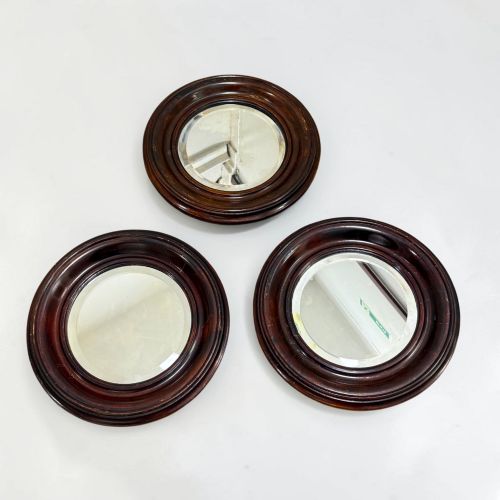
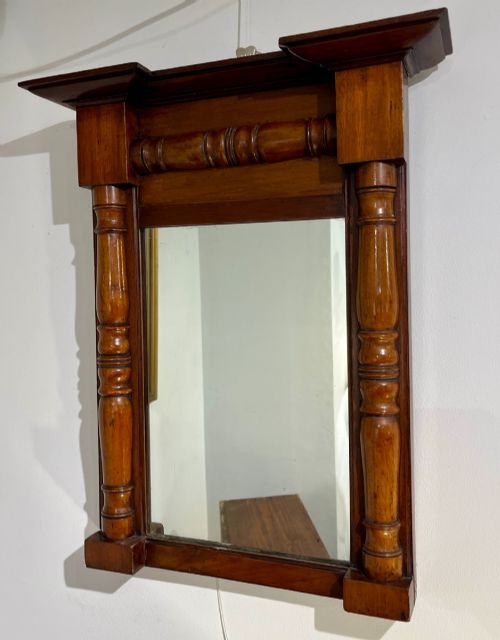
The construction relies heavily on solid timbers such as mahogany, beech, and dark oak shaped on a lathe. Craftsmen turned the wood to create repeating rings, reeds, and spindles that frame the central glass.
Secondary materials like brass, metal, and bone occasionally appear as structural brackets, decorative pins, or hanging fixings. Frames are then assembled to house either standard mirror glass or heavy overmantle plates.
The listings on this page span several decades, featuring materials ranging from mahogany and beech to metal, bone, and mirror glass.
What varies in quality
Quality rests in the crispness of the lathe turning and the selection of the underlying timber. Denser woods like mahogany hold sharper spindle profiles than softer alternatives.
The integrity of the mitred joints and the original condition of the glass determine the distinction between standard domestic items and finer examples. Heavy frames require robust timber construction to support the weight of the mirror plate over time.
The Turned Wood Mirror Frame Glossary
- Cheval mirror
- A freestanding looking glass suspended on a vertical swivelling frame. This allows the user to tilt the glass to various angles.
- Faux bamboo
- A decorative technique where timber is carved or turned to imitate natural bamboo stalks. It became popular during the nineteenth century.
- Overmantle mirror
- A wide glass designed to sit directly above a fireplace mantelpiece. These pieces often span the full width of the chimney breast.
Turned Wood Mirror Frame: Frequently Asked Questions
Where should I hang a turned wood mirror?
These pieces suit narrow entrance halls, living rooms, and bedrooms where timber warmth adds texture to the walls.
Ensure the wall fixings match the weight of the specific frame and glass combination.
How do I identify a Regency frame?
Regency pieces often display classical restraint, clean lines, and dark mahogany timbers derived from neoclassical design influences.
Later revivals from the nineteenth and twentieth centuries frequently emulate these proportions.
Are these mirrors heavy?
Weight depends entirely on the thickness of the timber frame and the size of the mirror glass inside.
Solid mahogany and oak versions require secure wall anchors rather than simple picture hooks.
What is faux bamboo?
Faux bamboo is a decorative style where wood is turned on a lathe to replicate segmented bamboo canes.
Victorian makers adopted this technique widely for lighter bedroom and salon furnishings.