



Bronze Figural Sculpture
Bronze figural sculpture brings human and animal forms to life in cast metal, offering collectors tactile pieces of historical narrative.

Bronze Figural Sculpture
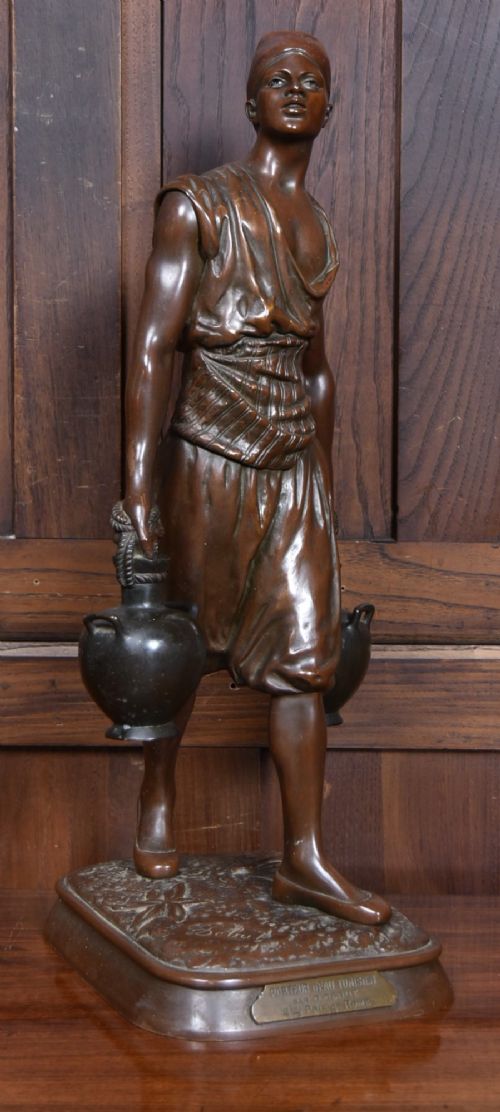
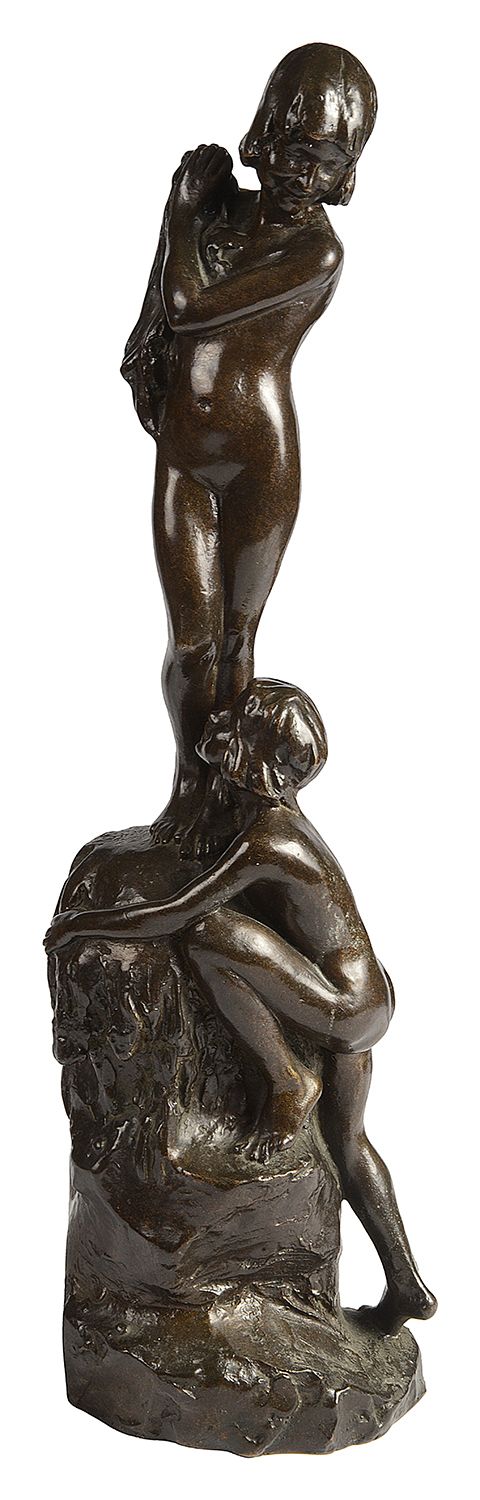
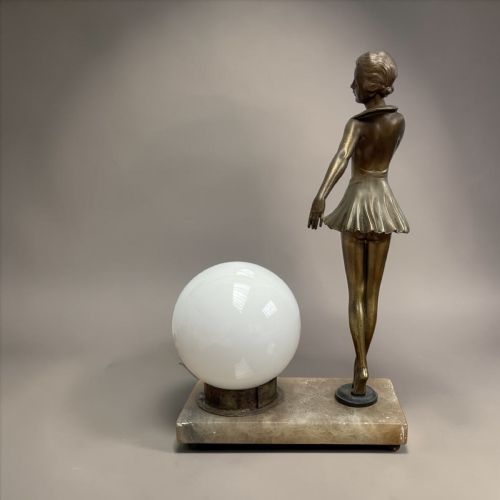
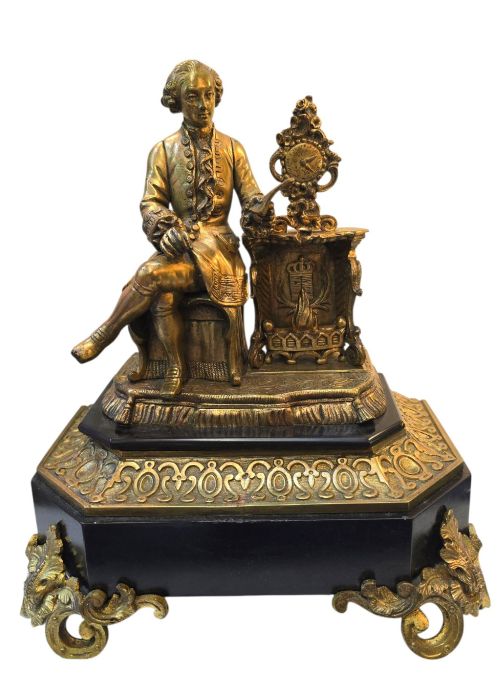
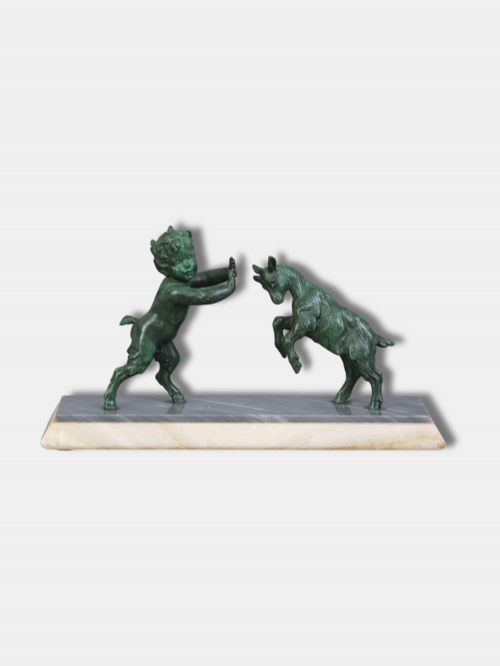
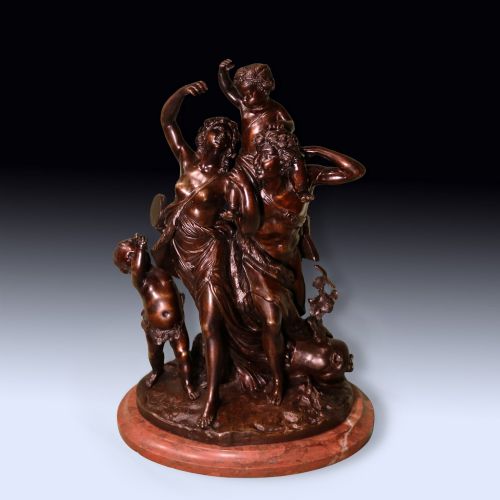
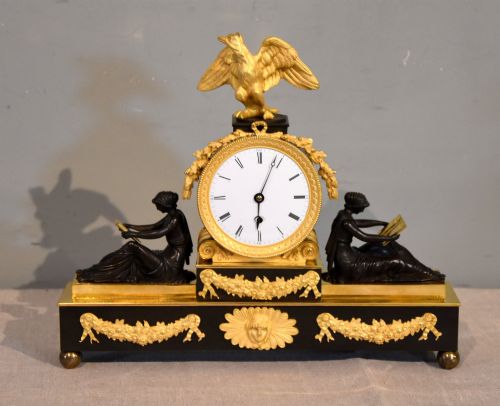
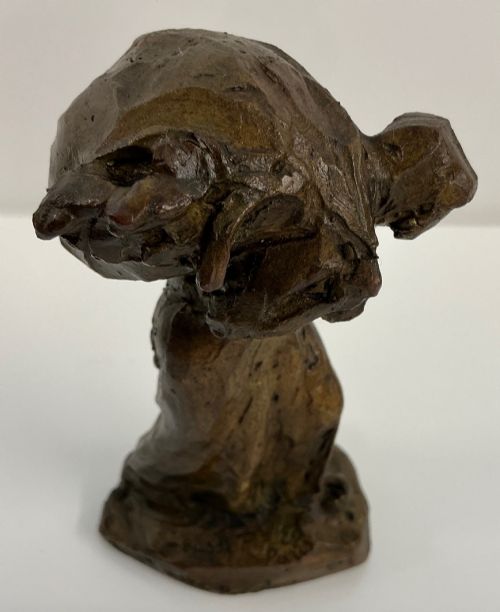
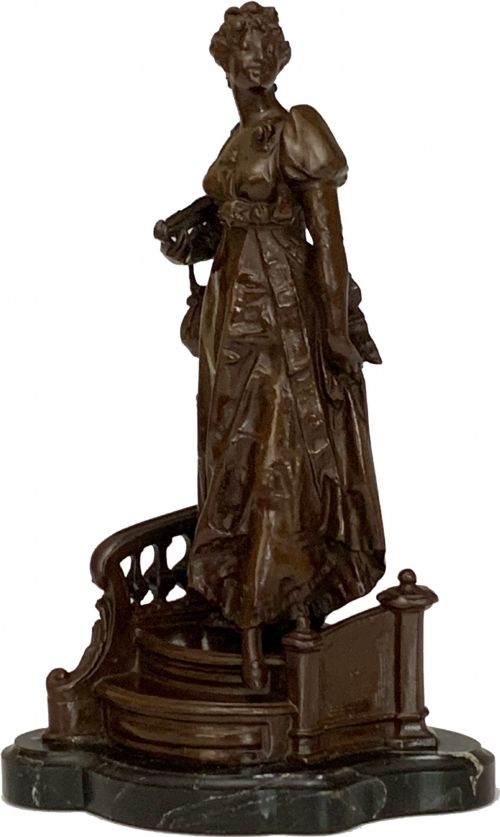
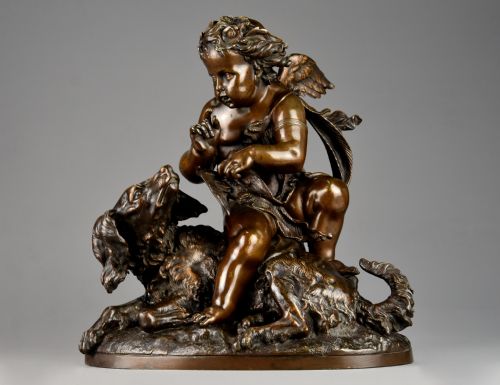
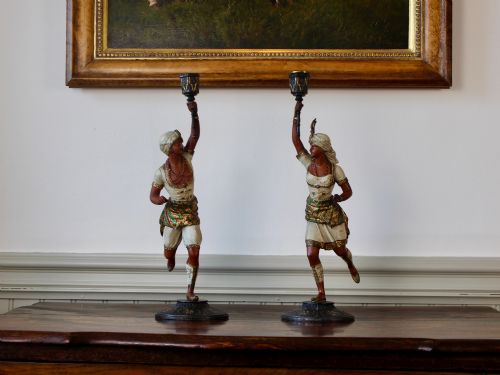
When you search for bronze figural sculpture, you encounter cast metal works depicting people, animals and mythological subjects. These pieces range from small desk paperweights to grand floor-standing torcheres and functional objects like inkwells and mantel clocks.
The selections span the nineteenth century through the art deco and art nouveau periods, with a strong emphasis on French foundry work. You will frequently find figures derived from classical mythology, pastoral scenes and allegorical subjects created for domestic display.
Materials and casting methods
Foundries primarily utilised bronze, an alloy of copper and tin, alongside brass and spelter for more commercial decorative items. Many pieces received surface treatments such as fire-gilding, ormolu accents, cold-painting or patination to alter the metal colour.
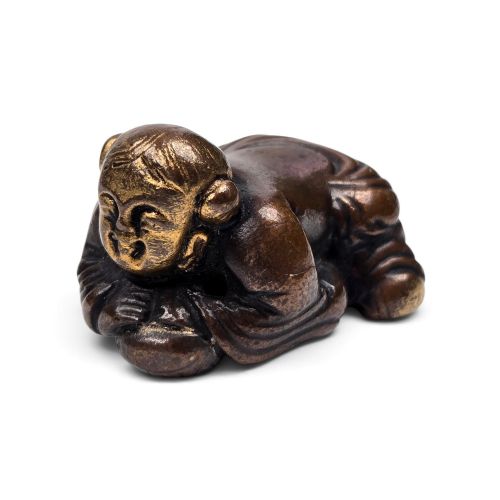
Casting techniques varied from solid-cast methods used for smaller scholar's objects to hollow-cast figures requiring careful assembly of multiple parts. Bases frequently incorporated contrasting materials like marble, glass or gilt bronze to anchor the standing figures.
Bronze Figural Sculpture Retail Price Guide 2026
Typical asking prices for bronze figural sculpture among the pieces listed under this phrase on Sellingantiques today, from the lower quarter to the upper quarter. They describe what is for sale here now, not the wider market.
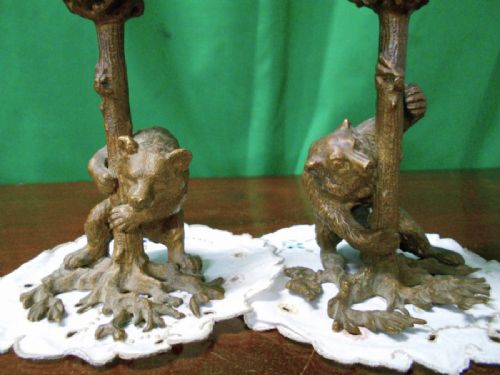
Bears moonlight as candlestick holders, proving that nineteenth-century casting found room for woodland fauna in domestic lighting.
Evaluating the craftsmanship
Quality rests upon the crispness of the chase work executed after the metal cools from the mould. Superior examples retain fine details in hair, drapery and facial expressions without blurring from excessive filing or worn casting moulds.
The depth and application of the original patination or gilding further separate standard production items from masterworks. Heavier solid casting and signed foundry marks indicate higher ambition in production.
Emile Carlier·Jules Dalou·Georges Van Der Straeten·Carrier Belleuse·E Drouot·Giambologna·Hector Lemaire·Humphrey Hopper·Claudius Marioton·Auguste Moreau·Charles Korschann·Hyppolite Francois Moreau·Miyao Eisuke
The Bronze Figural Sculpture Glossary
- Patination
- The chemical treatment applied to the surface of bronze to produce a specific colour or aged finish. This layer protects the underlying metal while enhancing visual depth.
- Ormolu
- Gilded bronze produced by applying a mercury and gold amalgam to the metal surface and heating it. This technique creates a durable golden finish common on decorative mounts and clocks.
- Spelter
- A zinc alloy frequently utilised as a less expensive substitute for bronze in nineteenth-century decorative figures. It is lighter and softer than bronze, often identifiable by cold-painted finishes.
- Lost-wax casting
- A method where a wax model is encased in a mould, melted out, and replaced with molten metal. This process permits intricate undercut details in sculptural figures.
Bronze Figural Sculpture: Frequently Asked Questions
How do I clean antique bronze?
Dust surfaces gently with a soft dry brush, avoiding water, modern polishes, or harsh chemical cleaners that strip the historic patination.
Preserve the natural skin oils and wax layers accumulated over centuries by limiting handling and keeping pieces away from direct moisture.
What is cold-painted bronze?
Cold-painting involves applying oil or enamel paints to a finished bronze sculpture without subsequent kiln firing. This technique gained popularity in nineteenth-century workshops for adding realistic polychrome details to animal and human figures.
Because the paint sits on the metal surface rather than fusing with it, surviving examples often show delicate craquelure or minor loss over time.
How do I distinguish bronze from spelter?
Bronze feels heavier, rings with a resonant tone when tapped gently, and exhibits a warm reddish-brown undertone beneath the patina. Spelter is softer, lighter, and tends to show a grey or white metal beneath chips in the painted finish.
Magnetism is unhelpful here since neither alloy attracts magnets, so reliance on weight and surface wear remains essential.
Where were these sculptures displayed?
Nineteenth-century collectors placed smaller bronze figures on library desks, mantelpieces, and vitrines where guests could inspect them closely. Larger torcheres and floor lamps stood in entrance halls and grand salons to provide illumination and status.
Functional objects like inkwells and candelabras integrated sculptural artistry directly into everyday domestic administration.