

Bronze Casting Figure
When you search for a bronze casting figure, you encounter sculpted metal works spanning multiple centuries, continents, and artistic traditions.
Bronze Casting Figure
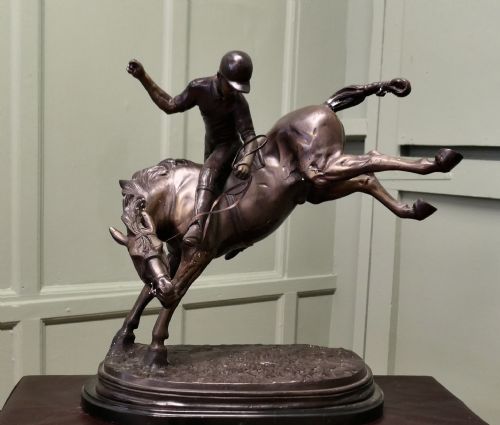
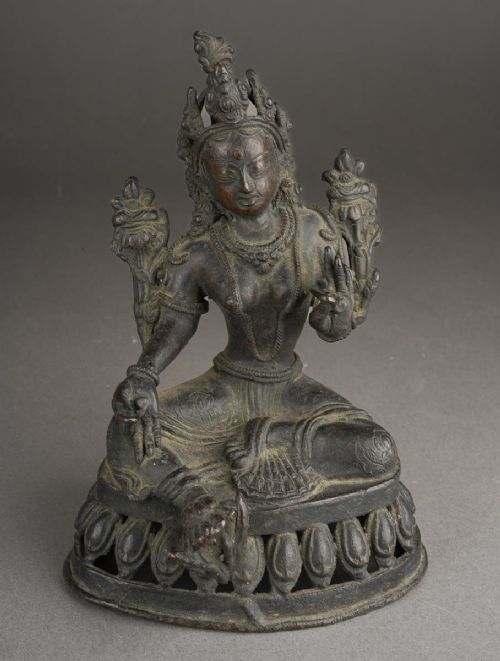
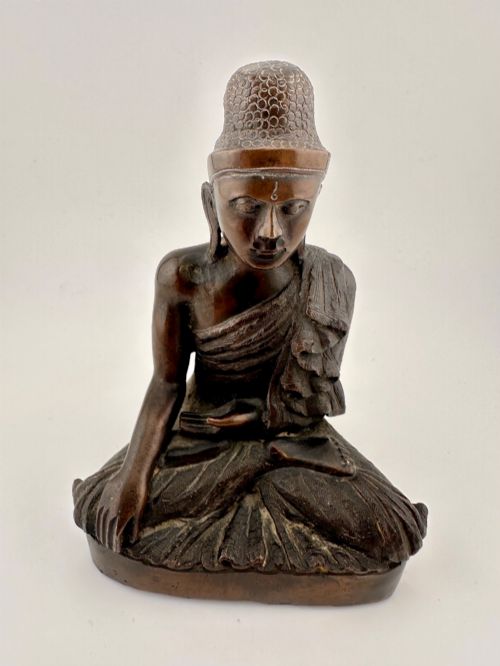
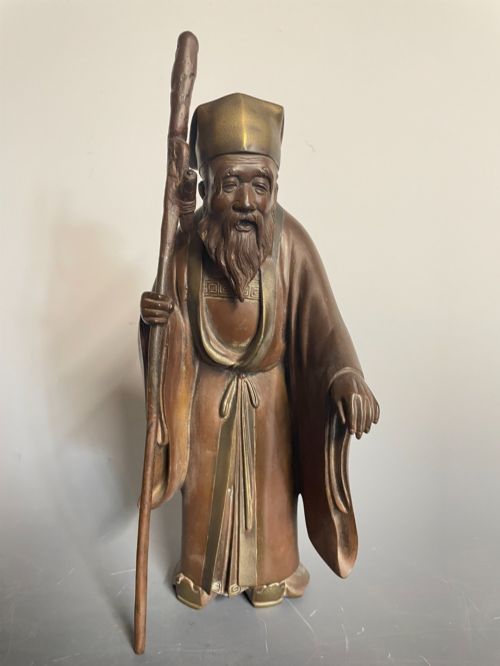
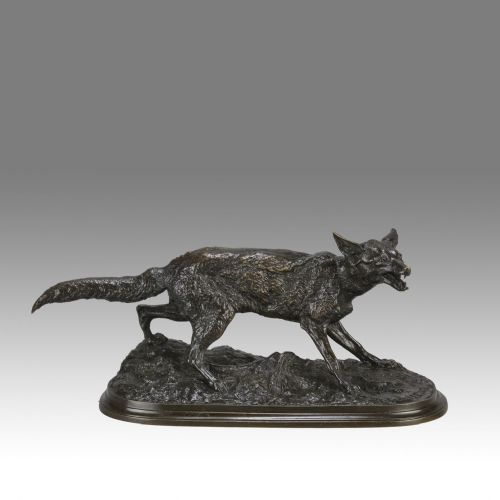
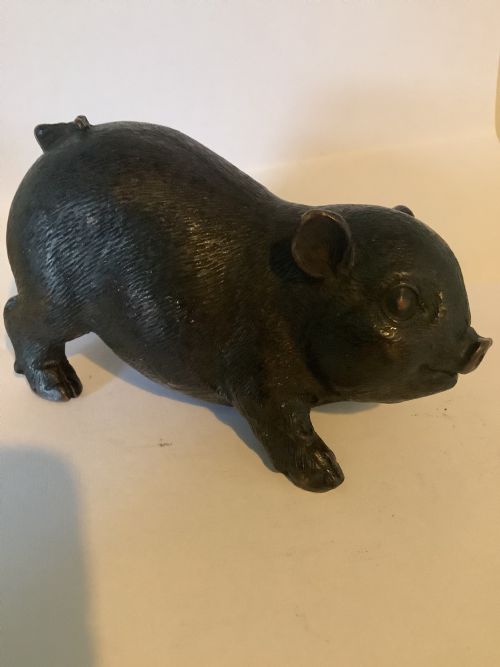
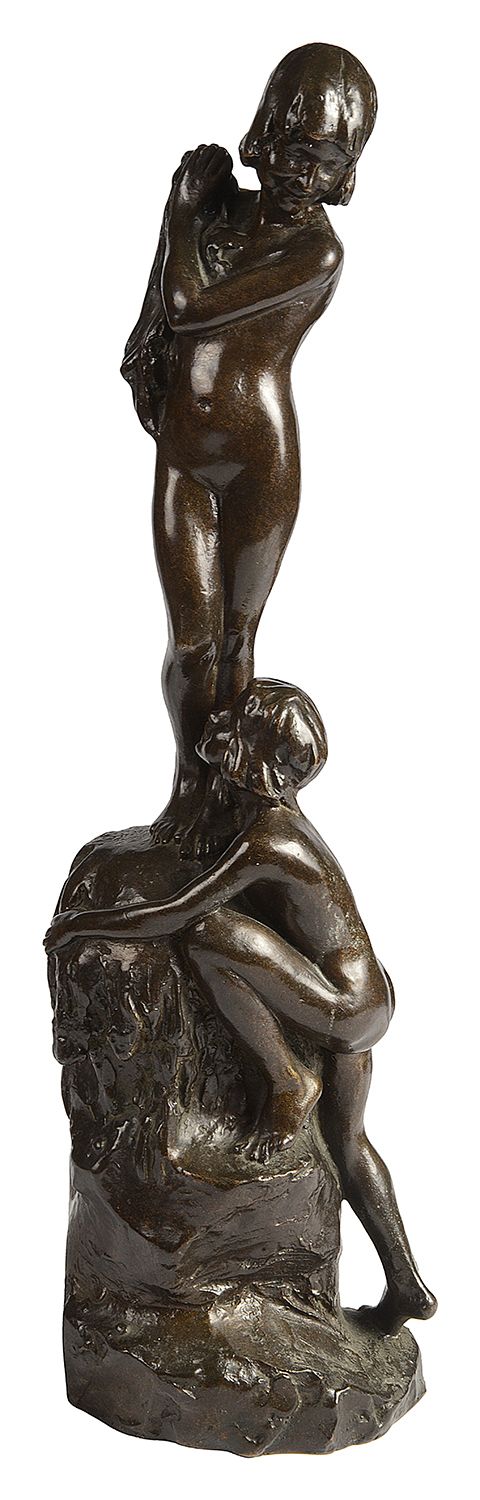
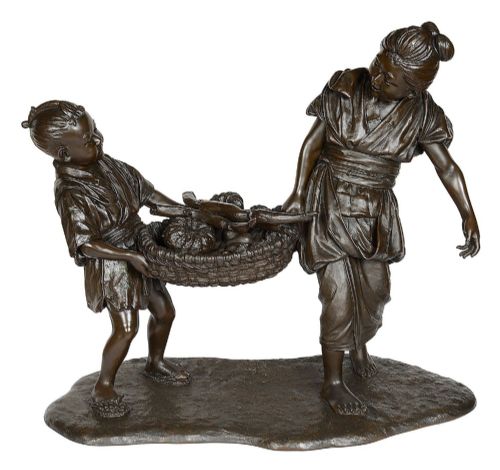
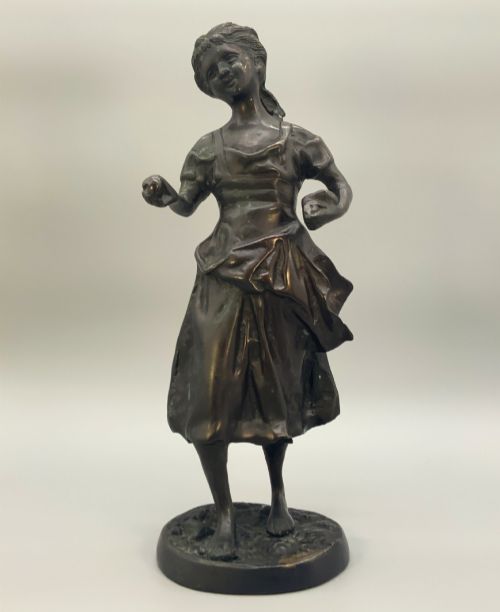
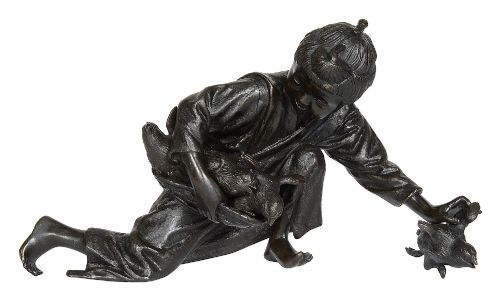
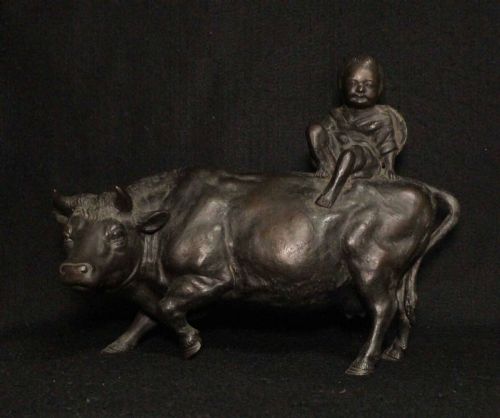
A bronze casting figure encompasses diverse forms such as animalier studies, human portraits, mythological subjects, and religious icons. The selections on this page draw from 17th-century European castings, Victorian animal studies, and Meiji period Japanese bronzes.
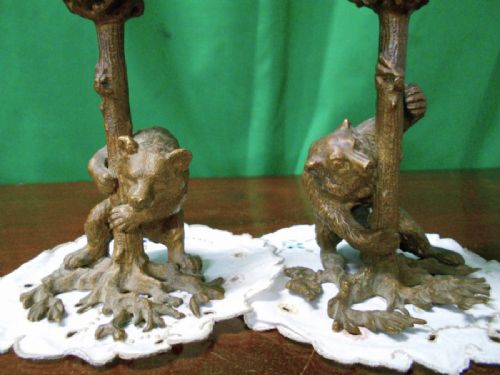
Buyers frequently encounter animalier sculptures depicting horses, dogs, and bears alongside human figures derived from classical antiquity or East Asian traditions. These works manifest as standalone table sculptures, desk paperweights, and decorative lamp bases.
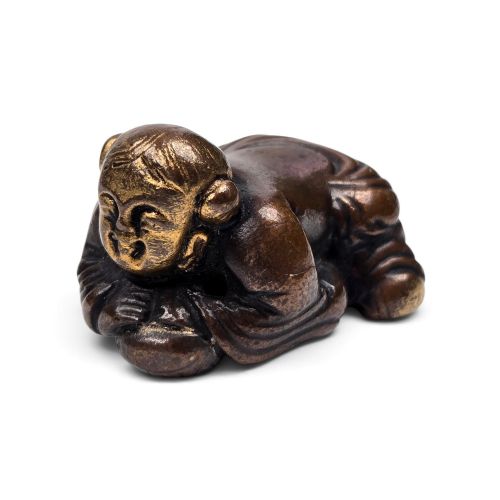
The geographic origins stretch across France, Austria, Italy, Britain, China, Burma, and Japan. Makers utilised local stylistic conventions, resulting in distinct visual languages for European Grand Tour souvenirs and Japanese okimono alike.
How they were made
Foundries produced these pieces using traditional casting methods, often finishing the surfaces with hand-chiselling to define fine details in fur, hair, and drapery. Many examples incorporate patination or cold-painted finishes to add colour and depth to the metal surface.
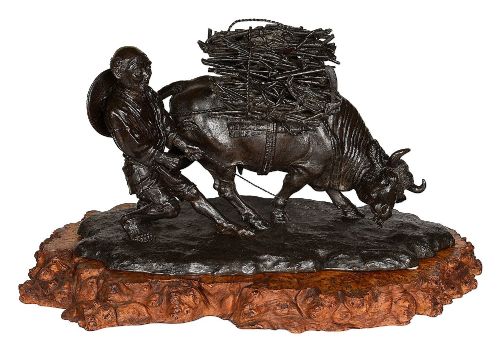
Artists frequently mounted completed metal figures onto heavier supportive bases made of marble, wood, or brass. Some specialised Japanese and European works combined bronze with supplementary materials such as ivory or paint.
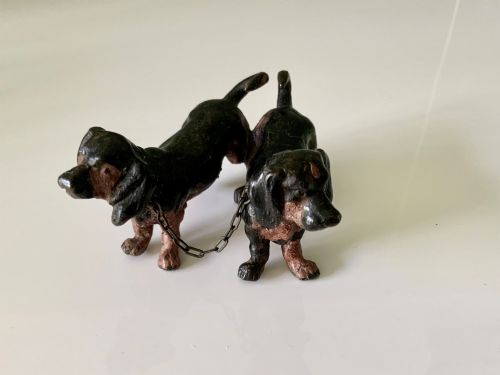
Foundry workers applied chemical patinas to simulate age or create specific dark brown, green, and golden surface tones. Cold-painted Austrian pieces received vibrant polychrome paint layers applied over the metal substrate.
Listings feature bronzes combined with marble, wood, paint, and brass across periods ranging from the 16th century to the mid-20th century.
What varies in quality
The sharpness of the cast division separates standard production pieces from masterworks, particularly where muscles, feathers, and facial expressions are rendered with anatomical precision. Superior examples retain crisp chasing lines that remain unblurred by excessive surface polishing.
The sophistication of the patination process dictates the visual depth of the metal, with master founders achieving subtle tonal gradients rather than flat monochrome coatings. Bases and plinths also reflect quality, ranging from simple turned wood to carefully selected contrasting marble.
P J Mêne·Emmanuel Villanis·Franz Bergman·Antoine L Barye·Christophe Fratin·L & F Moreau
The Bronze Casting Figure Glossary
- Animalier
- A nineteenth-century artistic genre and style focusing on the realistic depiction of animals, particularly wild beasts and domestic hounds. Sculptors in this tradition studied anatomy closely to capture movement and tension.
- Patinated Bronze
- Metalwork treated with chemical solutions to produce a permanent coloured surface layer ranging from deep brown to green. This treatment protects the underlying alloy and accentuates sculptural details.
- Cold-Painted Bronze
- Pieces decorated with oil or enamel paints applied to the unheated metal surface after casting. This technique was particularly favoured by Viennese workshops producing small figures and animals.
- Grand Tour
- Souvenir sculptures purchased by wealthy travellers touring cultural sites in Italy and Europe during the eighteenth and nineteenth centuries. These reproductions often depicted classical statues or architectural lions.
- Okimono
- Japanese decorative figurines designed for display on a shelf or tokonoma alcove, commonly cast in bronze during the Meiji period. They frequently depict daily life, labourers, or indigenous wildlife.
Bronze Casting Figure: Frequently Asked Questions
What is an animalier bronze figure?
An animalier bronze figure is a sculpture depicting animals in realistic or dramatic poses, popularized during the nineteenth century by European artists who studied live subjects in menageries.
These pieces capture creatures such as greyhounds, stags, and bears with anatomical precision and expressive movement.
How do I identify a Meiji period Japanese bronze?
Meiji period Japanese bronzes frequently take the form of okimono depicting figures engaged in daily tasks, farmers, or animals on naturalistic bases.
They often display meticulous surface detailing and specific stylistic markers associated with late nineteenth-century Japanese metalwork.
What does cold-painted mean on a bronze?
Cold-painting refers to polychrome decoration applied with paint directly onto the cooled metal surface after the casting process is complete.
This technique adds vibrant colour to garments, animals, and decorative accessories without the high heat required for enamel firing.
Where were Grand Tour bronzes made?
Grand Tour bronzes were typically produced in European workshops, particularly in Italy and France, as souvenirs for travellers visiting classical antiquities.
These reduced-scale models reproduced famous monuments, lions, and Renaissance sculptures for domestic display.
How should I display a bronze figure at home?
Bronze figures benefit from stable indoor environments away from direct moisture and handling that could wear delicate patination or cold-painted surfaces.
Many pieces come integrated with marble or wooden plinths designed to support the weight and showcase the sculpture safely on a desk or table.