






Bronze Figural Art
Bronze figural art brings domestic sculpture and functional lighting together through cast metal figures spanning the nineteenth and twentieth centuries.
Bronze Figural Art
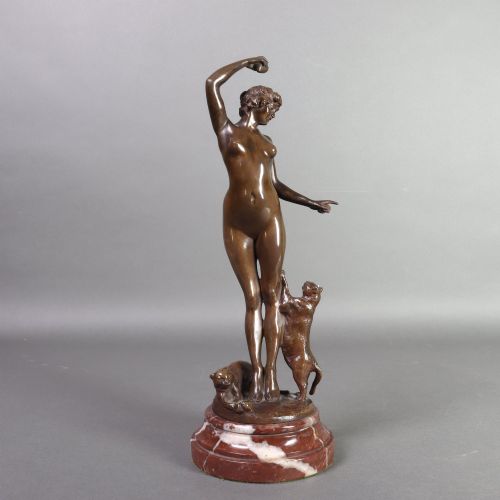
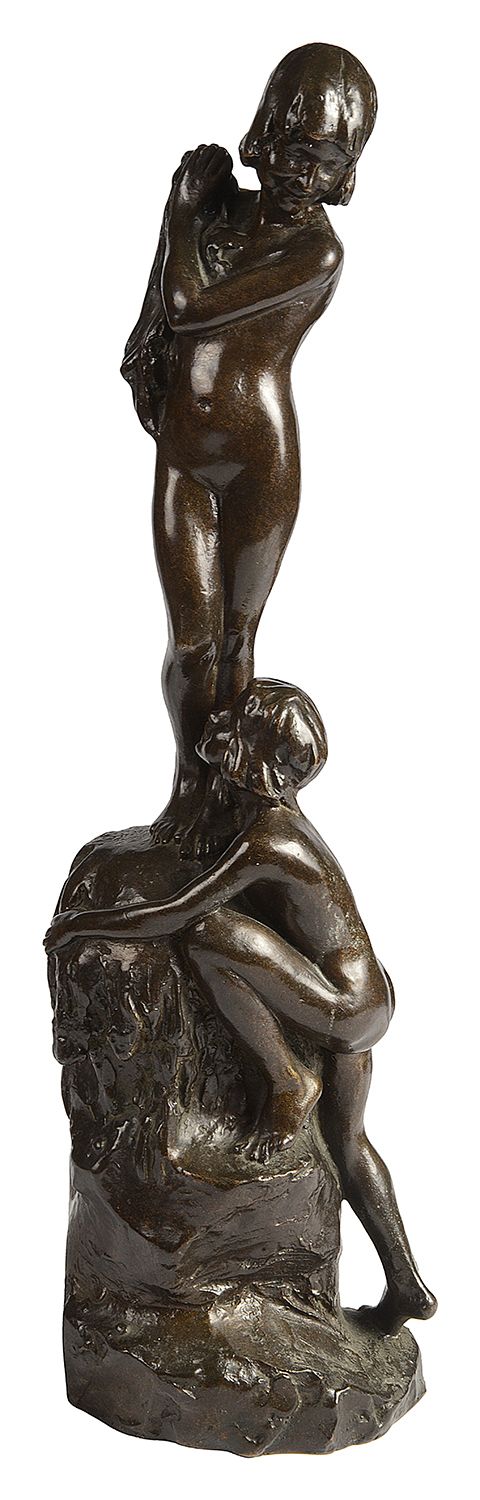
Bronze figural art encompasses freestanding sculptures, table lamps, mantel clocks, and candelabras produced across the nineteenth and twentieth centuries. You will frequently encounter works from the Art Deco and Art Nouveau periods, alongside nineteenth-century French realism and Egyptian Revival designs.
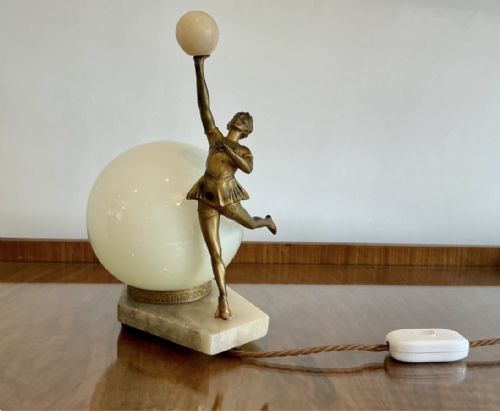
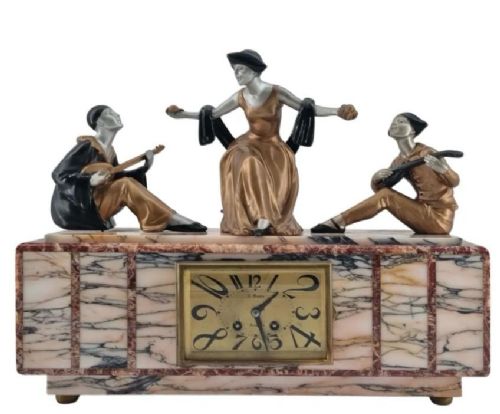
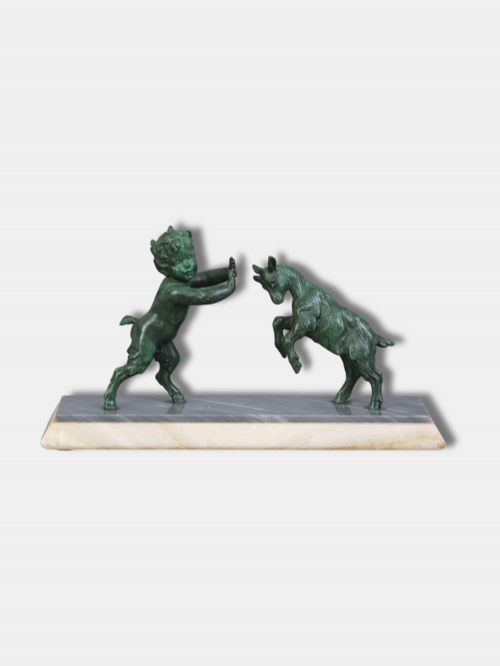
The subjects range from mythological fauns and classical nymphs to dancers, children, and domestic animal groups. Functional items integrate the cast figures directly into the structure of lamps, clocks, and vases.
Materials and Technique
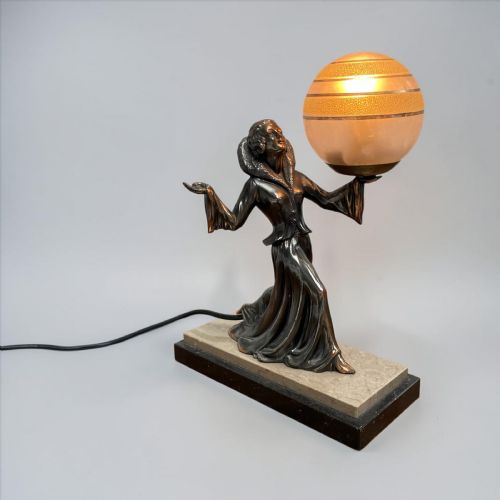
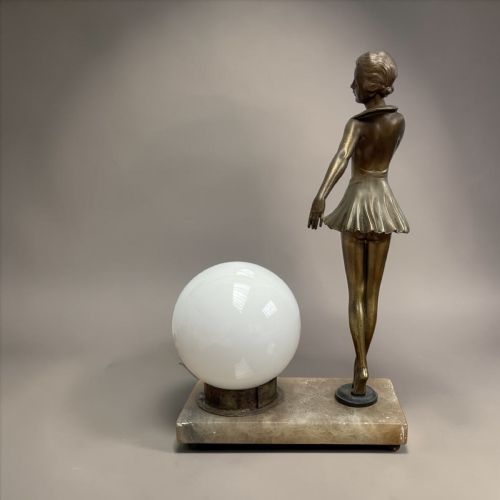
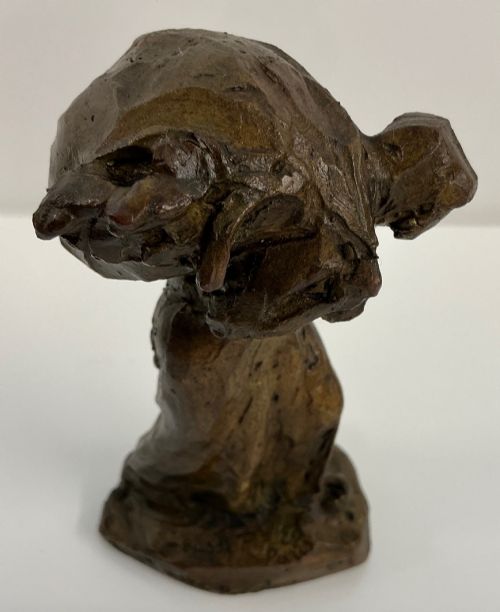
These pieces are cast from metal, most notably bronze and spelter, often combined with bases or mounts of marble, onyx, and glass. Patination is applied to the metal surfaces to create tonal depth and colour variation on the figures.
Many works incorporate secondary elements such as frosted glass shades for lamps or carved stone plinths to support the cast metal sculptures.
Bronze Figural Art Retail Price Guide 2026
Typical asking prices for bronze figural art among the pieces listed under this phrase on Sellingantiques today, from the lower quarter to the upper quarter. They describe what is for sale here now, not the wider market.
Listings span from the 1890s through the 1950s, incorporating Art Nouveau, Art Deco, and Egyptian Revival styles executed in bronze, marble, and spelter.
Evaluating the Pieces
Quality rests in the crispness of the casting detail and the subtlety of the surface patination across the figure. Superior examples retain fine anatomical definition and clean chasing work on the metal.
The integration of materials also defines the piece, seen where marble bases and glass shades complement rather than overwhelm the central cast metalwork.
Georges Gori·Gustave Dussart·L & F Moreau·Emile Carlier·Jules Dalou·Antonio Merente·Uriano·Sega·Justo de Gandarias·Hector Lemaire·Charles Korschann·Ernst Barrias·Ivan Zaiec·Alexandre Kelety·Emmanuel Villanis·Marion Willis Stanfield·Georges Van De Voorde·Antoine Bofill·Carl Kauba·Auguste Moreau
The Bronze Figural Art Glossary
- Spelter
- A zinc alloy frequently used as a cost-effective alternative to bronze in figural lamps and decorative objects. It accepts patination well to simulate heavier metals.
- Patination
- The chemical or natural treatment applied to the surface of bronze to alter its colour and finish. This process highlights the contours of the figural sculpture.
- Putto
- A figure of a small chubby infant, often depicted as a cherub in nineteenth-century and early twentieth-century decorative bronzes. These figures frequently appear on lamps and candelabras.
- Candelabra
- A branched candlestick holder designed to hold multiple candles, sometimes cast with figural supports in styles ranging from Egyptian Revival to Art Nouveau.
Bronze Figural Art: Frequently Asked Questions
How do I identify Art Deco bronze figures?
Art Deco bronze figures typically feature streamlined geometry, stylised drapery, and motifs of dancers or animal companions from the 1920s and 1930s. The stances are often dynamic and lean.
These pieces frequently incorporate materials like marble and onyx bases, distinguishing them from the more flowing floral curves of earlier Art Nouveau designs.
Were these items used as lighting?
Many figural bronzes and spelter pieces from the late nineteenth and early twentieth centuries doubled as functional table lamps and mood lighting. Figures of ladies or dancers often hold lamp standards or glass shades.
Wiring is usually a later addition to accommodate modern electrical standards while preserving the original metal sculpture.
What is the difference between bronze and spelter?
Bronze is a durable copper alloy that takes a deep, stable patination and retains sharp casting details over time. Spelter is a softer zinc-based metal utilised widely for decorative lamps and mood pieces.
Spelter is lighter in weight and requires careful handling to prevent surface wear beneath its applied finish.
How should I care for patinated metal?
Dust patinated bronze and spelter gently with a soft, dry cloth to prevent accumulation without disturbing the surface finish. Avoid chemical polishes that can strip the original patina.
Keep the pieces away from direct moisture and extreme temperature fluctuations to protect any integrated marble or glass components.