


Cast Bronze Ornament
These cast bronze ornament selections span centuries of metalwork, offering figures and animals shaped for display or utility.
Cast Bronze Ornament
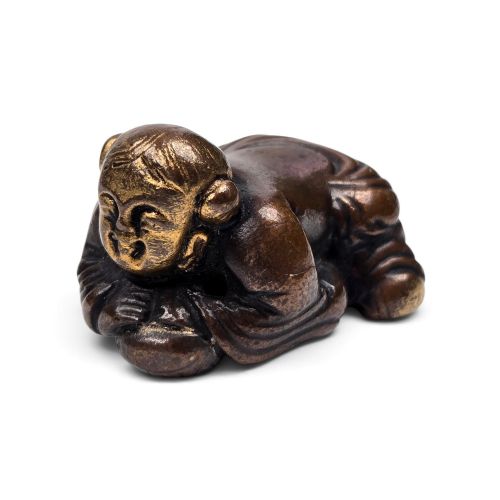
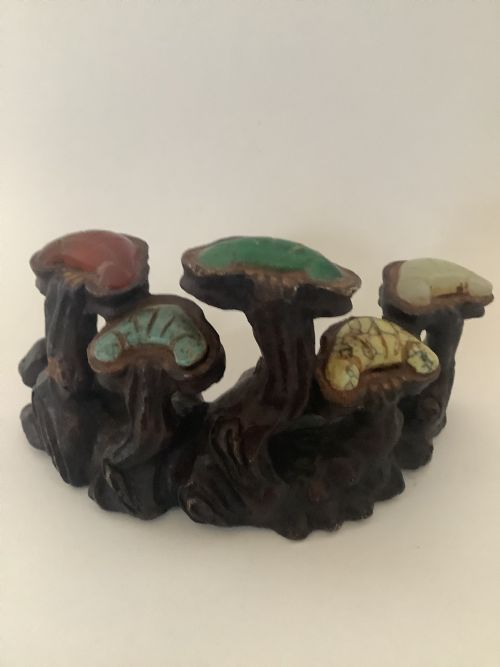
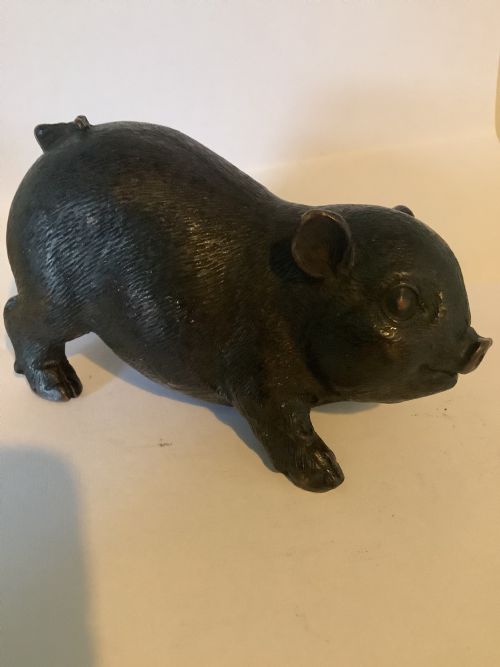
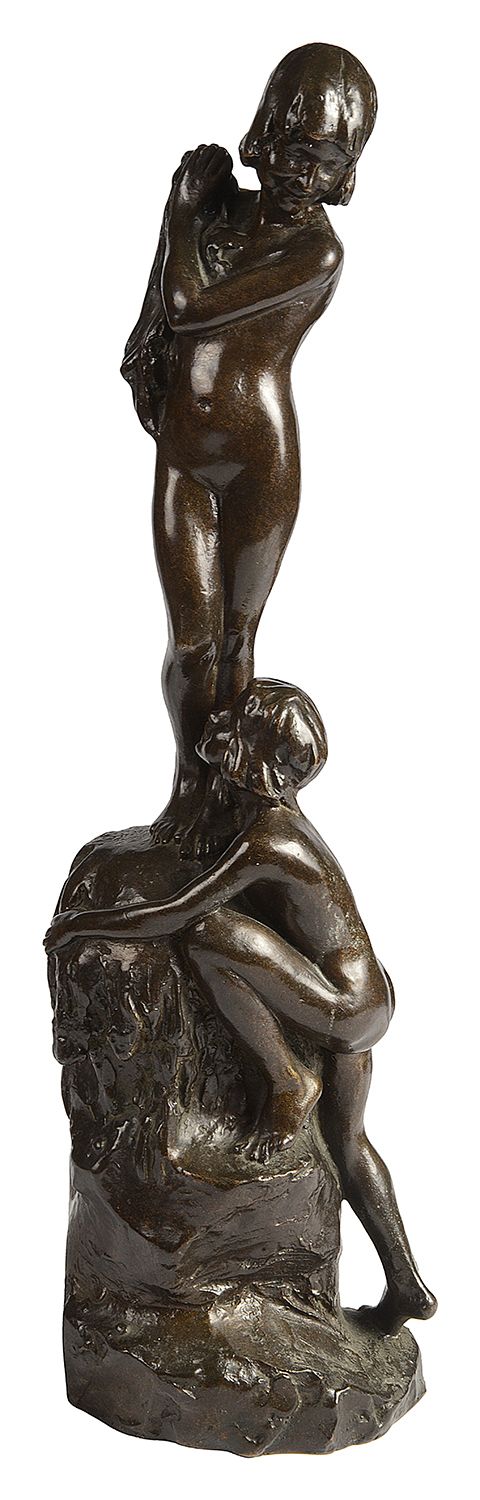
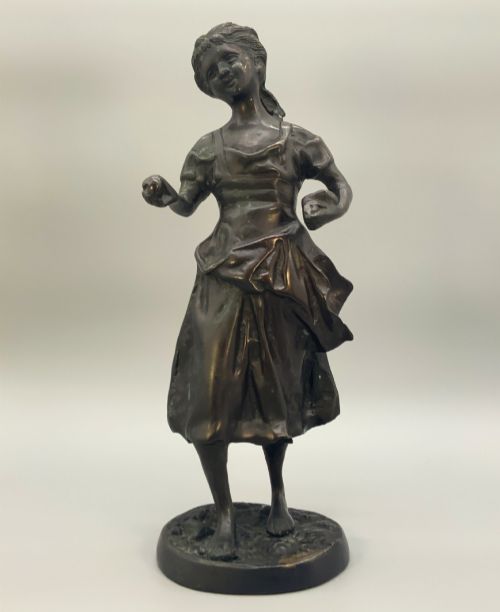
A cast bronze ornament encompasses a wide array of figures, animals, and decorative objects created through traditional metal casting methods. When searching for this phrase, collectors encounter works ranging from small desk paperweights and brush rests to substantial animalier sculptures and architectural mounts.
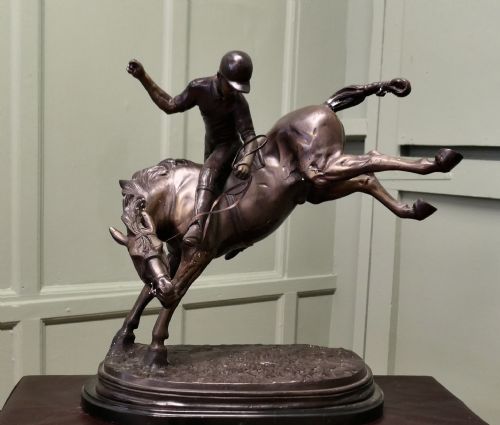
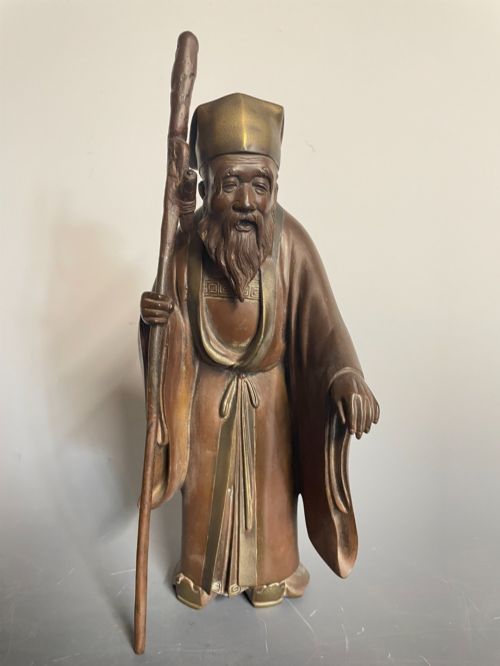
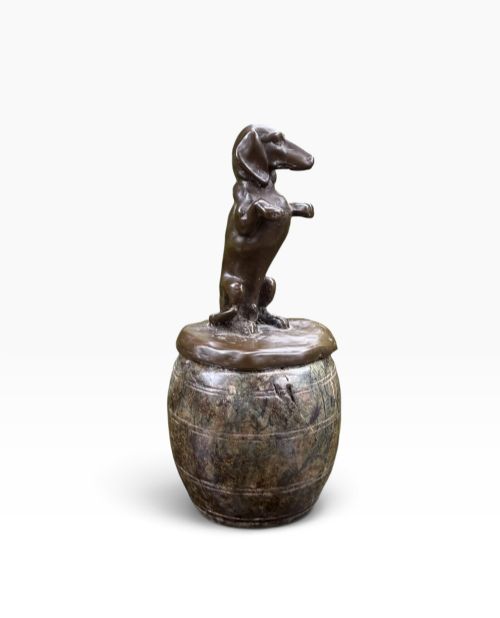
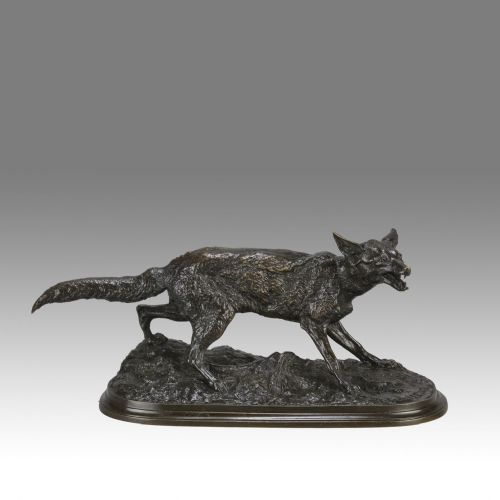
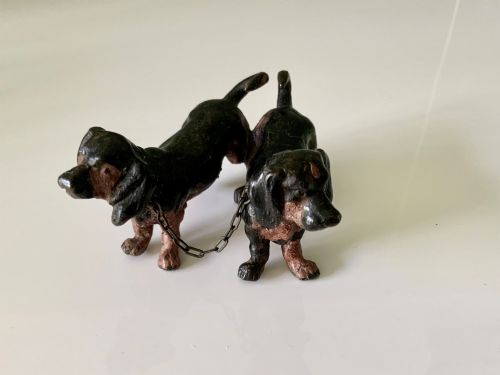
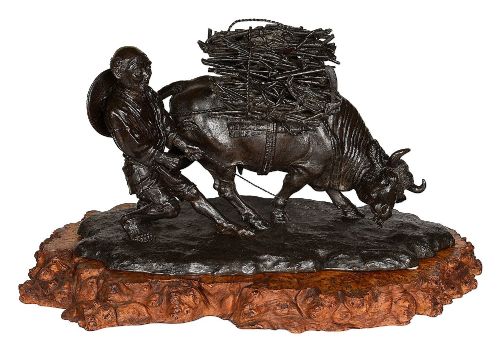
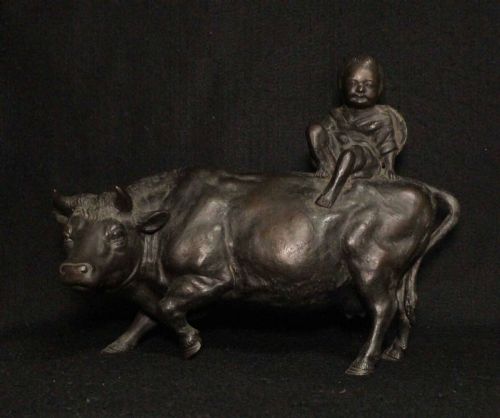
The pieces originating from nineteenth-century European foundries sit alongside Japanese Meiji period okimono and earlier scholarly works. Animal studies of dogs, stags, and horses appear frequently, reflecting a strong historical interest in naturalistic form.
Grand Tour souvenirs and classical models also populate the selection, bringing mythological subjects and historical replicas into domestic interiors. Each object serves either a decorative purpose on a mantelpiece or a functional role as a paperweight, desk accessory, or furniture mount.
Materials and casting methods
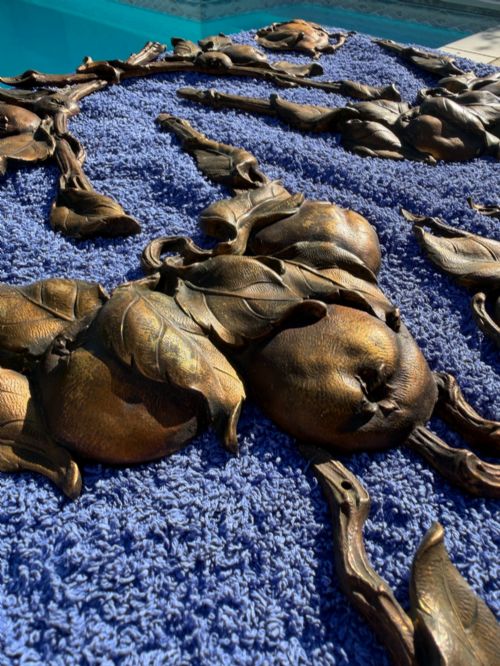
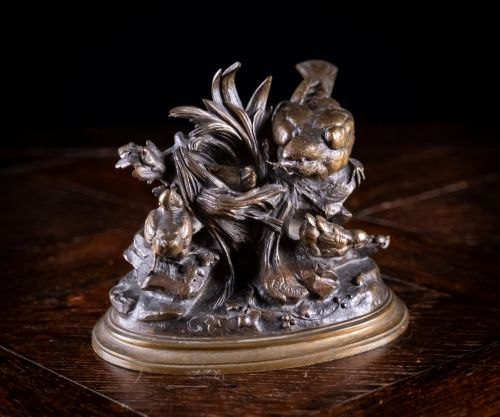
The primary material is cast bronze, often enhanced through patination, cold painting, or selective fire-gilding. Foundries utilised the lost-wax method or sand casting to achieve intricate detail in animal pelts, human figures, and ornamental foliage.
Many European bronzes combine the cast metal with marble plinths, introducing a contrasting stone base to support free-standing statues. Other variations incorporate painted finishes or applied patinas to simulate age or highlight specific textures on the metal surface.
Cast Bronze Ornament Retail Price Guide 2026
Typical asking prices for cast bronze ornament among the pieces listed under this phrase on Sellingantiques today, from the lower quarter to the upper quarter. They describe what is for sale here now, not the wider market.
Listings feature bronzes from the seventeenth century through the mid-twentieth century, including works from Japanese Meiji and Chinese dynastic periods.
Assessing quality in metalwork
Quality in these metal sculptures rests upon the crispness of the chasing and the finesse of the finishing work after the mould is removed. Superior examples retain sharp musculature, clear facial expressions, and well-defined textures without smoothing from excessive post-casting polish.
The integrity of the patina or cold-painted surface dictates the visual appeal, where original untouched surfaces command greater respect. Additionally, the presence of a clear foundry mark or signature from a recognised sculptor separates standard decorative output from works of artistic distinction.
P J Mêne·Franz Bergman·Christophe Fratin·Alfred Barye·Georges Van Der Straeten
The Cast Bronze Ornament Glossary
- Animalier
- A nineteenth-century artistic movement focused on the realistic depiction of animals, particularly predators and domestic beasts. Sculptors in this genre studied anatomy closely to capture creatures in motion.
- Patination
- The chemical treatment or natural weathering applied to the metal surface to alter its colour and tone. This process protects the bronze and adds depth to the sculptural details.
- Grand Tour
- A traditional trip through Europe undertaken by upper-class scholars and collectors during the eighteenth and nineteenth centuries. Souvenirs purchased on these journeys included small-scale bronze replicas of classical monuments and sculptures.
- Okimono
- A Japanese decorative ornament intended for display on a shelf or in a tokonoma alcove. These figures often depict traditional subjects, animals, or daily scenes rendered in cast bronze.
- Cold-Painted
- A technique where enamel paint is applied to a bronze object without subsequent firing in a kiln. Austrian foundries utilised this method extensively on small animal figures.
Cast Bronze Ornament: Frequently Asked Questions
What is an animalier bronze?
An animalier bronze is a nineteenth-century sculpture focused entirely on the naturalistic portrayal of animals. These pieces capture creatures in moments of rest, combat, or movement.
Foundries across Europe produced these studies to satisfy a growing scientific and aesthetic interest in wildlife and domestic pets.
How do I care for bronze ornaments?
Bronze ornaments require minimal maintenance beyond gentle dusting with a soft, dry cloth. Avoid using liquid polishes, abrasive cleaners, or modern cleaning products that can strip the original patina.
Keeping the pieces away from direct moisture and extreme temperature fluctuations preserves the metal and surface finish over time.
What is a Grand Tour bronze?
A Grand Tour bronze is a small-scale replica of a classical sculpture, ancient ruin, or architectural monument collected during European travels. Travellers brought these objects home as sophisticated mementos of their cultural education.
These models allow collectors to own miniature representations of famous antiquity without acquiring full-scale works.