
Victorian Paperweight
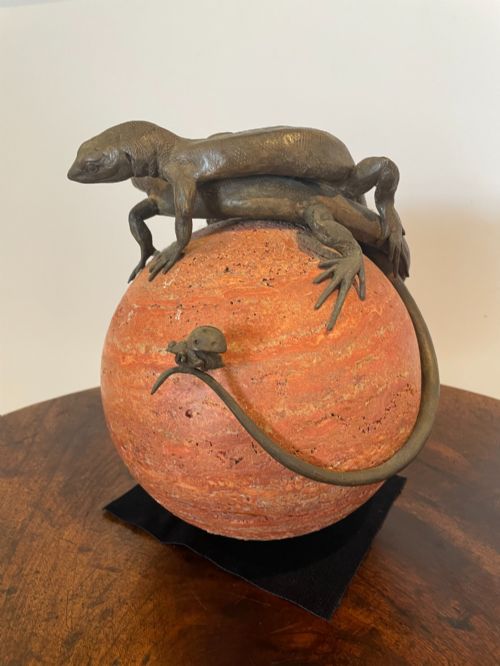
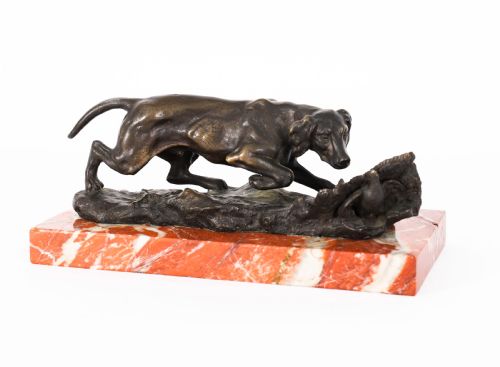
A victorian paperweight anchors a desk while bringing animal bronzes, glass dumps, and stone specimens directly into daily use.
Victorian Paperweight
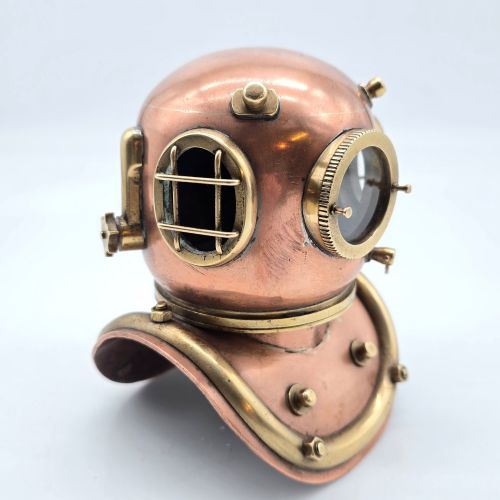
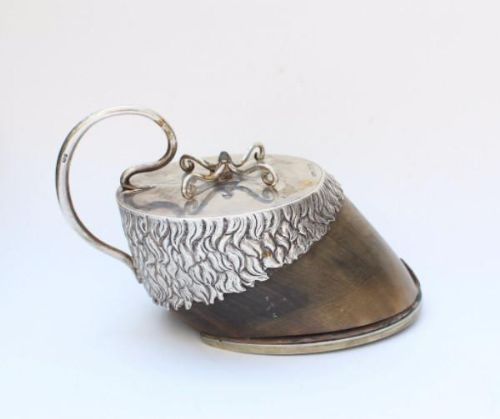
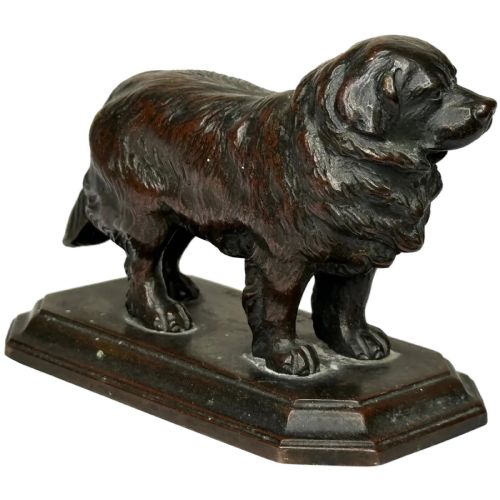
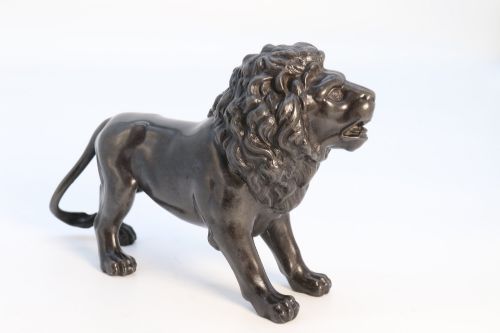
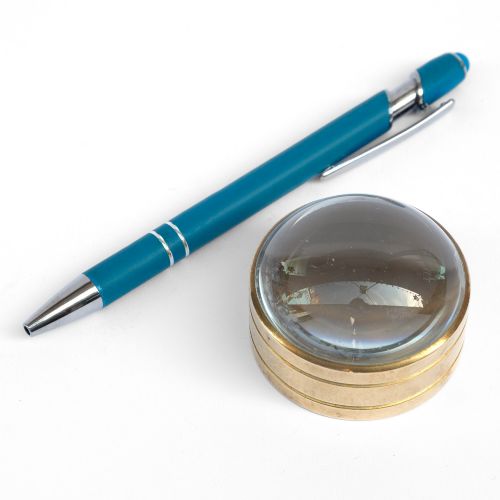
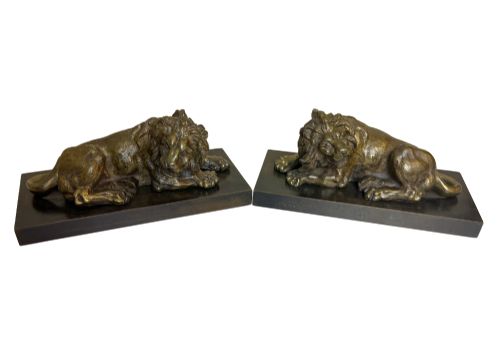
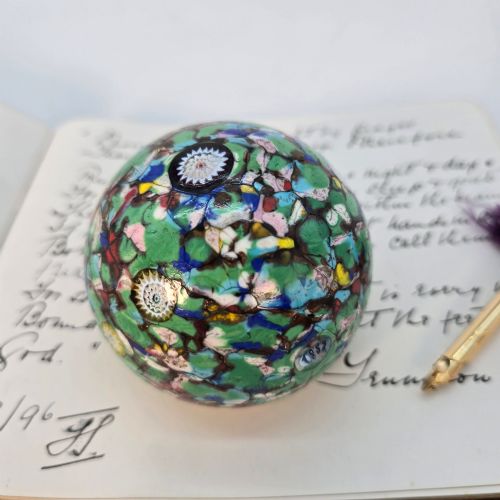
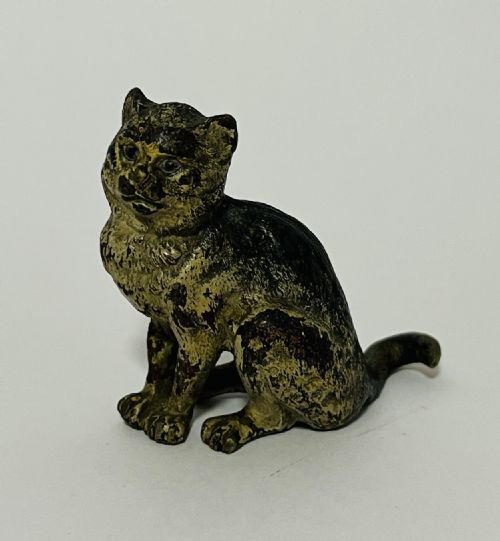
A victorian paperweight serves as a functional desk accessory designed to hold documents in place, appearing in numerous material forms throughout the nineteenth century. Buyers encounter solid glass dumps enclosing bubbles or floral canes, alongside cast metal animals, stone obelisks, and silver-mounted natural objects.
The selections range from utilitarian cast iron pieces to intricate Grand Tour pietre dure specimens and cold-painted bronze figures. Many items double as inkwells, match strikers, or decorative desk ornaments rather than simple lead weights.
How they were made
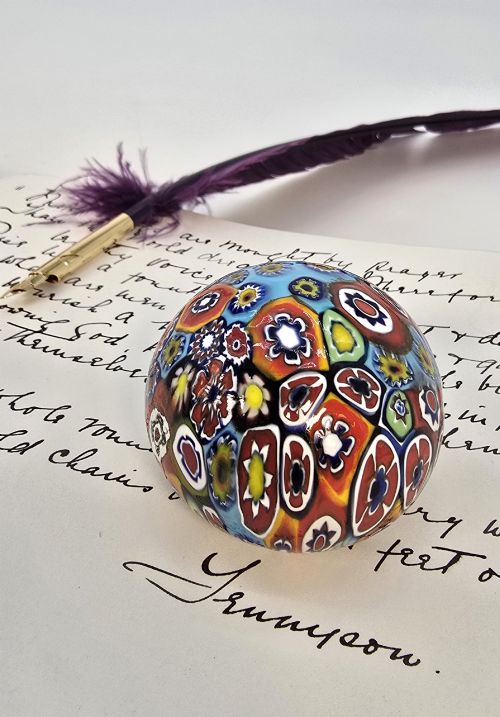
Glass examples rely on hot-working techniques, capturing multi-coloured canes, Millefiori patterns, or trapped air bubbles within thick masses of molten metal or crystal. Manufacturers shape these pieces through blowing and facet cutting to achieve dense, heavy domes.
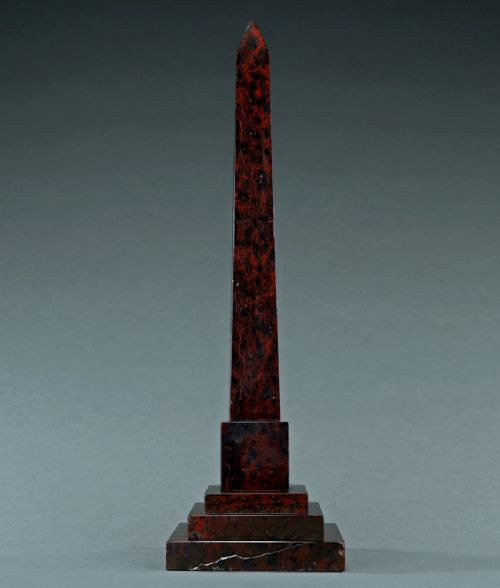
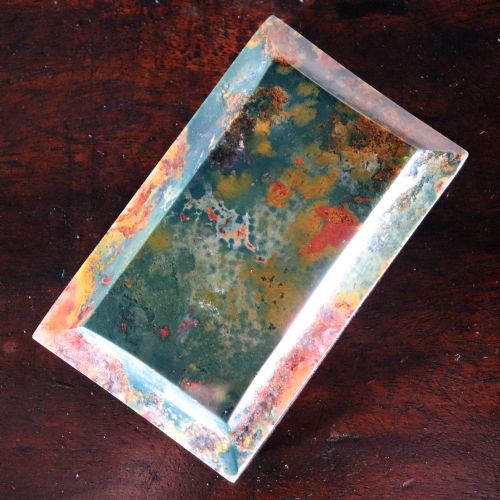
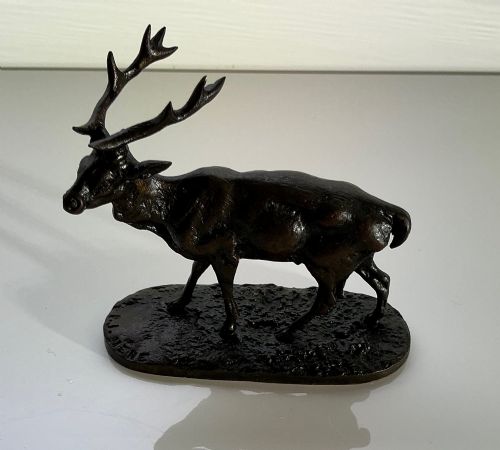
Metal versions utilise bronze, brass, cast iron, and sterling silver, often shaped through casting processes like lost-wax methods for animalier sculptures. Stone variants incorporate marble, serpentine, and agate, shaped and polished to highlight natural mineral veining and hardstone inlay.
Listings feature bronze, glass, marble, brass, cast iron, earthenware, and silver across nineteenth-century and Edwardian periods.
What varies in quality
In glass pieces, the symmetry of internal cane arrangements and the absence of internal flaws separate standard items from superior workshop output. Stone specimens depend on the tightness of hardstone fits and the quality of marble polishing.
Carl Kauba·PJ Mene·Bergman·Antoine Louis Barye·Edward and John Barnard·Baccarat·St Louis
The Victorian Paperweight Glossary
- Millefiori
- A glasswork technique involving multicolored glass canes sliced to reveal floral or geometric patterns embedded within a clear matrix.
- Cold-painted bronze
- A method where bronze sculptures receive paint applications directly onto the metal surface without subsequent firing.
- Pietra dura
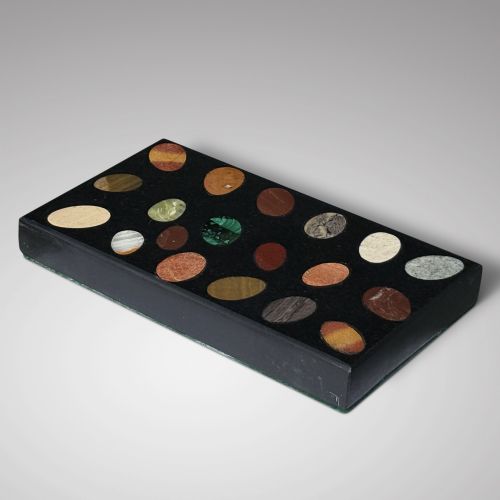
- An artistic technique using cut and fitted polished coloured stones to create pictorial inlay designs on marble bases.
- Animalier
- A nineteenth-century artistic style focusing on the realistic depiction of animals, particularly predators, hounds, and stags.
- Glass dump
- A heavy, solid glass paperweight often containing air bubbles or floral arrangements, produced as a decorative byproduct in glasshouses.
Victorian Paperweight: Frequently Asked Questions
What is a glass dump paperweight?
A glass dump is a heavy, solid piece of glass created from residual molten metal at the end of a working day. Workers trapped air bubbles or inserted floral glass canes inside the dense mass.
These heavy objects served practical desk functions while displaying rich colours like green, blue, and amethyst.
How do I identify a Grand Tour paperweight?
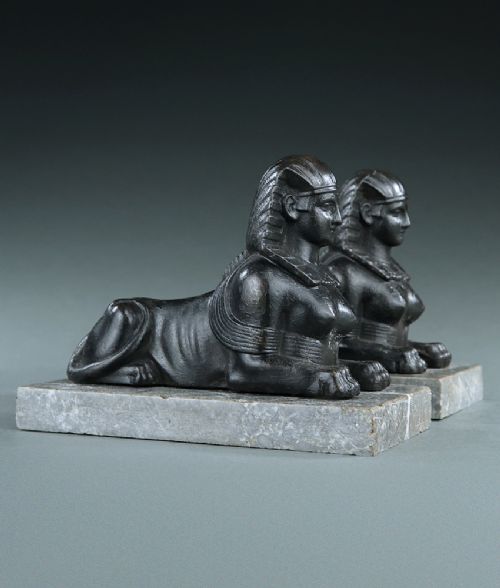
Grand Tour pieces often utilise hardstones, marble, or bronze motifs referencing classical antiquities and Egyptian revival styles. They reflect the travels undertaken by nineteenth-century collectors across European historical sites.
Materials commonly include serpentine, agate, and inlaid pietre dure panels.
Are metal paperweights hollow or solid?
Most metal examples utilise heavy cast bronze, brass, or iron to provide sufficient mass for holding loose papers. Animal figures and architectural models were cast solidly to ensure functional weight.
Some silver versions incorporate weighted internal cores or are mounted onto dense stone bases.
What are cold-painted bronzes?
Cold-painted bronzes feature detailed metal castings finished with unfired oil or enamel paints. This technique was widely utilised by Austrian workshops to depict realistic birds, cats, and human figures.
Care is required with these items to prevent paint flaking from the metal surface.