




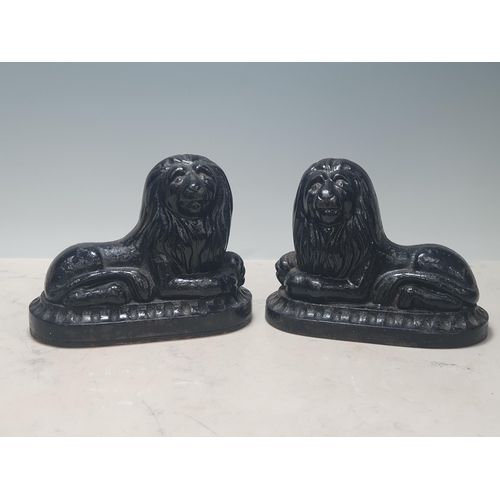


Nineteenth Century Paperweight
A nineteenth century paperweight sits heavy on the desk, anchoring scattered papers with cast iron, bronze, or glass while showing the taste of its maker.
Nineteenth Century Paperweight
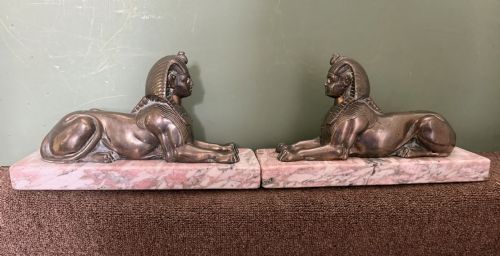
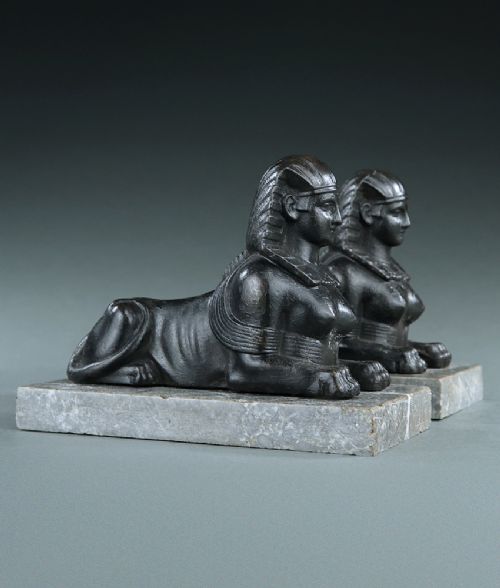
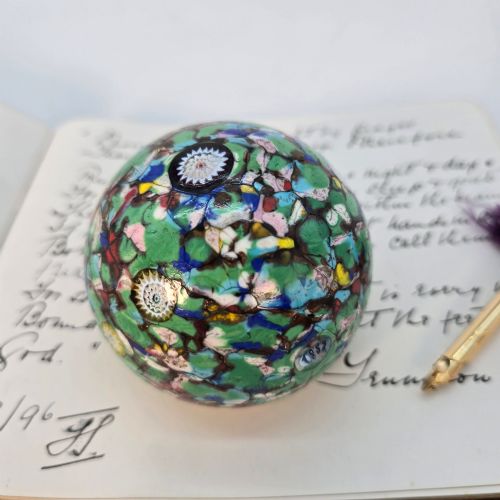
A nineteenth century paperweight brings domestic utility together with sculptural forms, ranging from utilitarian cast iron blocks to intricate glass dumps and marble souvenir plaques. These desk accessories appear in various guises across the inventory, including animal figures, architectural obelisks, and micro-mosaic panels.
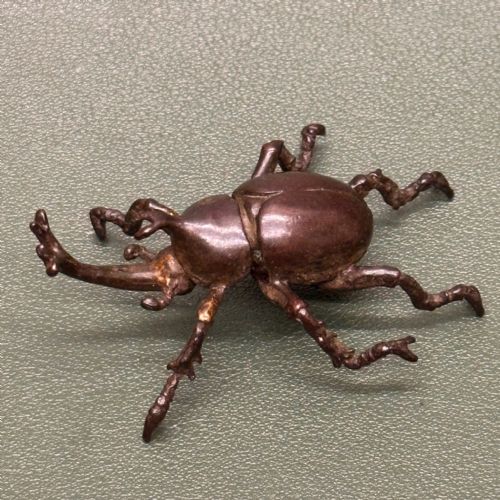
Buyers encounter Victorian examples alongside Grand Tour souvenirs and Japanese bronze insects from the Meiji period, all designed to hold correspondence in place. The selection bridges heavy desktop hardware and delicate cabinet curiosities.
Materials span from utilitarian cast iron and patinated bronze to coloured glass, marble, and gilt brass, reflecting both British and continental workshop traditions.
Materials and methods
Foundry casting accounts for the metal examples, utilising bronze, brass, and cast iron poured into moulds to create detailed animalier sculptures and architectural obelisks. Artisans then applied patination or gilding to finish the surfaces.
Glass pieces incorporate techniques such as sulphide insertions and Murano methods, trapping decorative motifs like thistles within solid transparent masses. Stone items rely on lapidary work, mounting micro-mosaic panels into marble cartouches.
Mounts and hinges on related desktop containers demonstrate precision metalworking, securing agate and gold elements together.
Materials documented across the listings include cast iron, bronze, brass, marble, gilt bronze, agate, and Murano glass.
Assessing quality and execution
The crispness of the casting defines the standard in metalwork, separating sharply rendered fur, feathers, and architectural lines from soft, worn impressions. Detail retention in patinated bronze and cast iron indicates the care taken with the original mould.
In glass and stone, clarity and precision govern the value, evident in the sharp outline of internal sulphides or the tightness of micro-mosaic tesserae. Maker stamps and registration marks further distinguish documented workshop output from anonymous foundry work.
H Risch·Whitehouse and Son
The Nineteenth Century Paperweight Glossary
- Animalier
- A nineteenth-century artistic style focusing on realistic depictions of animals, particularly predators and domestic beasts modelled in bronze.
- Sulphide
- A small ceramic cameo encased within clear glass, appearing silvery-white and catching the light from within the weight.
- Grand Tour
- A cultural journey undertaken by wealthy Europeans that inspired the purchase of small bronze and marble souvenirs like cartouches and obelisks.
- Micro-mosaic
- Tiny coloured glass tesserae assembled into detailed pictorial panels, frequently set into marble desk weights.
- Patination
- The surface coloration and ageing applied to metal objects through chemical treatment or natural oxidation.
Nineteenth Century Paperweight: Frequently Asked Questions
What materials were used for these desk items?
Makers utilised cast iron, bronze, brass, marble, and glass to construct heavy objects capable of securing loose sheets on a desk.
Surface treatments such as gilding and patination added decorative contrast to the utilitarian metal cores.
How do I date a Victorian paperweight?
Dating relies on stylistic markers such as Egyptian Revival motifs, Meiji period Japanese influences, or Grand Tour souvenir designs. Maker stamps, registration numbers, and specific casting techniques also help establish the decade of production.
Comparing the object to dated examples in historical records narrows down the timeframe.
Where were these pieces originally made?
Production spanned British foundries, French studios, Italian souvenir workshops, and Japanese metalworking centres. Each region brought distinct materials and stylistic conventions to desktop accessories.
Export markets distributed these items widely across European and domestic households.
How should I clean a bronze desk piece?
Dusting with a soft, dry cloth preserves the historical patina without removing the aged surface layer. Avoid using abrasive polishes or chemical cleaners that strip the original metal finish.
Maintaining a stable indoor humidity prevents further oxidation or corrosion of iron and bronze elements.