

Antique Desk Paperweight
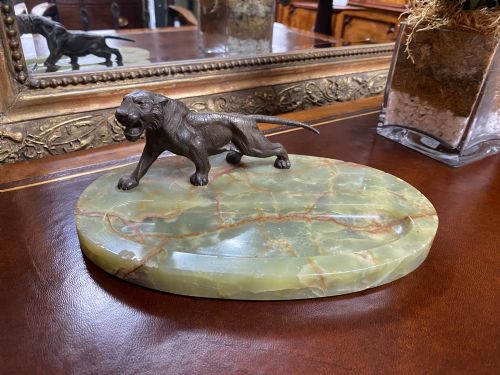
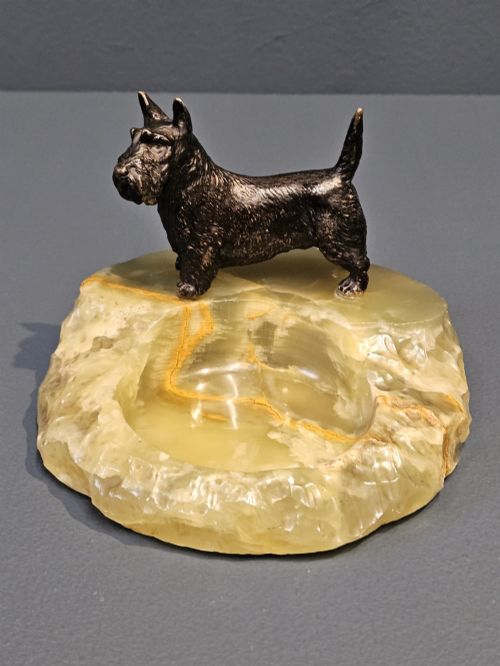
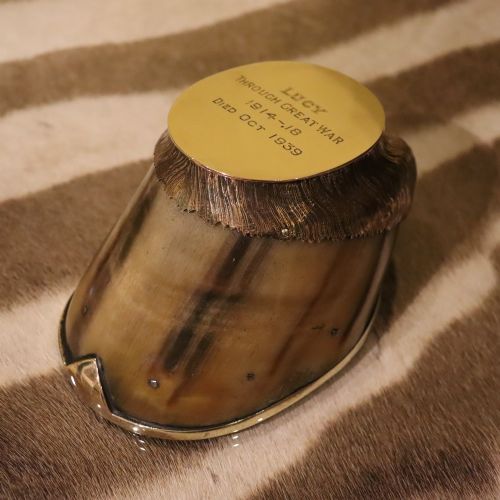
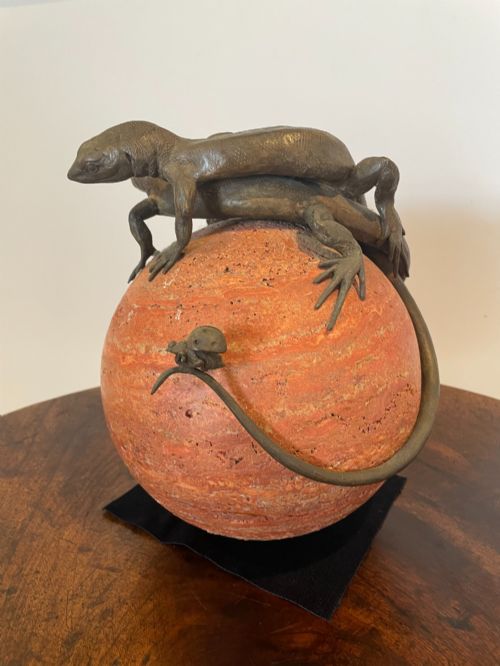
An antique desk paperweight anchors scattered documents while bringing bronze animals, heavy glass spheres and carved stone to a writing table.
Antique Desk Paperweight
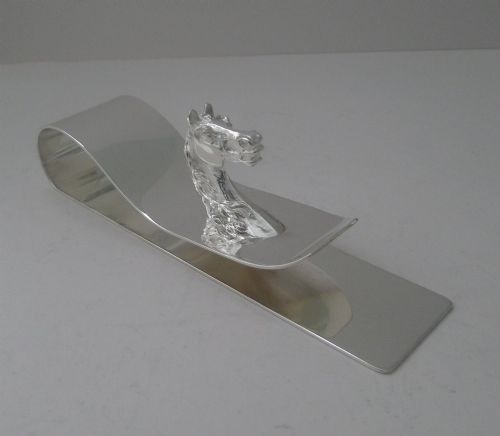
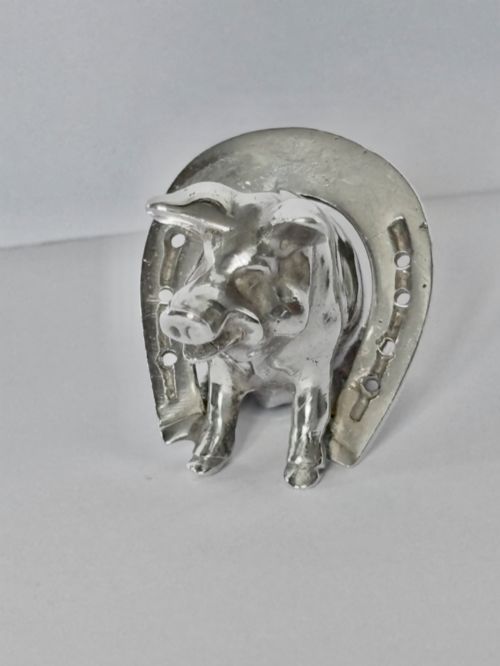
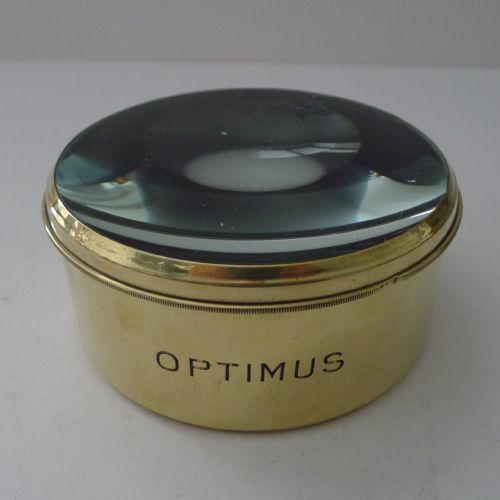
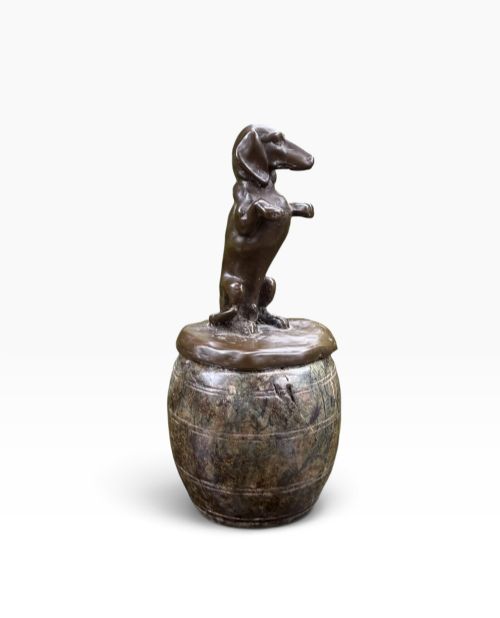
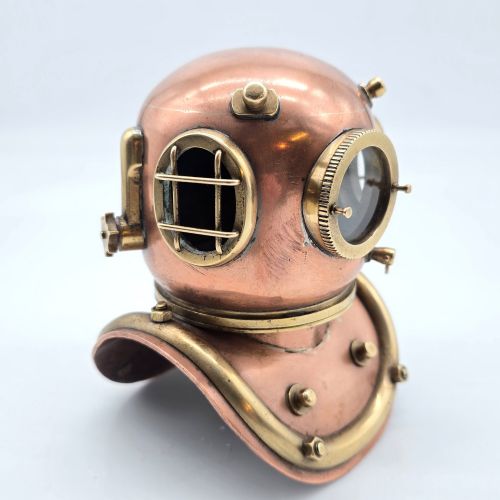
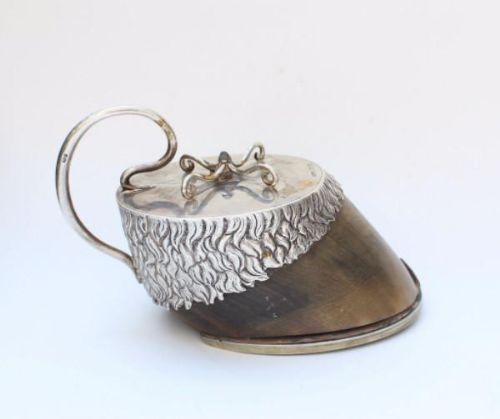
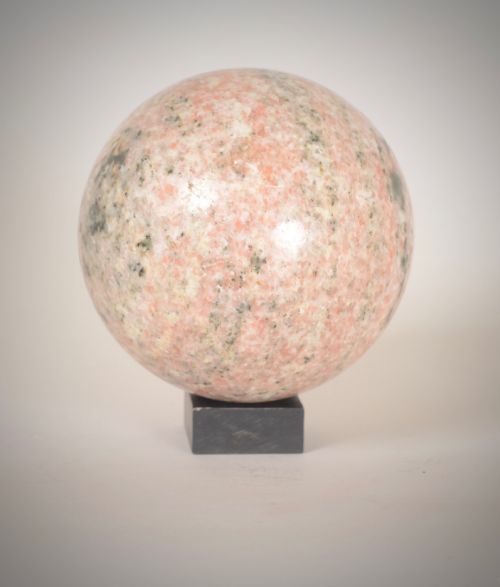
An antique desk paperweight serves a practical function on a writing table while displaying sculptural forms, ranging from animal studies to geometric specimens. These items include brass magnifying lenses, cast metal figures, stone obelisks, and glass spheres originating across European and Asian workshops.
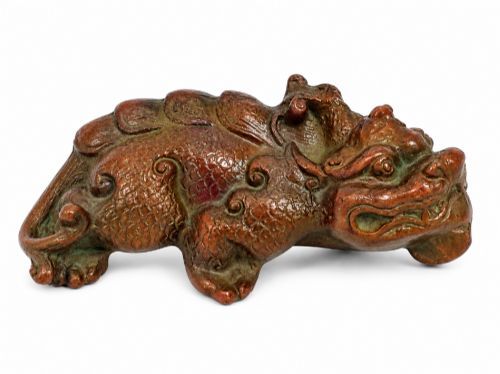
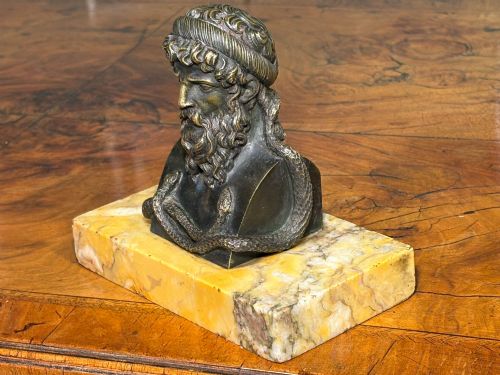
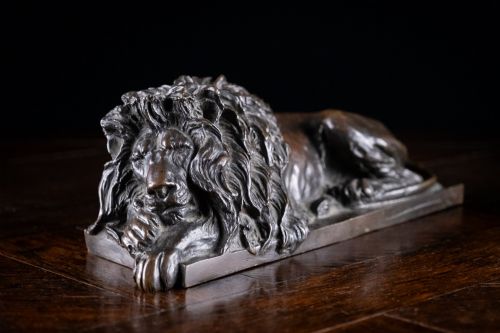
Victorian and Edwardian brass magnifiers alongside cold-painted bronze animal figures dominate the selections available. Collectors also encounter Chinese bronze scholar pieces, Italian Murano glass works, and French animalier sculptures mounted on marble bases.
Materials and Technique
Metals such as bronze, brass, sterling silver, and cast iron undergo casting, chasing, and cold-painting to achieve detailed animal and figural studies. Bronze and brass serve as the primary foundational metals for figurative desk ornaments and heavy optical lens mounts.
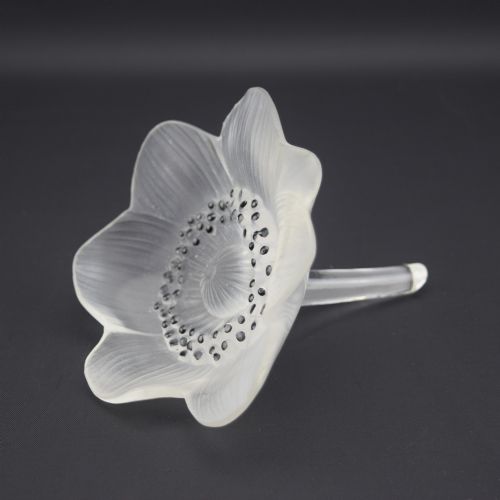
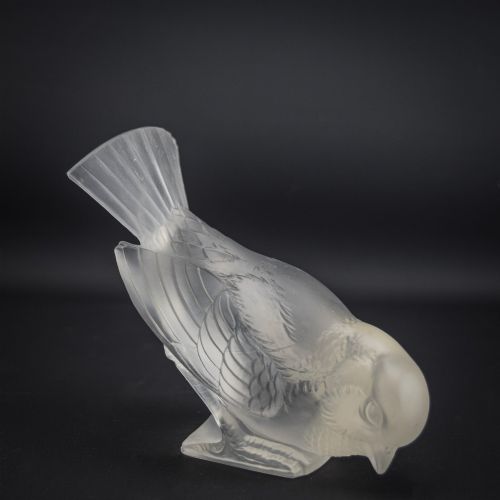
Glass pieces utilise techniques like millefiori, facet-cutting, and pressed moulding, seen particularly in Murano and Lalique productions. Natural stone items incorporate hardstone inlay, marble, onyx, serpentine, and jade carved into architectural or zoomorphic shapes.
Antique Desk Paperweight Retail Price Guide 2026
Typical asking prices for desk paperweight among the pieces listed under this phrase on Sellingantiques today, from the lower quarter to the upper quarter. They describe what is for sale here now, not the wider market.
Listings feature items spanning the nineteenth century through the 1960s, incorporating bronze, silver, marble, onyx, and glass.
Craftsmanship and Material Depth
The standard of modelling and surface finish separates standard items from finer examples. Cold-painted bronzes show varying degrees of pigment preservation and chisel definition on fur and feather details.
Glass weights demonstrate complexity through the density of internal cane patterns or the crispness of moulded animal figures. Stone and marble pieces rely upon the precision of inlay work and the quality of the raw mineral specimen.
Franz Bergman·Rene Lalique·Dora Heber·Liberty and Co
The Antique Desk Paperweight Glossary
- Cold-painted bronze
- A technique where bronze figures receive non-fired oil paint decoration applied directly to the metal surface. This finish often shows gentle rubbing and patina from age.
- Millefiori
- A glasswork method involving bundles of multicoloured glass rods fused together and sliced to reveal intricate floral patterns. These cross-sections appear suspended within clear glass domes.
- Animalier
- A nineteenth-century artistic movement focused on realistic depictions of animals in sculpture. Practitioners rendered lions, dogs, and birds with anatomical precision.
- Pietra dura
- An Italian stone-cutting technique using sliced polished coloured stones to create pictorial inlay designs. Artisans fitted hardstones together tightly to form geometric or naturalistic scenes on marble bases.
- Grand Tour
- Souvenirs and decorative objects collected by wealthy travellers touring European cultural sites during the eighteenth and nineteenth centuries. These items frequently mimic classical architecture and sculpture.
Antique Desk Paperweight: Frequently Asked Questions
What is an antique desk paperweight made of?
These desk accessories appear in a diverse array of materials recorded across historical workshops. Common substances include cast bronze, polished brass, sterling silver, solid glass, and carved hardstones.
Makers also utilised marble, onyx, serpentine, leather, and pewter to construct functional weights and optical magnifiers for the nineteenth and twentieth-century writing table.
Where were millefiori paperweights made?
Millefiori glass objects originate primarily from Italian glasshouses in Murano alongside notable French production centres. Artisans fused complex glass cane bundles to create dense floral motifs.
These colourful internal arrangements remain encased within heavy clear glass domes designed to hold documents firmly in place.
How do I care for antique brass magnifiers?
Brass magnifiers and heavy desk accessories require minimal intervention to preserve their historic character. Gentle dusting with a soft cloth protects the aged metal finish and any integrated optical glass.
Avoid chemical polishes that strip away the natural patination accumulated over generations of use on historic desks.