


Oriental Desk Accessories
These oriental desk accessories bring scholar's objects and export pieces to the working desk, shaped from soapstone, bronze, bamboo, and hardwood.
Oriental Desk Accessories
Oriental desk accessories encompass functional items made for writing and study, spanning brush pots, paperweights, bookends, and seal boxes. These pieces draw from Chinese scholars studio traditions, Chinese export wares, and Chinoiserie styles produced during the nineteenth and early twentieth centuries.
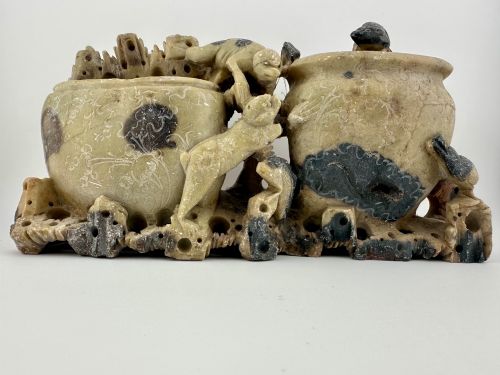
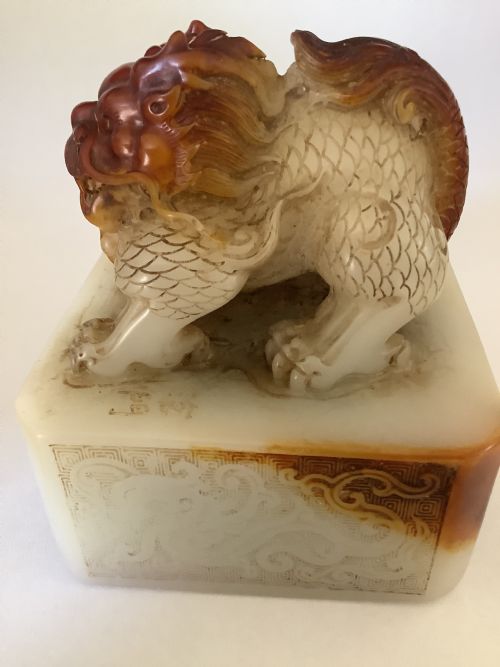
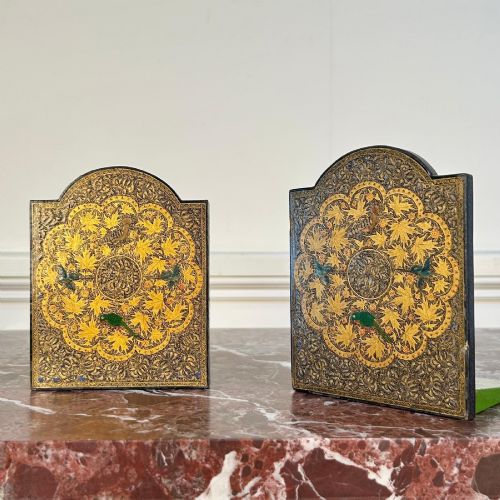
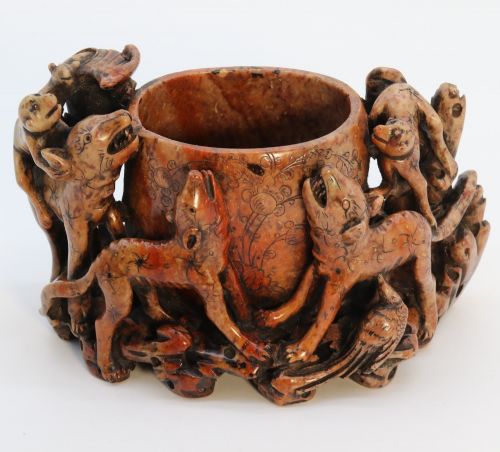
The selections encountered most frequently on this page are carved brush pots, soapstone bookends featuring dogs of fo, and cast bronze scholar objects. Such items range from Victorian interpretations to Qing Dynasty pieces designed for traditional writing desks.
How they were made
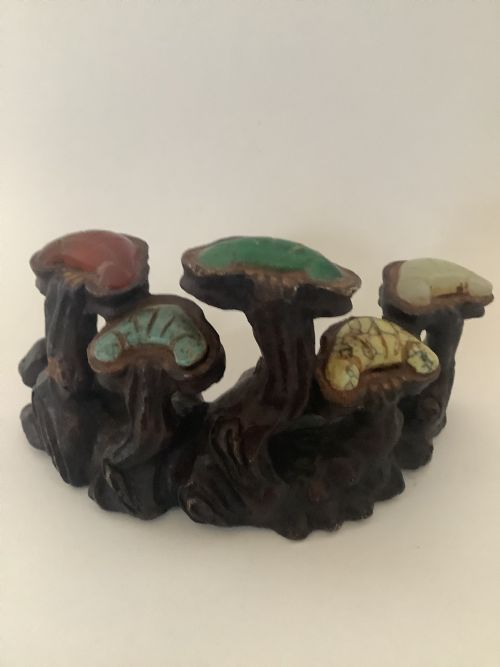
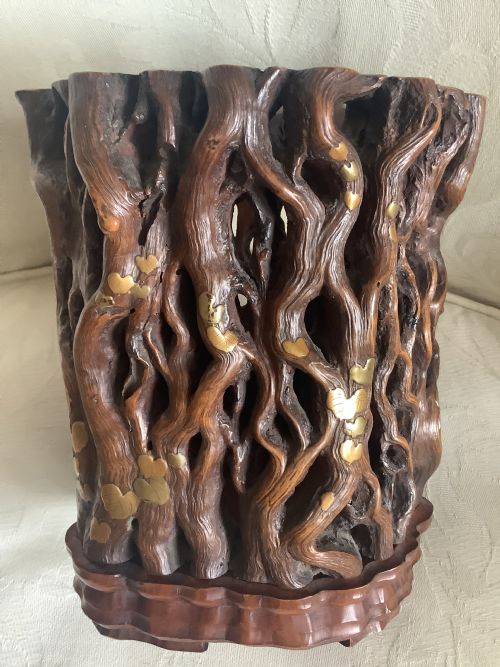
Makers utilised natural materials including soapstone, bamboo, hardwood, boxwood, and serpentine, carving them by hand into detailed forms such as toads, dogs of fo, and scholarly figures. Wood and stone items rely on deep relief carving to define the subject matter.
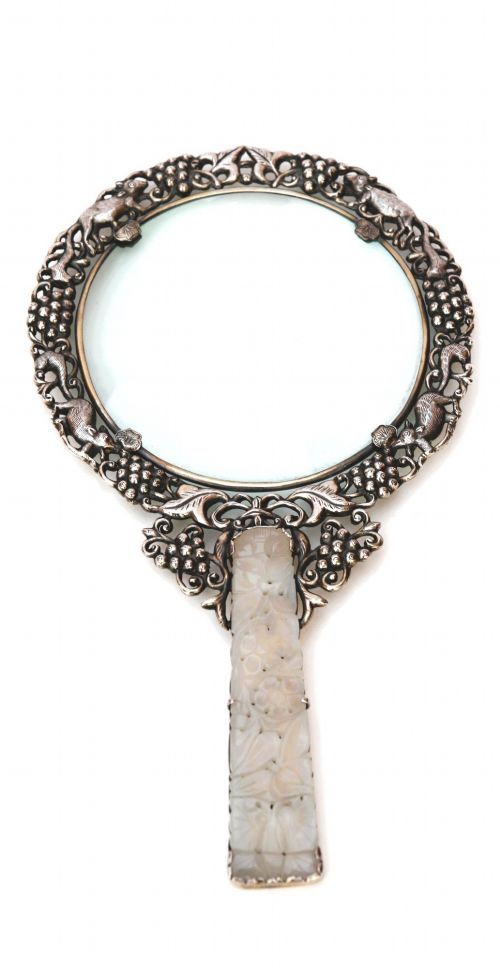
Metal objects involve casting in bronze and brass, sometimes enhanced through cold-painting or gilding, while other pieces incorporate jade, marble, silver, and lacquer. These mixed-media constructions combine metal mounts with carved stone or wooden bodies.
Oriental Desk Accessories Retail Price Guide 2026
Typical asking prices for oriental desk accessories among the pieces listed under this phrase on Sellingantiques today, from the lower quarter to the upper quarter. They describe what is for sale here now, not the wider market.
Materials represented on this page span organic and inorganic substances, combining bamboo, hardwood, and boxwood with soapstone, hardstone, bronze, brass, and lacquer.
What varies in quality
Material selection dictates the upper tier of the range, where dense hardwoods, unblemished soapstone, and finely cast bronzes demonstrate greater weight and finer detail than simpler export pieces.
Franz Bergman
The Oriental Desk Accessories Glossary
- Bitong
- A traditional Chinese brush pot, usually cylindrical, used to hold writing brushes in a scholar's studio. These vessels appear in bamboo, hardwood, and porcelain.
- Dog of Fo
- A mythical guardian lion depicted in pairs, frequently seen guarding temples and frequently carved onto bookends and desk seals. They symbolise protection and authority.
- Chinoiserie
- European decorative art influenced by Chinese design styles, popular in various periods including the nineteenth and twentieth centuries. It reinterprets Eastern motifs for Western interiors.
- Scholar's Studio
- The private study space of a traditional Chinese scholar, associated with specific implements like brush rests, table screens, and water droppers. Objects from this setting formed the basis for many desk accessories.
- Famille Noire
- A Chinese ceramic and enamel palette characterised by a lustrous black ground, often featuring polychrome floral or figural decoration.
Oriental Desk Accessories: Frequently Asked Questions
What are brush pots used for?
Brush pots served to hold traditional ink brushes upright on the scholar's desk when not in use. They keep the writing tools organised and accessible.
Today, these vessels function as desk tidies or decorative containers for pens and pencils in a modern study.
How do I identify a Qing Dynasty piece?
Qing Dynasty items often display traditional Chinese motifs, such as the Eight Immortals or scholarly iconography, executed in carved hardwoods, soapstone, or famille noire ceramics. These pieces reflect the aesthetic standards of imperial China.
Comparison with dated nineteenth-century export pieces helps establish the likely period of manufacture.
Where were these accessories made?
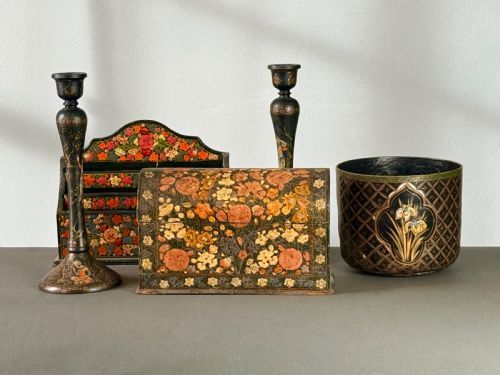
Many of these objects originated in China for domestic scholarly use or for the export market, while others stem from Japanese workshops or Kashmiri and European Chinoiserie production centres. Trade routes and Victorian taste distributed them widely.
Materials like bamboo, soapstone, and bronze point directly to traditional Asian crafting regions.
How do I care for soapstone and hardwood?
Soapstone and hardwood objects require gentle dusting with a dry or slightly damp cloth to preserve their surface finish and natural patina. Avoiding harsh cleaning agents protects the integrity of the carved details.
Keeping them out of direct sunlight prevents the wood and stone from drying out over time.