


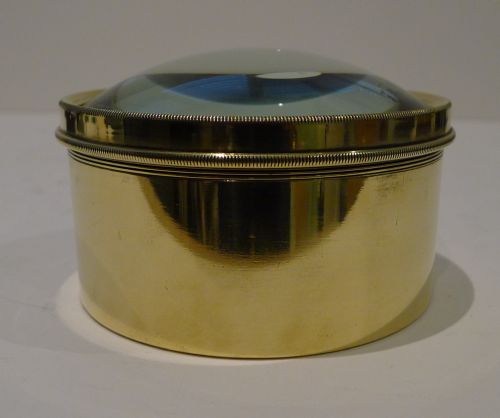


Vintage Brass Paperweights
These vintage brass paperweights bring weight, character and history to a working desk.
Vintage Brass Paperweights
Vintage brass paperweights encompass desk accessories, scale models and decorative objects designed to anchor loose documents.
The selections range from Victorian maritime items and Edwardian heraldic pieces to mid-century automobilia and animal figures.
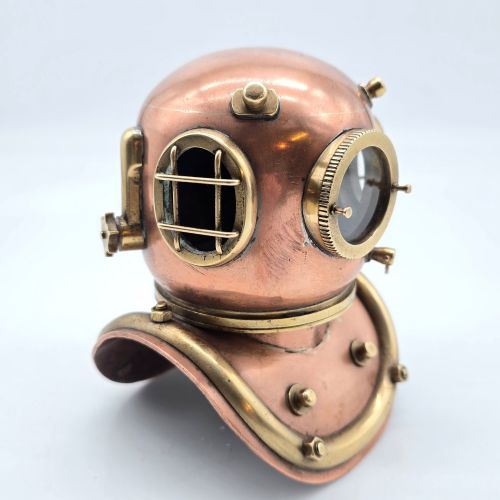
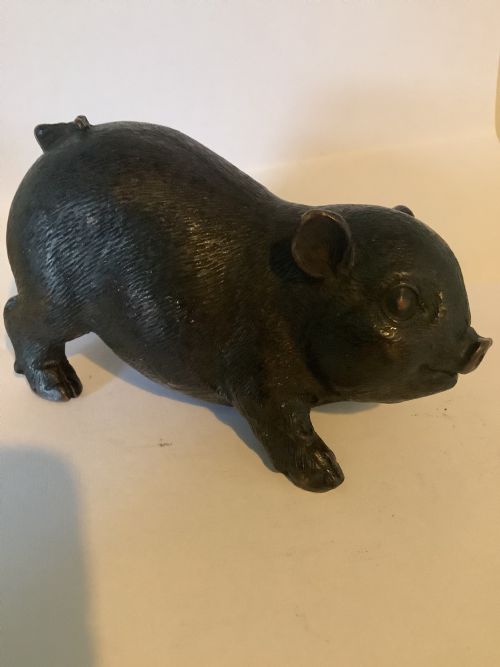
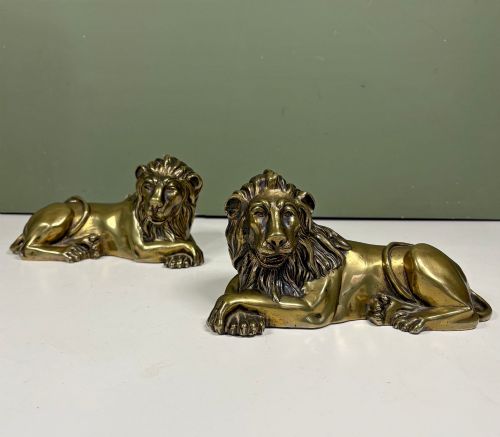
Buyers encounter solid cast animals, miniature helmets, anchors and commemorative sculptures spanning the nineteenth century through the mid-twentieth century.
How they were made
Maker workshops utilised traditional casting methods in brass, bronze and copper, often mounting metal figures onto heavy wooden or marble bases.
Many pieces incorporate mixed media elements such as glass lenses, cast iron carriages and mahogany mounts to balance utility with display.
Materials represented include brass, bronze, copper, glass, marble, granite and mahogany.
What varies in quality
Quality rests upon the crispness of the casting detail and the fidelity of scale models, from miniature divers helmets to architectural obelisks.
Examples featuring secondary materials like polished hardwoods, heavy marble bases or fine gilding command greater attention from collectors.
The Vintage Brass Paperweights Glossary
- Brass
- An alloy of copper and zinc favoured for its warm golden lustre and durability.
- Bronze
- A copper alloy containing tin, often utilised for heavier sculptural figures and scroll weights.
- Patina
- The surface sheen developed through age and handling that distinguishes older metalwork.
- Desktop accessory
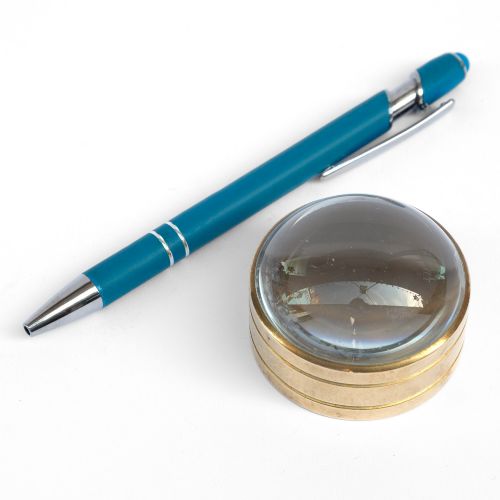
- Functional items designed for the writing table, including letter clips and magnifying glasses.
Vintage Brass Paperweights: Frequently Asked Questions
What periods do these paperweights cover?
The inventory spans the nineteenth century through the Victorian, Edwardian and mid-century twentieth eras.
Each period brings distinct stylistic traits, from maritime engineering models to wartime commemoratives.
How were these heavy objects used originally?
They served practical functions on busy writing desks to secure correspondence, ledgers and loose sheets.
Many doubled as decorative ornaments, magnifying lenses or perpetual calendars for the professional office.
How do I identify a Victorian piece?
Victorian examples often display heavy cast construction with motifs relating to agriculture, maritime themes or heraldry.
Maker signatures or patent dates, such as mid-nineteenth century registry marks, occasionally appear on letter clips.
What subject matter is most common?
Animal figures, nautical equipment such as anchors and divers helmets, and architectural obelisks recur frequently.
Patriotic symbols and scale models of transport also form a substantial portion of desk sculptures.