
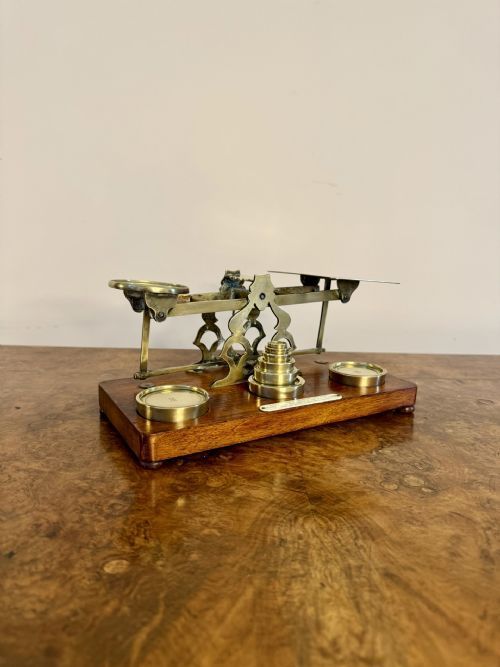


Victorian Desk Weight
A victorian desk weight anchors your papers with solid nineteenth-century character, bringing polished marble, cast iron and gleaming brass to the desktop.
Victorian Desk Weight
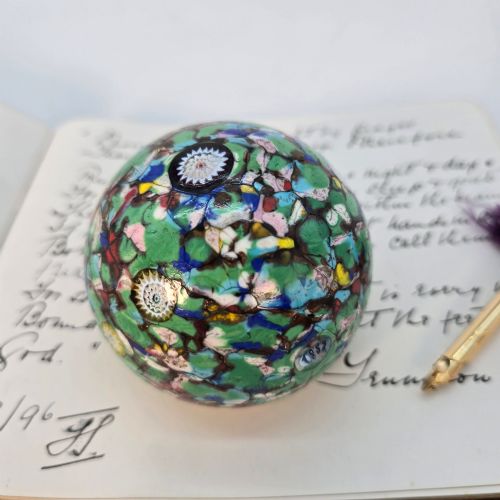
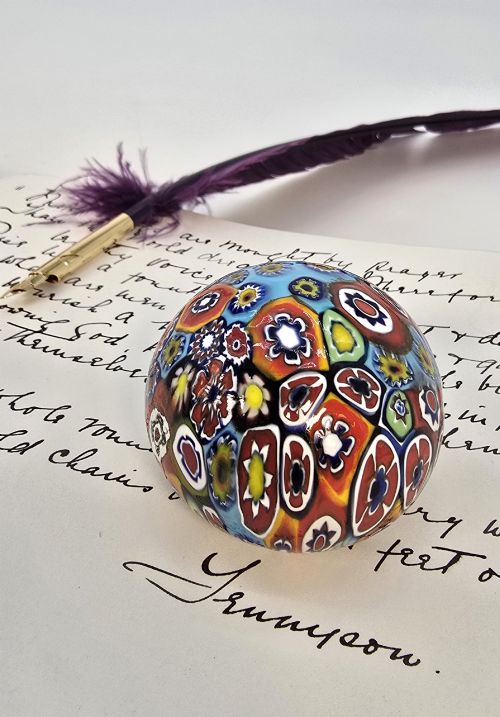
A victorian desk weight serves the practical purpose of holding down correspondence and bills upon a writing table. The pieces found here encompass heavy stone specimens, cast iron figures, and metal clips designed for nineteenth-century correspondence.
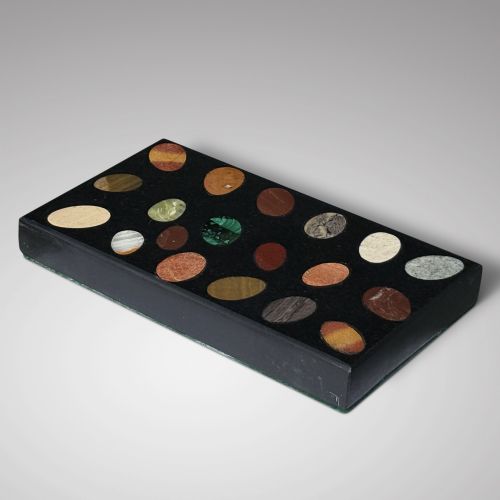
Buyers will encounter various forms ranging from Grand Tour marble obelisks and pietra dura plaques to novelty bronze boots and inlaid wooden animals. These items reflect the heavy bureaucratic needs and ornamental tastes of the Victorian study.
Originating largely from British workshops alongside continental European centres, these accessories combine utilitarian function with decorative stone or metalwork. They survive as tactile reminders of an era when letters required physical restraint upon the desk.
Materials and construction
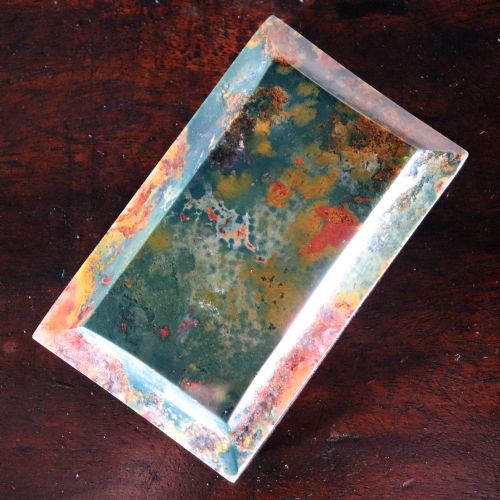
Makers utilised dense natural materials such as Derbyshire Ashford marble, serpentine, malachite and agate to provide the necessary heft. Pietra dura and micro-mosaic panels were laboriously inlaid into stone bases by skilled lapidaries, particularly during the Grand Tour period.
Metalworking techniques involved casting iron and brass into utilitarian letter clips, postal scales and novelty shapes like spurs or figures. Artisans also combined polished mahogany, oak and walnut with brass hardware to create durable desktop accessories.
Separating the ordinary from the exceptional
Quality rests upon the precision of the stone inlay and the crispness of the casting in bronze or iron. Pieces featuring intricate pietra dura work or detailed figural modeling stand apart from plain utilitarian blocks of stone.
The integrity of the materials and the sophistication of the design dictate desirability among collectors. A well-preserved surface polish on marble or agate indicates how carefully the piece was finished by the original maker.
S Mordan·S Mordan Co
The Victorian Desk Weight Glossary
- Pietra dura
- An Italian term for the artistic technique of using cut and fitted polished coloured stones to create pictorial images. This meticulous inlay work frequently appears on Grand Tour desk weights.
- Grand Tour
- A cultural journey undertaken by wealthy young Europeans in the eighteenth and nineteenth centuries to study classical antiquities. Souvenirs from these travels included marble and micro-mosaic desk pieces.
- Ashford marble
- A dark limestone quarried in Derbyshire that accepts a high polish and serves as a base for inlaid floral motifs. It defines many British nineteenth-century desk accessories.
- Letter clip
- A spring-loaded metal device mounted on a wooden or cast iron base designed to hold incoming correspondence upright. These clips are frequently categorised alongside desk weights.
Victorian Desk Weight: Frequently Asked Questions
What is a victorian desk weight made of?
These desktop items utilise heavy natural stones like marble, malachite, and agate alongside cast iron, bronze, and brass. Wooden elements in mahogany, oak, and walnut also appear frequently.
Artisans combined these durable materials with inlaid stone panels and metal spring mechanisms to create practical tools for the nineteenth-century study.
How were postal scales used with desk weights?
Postal scales measured the weight of letters to determine the correct postage required for mailing correspondence. They sat alongside desk weights on writing tables as essential administrative equipment.
Both items managed the daily flow of letters and bills in nineteenth-century offices and homes.
What is a Grand Tour desk weight?
A Grand Tour desk weight is a souvenir brought back by travellers touring continental Europe during the nineteenth century. These pieces often feature Italian micro-mosaics or pietra dura stonework.
They allowed owners to display classical artistic tastes upon their home writing desks.
How do I care for marble and stone desk weights?
Polished stone surfaces require gentle dusting with a soft, dry cloth to prevent scratching the finish. Avoid using harsh chemical cleaners or abrasive materials that could dull the natural stone.
Keeping them out of direct sunlight preserves the rich colours of the inlaid specimens and marbles.