
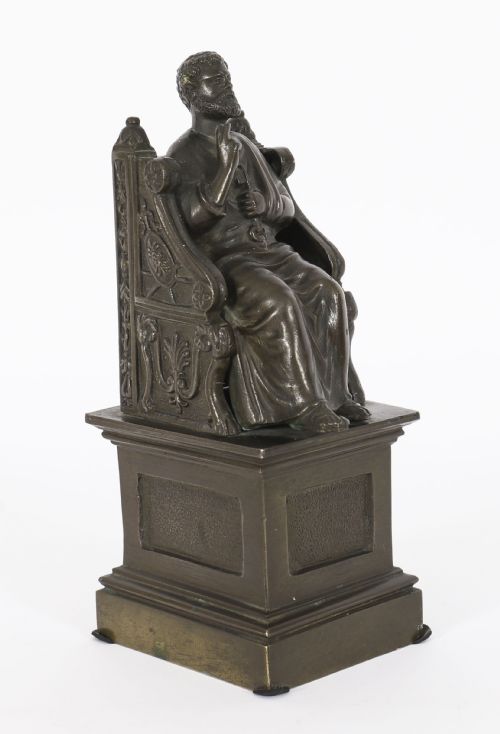
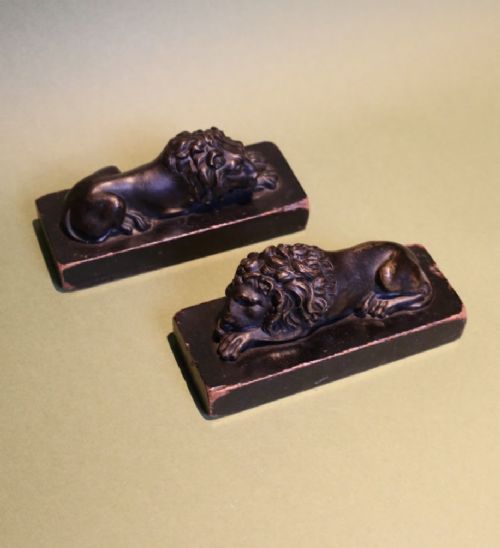


Victorian Bronze Desk Ornament
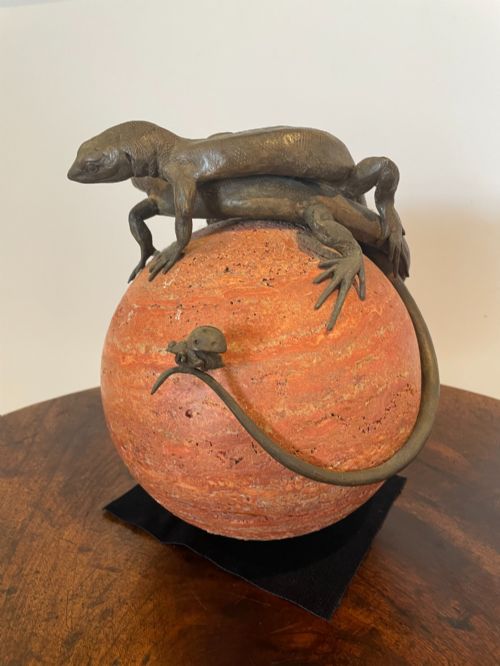
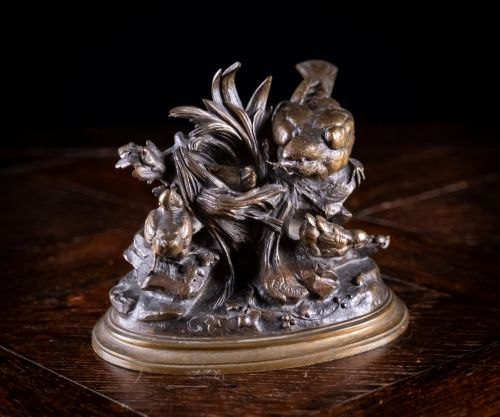
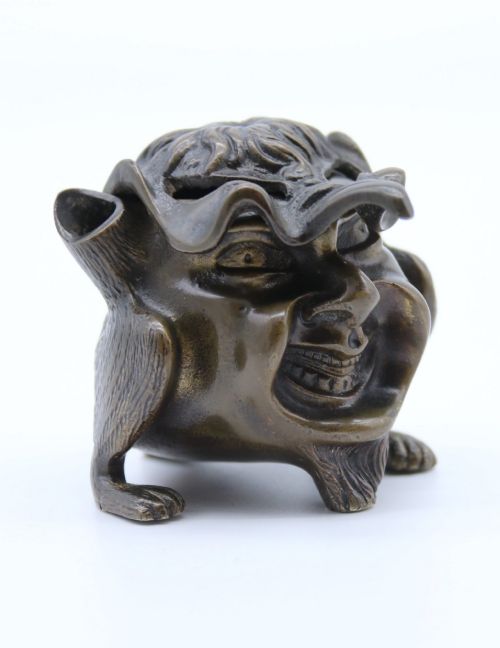
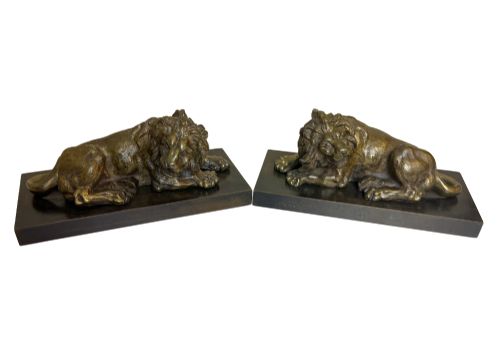
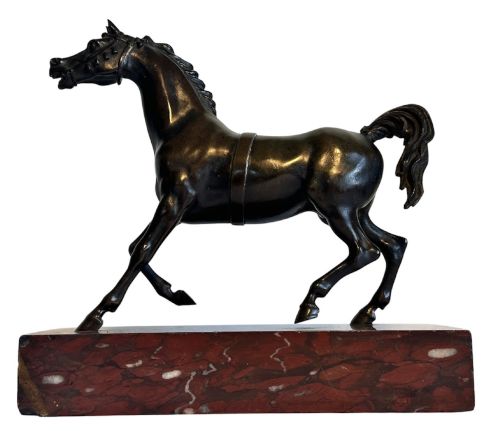
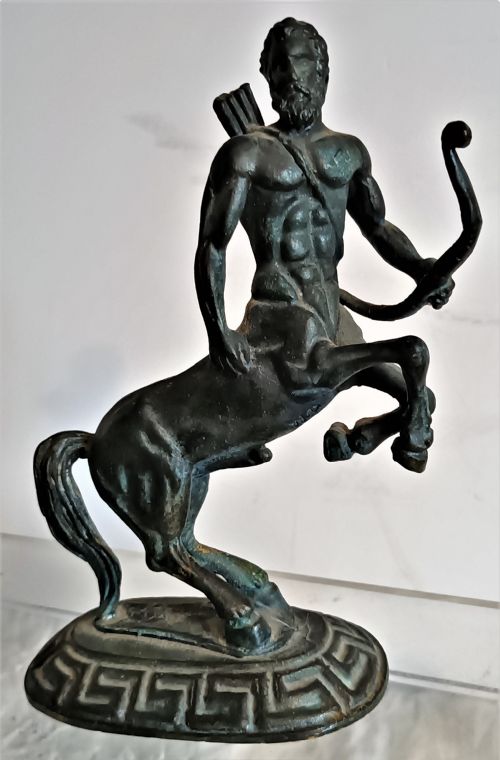
These Victorian bronze desk ornament pieces bring functional utility and sculptural presence to a workspace, offering solid metal forms modelled on animals, figures, and classical subjects.
Victorian Bronze Desk Ornament
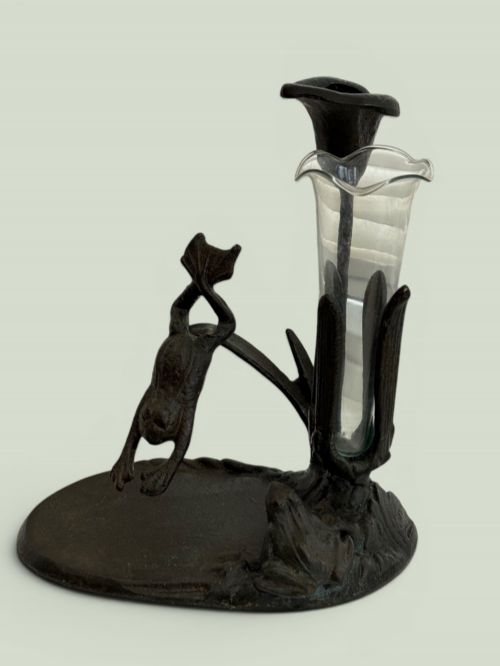
A victorian bronze desk ornament encompasses small sculptures, inkwells, paperweights, letter openers, and flower holders designed for nineteenth-century writing tables and libraries. The selection spans utilitarian items fitted with glass or marble alongside purely decorative figurines and portrait busts.
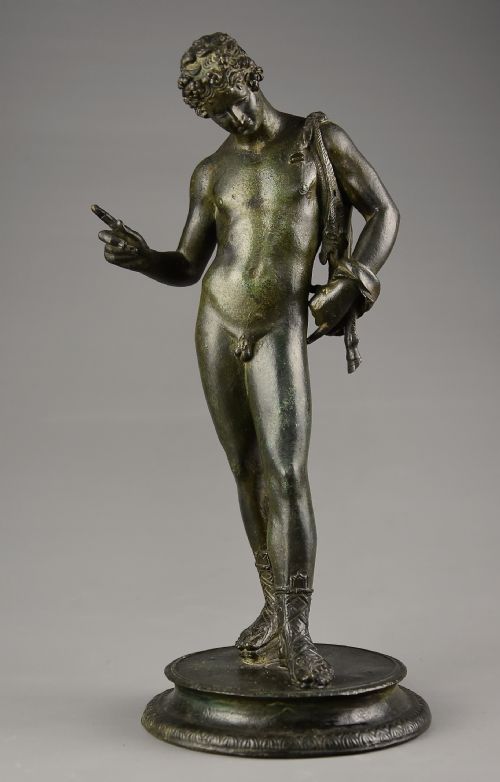
Moulds draw heavily from French animalier subjects, Grand Tour classical figures, and domestic creatures like dogs and rabbits. Pieces frequently combine cast metal with secondary materials such as malachite, enamel, or marble bases.
Origins stretch across English, French, Austrian, and Italian workshops, reflecting diverse European metalworking traditions of the period. While some items served specific tasks like holding ink or blotting paper, others functioned simply as decorative desk furniture.
What varies in quality
The crispness of the chasing separates standard production pieces from finer foundry work, where individual hairs, feathers, and anatomical contours remain sharp and distinct. Weaker castings often show smoothed details and softened edges where filing obscured the raw metal.
Material combination and weight also influence standing, as solid bronze mounted on heavy marble or fitted with intact enamel work demonstrates superior craftsmanship. Inferior examples rely on simpler patination and lack the careful hand-finishing seen in signed or attributed works.
Listings feature nineteenth-century desk objects rendered in patinated bronze, gilt bronze, and cold-painted finishes.
Louis Emile Cana·Antoine Louis Barye·Isidore Jules Bonheur·Arthur Waagen·Joseph Francois Victor Chemin·Franze Bergman·Carl Kauba
The Victorian Bronze Desk Ornament Glossary
- Animalier
- A nineteenth-century artistic style focusing on realistic depictions of animals, particularly predators, horses, and dogs in dynamic or resting poses.
- Cold painted
- A technique where paint is applied to a cold bronze surface rather than fired in a kiln, common in Austrian novelty figures.
- Grand Tour
- Souvenirs and miniature classical sculptures purchased by travellers journeying through Italy and Europe during the nineteenth century.
- Ormolu
- Gilded bronze achieved through the application of a mercury and gold amalgam to the metal surface, creating a rich golden finish.
- Patination
- The chemical or natural colouration of the bronze surface, ranging from deep brown and black to green tones developed over time.
Victorian Bronze Desk Ornament: Frequently Asked Questions
What is a cold painted bronze?
Cold painted bronze refers to metal figures finished with oil or water-based paints applied directly to the cold surface without kiln firing. This technique produced vivid, multicoloured finishes particularly popular in Austrian animal sculptures.
Over decades, handling and light can cause this surface pigment to wear, making original undisturbed paint finishes desirable to collectors.
How were antique inkwells used?
Antique inkwells held liquid ink for dip pens, featuring a lidded reservoir to prevent the fluid from drying out too quickly. Many incorporated glass or ceramic inserts within a bronze housing to contain the corrosive ink.
Library desks often paired these reservoirs with matching trays for pens, sanders for drying ink, and heavy paperweights.
What is an animalier bronze?
Animalier bronze describes nineteenth-century sculptural works focusing specifically on the accurate and dynamic anatomy of animals. Sculptors studied subjects in menageries and the wild to capture beasts in motion or repose.
These pieces served as decorative desk ornaments and cabinet sculptures for collectors interested in natural history and realism.
How do I care for bronze desk items?
Bronze requires minimal intervention, needing only occasional dusting with a soft, dry cloth to protect the underlying patination. Harsh chemical cleaners or metal polishes will strip away historical patination and damage the surface.
Keeping items away from direct sunlight and excessive moisture helps preserve any integrated marble, enamel, or painted details.