



Antique Bronze Children
Antique bronze children capture the quiet realism and classical grace of youth across the nineteenth and early twentieth centuries.
Antique Bronze Children
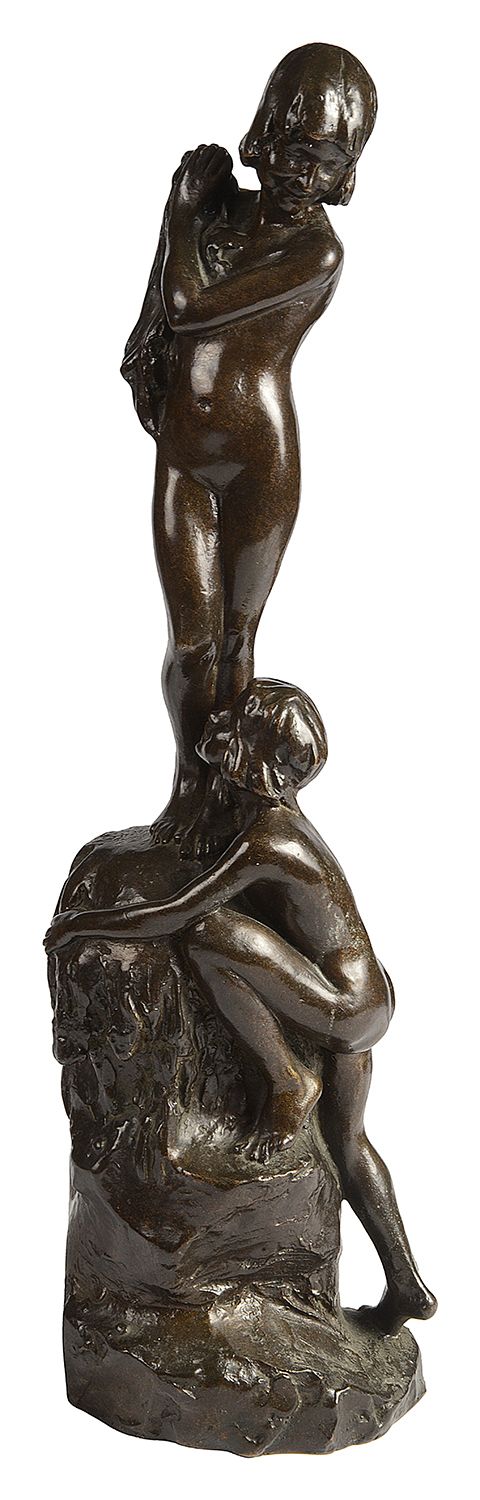
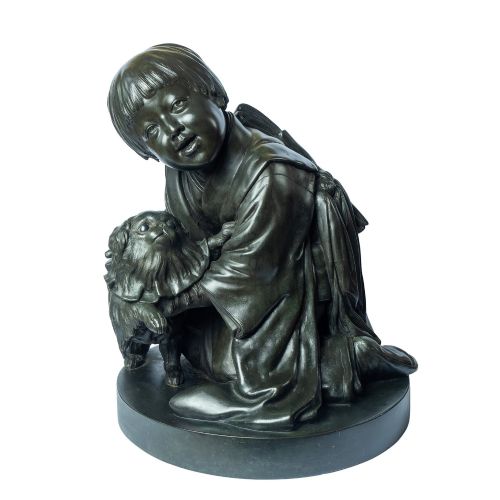
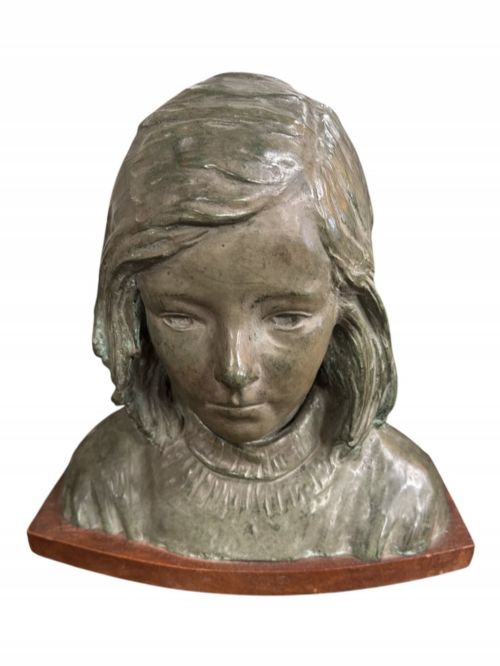
Antique bronze children encompass sculptural figures, portrait busts, wall plaques, and table lamps depicting infants, boys, girls, and maternal groups. These works range from small Grand Tour souvenirs and miniature studies to large gallery sculptures produced in France, Austria, and Italy.
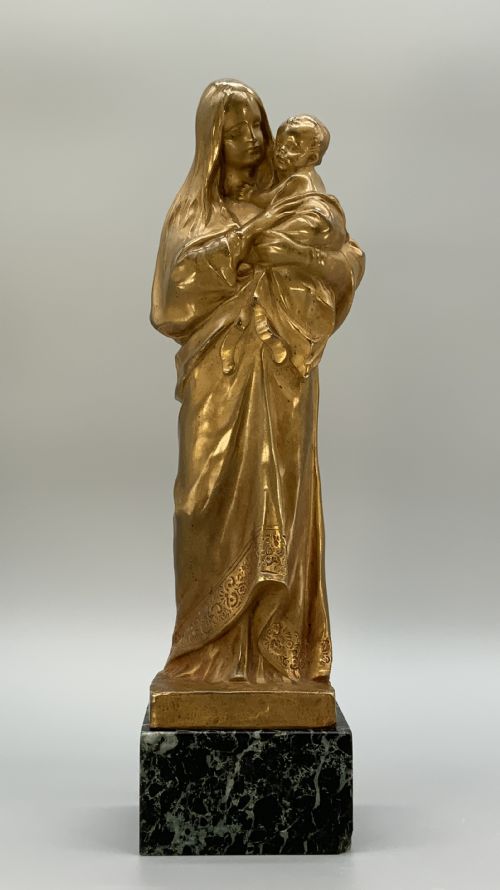
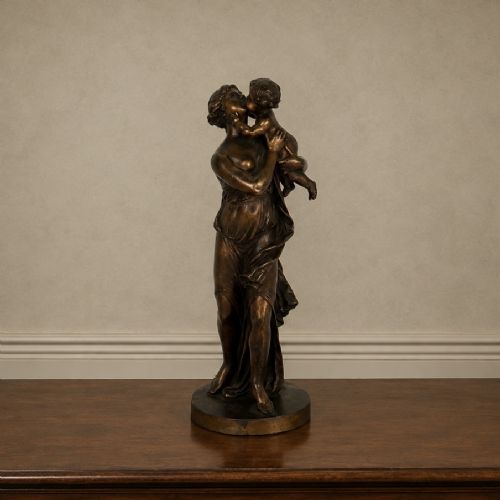
The subjects frequently show children at play, bathing, or resting, alongside allegorical putti and classical mother and child groupings. Most examples date from the nineteenth century through the Art Deco period, incorporating patinated bronze, gilt bronze, and occasionally related metal mediums.
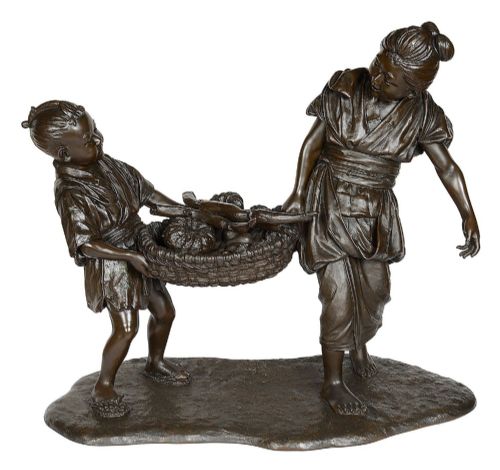
Buyers encountering this group will frequently find French and Austrian foundry work, Japanese okimono, and Italian classical interpretations. The scale moves from delicate tabletop figurines to substantial mantel and floor statues.
How They Were Made
Foundries shaped these works primarily through the lost-wax method or sand casting, allowing for intricate detail in hair, drapery, and facial expression. Artisans then applied chemical patinas, gilding, or silvering to the metal surface to alter tone and catch the light.
Many sculptures incorporate mixed media bases, mounting the bronze directly onto marble, onyx, alabaster, or wood. Wall plaques and portrait pieces often utilised cast metal reliefs framed within wood or mounted on wooden panels.
A bronze lobster boy stands ready among the children, alongside sleeping babies and infants wrestling with grapes.
What Varies in Quality
The integration of the base material also marks the grade of the piece, as fine sculptures use heavy, polished marble or custom-fitted alabaster rather than plain wood. Signature stamps and foundry marks from established makers elevate the standing of a bronze within the period.
Hans Müller·Masaaki·P. Sega·H. Chiparus·Auguste Moreau·Carl Kauba·Lucien Madrassi·Alexandre Kelety·Marion Willis Stanfield·Xavier Raphanel·Carrier·Dumond·Coalbrookdale·Pigale·Antoine Bofill·Edward William Wyon·Vincenzo Aurisicchio·E.A.Clapp
The Antique Bronze Children Glossary
- Patina
- The surface colouration applied to bronze through chemical means or developed through age. It ranges from deep brown and black tones to bright verdigris.
- Okimono
- A Japanese decorative statue designed for display on a shelf or tabletop. These pieces often depict genre scenes with figures and animals.
- Putto
- A figure of a small winged or unwinged child, frequently found in classical and Renaissance revival art. They often appear holding fruit or playing musical instruments.
- Spelter
- An alloy of zinc and lead used as a less expensive substitute for bronze. It was widely utilised for decorative figures during the Art Deco period.
- Grand Tour
- A cultural journey undertaken by European elites that popularized small classical bronzes and plaques as travel souvenirs.
Antique Bronze Children: Frequently Asked Questions
How do I clean antique bronze?
Dust the surface gently with a soft, dry brush to prevent dirt buildup in the crevices. Avoid using water, soap, or metal polishes, as these substances will strip the original patina.
Applying a very light coat of microcrystalline wax can protect the metal from atmospheric moisture. Buff the wax off immediately with a clean cloth to maintain a soft sheen.
What is the difference between bronze and spelter?
Bronze is a durable copper alloy that takes fine detail and develops a deep, stable patina over time. Spelter is a softer, zinc-based metal that feels lighter and requires a painted finish to imitate bronze.
Inspection of the underside or an area of wear often reveals the greyish metal beneath a chipped spelter finish. Bronze remains solid in colour throughout the casting.
Where were most of these figures made?
Foundries in Paris produced a large proportion of these nineteenth-century figures, supplying international markets with classical and genre studies. Vienna also emerged as a major centre for gilt and cold-painted bronze production during the late Victorian era.
Japanese workshops created distinct okimono figures for export, while Italian studios specialised in Grand Tour subjects. British foundries such as Coalbrookdale contributed architectural plaques and relief panels.
How are signed pieces identified?
Sculptors carved or stamped their signatures directly into the wax model before casting, meaning the signature appears in raised metal letters. Foundry stamps and cachets sometimes appear near the base edge alongside the artist's name.
Signatures confirm the design attribution but require evaluation alongside the quality of the casting. Unsigned works frequently originated from competent contemporary foundries without individual artist attribution.