
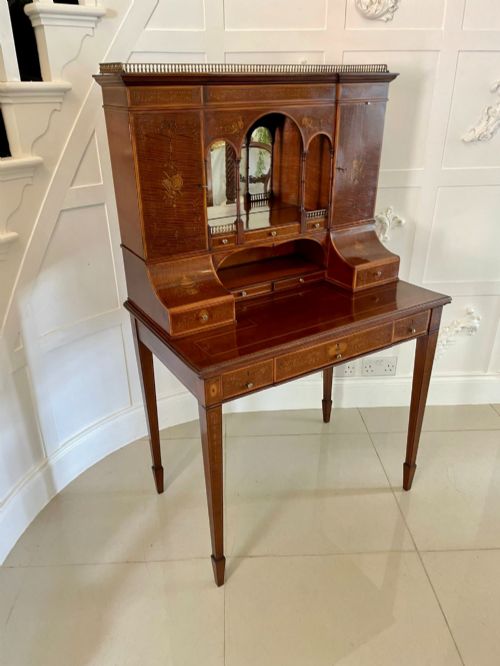
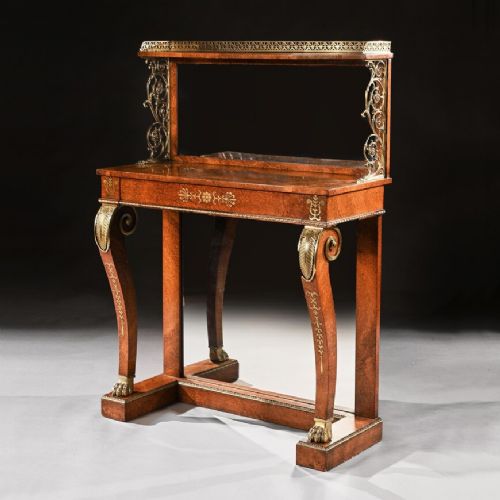
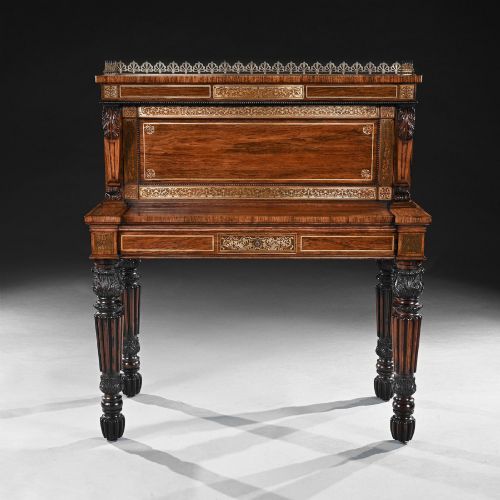

Brass Inlay Table
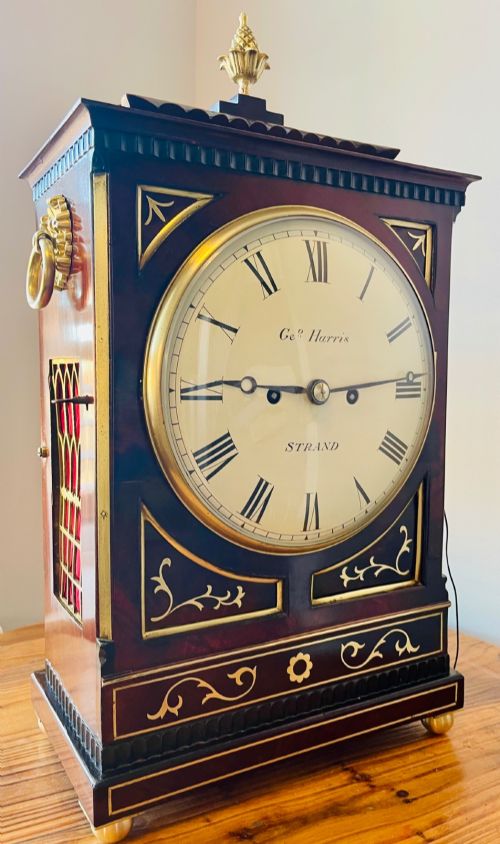
A brass inlay table brings the sharp linear contrast of polished metal against dark timber into a room.
What a brass inlay table is
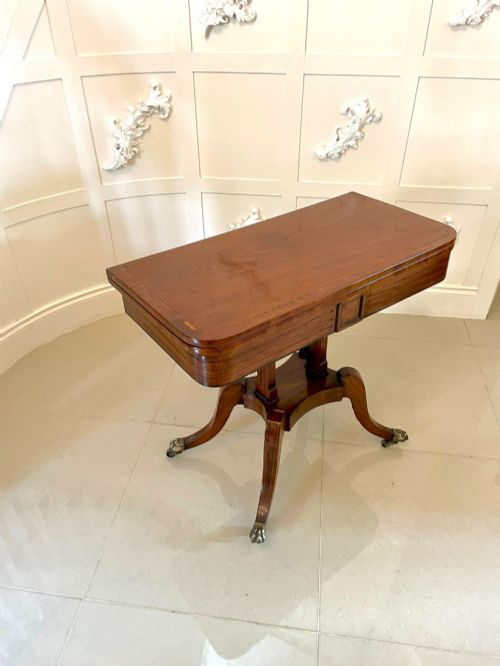
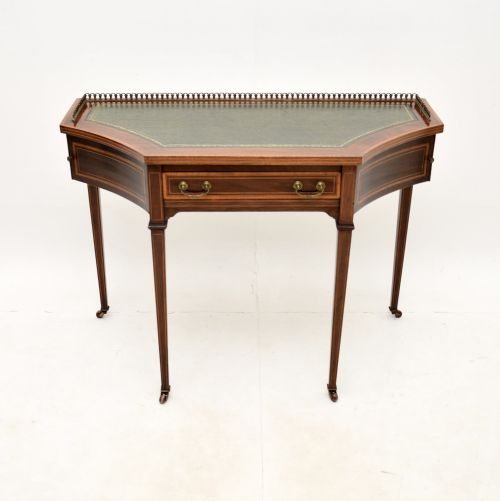
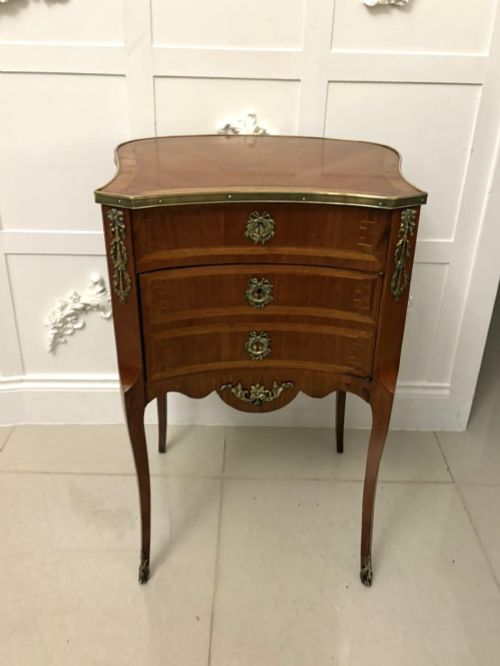
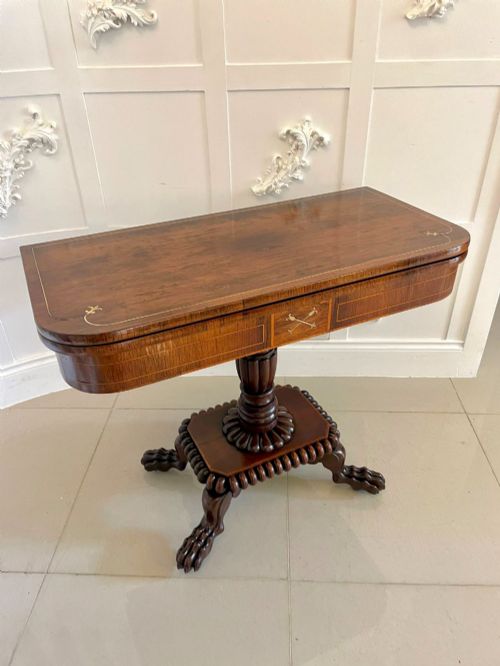
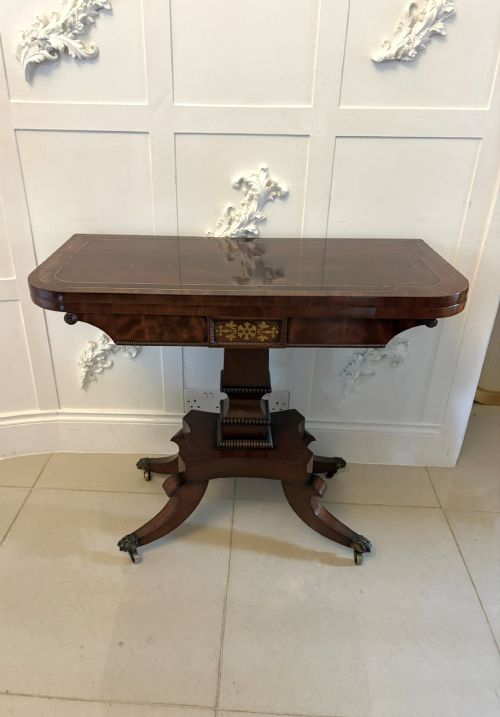
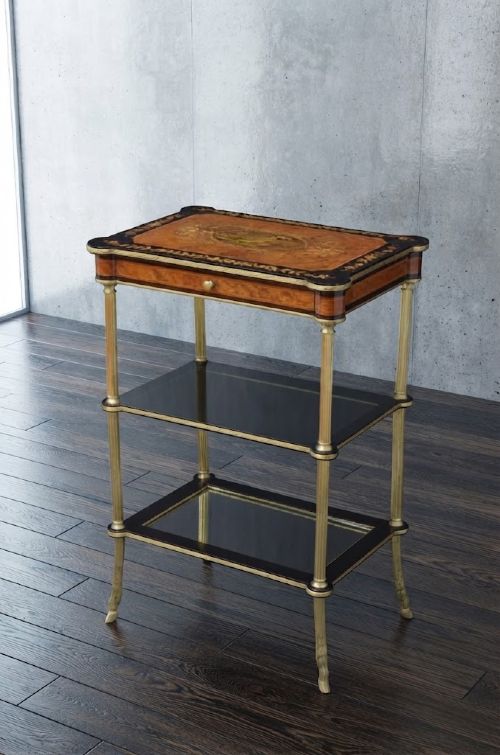
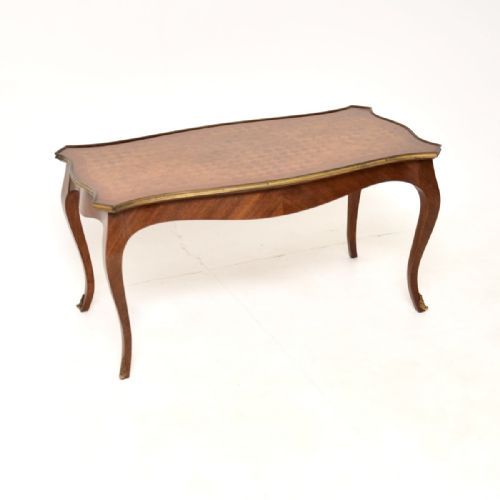
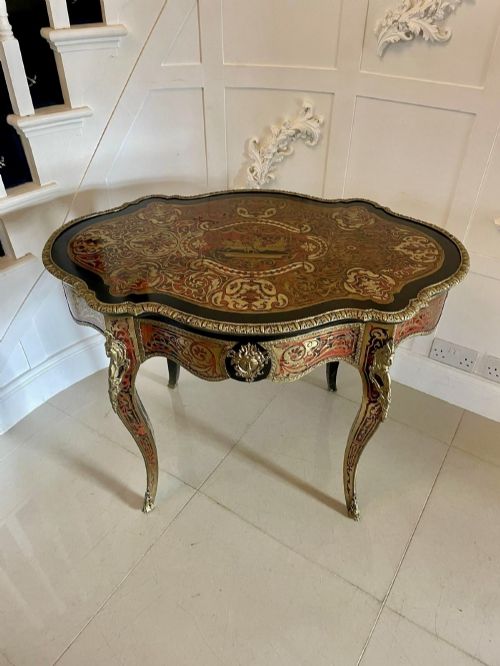
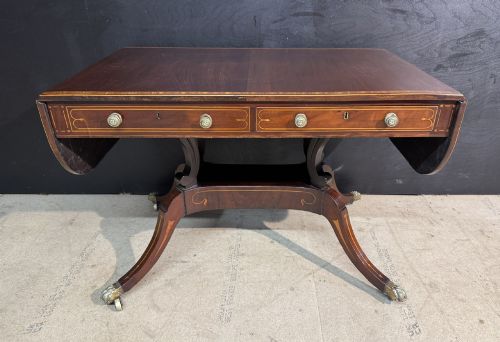
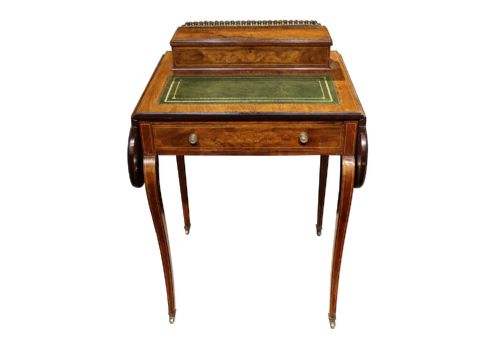
A brass inlay table is a functional surface embellished with metallic line work, scrolls, or Boulle marquetry across the top and borders. When searching this phrase, the forms most frequently met on this page are card tables, games tables, sofa tables, and centre tables.
The aesthetic is dominated by Regency and nineteenth-century examples where dark timbers provide a stark backdrop for yellow metal work. Pieces range from formal English sofa tables and rosewood card tables to continental ebonised occasional pieces and folding Moorish designs.
Makers and workshops across different regions adopted the technique, producing everything from neat geometric lines on library tables to elaborate tortoiseshell and brass compositions. The core function remains domestic display or utility, elevated by the reflective quality of the metal.
Materials and construction
Construction relies on dense cabinet timbers such as rosewood, mahogany, and ebonised wood, which provide a stable ground for precision cutting. Artisans channelled the timber surface to receive thin strips of brass line inlay, or shaped sheets of brass and tortoiseshell together for Boulle work.
Components are assembled using traditional joinery, with secondary woods supporting the primary show timbers on sofa tables and card tables. Brass mounts, casters, and stringing were integrated into the structure during assembly to finish the piece.
Retail Price Guide 2026
Typical UK retail prices for brass inlay table, calculated from the Sellingantiques database of over a million retail prices indexed since 2003. This retail price guide relies exclusively on Sellingantiques data; no external sources or auction records are used, so the figures do not describe the wider market.
Fold-over tables conceal hidden spaces designed for counters and cards, offering a quiet nod to nineteenth-century parlour games.
Variations in quality
Quality rests upon the precision of the metal insertion and the crispness of the surrounding timber grain. Superior examples display tight joints where brass meets wood without excessive filler, alongside well-figured rosewood or mahogany veneers.
Design harmony dictates the upper tier of pieces, where secondary details like satinwood crossbanding, Ormolu mounts, or finely cast brass feet complement the primary inlay. Lesser pieces show uneven metal recession or coarser hand-sawn channels.
The Brass Inlay Table Glossary
- Boulle work
- Marquetry technique utilising cut brass and tortoiseshell fitted together in opposing patterns. This ornamentation is typical of French ebonised centre tables and nineteenth-century revival pieces.
- Crossbanding
- A border band of veneer laid so the grain runs perpendicular to the main surface. It frequently frames the brass inlay on Regency rosewood tables.
- Ormolu
- Gilt bronze mounts applied for decoration. Found alongside brass stringing on finer French and English tables.
- Stringing
- Thin inlaid lines of contrasting material embedded into the wood. Brass stringing defines the geometric borders of many card and sofa tables.
- Sofa table
- An oblong table designed to stand in front of a sofa, typically featuring drop leaves and pedestal supports. Examples often incorporate brass line inlay.
Frequently Asked Questions
What periods do these tables come from?
The pieces span the Regency era, the nineteenth century, and early twentieth-century revivals. Materials and construction methods align with these specific periods of production.
English Regency examples sit alongside French Louis XV style pieces and later Moorish folding tables. Each era brings distinct timber choices and inlay patterns.
How do I care for a brass inlay table?
Keep the timber and metal clean using dry or minimally damp cloths suited for antique wood finishes. Avoid harsh chemical polishes that can discolour the brass or damage the surrounding veneer.
Maintain stable room humidity to prevent the timber from expanding or contracting, which can cause metal inlay strips to lift from their channels.
Were these tables used for games?
Many surviving examples function specifically as card or games tables featuring fold-over tops. The baize-lined interiors provided a stable surface for card playing and social gaming.
Other formats include sewing tables, library tables, and centre tables designed for general domestic utility in reception rooms.
What timbers were used with the brass?
Rosewood and mahogany form the primary foundation for most English Regency tables in this category. Their deep, dark grains contrast effectively with polished brass work.
Ebonised wood appears on French and Syrian pieces, while exotic hardwoods feature on Moorish and Indo-Persian occasional tables.