

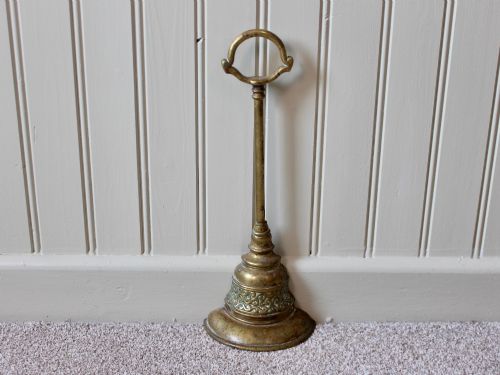
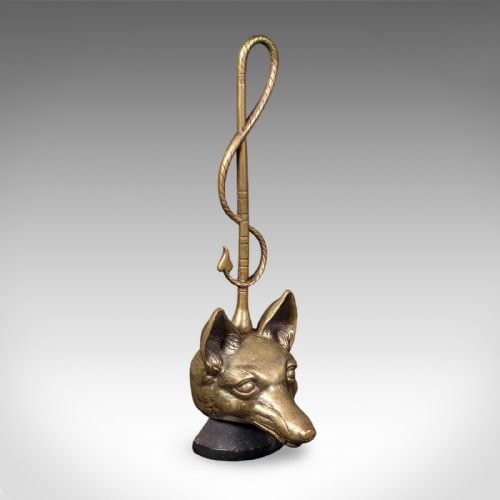


Brass Door Stop
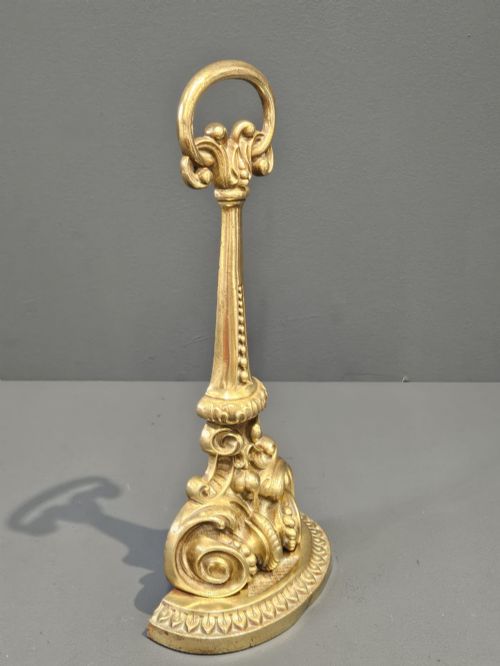
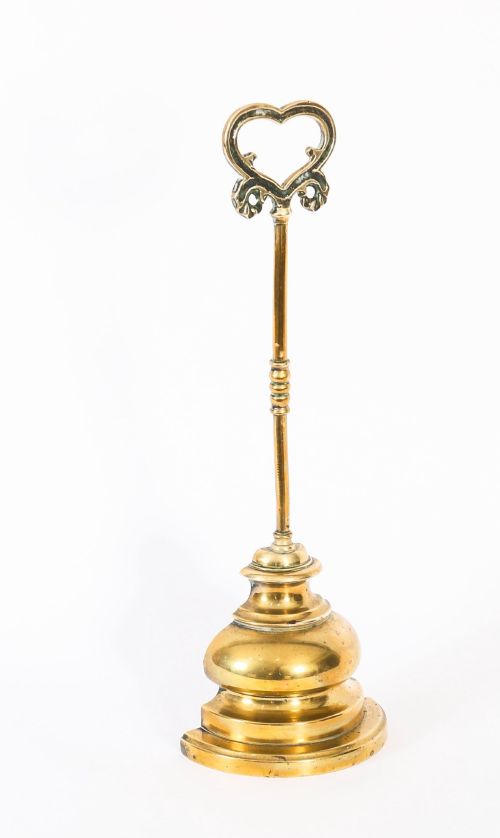
These heavy brass door stops hold open domestic rooms with substantial weight and distinct figural charm.
Brass Door Stop
A brass door stop, also known as a door porter, serves to keep heavy interior doors from swinging shut in draughty hallways and reception rooms. The pieces gathered here span the Georgian, Regency, Victorian, and Edwardian periods, stretching from around eighteen hundred into the early twentieth century.
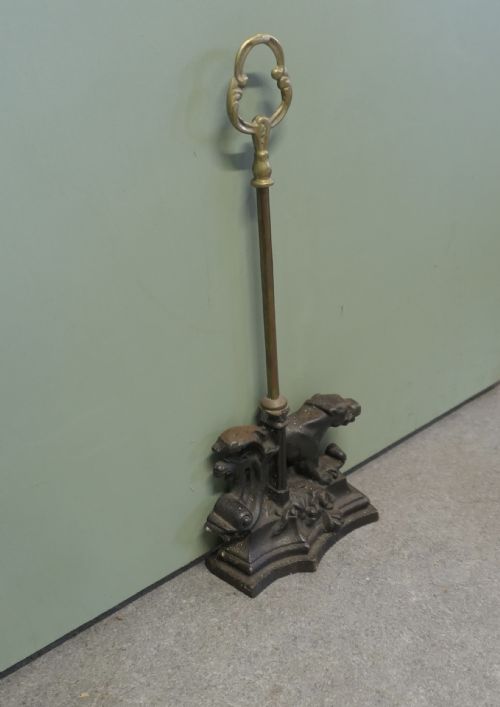
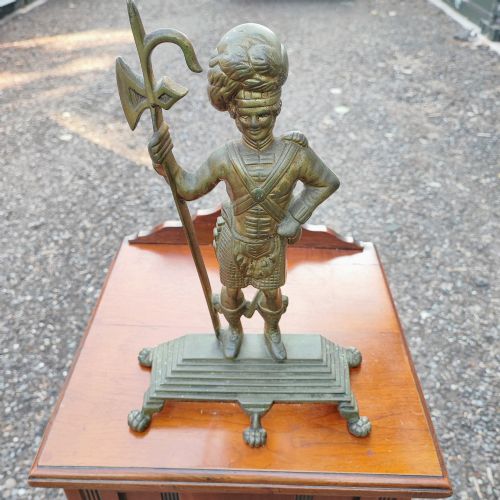
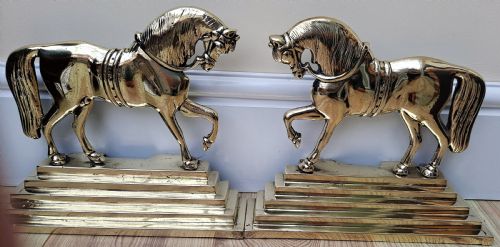
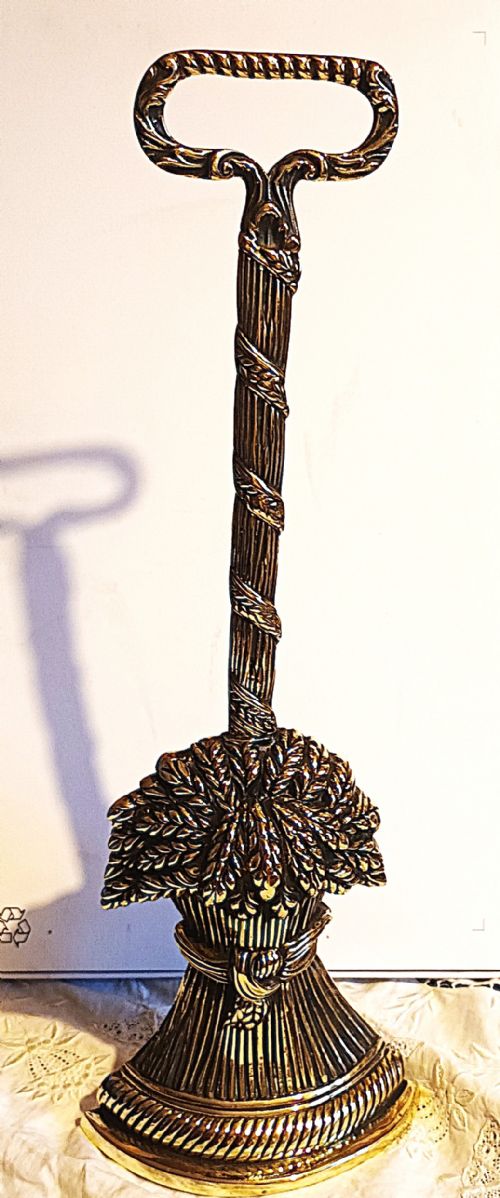
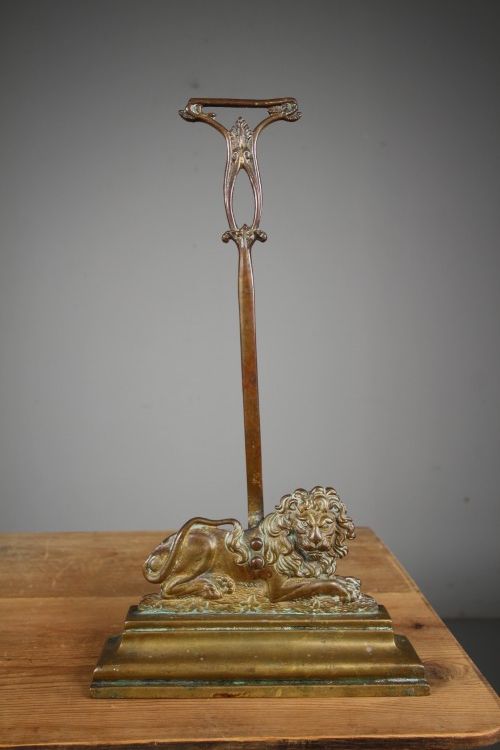
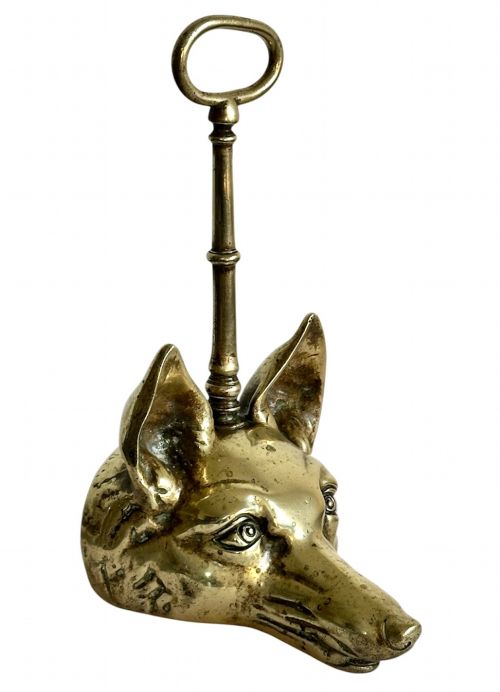
Figural examples dominate the selection, taking the form of animals, soldiers, heraldic motifs, and characters like Mr and Mrs Punch or Dr Jim. Alongside these figural designs, classical basket and wheatsheaf motifs appear frequently, cast with integral handles to aid movement between rooms.
Most items originate from English workshops, though Dutch and Scottish pieces occasionally surface. The prevalent form pairs a cast brass front with a weighted iron base, ensuring the piece remains heavy enough to hold a solid timber door.
What varies in quality
The integrity of the weighted base also dictates the standard of the piece, as original lead or iron weighting ensures proper balance. Furthermore, marked examples bearing maker attributions command greater attention than unsigned utilitarian equivalents.
Brass Door Stop Retail Price Guide 2026
Typical asking prices for brass door stop among the pieces listed under this phrase on Sellingantiques today, from the lower quarter to the upper quarter. They describe what is for sale here now, not the wider market.
Several Victorian door stops immortalise Mr and Mrs Punch, ready to keep doors open with theatrical permanence.
Tonks·William Tonks and Co
The Brass Door Stop Glossary
- Door porter
- An alternative term for a heavy door stop designed to be carried from room to room. These portable items typically feature an upright handle at the top for lifting.
- Sand casting
- A traditional manufacturing process utilising compacted sand moulds to shape molten metal. This technique allowed foundries to produce complex figural designs efficiently.
- Chasing
- The manual tooling of metal surfaces with punches and hammers after casting to refine details. Skilled chasing separates mass-produced items from superior artistic work.
- Weighted base
- The heavy foundation, often iron or lead, concealed beneath the brass shell. This added mass prevents the stop from tipping under pressure from a heavy door.
Brass Door Stop: Frequently Asked Questions
How do I use a brass door stop?
Place the piece directly on the floor against the edge of an interior door to hold it open at the desired angle. The substantial weight prevents the door from moving when draughts circulate through the house.
Because many examples include an integrated handle at the top, you can lift and carry the stop easily between different rooms as needed.
Were these always used as door stops?
These heavy objects were manufactured specifically to keep doors open in large houses with numerous rooms and corridors. Their weight and decorative presence made them suited to this domestic task.
In some instances, smaller versions functioned simply as decorative ornaments on sideboards or hearths when not actively holding back heavy timber doors.
How do I tell Victorian pieces from Georgian ones?
Georgian and Regency examples often display classical motifs like pineapples, urns, or wheatsheaves, alongside more restrained proportions. Victorian pieces frequently embrace elaborate figural subjects, ranging from Punch and Judy characters to lions, soldiers, and ornate floral baskets.
Examining the casting style and overall design vocabulary helps place a piece within its correct historical period, though certain popular shapes persisted across multiple decades.
How do I clean brass door stops safely?
Dust the surface gently with a soft cloth to remove ordinary accumulation without disturbing the aged patina. Avoid harsh abrasive cleaners that can strip away the historical character built up over generations of use.
If polishing is necessary, use a mild, non-abrasive brass cleaner applied sparingly with a cloth, taking care to avoid getting polish trapped in recessed crevices.