
Brass Desk Lamp Base
A brass desk lamp base provides the structural foundation for focused task lighting, blending utilitarian metalwork with period decorative style.
Brass Desk Lamp Base
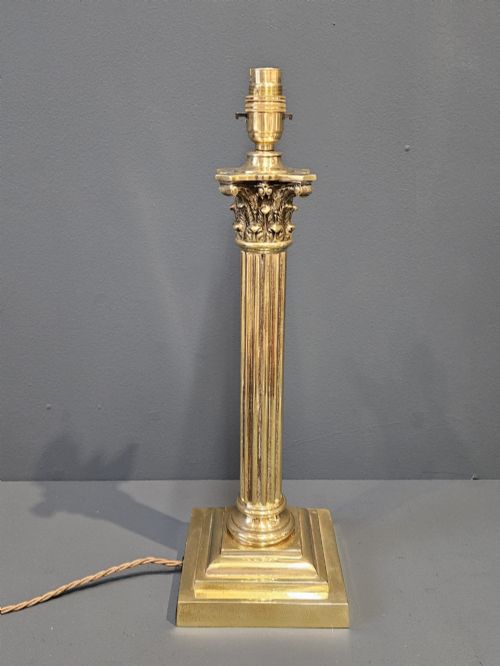
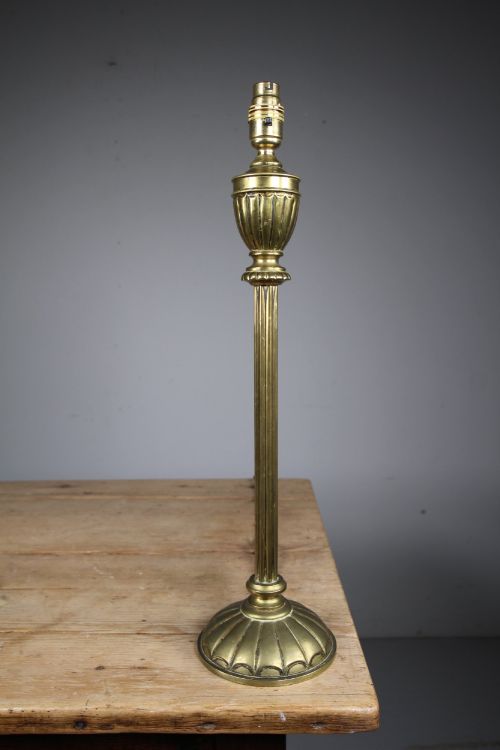
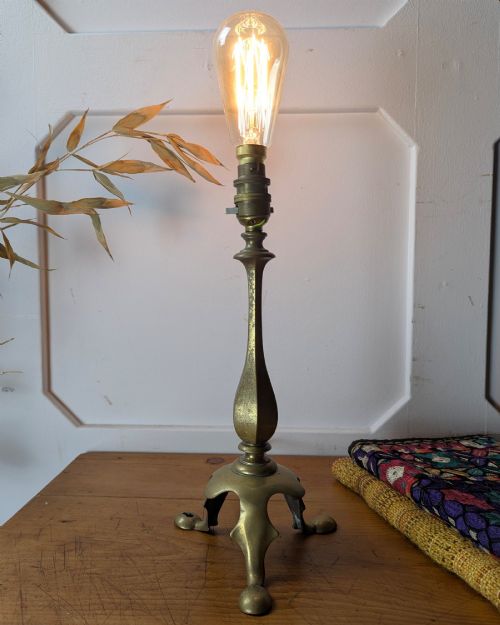
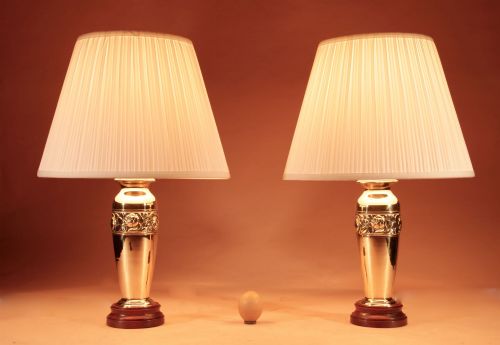
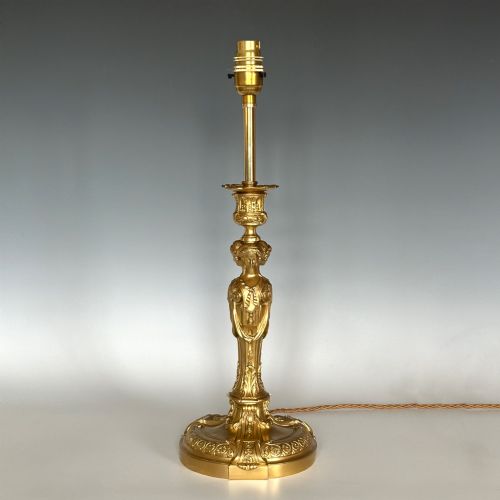
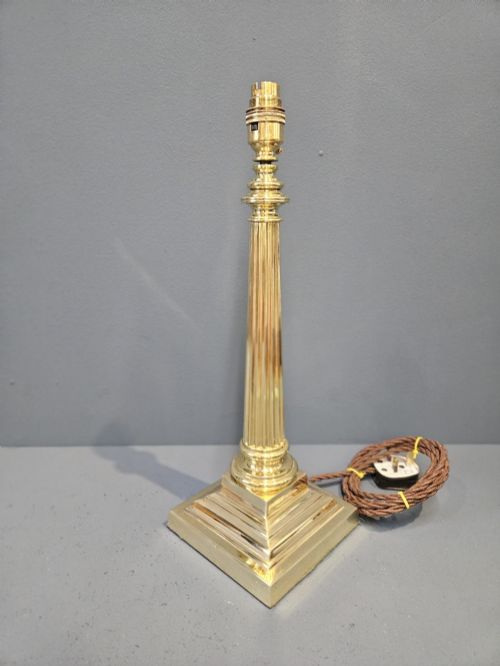
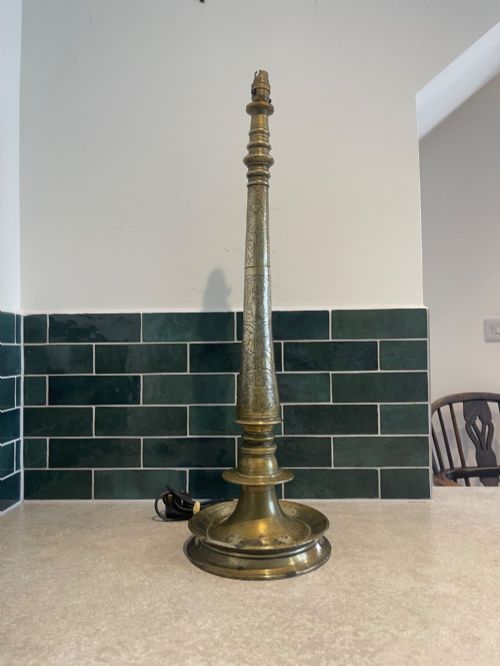
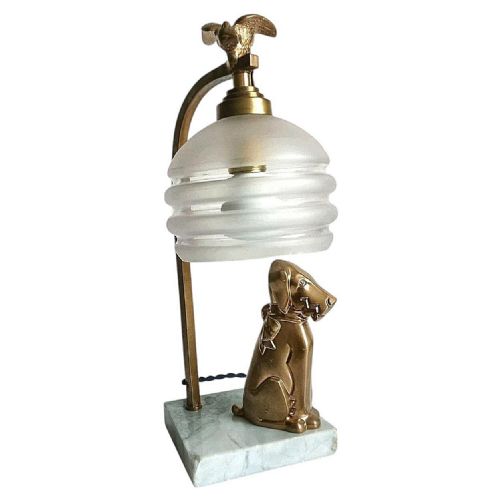
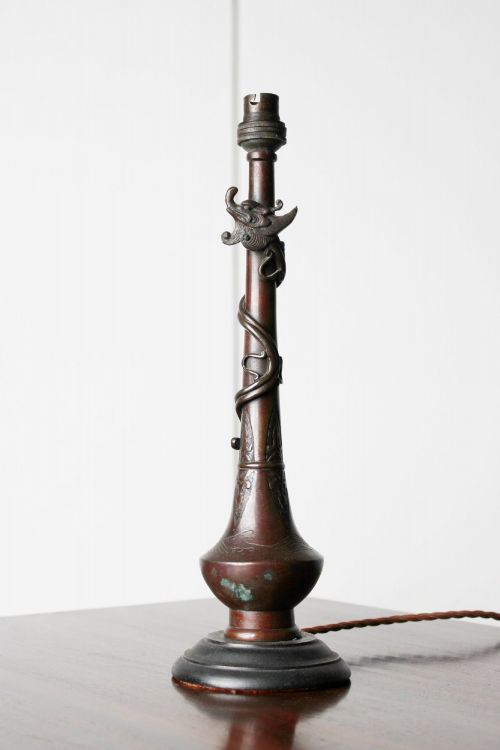
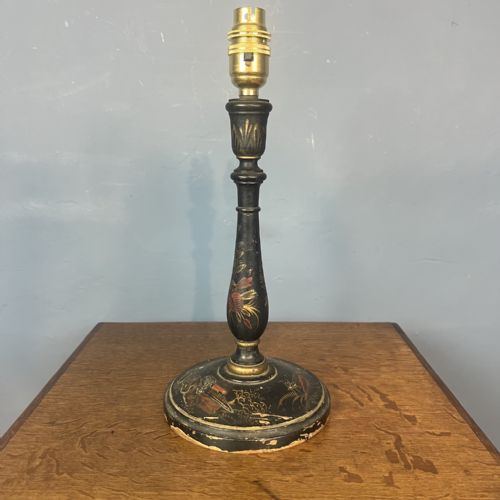
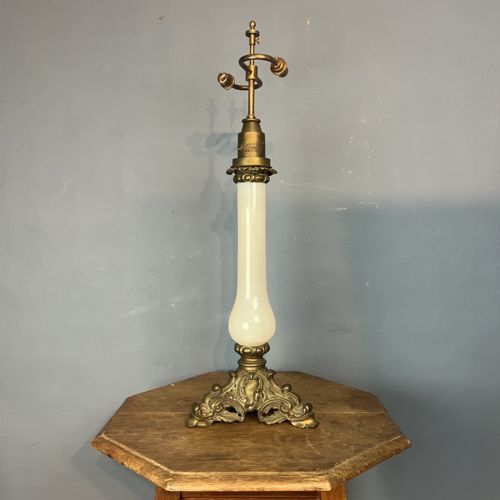
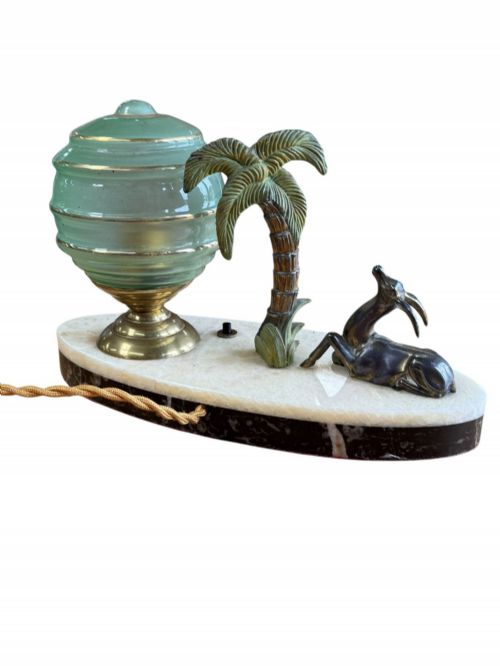
When you search for a brass desk lamp base, you find functional metal foundations and heavy-weighted supports designed to hold task lighting securely on a writing surface. The pieces listed include adjustable models with iron or heart-shaped bases alongside columnar designs originating from the Victorian, Edwardian, and Art Deco periods.
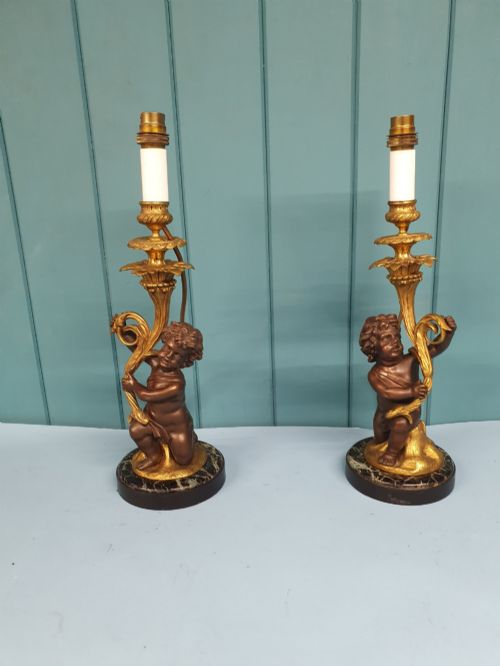
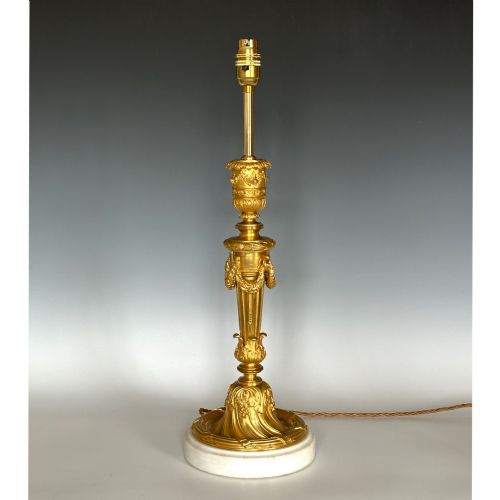
Many examples derive from converted oil lamps or standard table lamps adapted for desk use, utilising heavy brass castings to prevent tipping during adjustment. The selection ranges from plain industrial metals to refined Empire style columns incorporating marble and black toleware.
Materials and construction techniques
Construction relies heavily on cast and spun brass, often combined with secondary materials such as iron, marble, and glass to add necessary weight to the base. Manufacturers utilised turning and casting techniques to produce fluted columns, barley twists, and articulated arms.
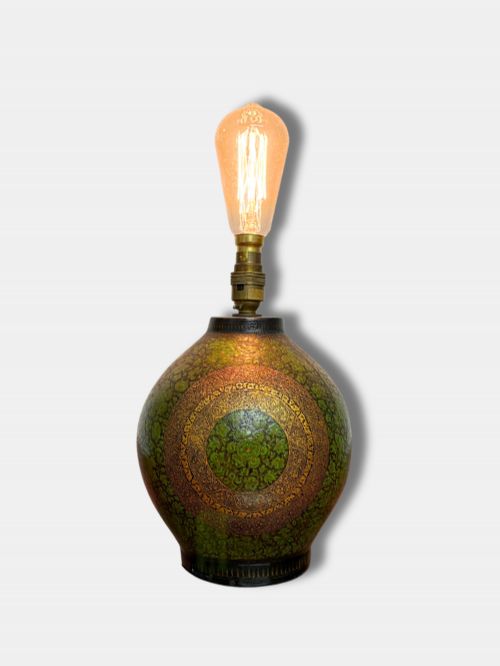
Finishes vary from polished gilt metal to patinated bronze and lacquered brass surfaces. Many vintage examples show evidence of retrofitting, with wiring channels and bulb holders updated to meet modern electrical standards while retaining the original metalwork.
The site listings feature brass desk lamp bases spanning the Victorian, Edwardian, and 1920s periods, incorporating marble, iron, and toleware.
Assessing quality in metal lamp bases
Quality rests in the weight and stability of the casting, the crispness of decorative chasing, and the integrity of any articulating joints. Superior examples feature thick-gauge brass that resists flexing and heavy bases that anchor the arm securely.
Refinement in surface finishing and the retention of original patination separate utilitarian workshop pieces from decorative drawing-room objects. The precision of the engineering in adjustable joints dictates whether an articulating arm holds its position firmly over decades of use.
WAS Benson·Faraday and Sons·Mel-Elek London
The Brass Desk Lamp Base Glossary
- Patina
- The surface sheen and oxidation developed on brass and bronze over decades of handling and exposure to air. It serves as an indicator of age and genuine wear.
- Toleware
- Lacquered or painted sheet metal, frequently black, utilised in classical desk lamp bases to provide contrast against polished brass fittings.
- Column
- A vertical structural support member for a lamp, frequently cast in the classical Corinthian, Ionic, or Doric orders with detailed capitals.
- Articulated
- Having joints or hinges that allow the arm or shade of a desk lamp to pivot and direct light precisely where required.
- Spun brass
- Sheet brass shaped on a lathe while rotating at high speed, commonly used to form lightweight circular bases and shades.
Brass Desk Lamp Base: Frequently Asked Questions
How do I choose a stable desk lamp base?
Look for a heavy metal foundation, often weighted with iron or marble, that prevents tipping when the lamp arm is extended.
Heavier brass and cast metal bases ensure the fixture remains firmly anchored on a writing desk during daily adjustment.
Are these lamp bases safe to use today?
Many vintage and antique metal lamps require professional rewiring and safety testing to meet current electrical regulations.
Qualified electricians can easily update internal wiring within historical brass columns while preserving the external period metalwork.
How do I identify the period of a brass lamp?
Dating relies on stylistic clues such as neoclassical column details, Art Deco geometric lines, or Victorian decorative casting motifs.
Examining the construction methods, screw types, and base materials helps narrow down the decade of manufacture.
Can I adjust the angle of an antique desk lamp?
Certain specialised desk models feature articulated arms, swivel joints, or flexible metal tubing designed for direct task lighting.
Fixed columnar table lamps do not move, so select an articulated or bendy design if directional adjustment is required.