
Brass Column Light
A brass column light stands as a sturdy architectural focal point, bringing warm illumination and classical proportion to a room.
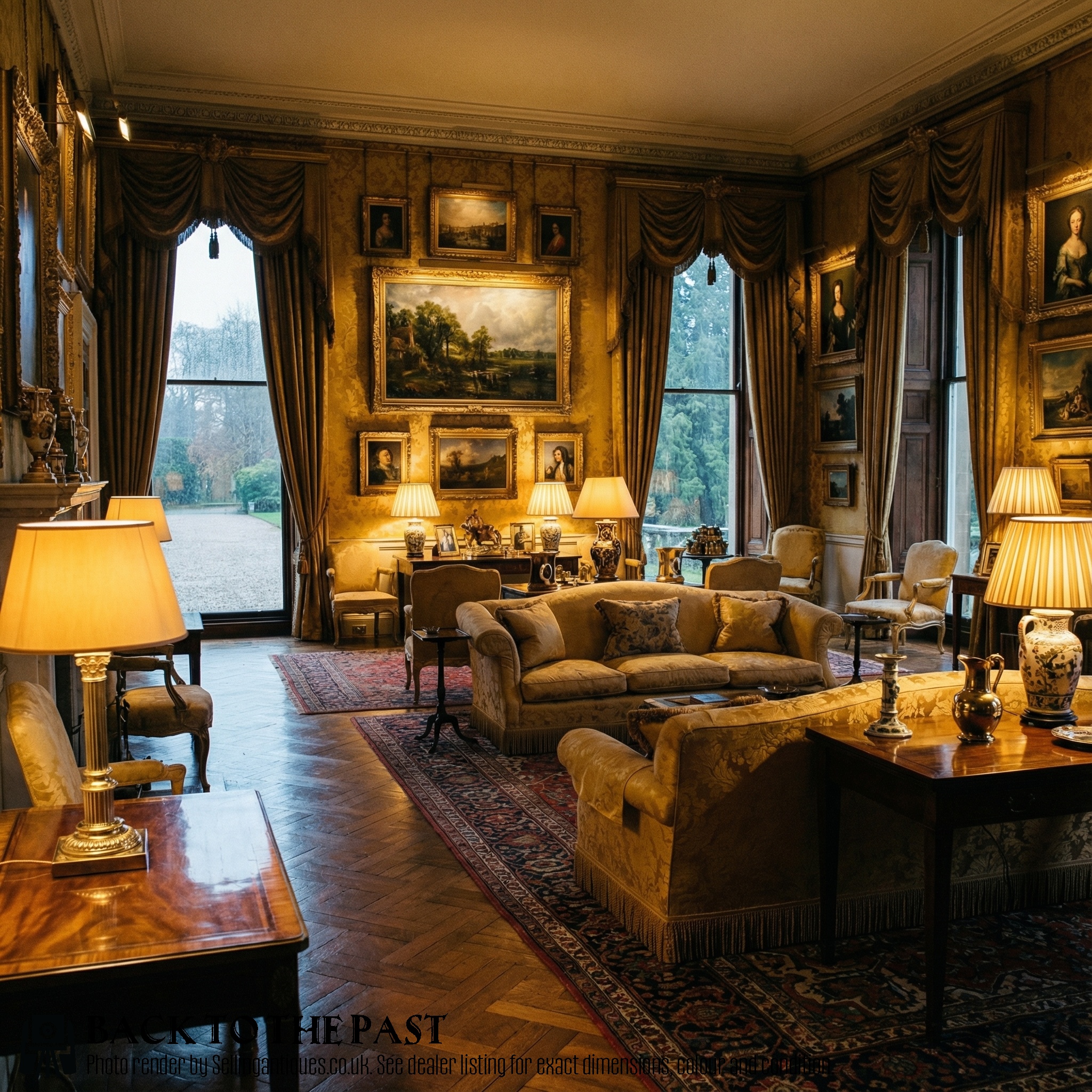
Brass Column Light
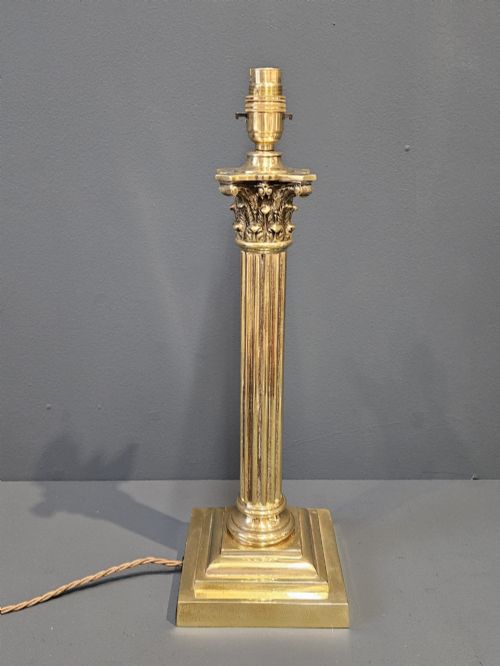
A brass column light takes the form of a classical column adapted for illumination, drawing upon architectural orders such as Corinthian, Ionic, and Empire styles. These pieces function primarily as table lamps, standard lamps, and converted oil lamps originating across the Victorian, Edwardian, and Georgian periods.
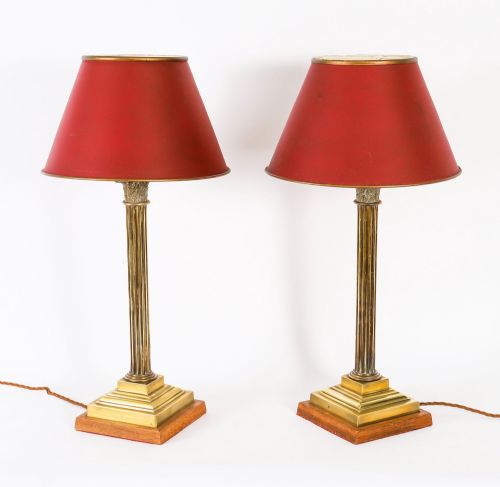
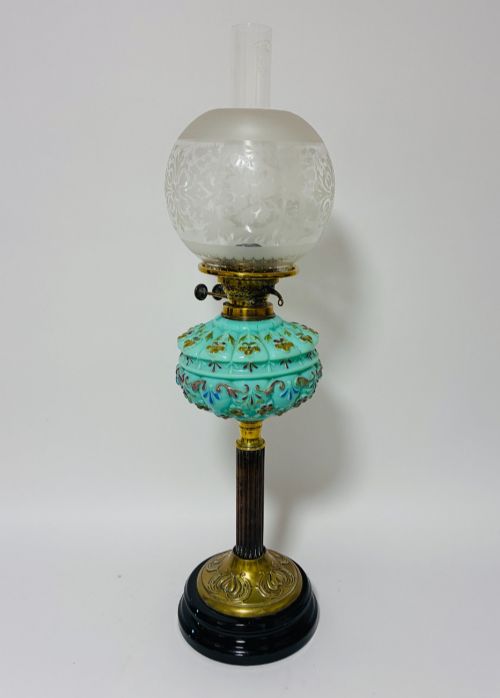
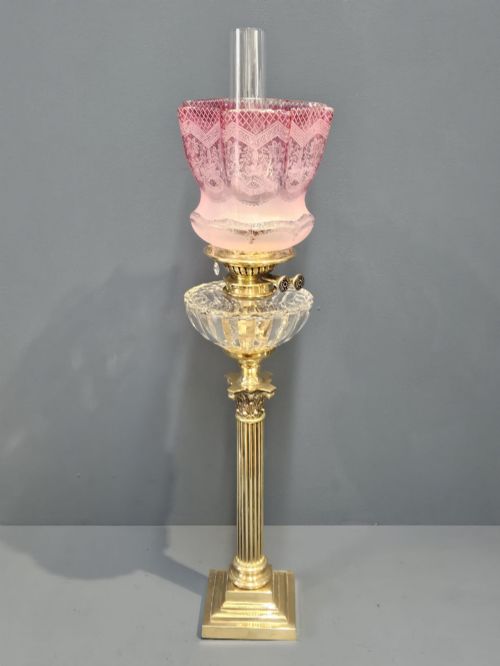
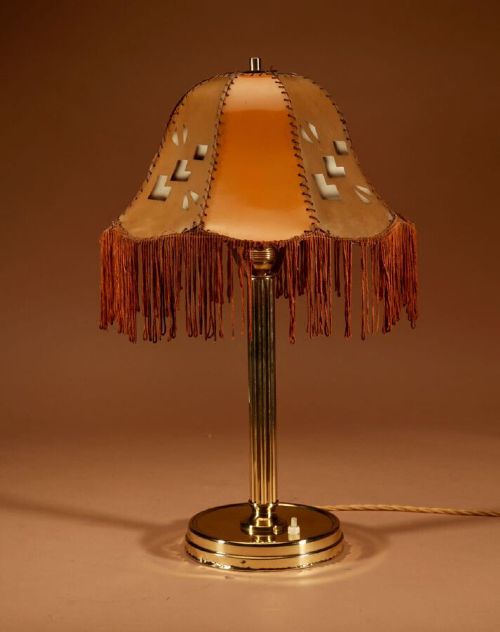
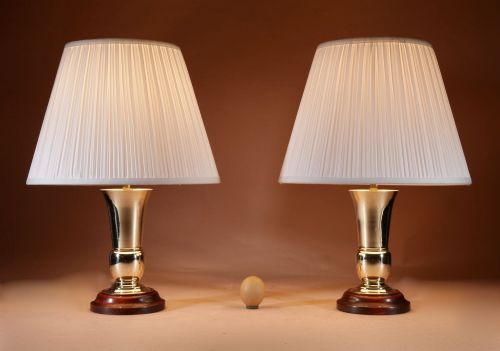
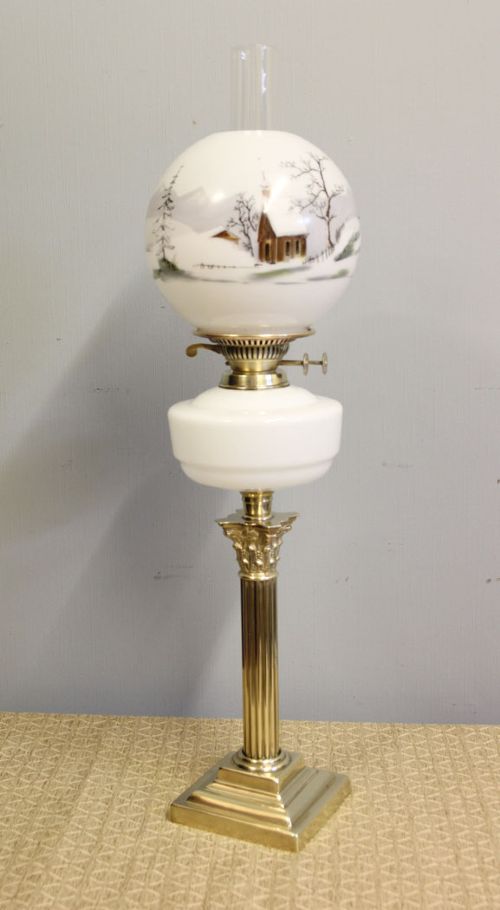
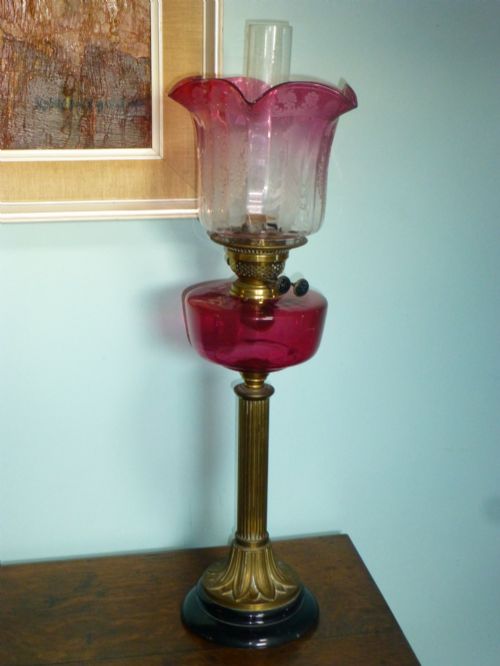
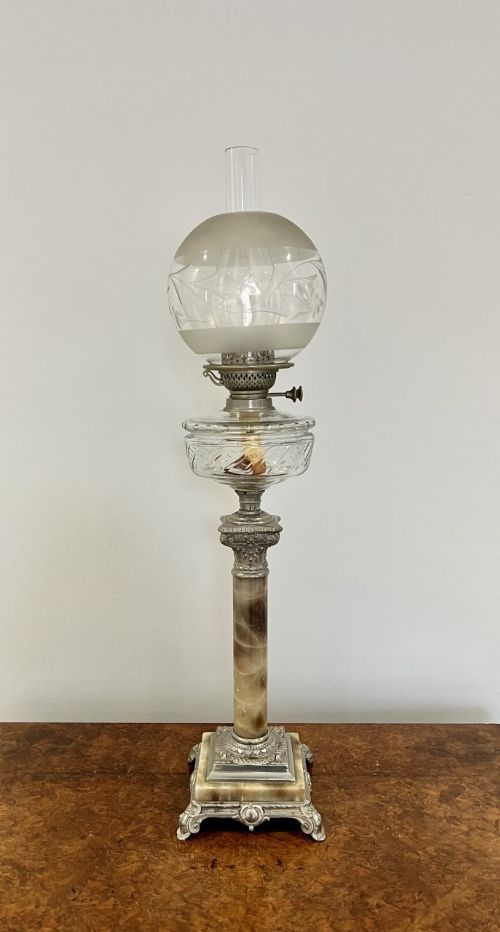
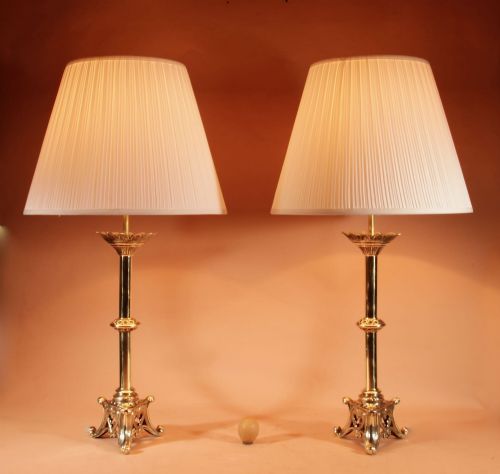
The version most commonly met on this page is the Corinthian column table lamp in brass, frequently paired with opaline glass, cranberry shades, or fabric elements. Makers also utilised marble, gilt bronze, and cast brass to elevate the standard lighting form into an ornamental centrepiece.
How they were made
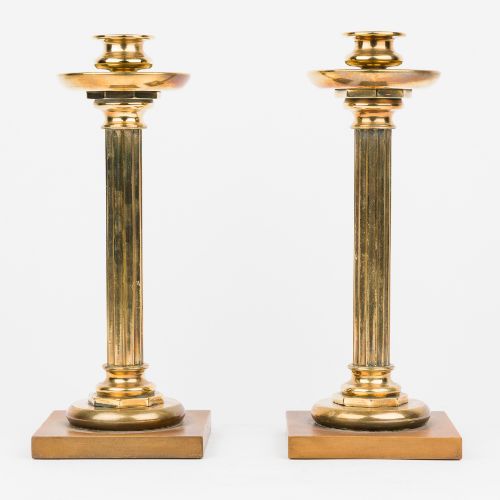
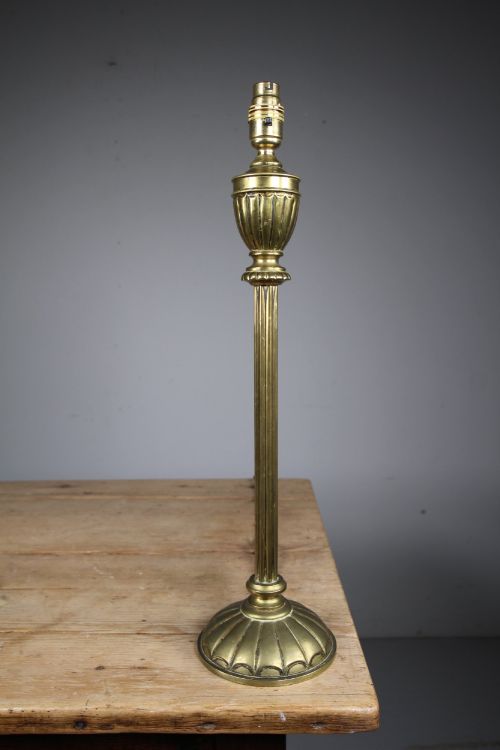
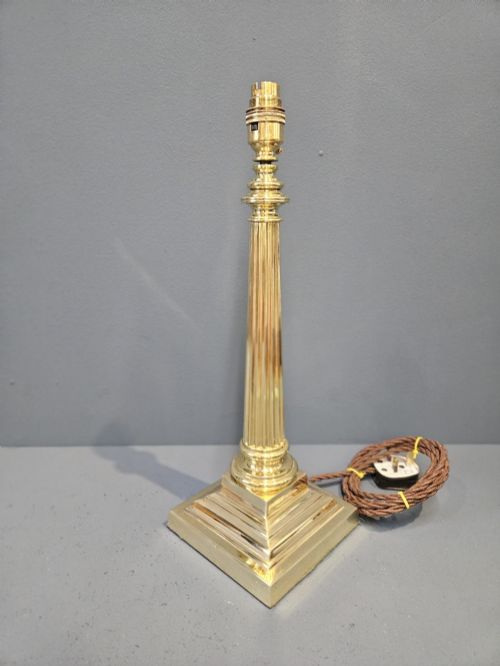
Craftsmen built these lamps using heavy cast brass and gilt bronze, often incorporating reeded columns, stepped square bases, and detailed acanthus capitals. Metalwork was frequently combined with polished marble plinths and hand-blown opaline or cranberry glass shades.
Oil lamps utilised specialised mechanical brass burners, such as duplex systems, alongside adjustable standards and weighted bases for stability. Later conversions adapted these heavy metal reservoirs and pillars to accept electrical wiring.
Materials span cast brass, gilt bronze, marble, and opaline glass across table and standard lamp forms.
What varies in quality
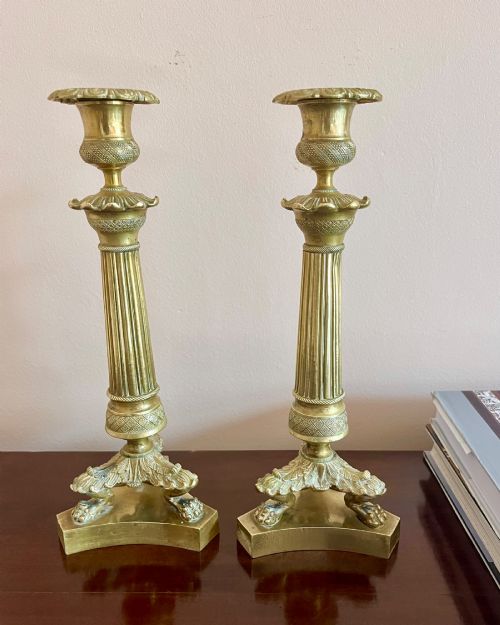
Quality rests in the crispness of the cast brass detailing, particularly in the acanthus leaves of the column capitals and the weight of the stepped bases. Finer examples display precise proportional harmony and substantial metal gauge rather than hollow, thin construction.
The integration of materials determines the upper tier of the range, seen where polished marble, gilt bronze, and original cranberry or opaline glass shades remain intact and undamaged. Maker stamps and patented burner mechanisms also elevate the standing of an individual piece.
Hinks Ionic Column·Mc Garys Patent
The Brass Column Light Glossary
- Corinthian
- An architectural column order characterised by ornate capitals decorated with acanthus leaves. This style appears frequently on nineteenth-century table lamps.
- Duplex burner
- A double-wick mechanism used on nineteenth-century oil lamps to produce a brighter flame. These brass fittings are often stamped with maker names.
- Opaline glass
- A pale, translucent white glass used extensively for Victorian lamp shades. It diffuses light evenly across the room.
- Ormolu
- Finely chased gilt bronze applied to decorative objects and lamp mounts. The technique creates a rich golden finish on French and English pieces.
Brass Column Light: Frequently Asked Questions
Are these lamps converted from old oil lamps?
Many examples began life as oil lamps before being wired for electricity during later decades. These conversions retain their original heavy brass fonts and burners.
Collectors appreciate the substantial weight and proportions that result from this heritage of domestic lighting.
How do I date a brass column lamp?
Dating relies on observing the column style, base construction, and burner mechanism stamps. Victorian and Edwardian pieces often show distinct cast brass detailing and specific thread types.
Comparing the proportion of the capital to the shaft also helps place the piece within the nineteenth or early twentieth century.
What shade types belong on these lamps?
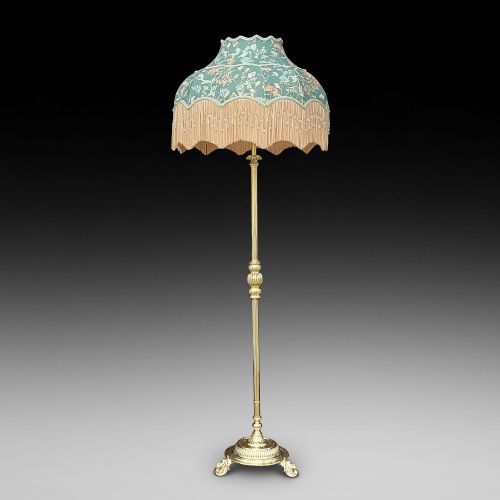
Original configurations frequently feature opaline glass, etched glass, or botanical cranberry shades designed for oil lamps. Fabric shades are also common on later Edwardian standard and table lamps.
The choice of shade alters the height and balance of the entire column structure.
Where should I place a standard lamp?
Floor-standing column lights suit corners of reception rooms or beside reading chairs where height provides an effective pools of light. Their architectural presence anchors traditional and neoclassical interiors.
Ensuring a stable floor surface supports the heavy brass and marble bases safely.