
Neoclassical Lamp Base
These neoclassical lamp base items bring classical orders and architectural dignity to interior lighting through historic metalwork and stone.
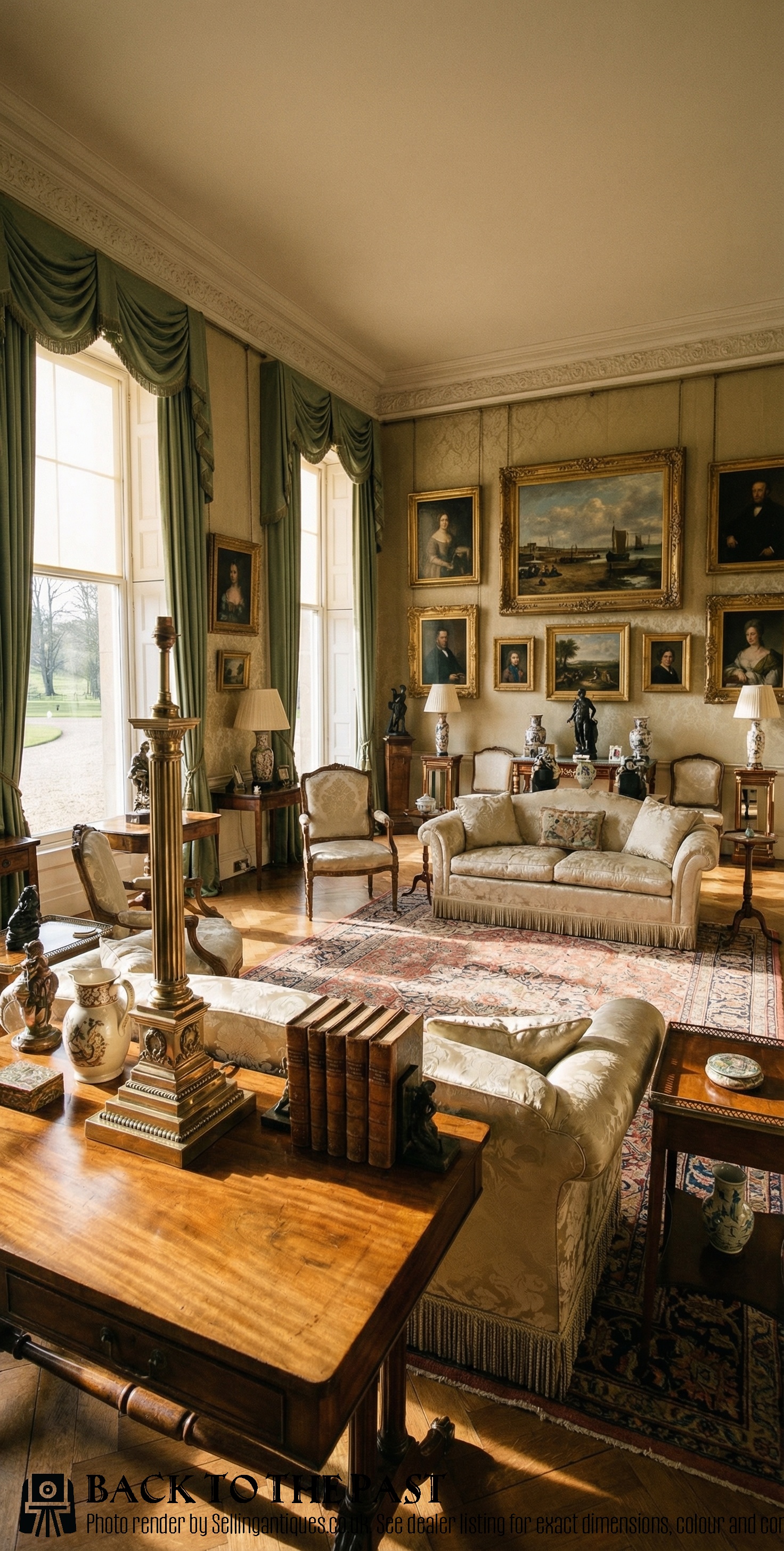
Neoclassical Lamp Base
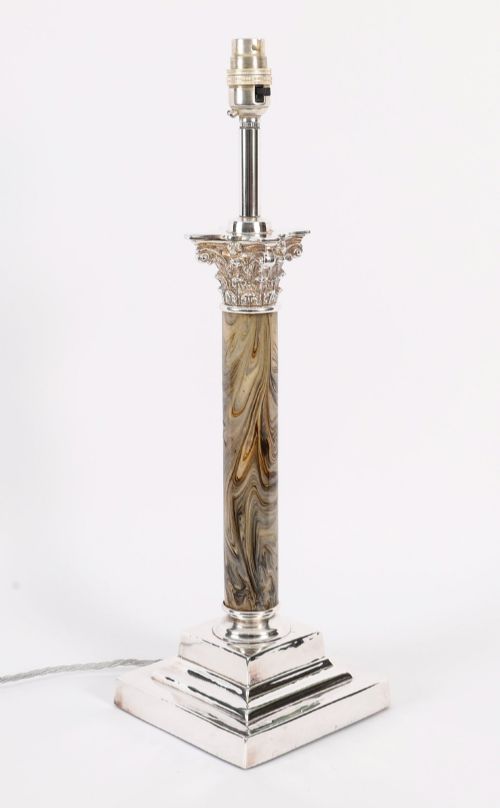
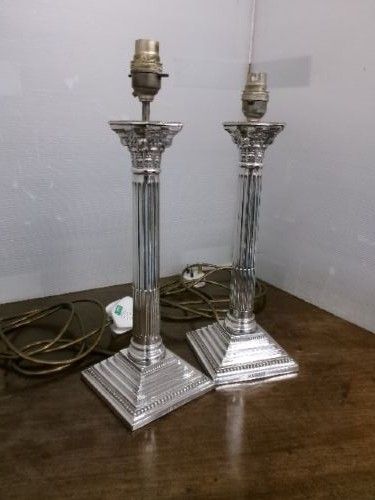
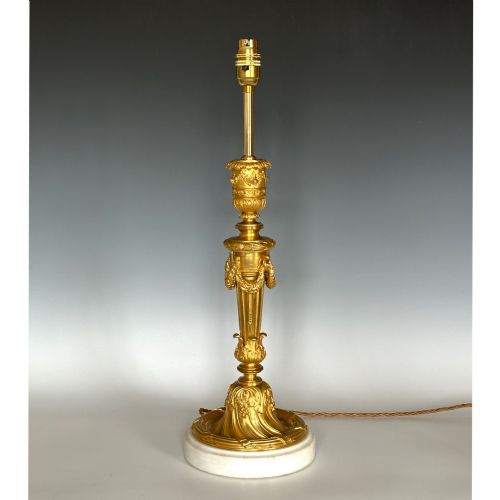
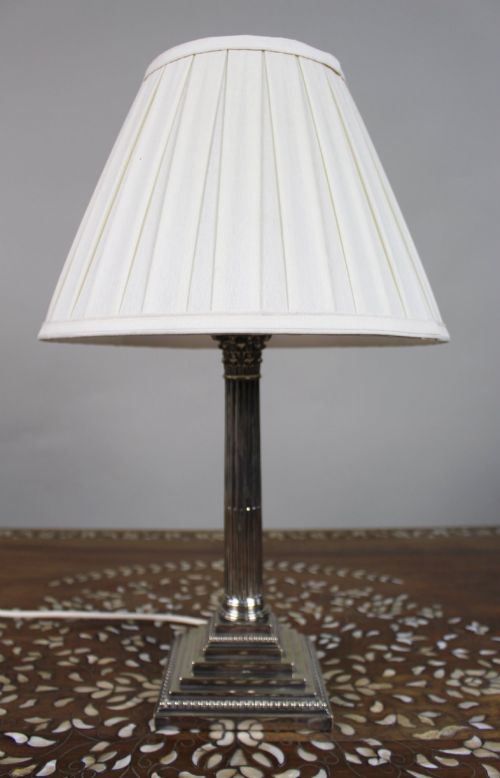
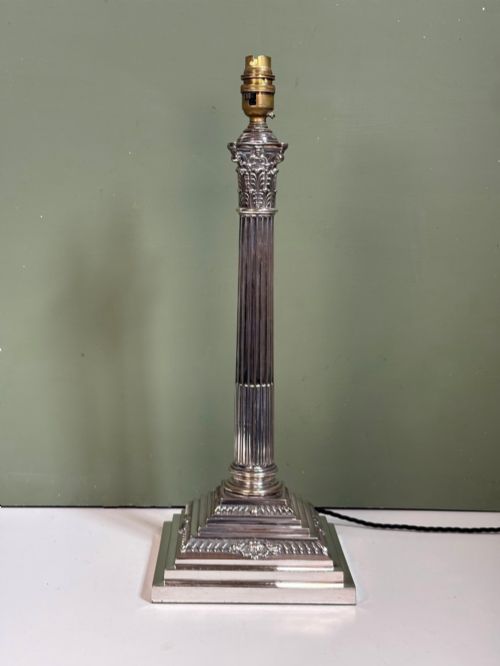
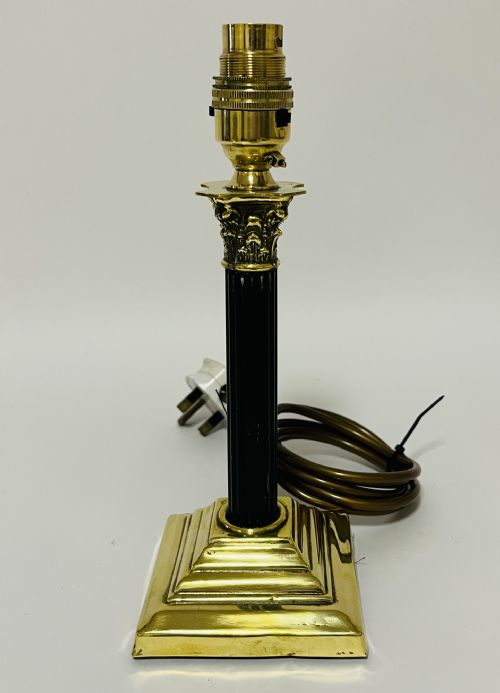
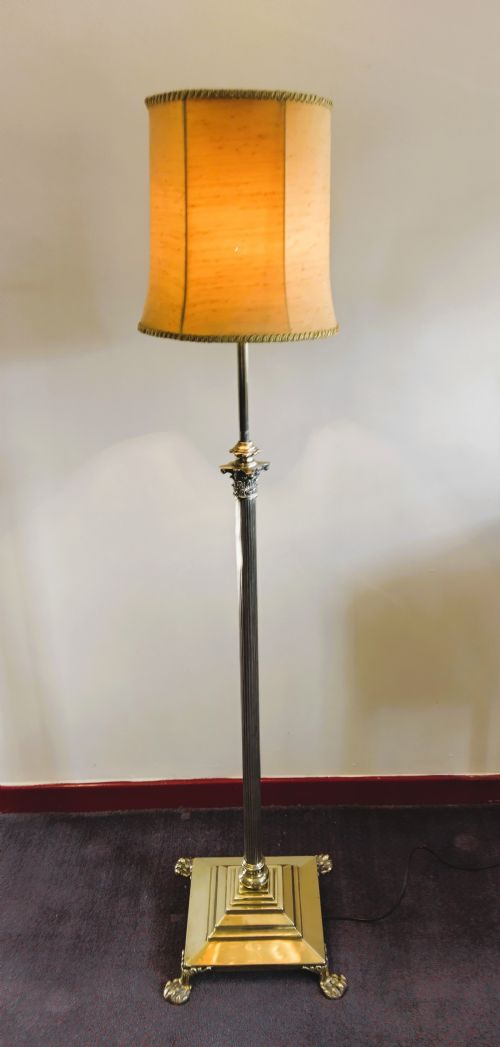
A neoclassical lamp base draws directly on ancient Greek and Roman architecture, translating architectural motifs into domestic lighting. When handling these items, the most frequent encounters are with column forms, particularly Corinthian and ionic orders executed in silver plate or polished brass.
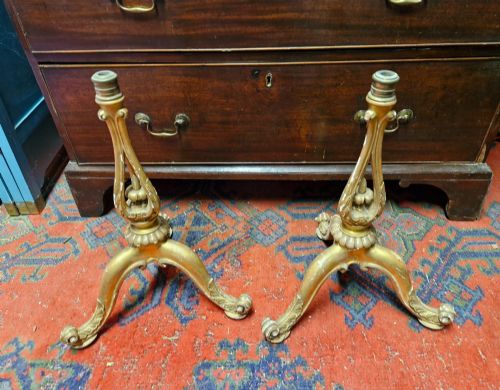
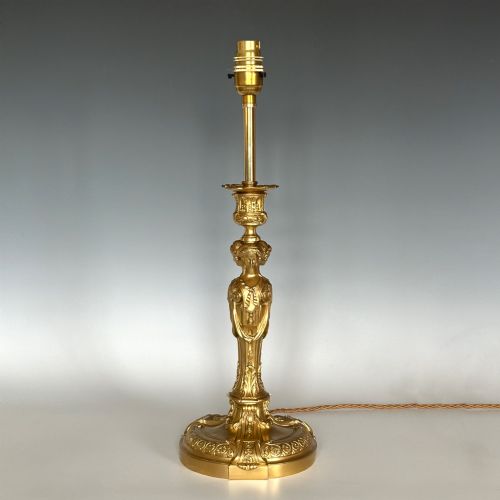
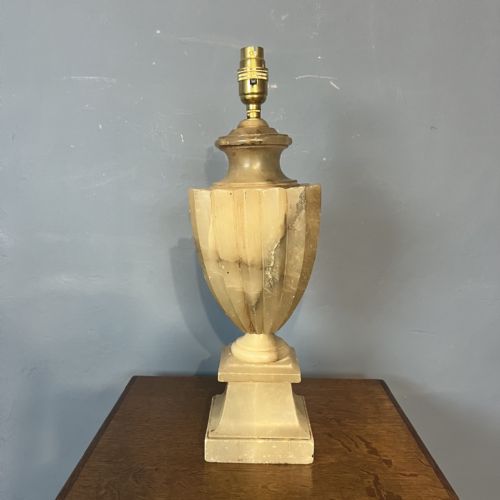
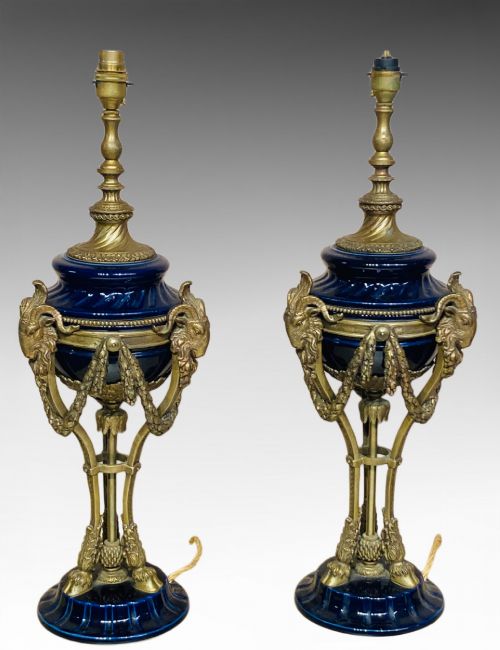
Makers also adopted French Empire and Louis XVI styles, incorporating tripod supports, urn bodies, and stepped plinths. The selection ranges from modest table lamps to heavier standard lamps and floor lamps designed to stand beside seating.
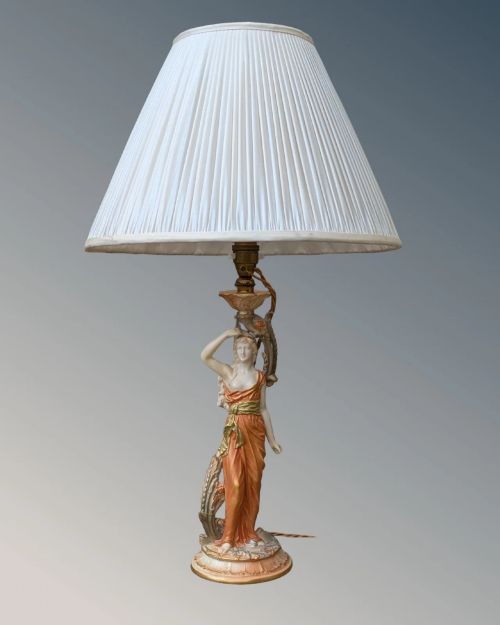
Dates span from the nineteenth century through the 1940s, capturing Victorian revivals and Edwardian interpretations alongside French pieces. Materials shift between cast metals, carved stone, and porcelain, often paired with fabric shades.
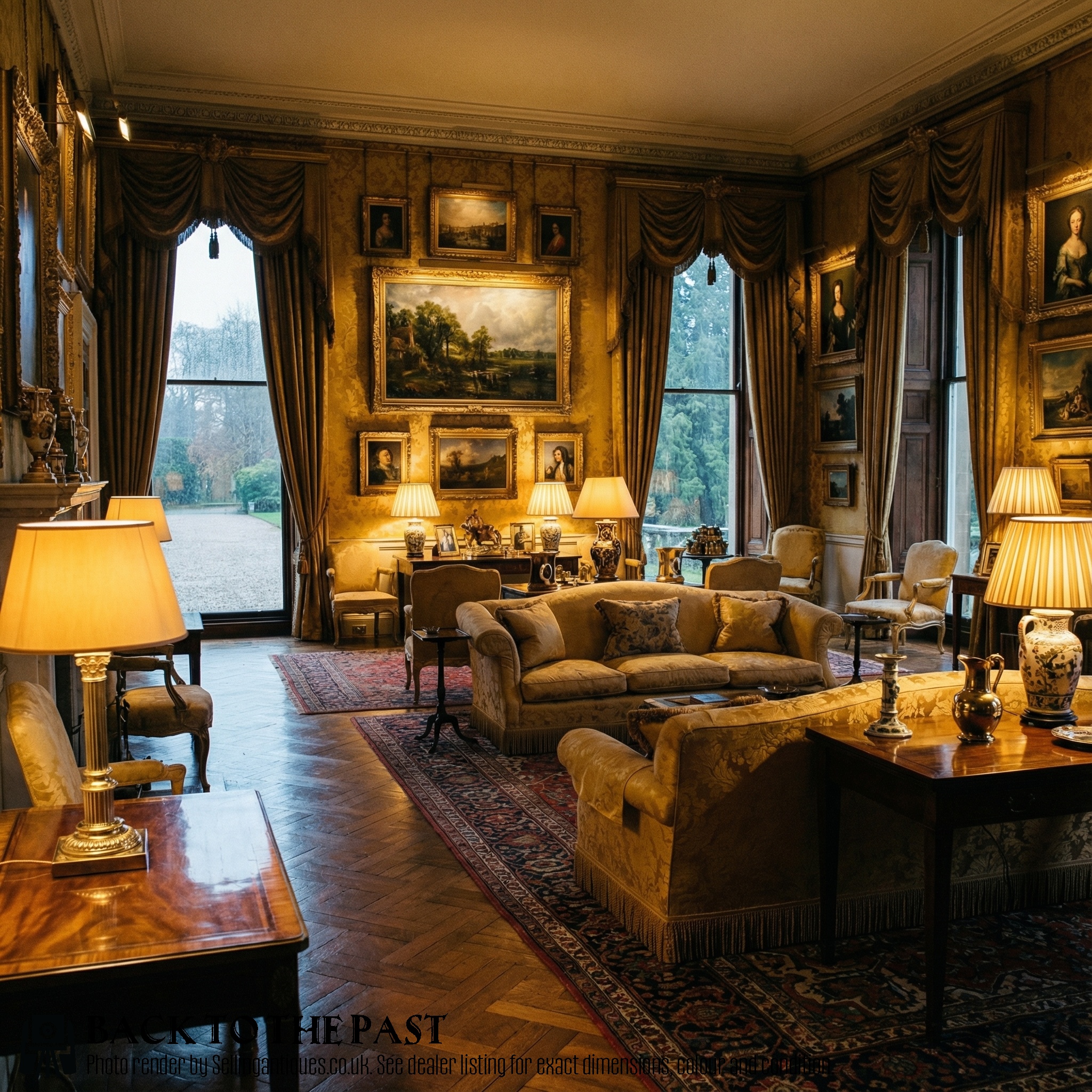
Materials and Construction
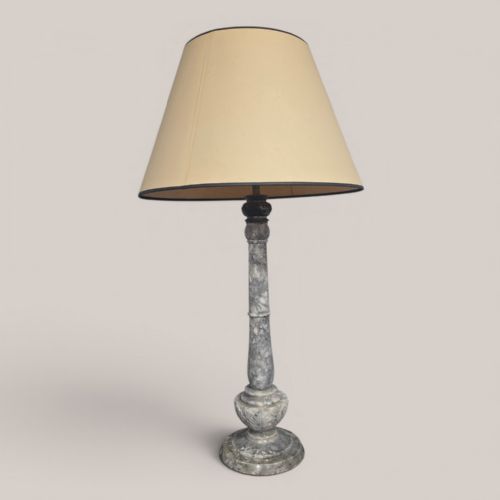
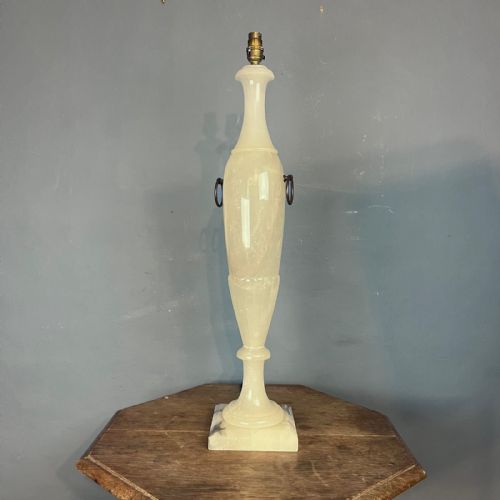
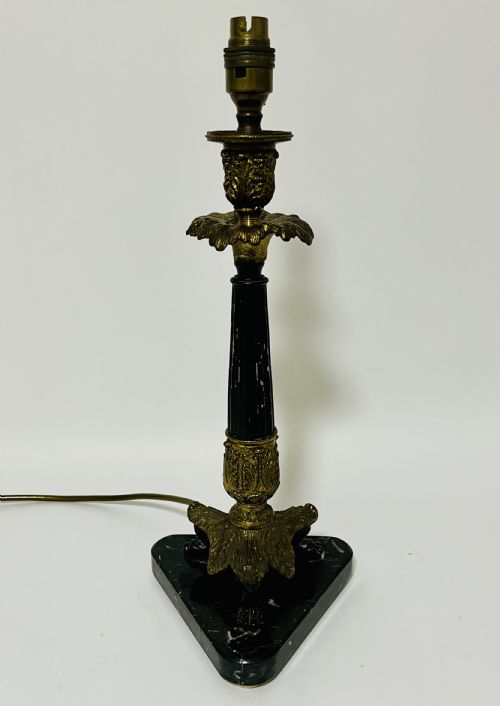
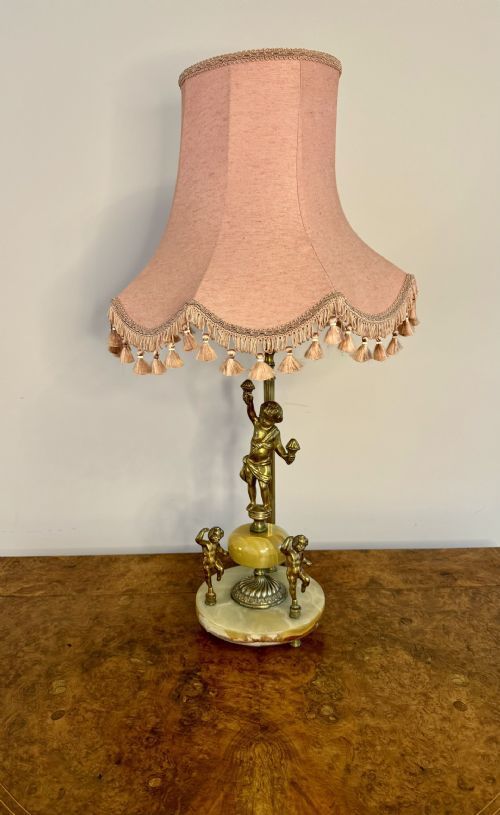
Foundry casting formed the metallic elements of these pieces, utilising brass, bronze, or ormolu, with many items receiving a layer of silver plate. Turn-of-the-century workshops combined these metals with carved marble, alabaster, onyx, and Baccarat frosted glass.
Stonework was shaped on lathes or carved by hand, then mounted with cast metal capitals, bases, and mounts. Joinery relied on threaded rods and bolts passing through the central axis to secure heavy stone and metal sections together.
Some Corinthian column lamps incorporate hidden weighted iron inserts inside their brass bases to keep a tall stance steady.
Evaluating Execution and Scale
Quality rests in the crispness of the cast ornamentation and the weight of the materials used. Superior examples display deeply chiselled acanthus leaves on column capitals and precise fluting along the shaft, whereas lesser items show softened details from worn production moulds.
Proportion and scale dictate the visual success of the piece. Well-balanced items maintain correct architectural ratios between the column height, capital width, and stepped base, supported by substantial gauge metal or dense, unblemished marble.
Harrison Brothers & Howson·Walter Latham & Son
The Neoclassical Lamp Base Glossary
- Corinthian column
- An architectural column order featuring an ornate capital decorated with carved acanthus leaves. This motif appears frequently on nineteenth-century metal lamp bases.
- Ormolu
- Gilded bronze produced through a mercury amalgamation process that leaves a rich golden surface finish. It is characteristic of French Empire and Louis XVI style pieces.
- Alabaster
- A fine-grained, translucent stone used for turned lamp bodies. It allows light to diffuse softly when placed near a bulb.
- Standard lamp
- A tall floor lamp designed to illuminate a room from a standing position. These often share the architectural column or tripod forms of smaller table versions.
Neoclassical Lamp Base: Frequently Asked Questions
How do I date a brass column lamp?
Dating relies on manufacturing marks, assembly methods, and the style of the base mountings. Victorian and Edwardian examples often feature heavy brass castings with threaded internal rods and distinct patination.
Later twentieth-century versions tend to show simpler press-formed components and different wiring configurations. Examining the base weight and metal composition helps confirm the period of production.
Are these lamp bases heavy?
Many examples possess substantial weight due to solid brass construction or dense stone bodies like marble and alabaster. This heavy mass provides stability, especially for taller standard lamps.
When lifting a piece, the weight distribution reveals whether the core uses solid metal rods or cast hollow sections.
Where should I place a standard lamp?
A standard lamp suits placement beside armchairs, in room corners, or near reading desks where it can provide ambient or task lighting. Their architectural silhouettes function as sculptural elements in a room even when unlit.
Ensuring adequate floor space for the heavy base guarantees stability in high-traffic areas.