
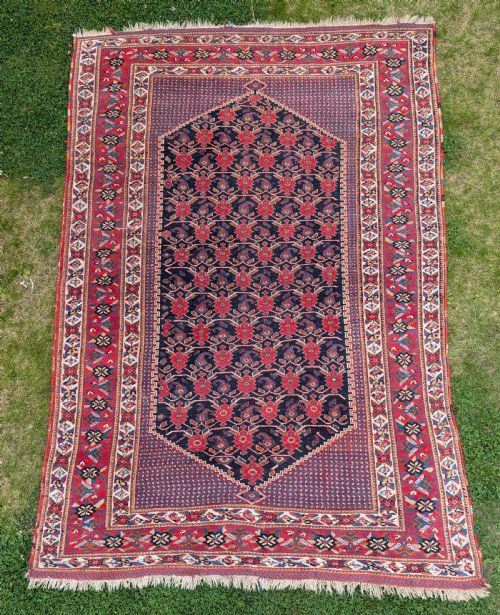
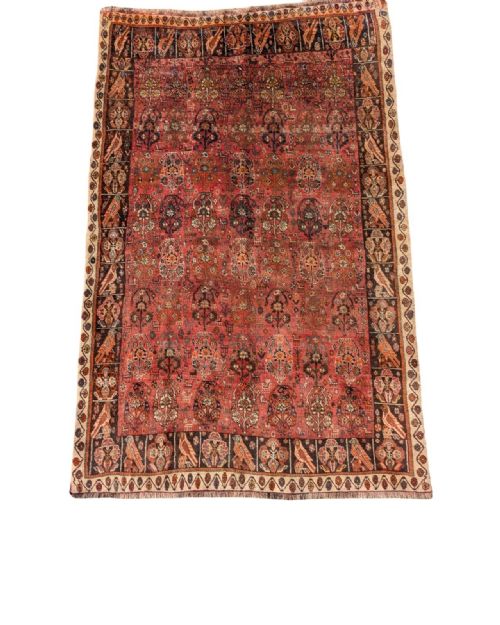
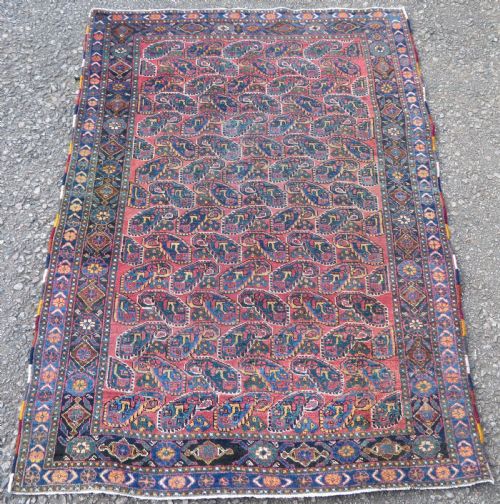
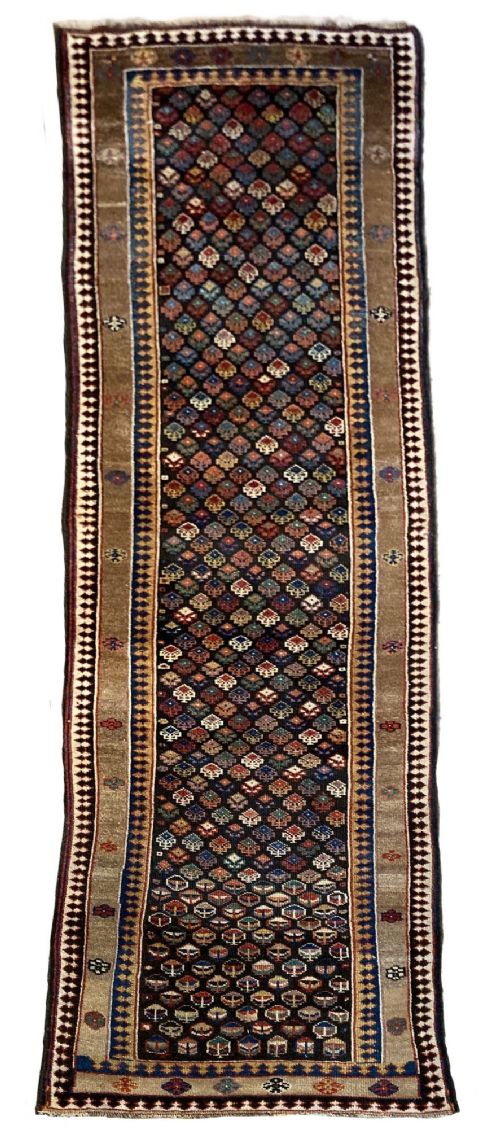
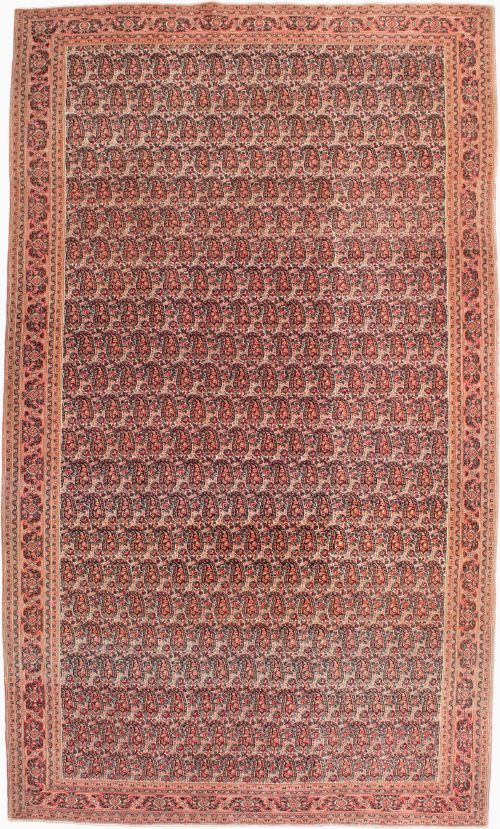
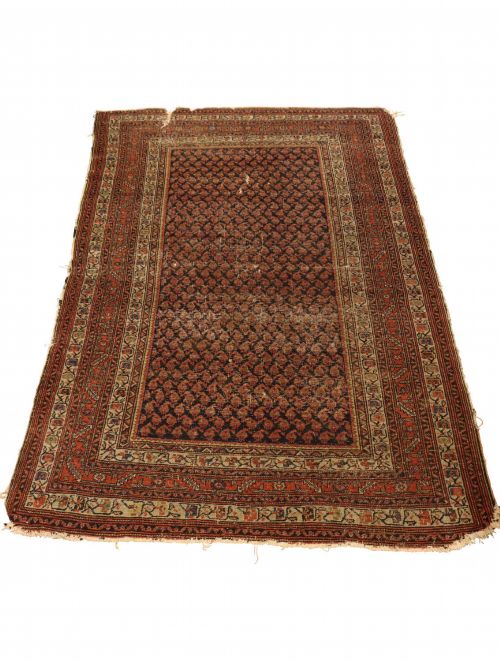


Boteh Pattern Carpet
A boteh pattern carpet brings centuries of textile tradition into a room through repeated seed or almond motifs.
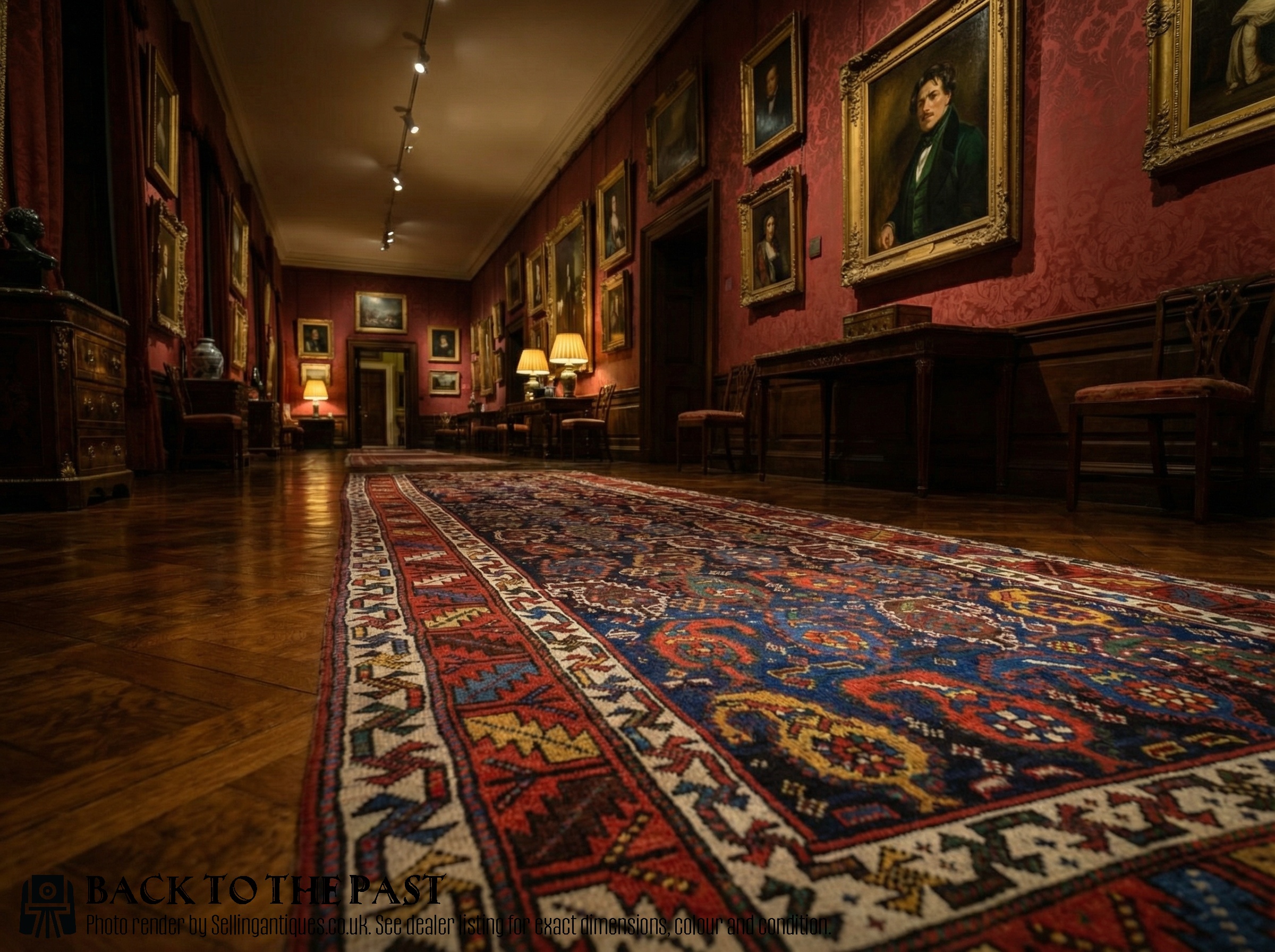
Boteh Pattern Carpet
A boteh pattern carpet displays the iconic floral motif across fields of wool and cotton from nineteenth and early twentieth century workshops. Buyers searching this phrase encounter regional tribal and village pieces spanning Persian and Caucasian traditions.
The layout typically ranges from all-over repeating sprays to structured medallion formats. These floor coverings bridge nomadic weaving practices and formal urban workshop designs.
Most examples originate from Persian and Caucasian weaving centres dating between eighteen fifty and nineteen thirty. The selection balances room-sized formats with narrower runner configurations.
Factors of distinction
Knot density and precision of line execution dictate the finesse of the design work. Crisp delineation of the boteh motif indicates careful planning by the weaver.
The depth and saturation of natural dye colours contribute significantly to the visual weight of the piece. Retention of original wool pile and edge finishes preserves historical integrity.
Boteh Pattern Carpet Retail Price Guide 2026
Typical asking prices for boteh pattern carpet among the pieces listed under this phrase on Sellingantiques today, from the lower quarter to the upper quarter. They describe what is for sale here now, not the wider market.
Listings span periods from eighteen fifty through nineteen thirty, incorporating wool, cotton, silk and natural dyes.
The Boteh Pattern Carpet Glossary
- Boteh
- A stylised floral motif resembling a pear, almond or bent pine cone. This ancient symbol forms the primary decorative element across these textiles.
- Warp
- The stationary vertical threads stretched upon the loom before weaving commences. These foundational strands carry the structural tension of the piece.
- Weft
- The horizontal threads passed alternately over and under the warp threads. They lock the knotted rows firmly into place.
- Natural Dyes
- Colourants derived from organic sources such as plants, insects and minerals. These materials yield rich, complex tones that age gracefully.
- Pile
- The upright cut ends of yarn that form the usable surface of the textile. Density here determines durability and tactile softness.
Boteh Pattern Carpet: Frequently Asked Questions
Where were these carpets made?
The pieces originate primarily from Persia and the Caucasus, spanning various tribal and village regions.
Specific towns and nomadic groups each imparted distinct regional characteristics to their weaving.
How do I care for an antique rug?
Protect the wool fibres by vacuuming gently without a rotating brush bar.
Keep the textile out of direct sunlight to prevent natural dye fading over time.
What does the boteh symbolise?
The motif represents a seed, flame or floral spray depending on regional interpretation.
Weavers utilised this ancient Persian symbol to signify life and eternity.
How do I identify a runner format?
Runners feature an elongated narrow proportion designed specifically for hallways and corridors.
These pieces often display repeating diagonal arrangements of the boteh pattern.