


Blue Boteh Rug
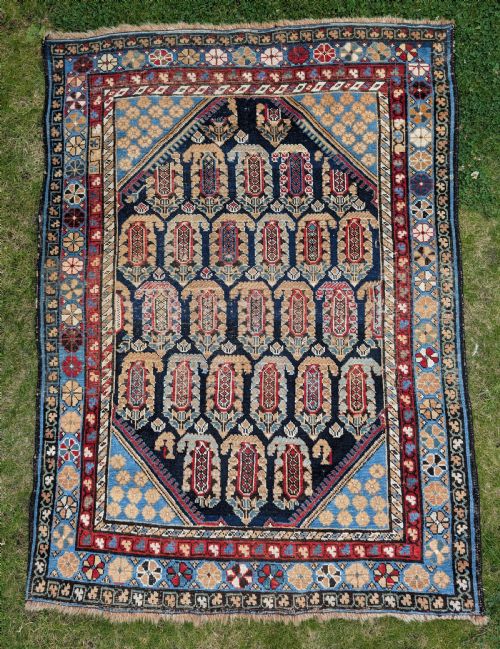
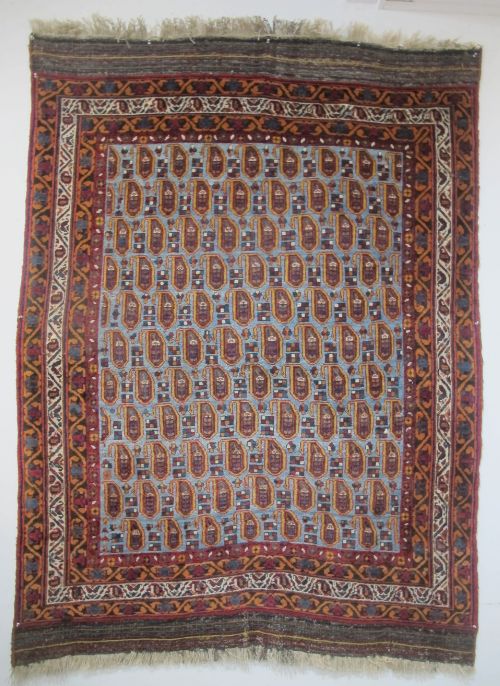
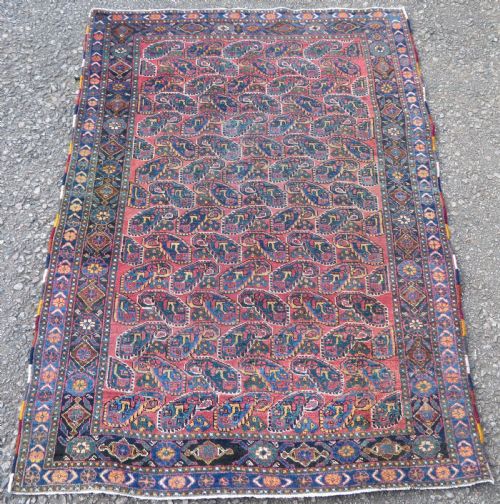
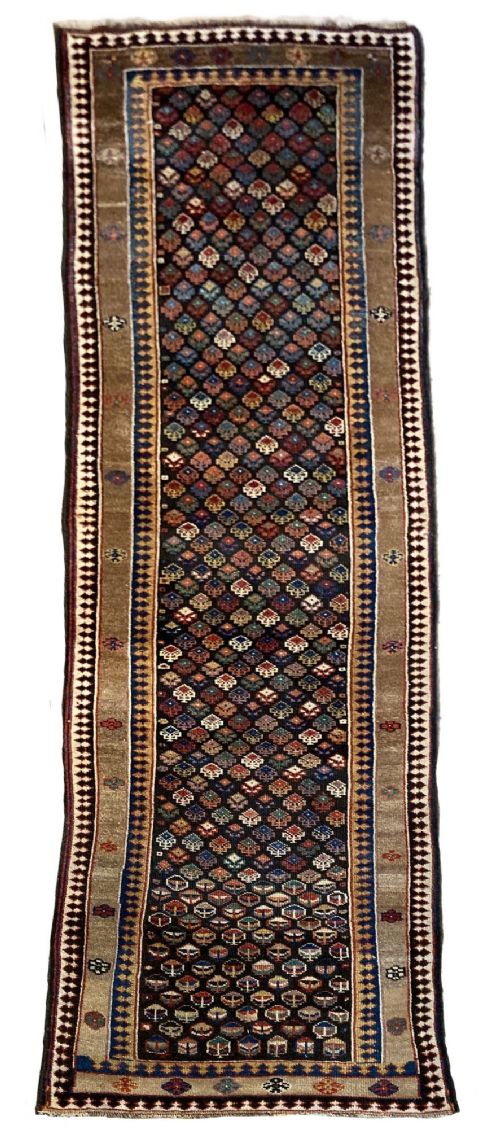
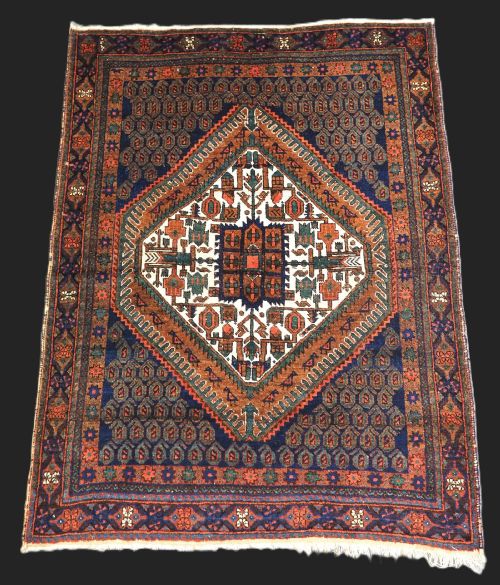
These pieces are a blue boteh rug, woven by tribal and village makers to bring traditional motif and deep indigo ground into a room.
Blue Boteh Rug
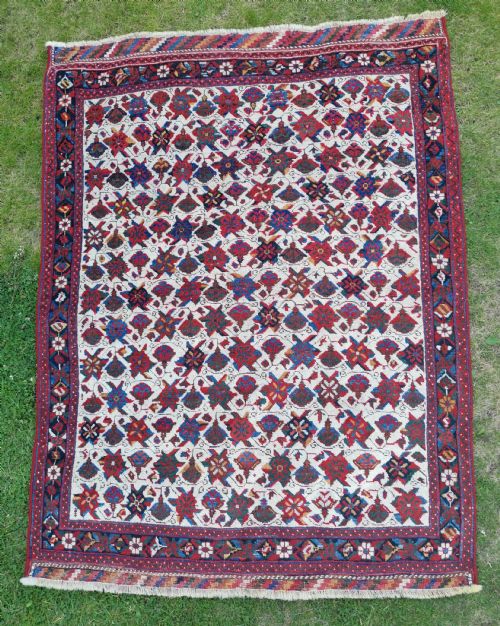
A blue boteh rug brings together hand-knotted tribal weavings and village formats from Persian and Caucasian origins. When searching for a blue boteh rug, a buyer meets nineteenth-century and early twentieth-century examples ranging from small vanity-bags and saddlebag faces to gallery-size carpets and long runners.
The selection on this page centres on wool village and nomadic pieces featuring the characteristic almond-shaped motif known as the boteh. These floor coverings and trappings span regions such as Afshar, Kurdish, Caucasian Gendje, and Malayer traditions.
How They Were Made
Weavers constructed these textiles using wool and hand-spun wool foundations alongside cotton for structural warps and wefts. Artisans employed natural dyes to achieve deep indigo grounds and contrasting tones across the field.
The production relied on traditional upright vertical looms where workers tied individual knots by hand to build dense pile surfaces. Village and nomadic makers incorporated supplementary weft wrapping techniques particularly visible in tribal bags and trappings.
Listings feature wool and hand-spun wool materials combined with natural dyes across nineteenth and early twentieth-century Persian and Caucasian formats.
What Varies in Quality
The refinement of the knotting and the precision of the drawing dictate the standing of an individual piece. Finer examples display intricate rendering of the boteh motif and disciplined border geometries executed by experienced weavers.
The vibrancy and depth of the natural dyes significantly influence the visual impact of the textile. Superior pieces maintain harmonious colour saturation and balanced proportions across the field and borders.
The Blue Boteh Rug Glossary
- Boteh
- A stylised almond or pear-shaped motif of Persian origin that often symbolises life and eternity. It appears repeatedly across the field of many tribal and village rugs.
- Afshar
- A nomadic and village weaving tradition originating from the Kerman province in southern Persia. Pieces from this group frequently utilise bold geometric formats and rich indigo fields.
- Gendje
- A Caucasian weaving region known for producing runners and long rugs with colourful geometric designs. These textiles often incorporate rows of botehs on saturated grounds.
- Serabi
- A Persian village tradition associated with large gallery carpets and room-sized floor coverings. They typically exhibit strong geometric structure and muted natural dye palettes.
Blue Boteh Rug: Frequently Asked Questions
How do I care for an antique wool rug?
Vacuum gently without a rotating brush bar to protect the hand-spun wool pile and delicate foundation threads.
Keep the textile away from direct sunlight to preserve the natural dyes and prevent uneven fading over the years.
Where were these tribal rugs woven?
The pieces originate primarily from tribal and village communities across Persia and the Caucasus during the nineteenth and early twentieth centuries.
Nomadic groups like the Afshar and Kurdish weavers produced many of these works in regional provinces such as Kerman.
What is a boteh motif?
The boteh is a traditional almond or pear-shaped decorative element found extensively in oriental carpet weaving. It represents stylized vegetation or flames according to regional folklore.
Designers arrange these motifs in rows, all-over patterns, or surrounding central medallions within the field.
Can these rugs be used in high traffic areas?
Wool and hand-spun pile construction provides natural durability suitable for placement in moderate traffic spaces.
Using a quality underlay helps absorb foot pressure and prevents the rug from slipping on hard floors.