



Traditional Woven Area Rug
These traditional woven area rug examples bring centuries of regional knotting and flatweaving heritage directly onto your floor.
Traditional Woven Area Rug
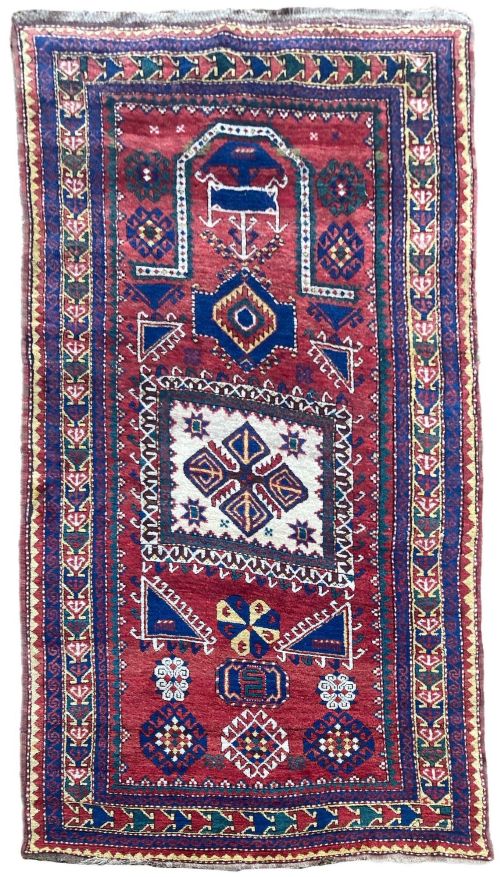
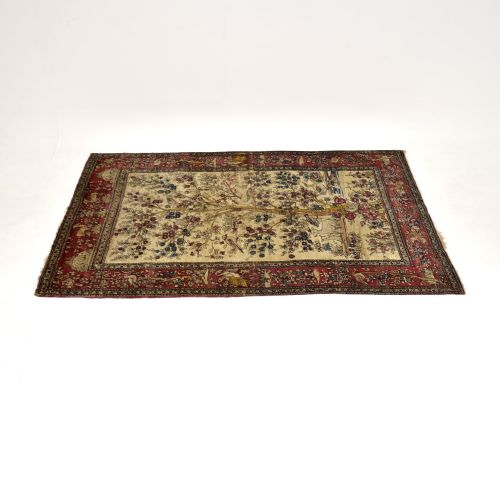
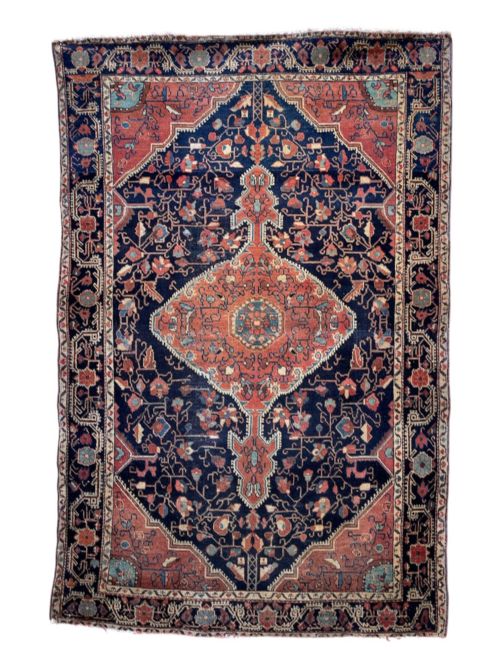
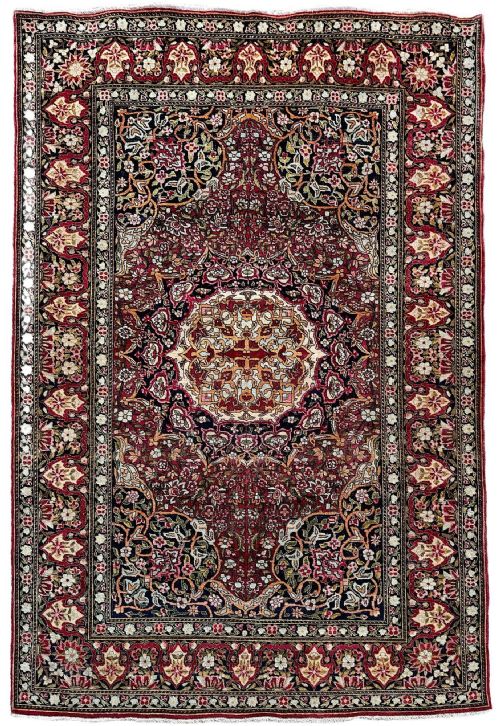
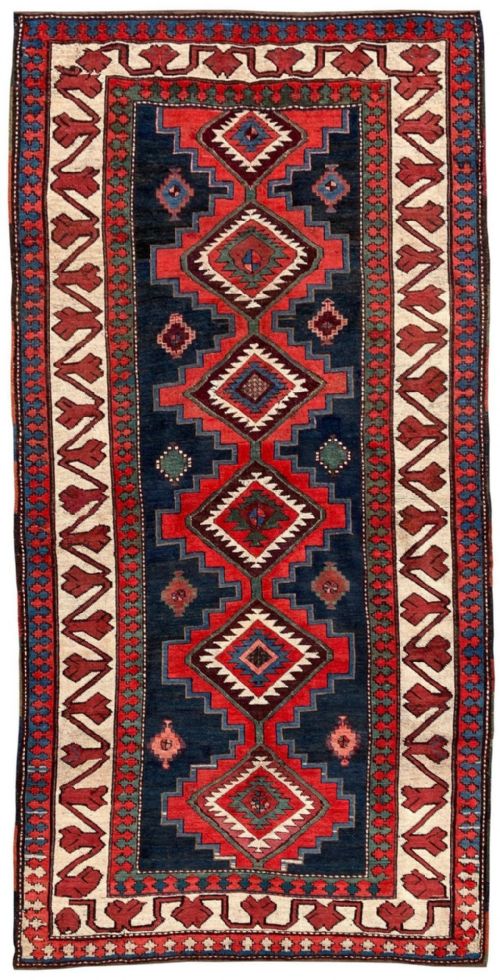
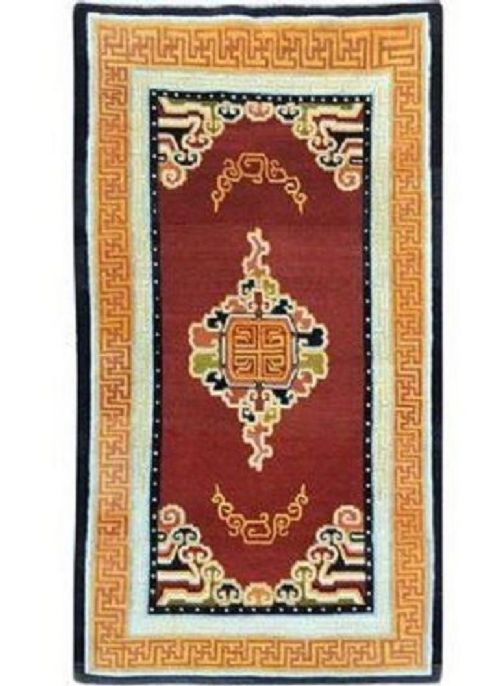
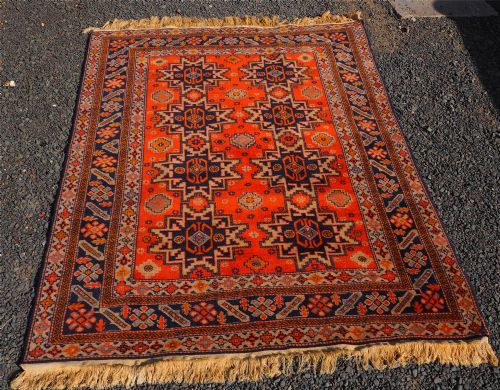
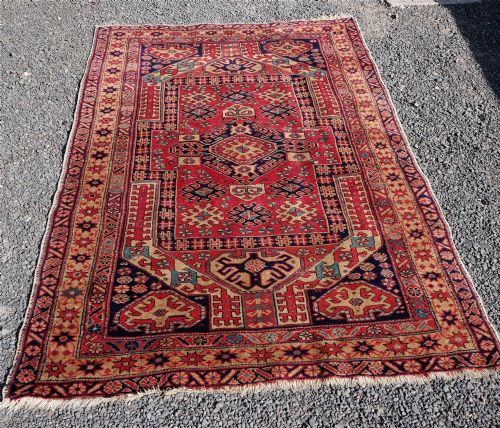
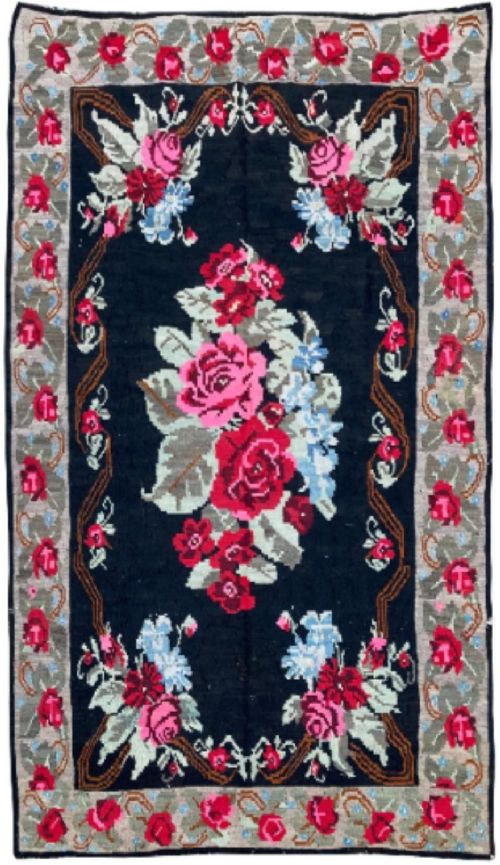
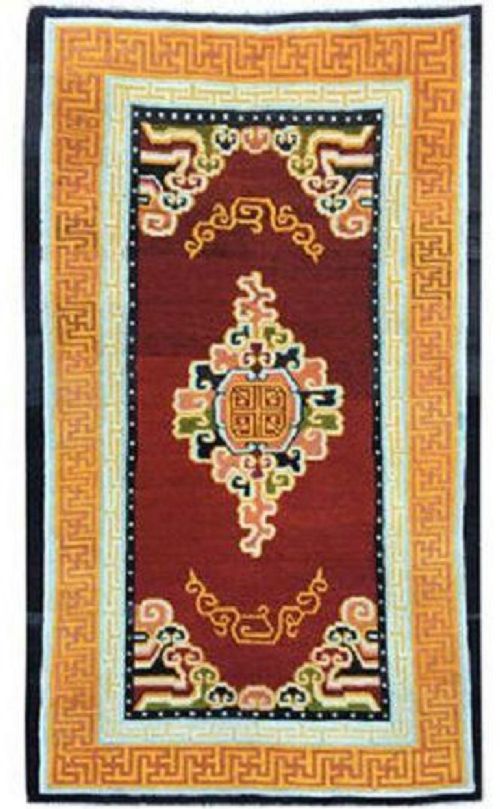
A traditional woven area rug represents centuries of regional floor-covering craftsmanship originating from Persian, Caucasian, Anatolian, Turkmen, and Tibetan workshops and tribal groups. These textiles span periods from the mid-nineteenth century through the early twentieth century, taking the form of large carpets, room-sized pieces, hearth rugs, and smaller prayer mats.
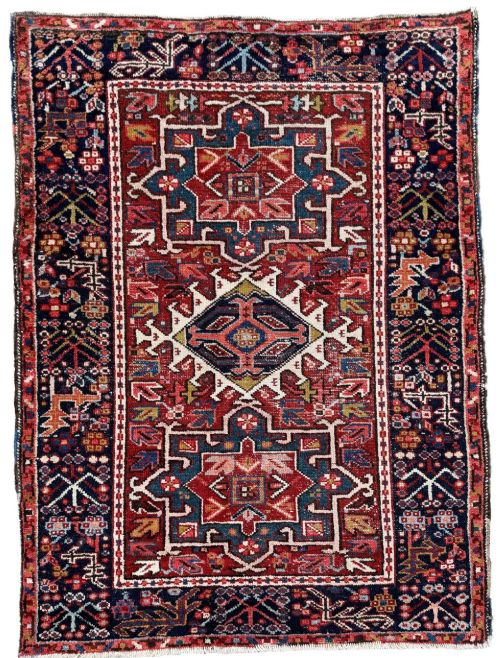
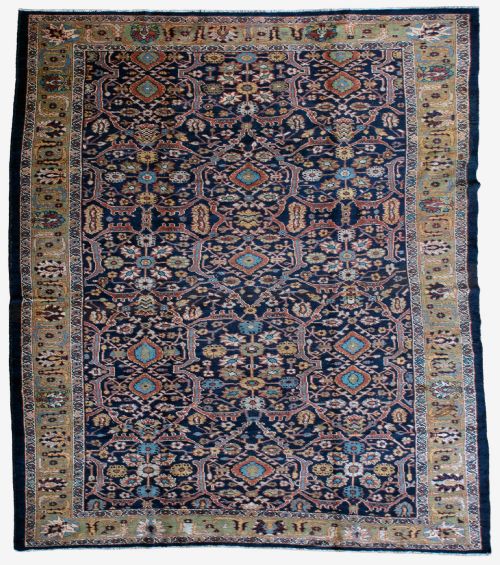
The version most commonly met on this page is the Persian room-sized carpet or village rug, often woven with geometric medallions or classic floral motifs. Pieces from regions such as Heriz, Mahal, Bakhtiar, and Saroukh dominate the selection, alongside spirited tribal floor coverings from the Caucasus and Anatolia.
Buyers encounter everything from finely knotted city carpets utilising silk highlights to sturdy village rugs and flatwoven kilims designed for everyday utility. Each specimen carries the distinct design vocabulary of its maker, region, and period.
How they were made
These floor coverings rely on natural animal and plant fibres, predominantly wool as the foundation material, supplemented by cotton for structural warps and occasionally silk for decorative highlights. Artisans spun these yarns by hand before dyeing them with natural colourants derived from local plants and minerals.
Weavers constructed the pile rugs using hand-knotted techniques tied onto cotton or wool foundation warps, while flatwoven kilims utilised interlocked or slit-tapestry weaving methods without a pile. The density of the knotting and the tightness of the weave determine the structural integrity and drape of each individual textile.
Some antique carpets retain charming minor weave irregularities and repaired sections that whisper of generations of fireside life.
What varies in quality
The primary distinction in quality rests upon the density and precision of the knotting, alongside the fineness of the spun wool utilised in the pile. Tighter knots allow intricate regional patterns to render with sharper definition.
Quality also reveals itself in the depth and stability of the natural dyes, which age gracefully over decades. Superior pieces maintain structural harmony across the field, border proportions, and foundation integrity.
The Traditional Woven Area Rug Glossary
- Kilim
- A flatwoven rug or carpet produced without a pile, traditionally utilised across Anatolia, the Caucasus, and Persia.
- Prayer Rug
- A smaller textile designed with a specific mihrab or arch motif, historically used for individual devotion.
- Medallion
- A central ornamental design motif placed in the middle of the field, typical of many Persian carpet traditions.
- Warp
- The vertical foundation threads stretched tightly on the loom before knotting or weaving begins.
- Weft
- The horizontal threads passed alternately through the warps to bind the knots and secure the structure.
Traditional Woven Area Rug: Frequently Asked Questions
How do I clean an antique rug?
Surface dust is best managed through gentle regular suction from a vacuum cleaner without a rotating beater bar.
Professional specialist washing is required for deeper cleaning to protect natural wool fibres and historic dyes.
Where were these rugs made?
Production centres span traditional weaving regions including Persia, the Caucasus, Anatolia, Turkmenistan, and Tibet.
Specific villages, nomadic confederacies, and urban workshops each developed distinct regional designs and knotting methods.
Are these rugs suitable for daily use?
Historic woven floor coverings tolerate everyday domestic foot traffic remarkably well due to the natural resilience of hand-spun wool.
Placement in moderate-traffic areas allows these textiles to remain functional interior elements while preserving their historic structure.
How do I date a woven rug?
Dating relies on analysing structural materials, dye palettes, regional design evolution, and comparative examples from known periods.
Changes from natural to early synthetic aniline dyes help narrow down the production era toward the turn of the twentieth century.