


Red Gul Pattern Rug
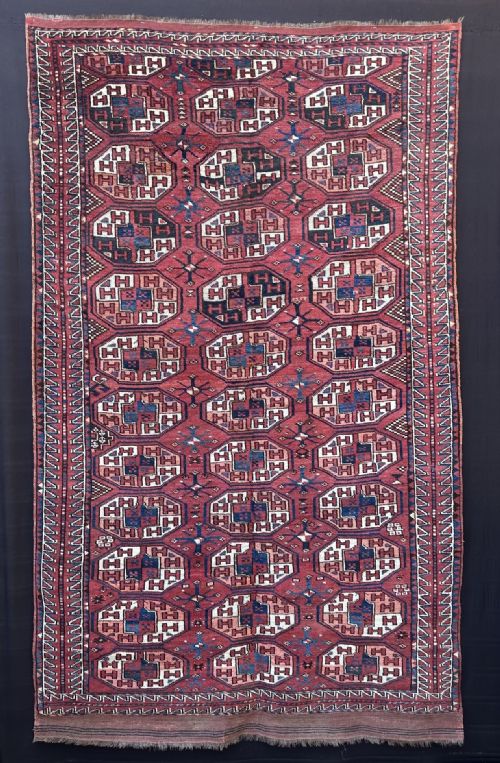
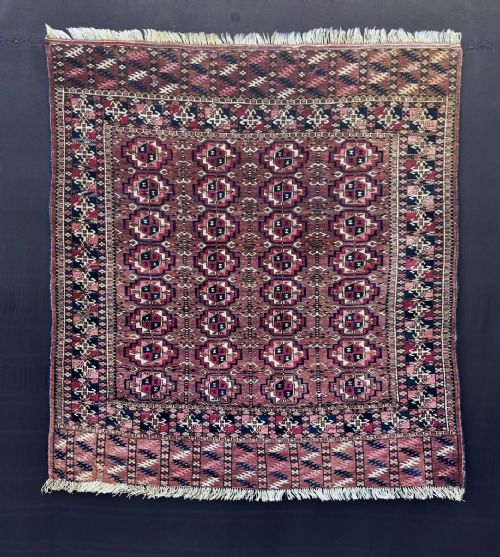
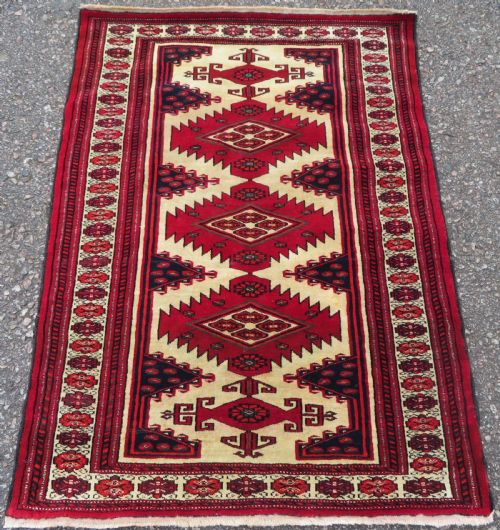
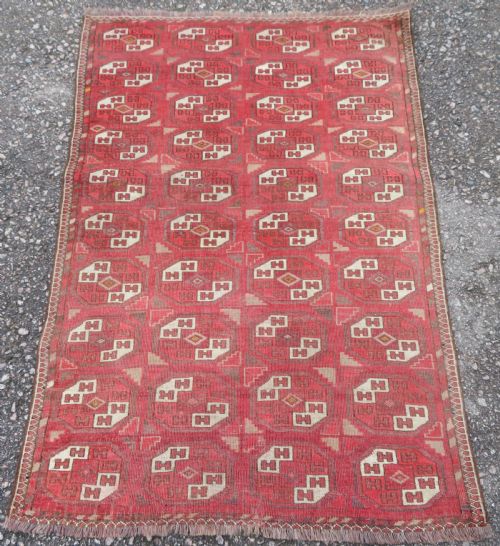
These red gul pattern rug examples are tribal and nomadic textiles originating from Central Asia, offering deep historical character to any floor.
Red Gul Pattern Rug
When you search for a red gul pattern rug, you encounter hand-woven tribal textiles originating predominantly from Central Asian regions such as Turkmenistan and Afghanistan. The selection spans the nineteenth and early twentieth centuries, encompassing formats from small dowry rugs and tent door hangings to large country house carpets.
The material evidence on this page points toward specific tribal groups, including Ersari, Tekke, Kizyl Ayak, Chodor, and Baluch weavers. These communities produced utility floor coverings, wedding dowry pieces, and trapping items designed for nomadic and village life.
The dominant visual element across these works is the repeated gul motif set against varying shades of red. Buyers meet formats ranging from compact area rugs to substantial main carpets woven between eighteen fifty and nineteen thirty.
What varies in quality
Quality in these carpets rests upon the fineness of the wool and the precision of the tribal knotting. Softer, hand-spun wool and dense pile construction distinguish superior examples from standard utility grades.
The depth and variation of natural dyes influence the visual hierarchy of the pieces. Artisanal mastery shows in the crisp definition of complex gul motifs and the structural integrity of the goat hair or horsehair foundations.
The listings span from eighteen fifty to nineteen thirty, utilising natural dyes, hand-spun wool, and animal hair foundations across Turkmen and Baluch traditions.
The Red Gul Pattern Rug Glossary
- Gul
- A repeating primary medallion motif characteristic of Central Asian tribal carpets. These octagonal or oval shapes often identify the specific weaving tribe.
- Kapunuk
- A specialised tent door rug or hanging used in nomadic Central Asian dwellings. These architectural textiles served both decorative and functional purposes within the yurt.
- Torba
- A small utilitarian storage bag face woven by tribal groups. They typically featured intricate geometric patterns and were hung inside tents.
- Beshir
- A sub-type of Ersari carpet known for distinctive large-scale designs and divergent colour palettes. They originate from the middle Amu Darya region.
- Main carpet
- A large-format floor covering produced for primary domestic use within a tribal household. These substantial pieces required months of collaborative labour.
Red Gul Pattern Rug: Frequently Asked Questions
What is a gul motif?
A gul is a repeating octagonal or ovoid medallion pattern central to the design language of Turkmen and Central Asian weaving traditions. Each tribe utilised distinct variations of this geometric emblem to signify ancestry and identity.
These motifs form the structural grid of the field design, often repeated in rows across the red ground of the carpet.
How were these rugs used originally?
Nomadic and village communities utilised these textiles as floor coverings, tent decorations, and wedding dowry items within traditional dwellings. Pieces like torbas and kapunuks served specific storage and architectural functions inside the yurt.
Larger formats functioned as main carpets for sitting and sleeping areas, providing insulation and durability against harsh climates.
How do I care for an antique wool rug?
Maintain these textiles through gentle vacuuming without a beater bar and professional cleaning when necessary. Keep them out of direct, prolonged sunlight to protect the natural dyes.
Place a breathable underlay beneath the rug to prevent slipping and reduce friction against hard floors.
How do I identify a Tekke rug?
Tekke rugs typically feature precise, repeating octagonal guls arranged in orderly rows across a deep madder red field. They frequently display characteristic quarter-gul quartered motifs along the vertical margins.
The handle is often supple with a dense, low-clipped wool pile that highlights the intricate geometric border arrangements.