


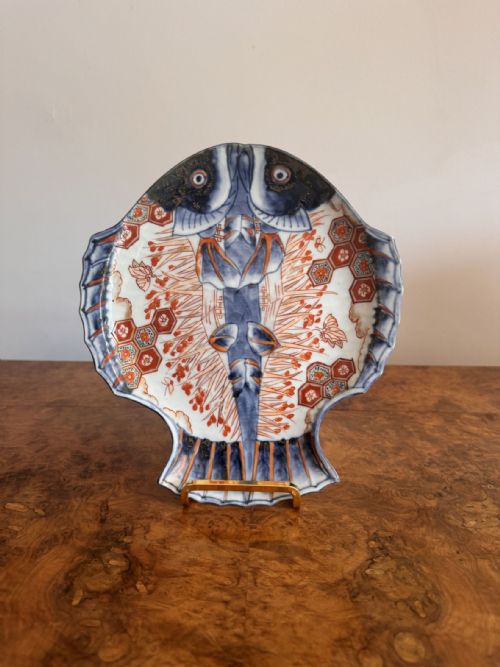
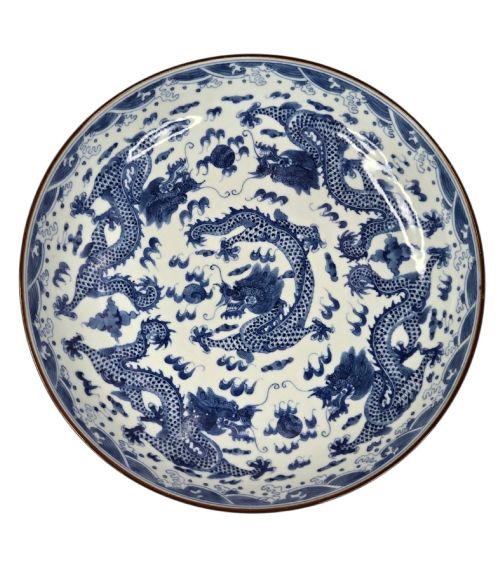
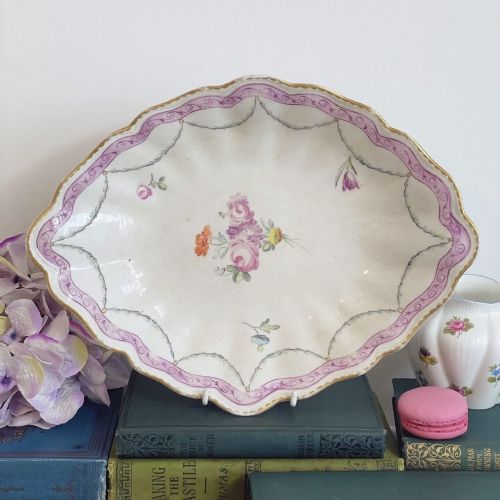
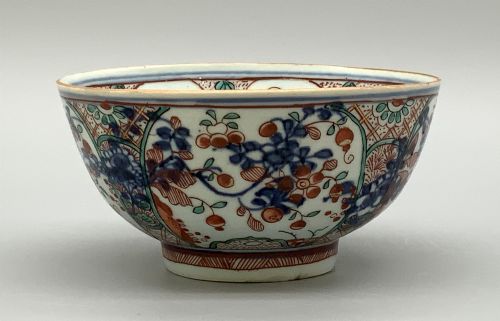

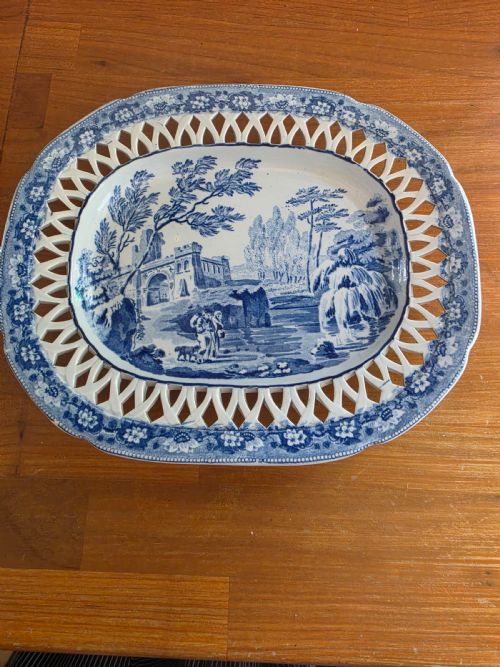
Blue White Ceramic Dishes
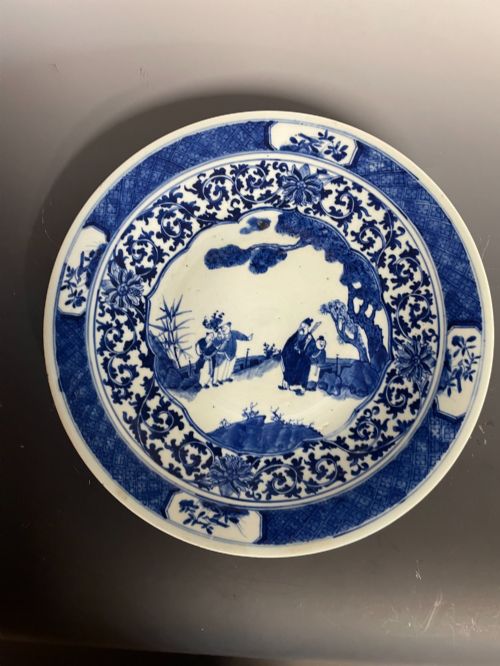
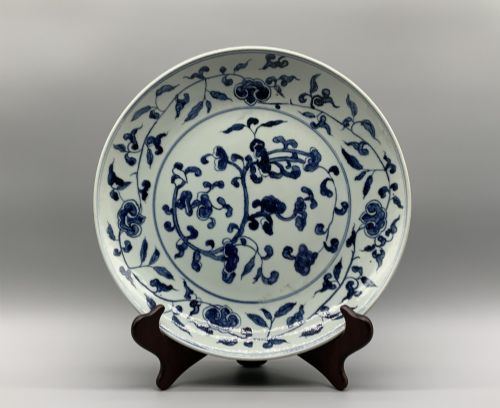
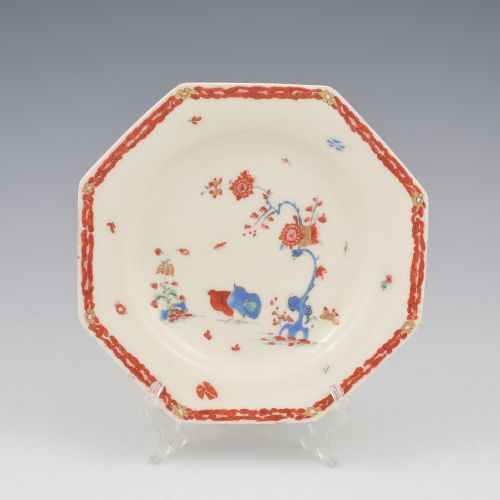
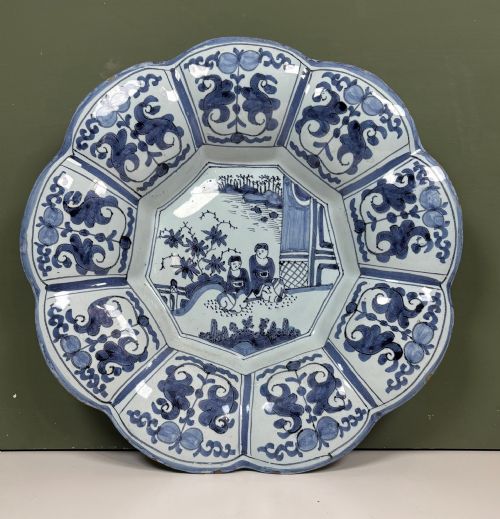
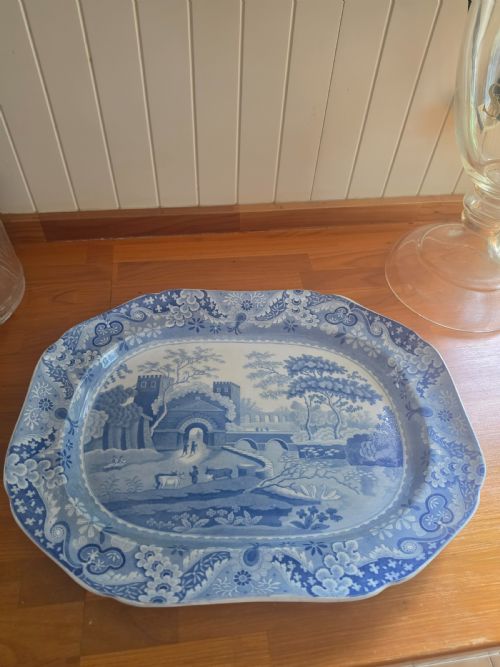
These blue white ceramic dishes range from seventeenth century Delft chargers to nineteenth century transferware platters, prized for their cobalt painted motifs and varied forms.

Blue White Ceramic Dishes
When buyers search for blue white ceramic dishes, they encounter utilitarian vessels and decorative tableware spanning several centuries of ceramic history.
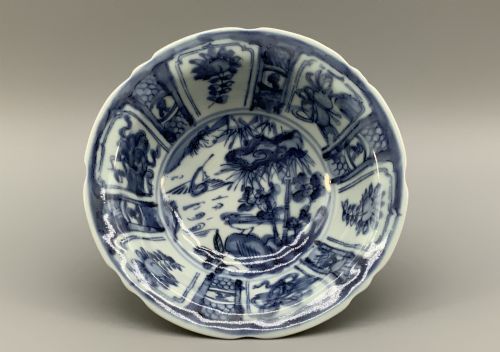
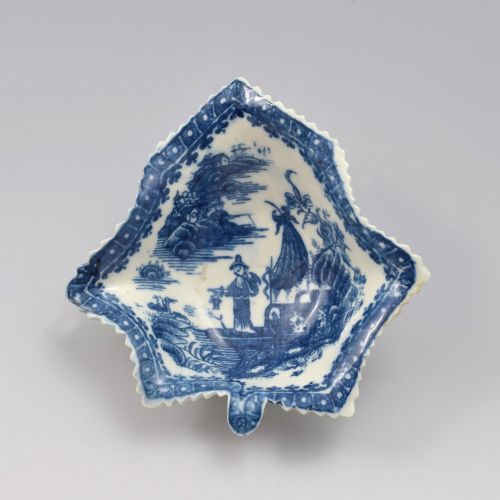
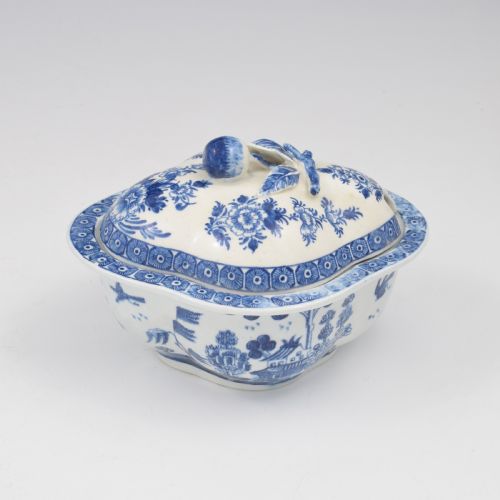
The selections on this page appear in forms such as flat chargers, serving platters, scalloped pickle dishes, and deep vegetable tureens.
Originating from English factories, continental European workshops, and Asian kilns, these pieces reflect distinct regional traditions in tin glazing, soft-paste porcelain, and earthenware.
How they were made
Potters shaped these vessels using earthenware or porcelain bodies, applying cobalt pigment either beneath the glaze before firing or over tin opacified glazes.
Transfer printing technology allowed factories to apply intricate landscape scenes onto pottery bodies with consistent mechanical precision during the Georgian and Victorian eras.
Handpainted pieces relied on skilled brushwork to render botanical patterns, dragons, and architectural motifs directly onto soft-paste porcelain or faience surfaces.
Some nineteenth century plates immortalise dramatic historical moments, such as the unfortunate demise of a bear on porcelain.
What varies in quality
Quality depends upon the clarity of the cobalt pigment against the ground and the crispness of the painted or transfer-printed lines.
Earlier productions show finer potting techniques, lighter body walls, and more carefully controlled kiln atmospheres that prevent warping or glaze pooling.
The sophistication of the design composition, from simple floral sprays to complex multi-figured narrative scenes, distinguishes standard utility wares from exhibition pieces.
Spode·Davenport·J. & R. Clews·Meissen·Royal Worcester
The Blue White Ceramic Dishes Glossary
- Cobalt Pigment
- A metallic oxide used under the glaze to produce deep blue coloration on ceramics when fired at high temperatures. It remains stable under intense kiln heat.
- Tin Glaze
- An opaque white glaze containing tin oxide that provides a smooth, milky white background for painted cobalt decoration. It is characteristic of Delftware and faience.
- Transferware
- Pottery decorated by applying a printed paper design inked with cobalt from an engraved copper plate onto the biscuity ceramic body. This technique emerged during the eighteenth century.
- Soft-paste Porcelain
- A ceramic composition made from white clay mixed with glass frit or ground glass rather than hard rock minerals. It vitrifies at lower kiln temperatures than true porcelain.
- Charger
- A large decorative plate or platter intended primarily for display on a sideboard or wall rather than for individual dining use. These often feature elaborate painted or printed scenes.
- Kraak Style
- A seventeenth-century Chinese export porcelain design layout featuring a panelled border surrounding a central medallion of birds, flowers, or landscapes.
Blue White Ceramic Dishes: Frequently Asked Questions
How do I date a blue white ceramic dish?
Dating relies upon examining the ceramic body, glaze characteristics, and factory marks found on the underside of the vessel. Transfer-printed patterns often reference historical events or topographical locations tied to specific decades.
Style also indicates age, as seventeenth-century pieces display heavy tin-glazed earthenware bodies with Chinese export motifs, while Victorian items typically utilise refined transferware printing techniques.
Were these dishes used for dining?
Many forms served functional roles at the dining table, including meat platters, sauce tureens, pickle dishes, and hot-water plates designed to keep food warm.
Larger chargers and decorative bowls served ornamental purposes on sideboards, though sturdy earthenware plates saw regular domestic service in Georgian and Victorian households.
What is the difference between porcelain and earthenware?
Porcelain is a vitrified, non-porous ceramic fired at high temperatures that rings when struck and appears translucent under strong light. Earthenware uses a more porous clay body fired at lower temperatures.
Tin-glazed earthenware requires an opaque glaze layer to conceal the buff or reddish clay body beneath, whereas true porcelain possesses a naturally white body.