



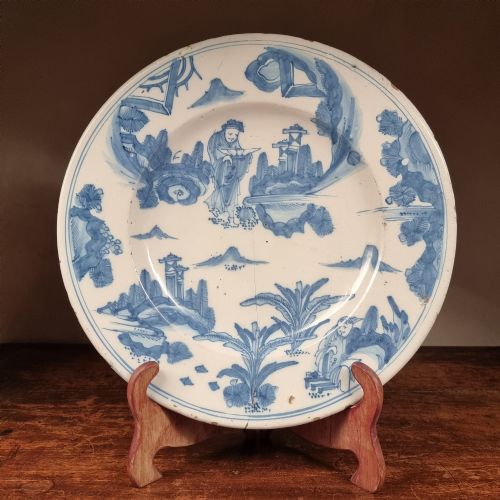
Blue Tin Glazed Earthenware
Blue tin glazed earthenware encompasses centuries of European pottery, valued for painted cobalt pigments on opaque white surfaces.
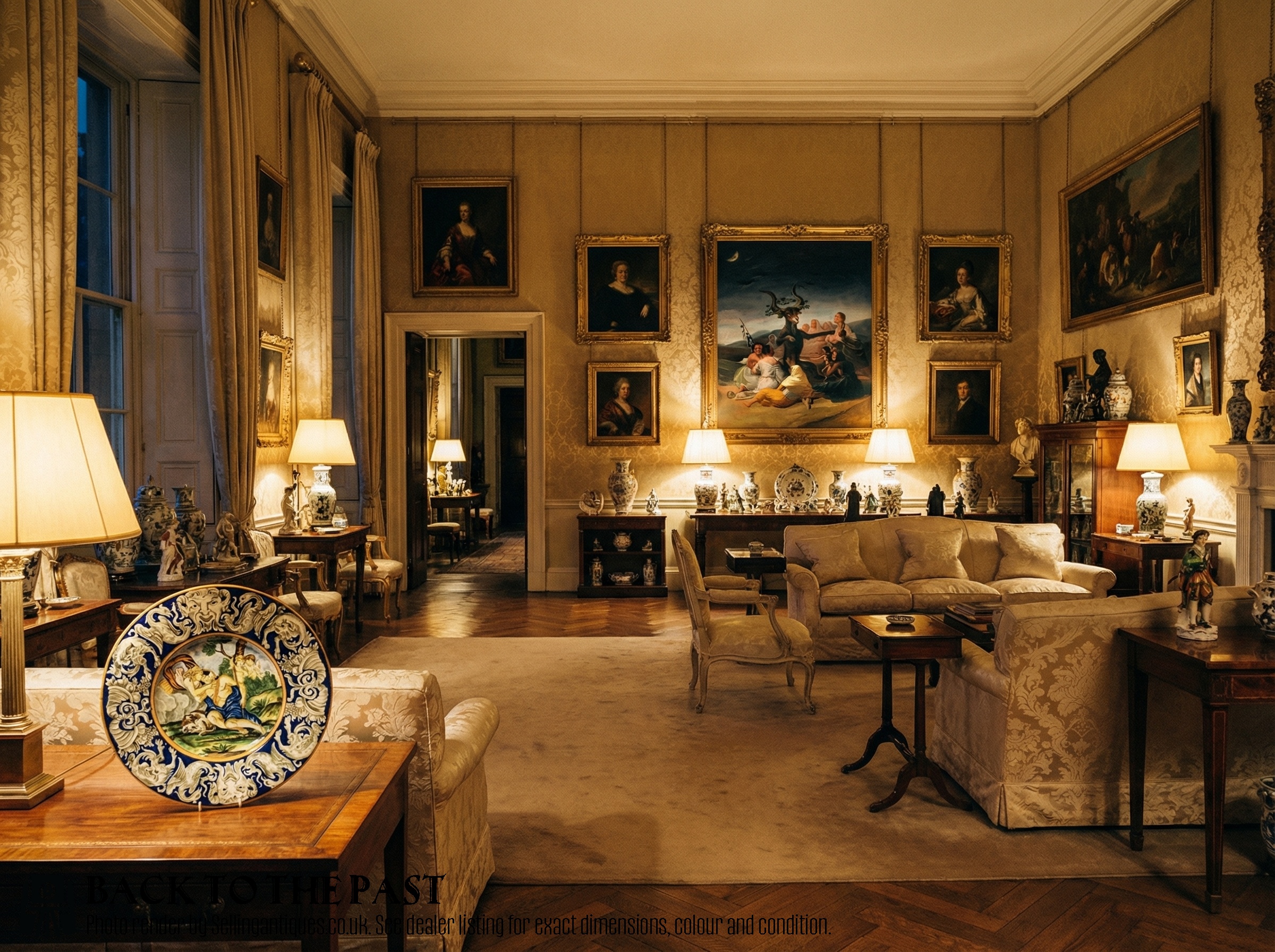
Blue Tin Glazed Earthenware
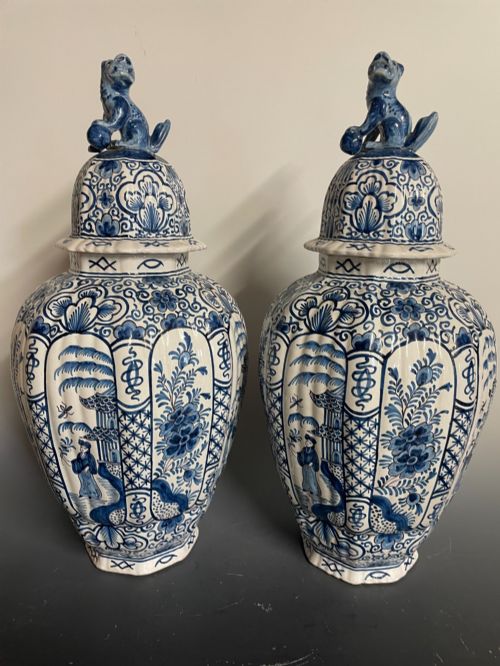
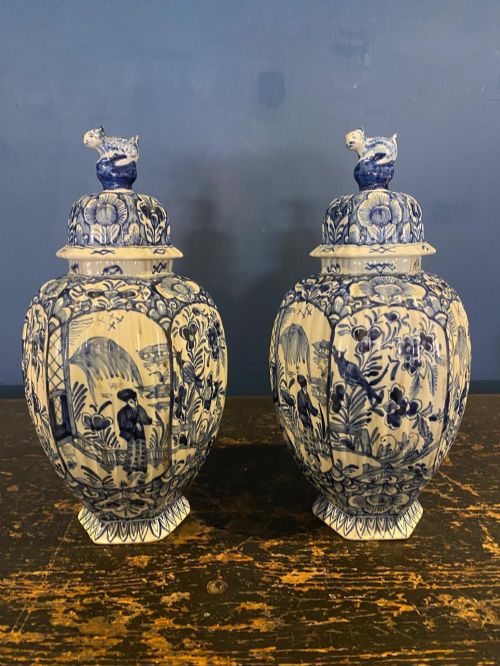
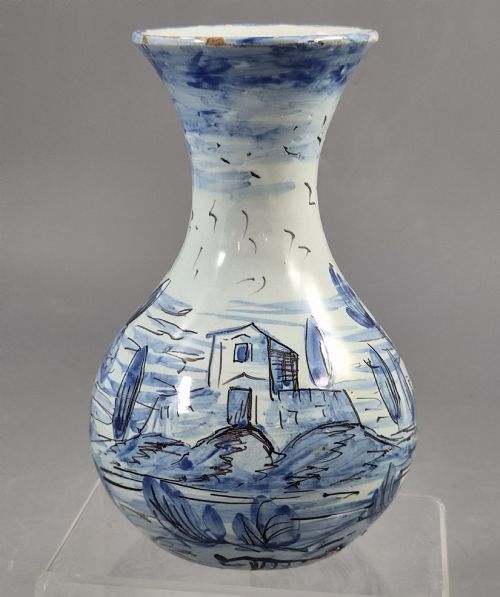
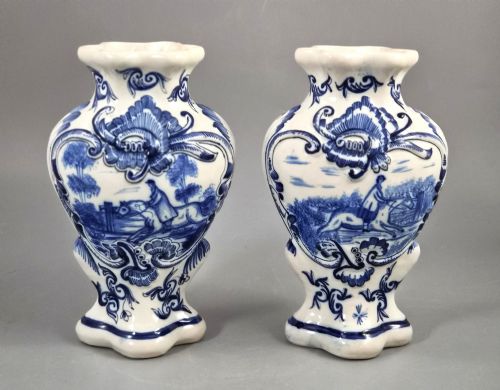
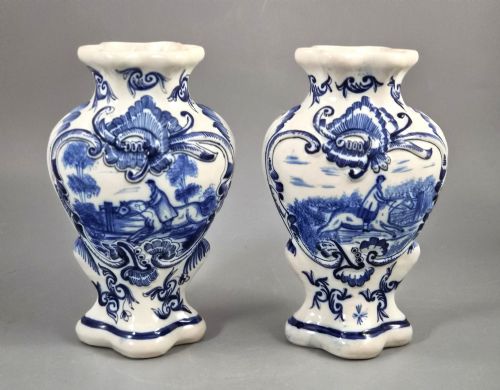
Blue tin glazed earthenware includes chargers, plates, vases, apothecary jars and bowls originating mainly from Dutch, English, French and Spanish potteries. The listings here centre on eighteenth and nineteenth-century examples alongside seventeenth-century items and mid-twentieth-century Continental pieces.
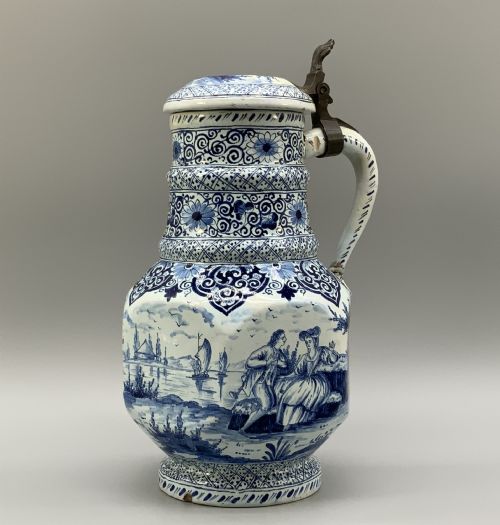
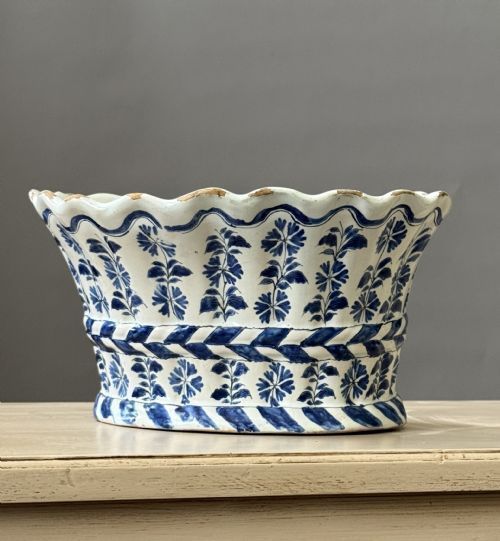
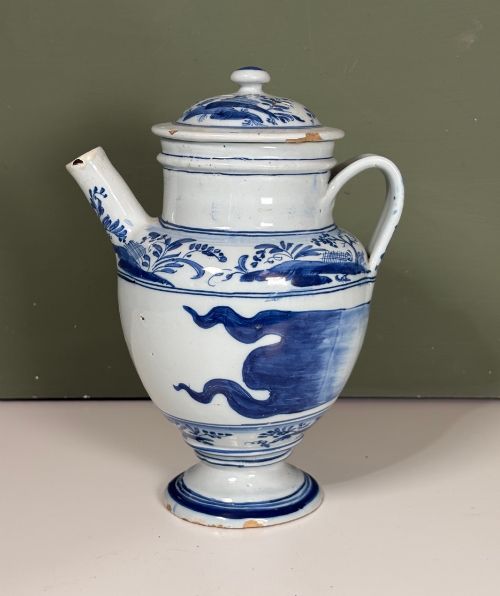
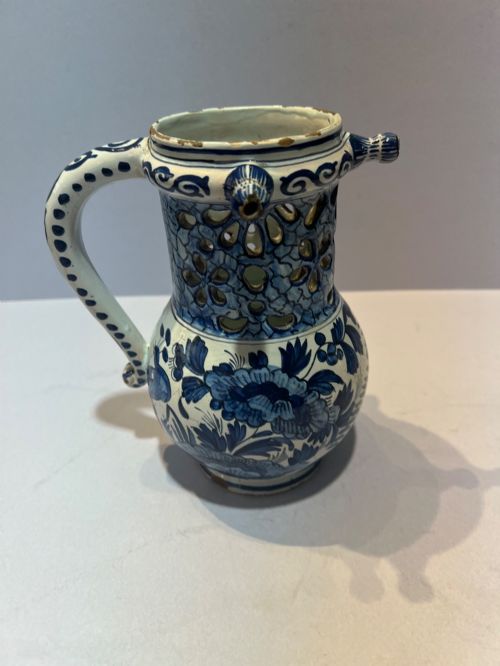
Buyers encounter large display chargers, lidded vessels, bough pots and puzzle jugs bearing cobalt blue painting. These domestic and decorative forms reflect traditional European ceramic production spanning several distinct eras of craft.
How blue tin glazed earthenware was made
Potters shaped ceramic earthenware bodies and coated them in a liquid glaze containing tin oxide, which dried to an opaque white finish. Cobalt pigment was then painted directly onto this absorbent raw surface before firing.
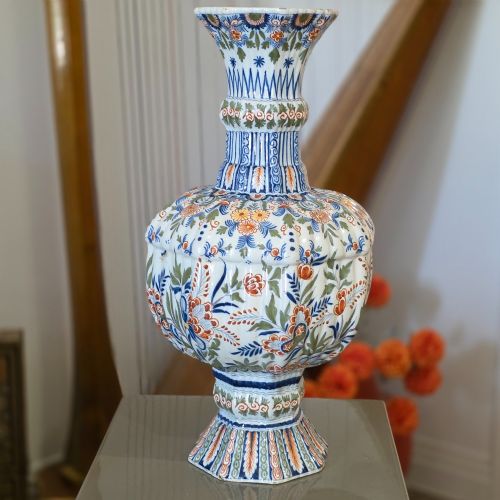
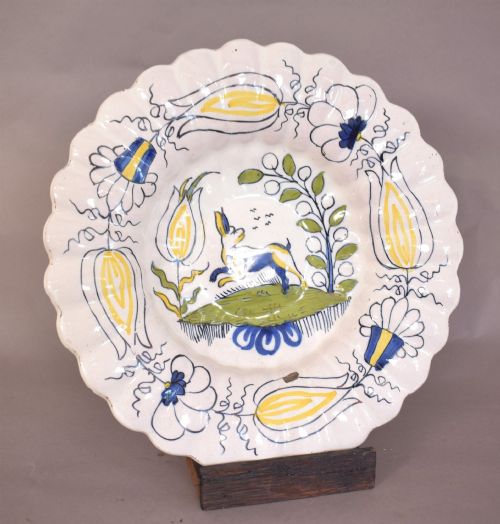
The painted pieces underwent a high-temperature kiln firing that fused the cobalt blue decoration into the glossy white tin glaze. Certain works also incorporate polychrome pigments alongside the primary blue oxide.
Pottery cows and double sauceboats appear among the blue and white earthenware, proving that historic artisans delighted in domestic whimsy.
What varies in quality
Quality rests in the crispness of the cobalt brushwork, the evenness of the opaque white tin glaze and the complexity of the painted motifs. Early chargers and vessels with finely detailed floral, figurative or Chinoiserie patterns demonstrate superior technical execution by the potter.
The stability of the earthenware body and the clarity of the glaze application separate standard utilitarian wares from ambitious decorative items. Condition and historical integrity further distinguish individual pieces across each period.
Cantagalli·Fourmaintraux Courquin·HB Quimper
The Blue Tin Glazed Earthenware Glossary
- Tin-glazed earthenware
- Pottery coated in a lead glaze rendered opaque by the addition of tin oxide. This surface provides a smooth white ground for painted decoration.
- Cobalt pigment
- A metallic oxide used to create deep blue coloration on ceramic glazes. It withstands high kiln temperatures without losing intensity.
- Charger
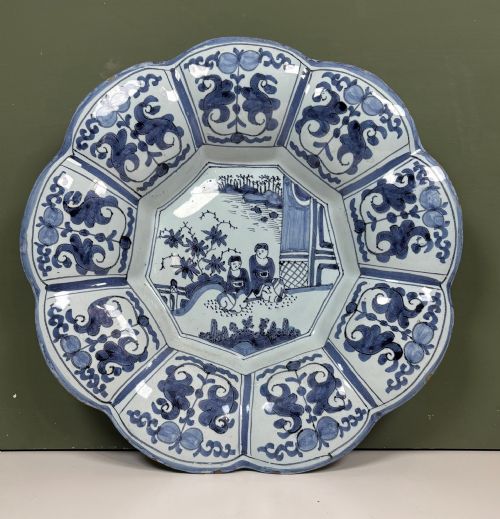
- A large decorative plate designed for wall display or table service. These wide earthenware dishes frequently feature elaborate painted scenes.
- Faience
- European tin-glazed earthenware produced chiefly in France and other Continental regions. The term encompasses diverse decorative styles and vessel forms.
- Apothecary jar
- A ceramic container utilised by pharmacists to store dry drugs and herbal remedies. These jars often display painted labels or ornamental panels.
- Kraak style
- A Chinese porcelain design tradition characterised by segmented panel borders and central motifs. European tin-glazed potteries frequently copied these aesthetics.
Blue Tin Glazed Earthenware: Frequently Asked Questions
How do I date these pieces?
Dating relies on stylistic shifts in the painted decoration, tin glaze characteristics and potting techniques across the seventeenth, eighteenth and nineteenth centuries.
Examining the foot rim, clay body and glaze consistency helps determine the likely period of manufacture for each earthenware item.
Were these chargers used for dining?
Large chargers served primarily as decorative wall hangings or ceremonial display pieces rather than everyday tableware during meals.
Their wide surfaces provided artisans with ample space to paint detailed historical, floral or heraldic compositions.
How should I clean my pottery?
Dusting gently with a dry, soft cloth is sufficient for maintaining the tin glaze surface safely over time.
Avoid submerging antique earthenware in water or using harsh cleaning agents that might penetrate historical glaze fractures.
Why do colours vary between blue and polychrome?
While cobalt blue remained the primary pigment, potteries also introduced yellow, green, orange and manganese purple oxides.
Adding these extra pigments required supplementary kiln firings or specialist multi-stage painting techniques.