


Majolica Wall Chargers
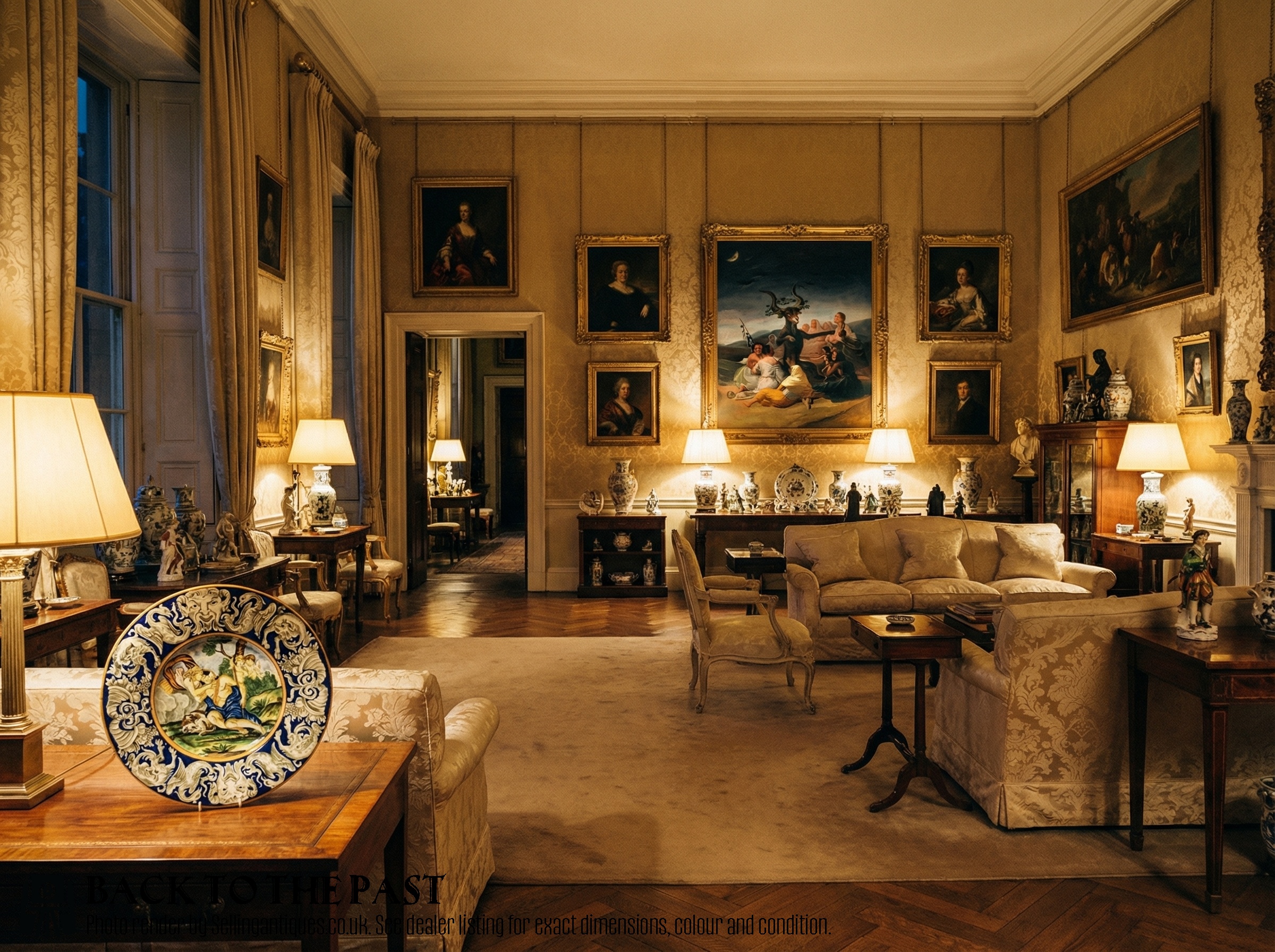
Majolica wall chargers are large earthenware display pieces that bring vivid colour and historical ornament to an interior wall.
Majolica Wall Chargers
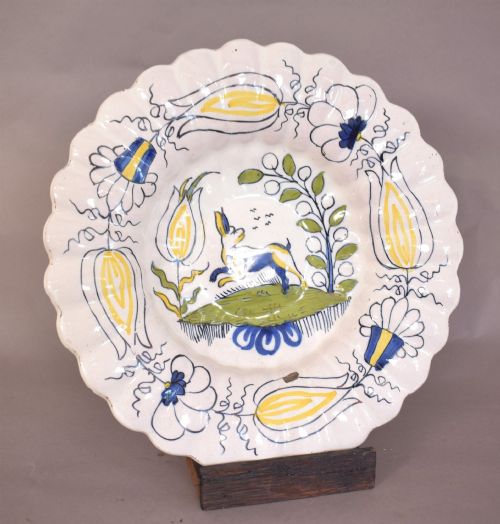
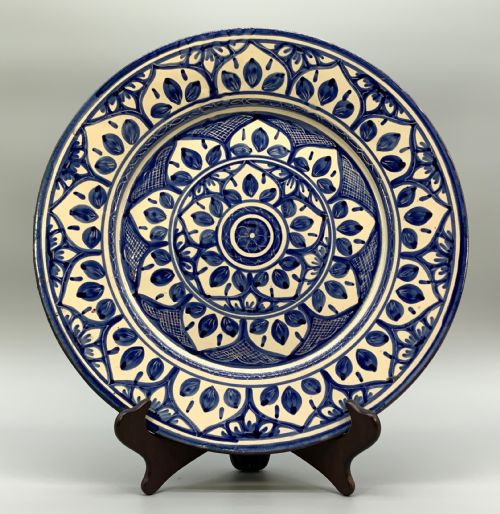
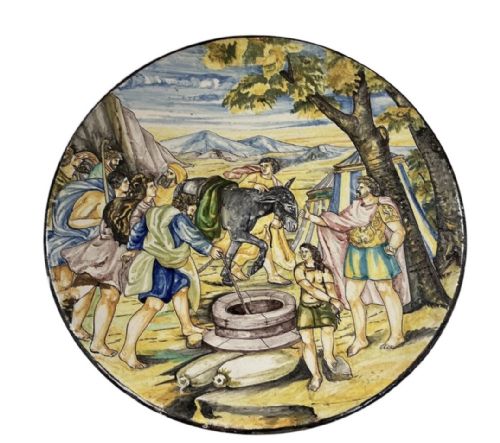
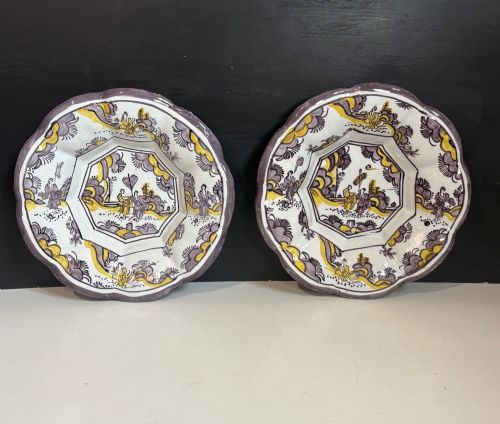
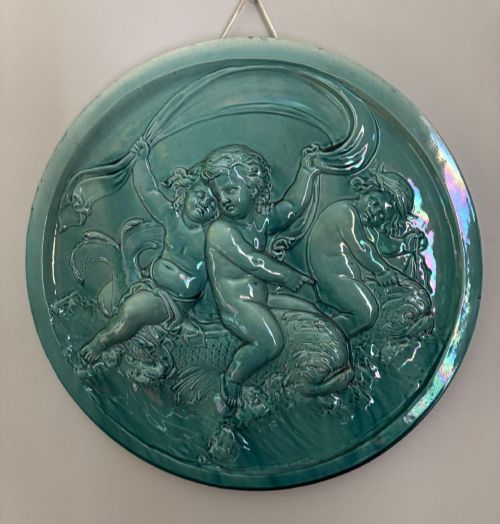
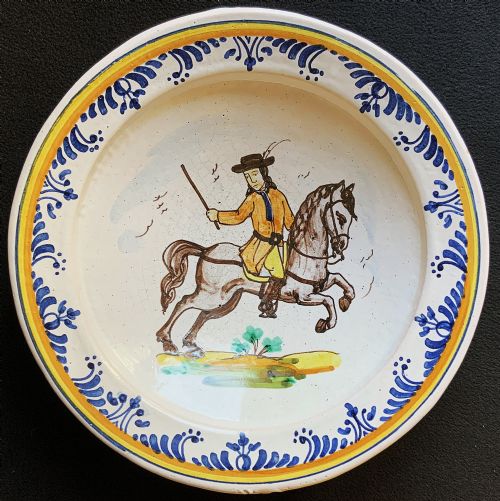
Majolica wall chargers are substantial earthenware display pieces that encompass tin-glazed wares, faience, and maiolica traditions spanning several centuries. When searching for majolica wall chargers, buyers encounter forms ranging from 17th Century delft plates to 19th Century Italian istoriato chargers and later revival pieces. These works present diverse stylistic influences including Renaissance Revival, Dutch Baroque, and Moorish Revival designs.
The selection includes continental European works such as Spanish Catalan bowls, French plaques, Austrian pottery depicting birds and sunflowers, and Portuguese dishes. Forms appear under various descriptions including decorative plates, charger plates, platters, and wall plaques. Most examples date from the 19th Century, alongside 18th Century and earlier pieces.
Materials and production methods
Makers formed these chargers from earthenware and ceramic bodies, preparing the clay base before applying glazes. Tin glaze and tin-glazed earthenware provide the opaque white or cream background essential for subsequent decoration.
Artisans applied pigments directly onto the porous surface, utilising hand-painted techniques to render classical historical scenes, polychrome fruit, and botanical motifs. Firing fixed the colours into the glaze, yielding the characteristic gloss and palette of these ceramics.
Materials represented include tin-glazed earthenware, ceramic, and applied pigments, covering styles from Dutch Baroque to French Art Nouveau.
Assessing quality in wall chargers
Quality in these chargers rests upon the ambition of the painting and the handling of the tin glaze. Finer pieces display confident brushwork in complex historical scenes or detailed botanical studies, whereas simpler examples rely on standard geometric or repeating patterns.
The depth of the pigment and the control shown during the firing process distinguish superior workshop output. Works attributed to specific schools or named makers often exhibit greater technical precision in the modelling of the earthenware body and the application of the polychrome palette.
Clement Messier·Bassano pottery works·Jose Alvez Cunah
The Majolica Wall Chargers Glossary
- Majolica
- A type of tin-glazed earthenware decorated with opaque coloured glazes. The term encompasses various regional traditions including Italian maiolica and broader European pottery.
- Charger
- A large decorative plate or platter intended primarily for display on a wall or sideboard rather than for dining use.
- Istoriato
- A style of ceramic decoration featuring painted narrative scenes derived from history, mythology, or literature. It appears frequently on 19th Century Italian chargers.
- Faience
- Tin-glazed earthenware originating in or imitating the styles of European potteries, particularly French, Dutch, and Spanish works from the 18th Century onwards.
- Tin Glaze
- An opaque white glaze containing tin oxide that provides a smooth surface for hand-painted polychrome pigments.
Majolica Wall Chargers: Frequently Asked Questions
How do I hang a heavy wall charger safely?
Large earthenware chargers require specialised wire spring hangers that distribute the weight evenly around the rim without putting pressure on the centre. Ensure the fixing into the wall is secure and rated for the weight of the ceramic piece.
Avoid using adhesives or display stands that rely solely on friction. Checking the tension of the hanger periodically keeps the charger secure on the wall.
What is the difference between majolica and delft?
Majolica generally refers to tin-glazed earthenware with rich polychrome painting, often associated with Italian, Spanish, and Austrian traditions. Delft specifically describes tin-glazed pottery originating from the Netherlands, traditionally utilising blue and white pigments, though polychrome variants exist.
Both categories fall under the broader heading of tin-glazed ceramics. Regional painting styles and glaze compositions help distinguish between them.
Can these chargers be used for serving food?
Wall chargers are intended for display and decorative purposes rather than culinary use. The historic glazes and pigments on 18th and 19th Century pieces are not suitable for contact with food.
Displaying them on walls or plate racks protects the painted surfaces from wear and potential damage. Modern cleaning methods should also be avoided in favor of gentle dusting.
How do I identify the period of a charger?
Dating relies on stylistic clues such as the painting technique, the palette, and the form of the earthenware body. Renaissance Revival and istoriato scenes often point to 19th Century interpretations of earlier styles.
Examining the reverse of the charger can reveal foot rings, glaze pooling, and maker marks or workshop attributions. Comparing these elements with documented examples helps narrow down the century of manufacture.