






Blue Red Porcelain Dishes
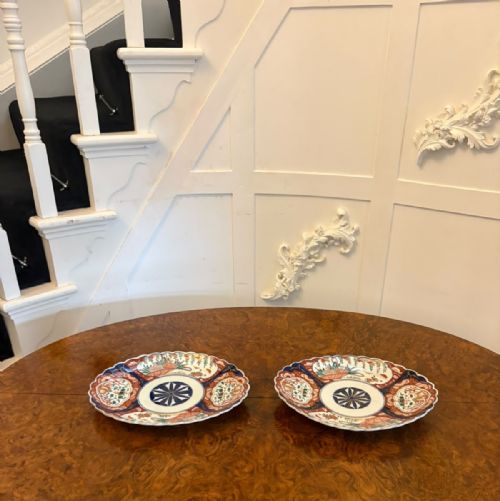
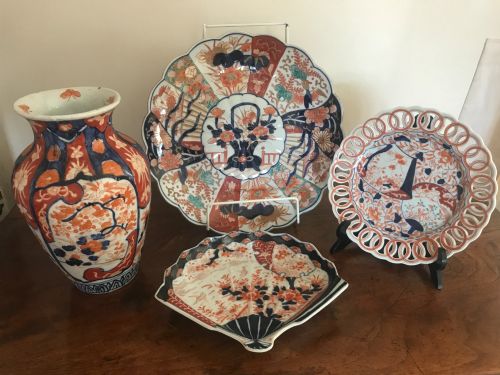
These blue red porcelain dishes are historic decorative wares prized for their vibrant palettes and intricate motifs, offering instant focal points for any room.

Blue Red Porcelain Dishes
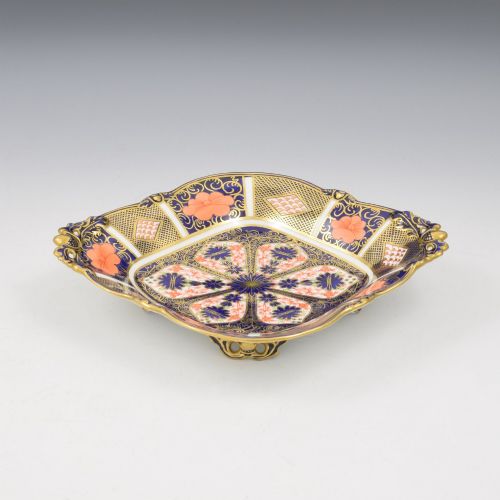
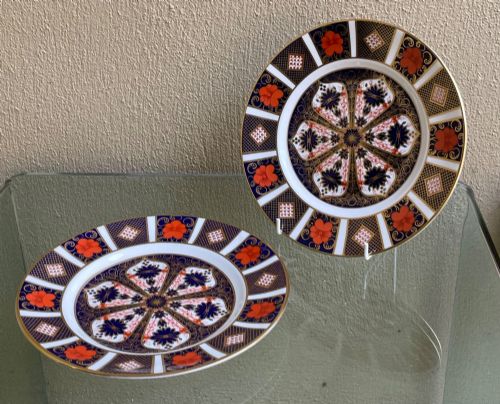
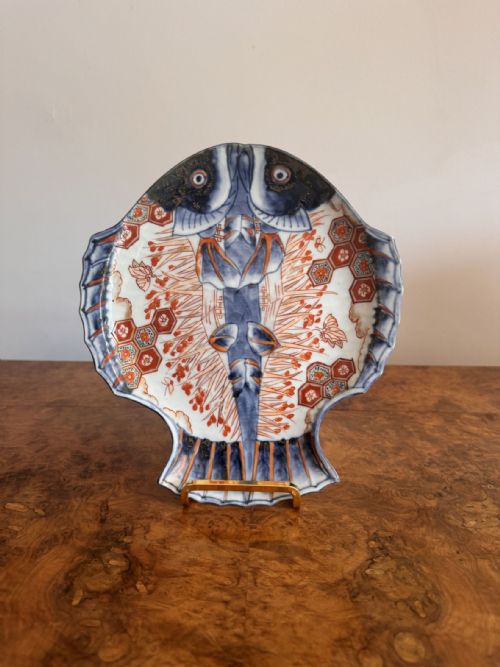
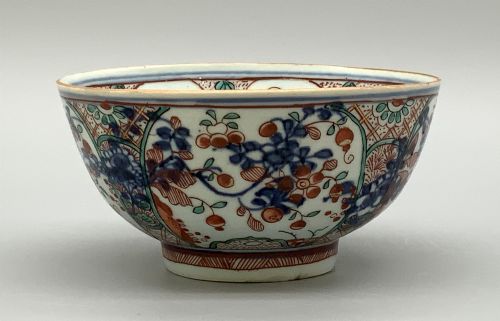
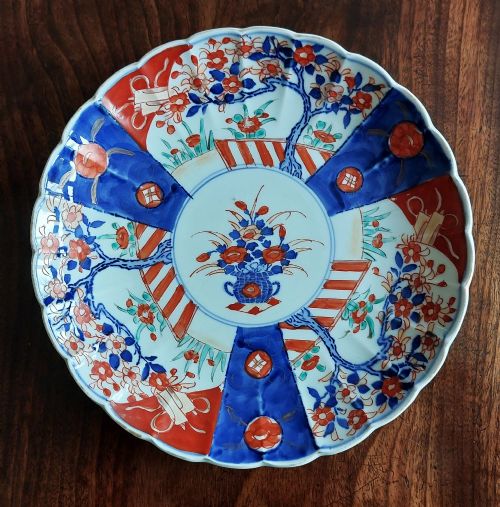
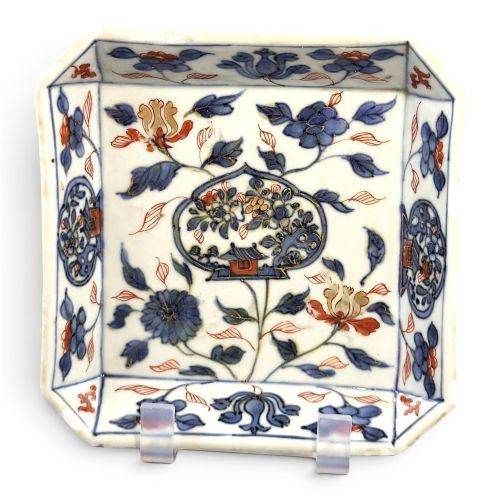
Blue red porcelain dishes encompass a striking range of decorative plates, chargers, bowls, and shaped dishes intended for visual display rather than everyday dining. Buyers seeking blue red porcelain dishes encounter pieces spanning the eighteenth, nineteenth, and twentieth centuries, originating from Japanese kilns, Chinese export workshops, and European manufactories. The forms vary from standard circular and scalloped edges to octagonal, hexagonal, square, oval, and figural fish shapes.
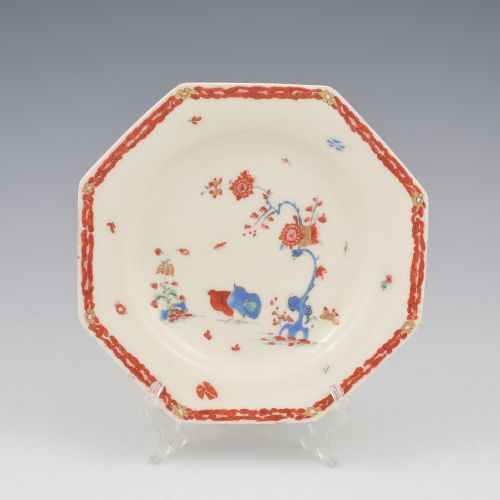
Japanese Imari wares from the Meiji period and earlier dominate the selection, alongside Chinese export examples from the Kangxi and Qing periods. English ironstone and eighteenth-century Bow porcelain also appear, demonstrating how European potteries adopted these characteristic eastern palettes and patterns. Collectors find both individual statement items and matched pairs or sets within this grouping.
How they were made
Potters shaped ceramic and porcelain bodies by hand or mould, applying underglaze blue pigments and vibrant overglaze enamel colours before high-temperature firing. Many pieces incorporate gold leaf, gilt, or gilding to accent the painted motifs, adding metallic richness to the painted surfaces.
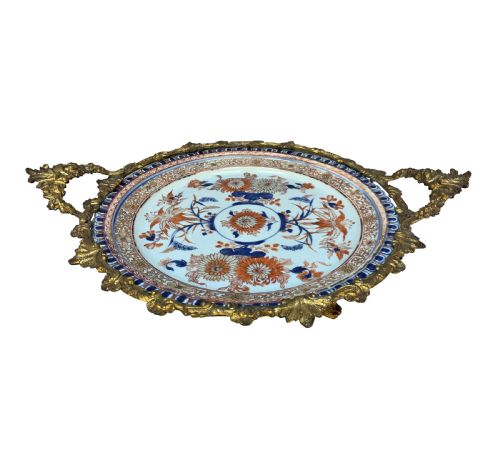
Some European and Chinese works integrate ormolu mounts, combining fired ceramics with cast and chased bronze elements to elevate the decorative status of the vessel.
Blue Red Porcelain Dishes Retail Price Guide 2026
Typical asking prices for blue red porcelain dishes among the pieces listed under this phrase on Sellingantiques today, from the lower quarter to the upper quarter. They describe what is for sale here now, not the wider market.
Some adventurous potters bypassed standard geometry entirely, freezing a swimming fish in porcelain for eternity.
What varies in quality
The precision and detail of the hand-painted floral, bird, and geometric designs dictate much of the visual distinction between standard production and exceptional examples. Stronger pieces display crisp lines, balanced compositions, and rich, saturated enamel colours that remain stable across the porcelain surface.
Structural complexity also separates ordinary items from superior works, such as deeply scalloped rims, chamfered corners, or unconventional moulded forms like fish and octagons. The addition of intact gilding and complementary metal mounts further elevates the standing of individual dishes and chargers.
The Blue Red Porcelain Dishes Glossary
- Imari Style
- A decorative ceramic aesthetic originating in Japan, characterised by a distinctive palette of cobalt blue and iron red, frequently augmented with gilt highlights.
- Charger
- A large decorative plate or dish, traditionally used for display or as a base for smaller courses rather than direct dining.
- Ormolu
- Gilt bronze mounts applied to furniture, clocks, and porcelain vessels to enhance their decorative appeal during the eighteenth and nineteenth centuries.
- Kakiemon
- A style of Japanese enamelled porcelain known for asymmetrical designs, milky white bodies, and delicate iron red and blue colour schemes.
- Glaze
- A vitreous coating fused to ceramic bodies through firing, creating a glossy, protective, and decorative surface finish.
Blue Red Porcelain Dishes: Frequently Asked Questions
How were these dishes used originally?
These decorative wares were primarily manufactured for display in formal interiors, cabinets, and dining rooms rather than practical domestic service. Wealthy households showcased them on tables and walls to signal taste and global trade connections.
Over time, many chargers and plates transitioned into dedicated cabinet pieces or wall-hung displays to protect their painted surfaces from wear.
How do I clean and care for antique porcelain?
Dust these decorative dishes gently with a soft, dry cloth to prevent accumulation without risking the delicate overglaze enamels or gilt highlights. Avoid submerging antique ceramics in water, particularly pieces with exposed clay bodies, metal mounts, or delicate gold leaf.
Keep display locations away from direct sunlight and areas of high humidity to preserve the stability of the porcelain and surface pigments.
Can these plates be hung on a wall?
Many of these pieces, particularly chargers and large plates, are well-suited for wall display when secured with appropriate, non-damaging wire hangers. Ensure the hanging hardware distributes the weight evenly across the rim and base without putting pressure on historic cracks or repairs.
Verify that the wall fixings are sturdy enough to support the substantial weight of dense porcelain and ormolu mounts.