


Blue Orange Porcelain Platter
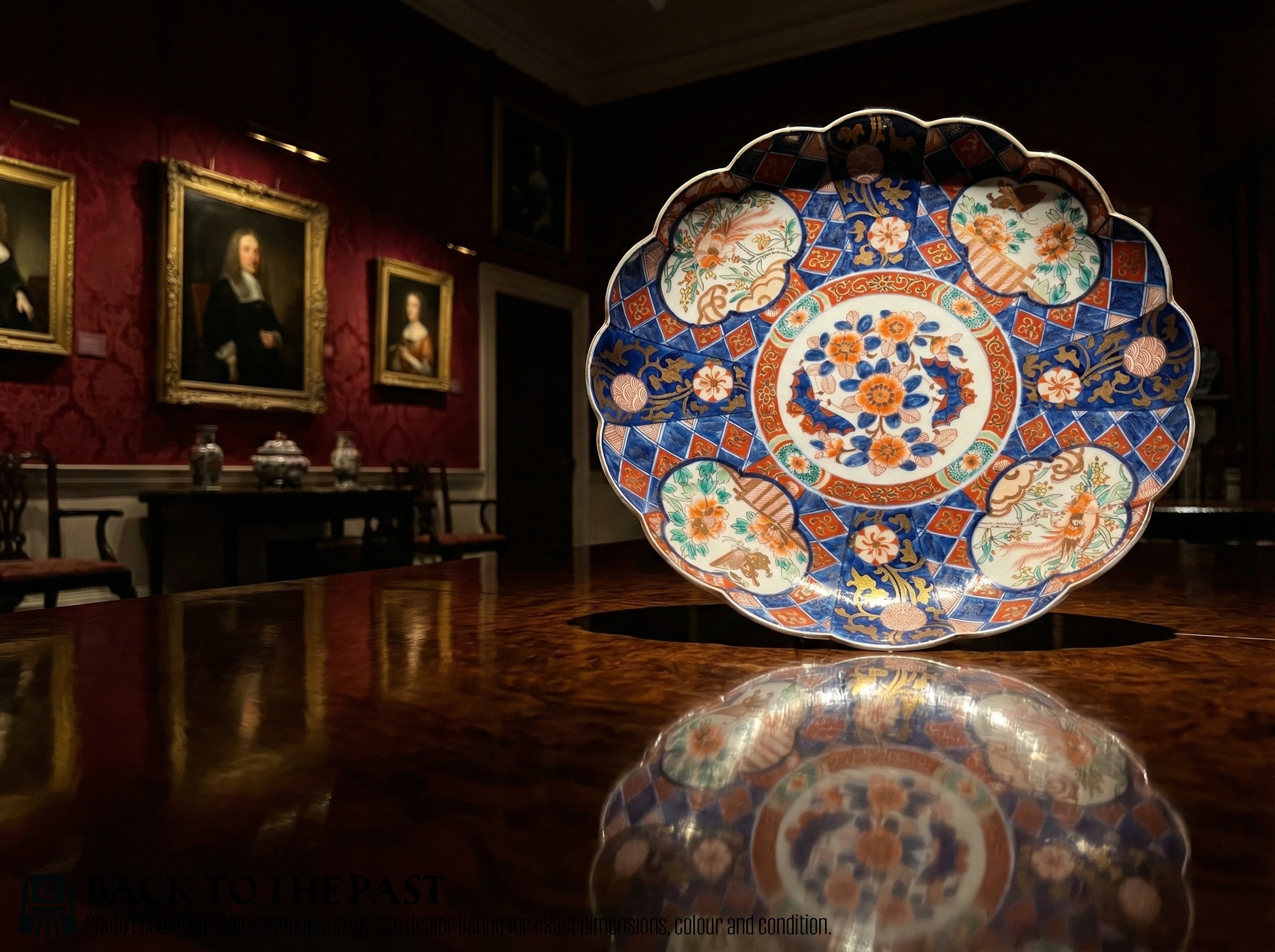
A blue orange porcelain platter brings vibrant palette work to your table, spanning traditional Japanese Imari forms and English ironstone interpretations.
Blue Orange Porcelain Platter
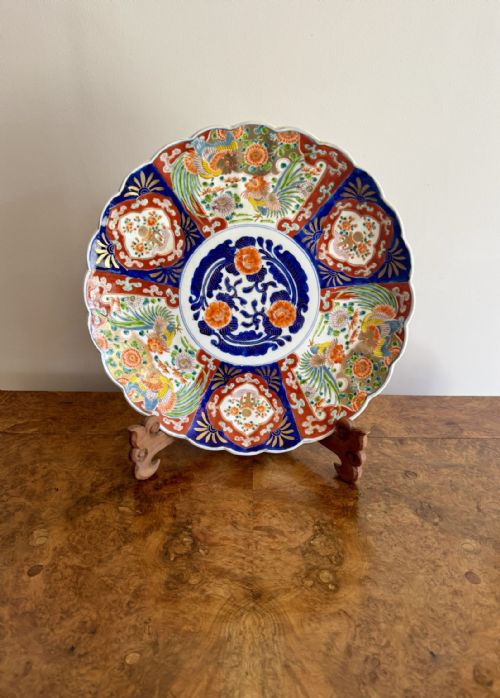
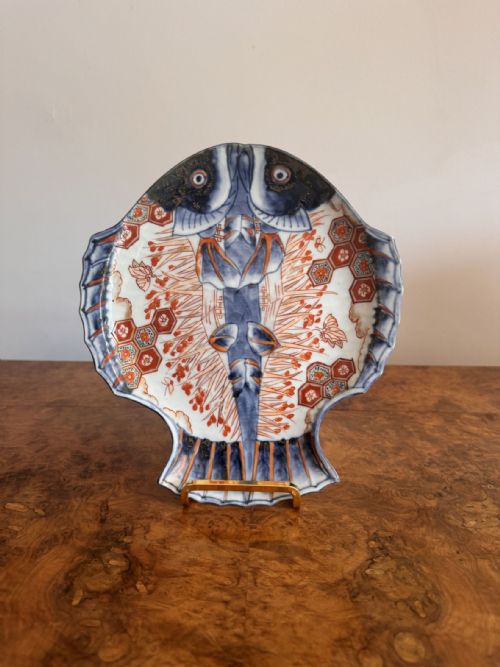
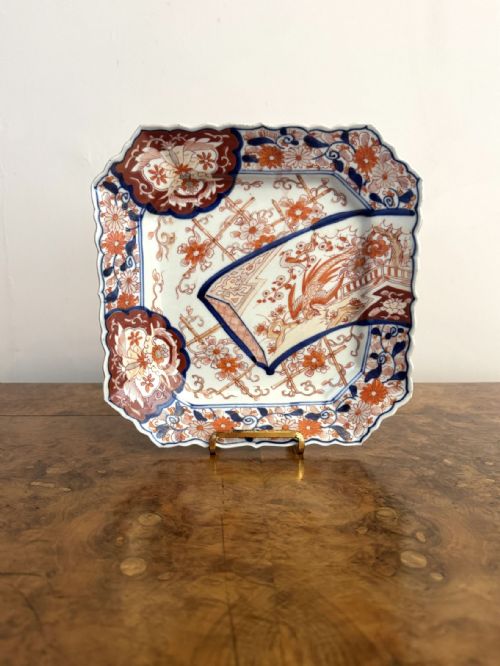
When you search for a blue orange porcelain platter, you encounter large chargers, decorative plates, and serving dishes defined by distinct cobalt blue and iron red enamel decoration. These pieces bridge centuries of ceramic design, appearing as fish shapes, squares, fans, ovals, and broad round chargers.
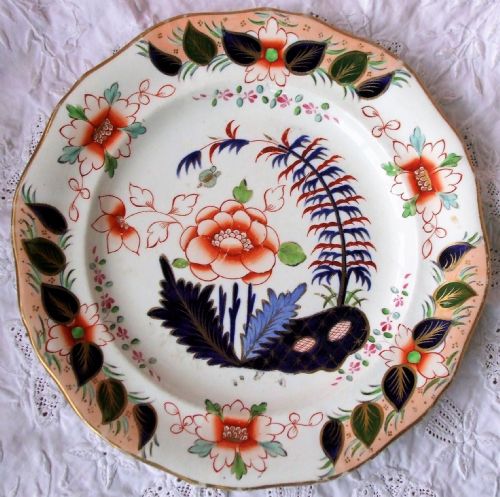
The selection here draws primarily from Japanese Imari traditions spanning the Edo and Meiji periods alongside English Georgian ironstone wares adopting the same palette. You will find large display chargers alongside more unusual moulded shapes suited to formal dining or wall mounting.
Originating from long-established kilns and European potteries, these platters serve as striking focal points in a room. Their enduring appeal lies in the contrast between deep underglaze blue and fiery orange highlights, often enriched with gilding.
Materials and construction
Potters shaped these items from dense porcelain, ceramic, or ironstone bodies before applying underglaze blue pigment. Artisans then added rich enamel colours in orange and red hues, frequently completed with touches of gold leaf or gilding across the decorated surfaces.
Firing techniques varied from traditional wood-burning kilns in Japan to industrial kilns in English potteries such as Longport. The resulting glaze protects the intricate hand-painted motifs, ensuring the robust ceramic or ironstone body survives centuries of handling.
Listings feature porcelain, ironstone, and ceramic bodies decorated with glaze, enamel, and gold leaf across Victorian, Georgian, and Meiji periods.
Distinctions in quality
Quality rests upon the precision of the hand-painted brushwork and the complexity of the palette. Finer examples display crisp underglaze cobalt combined with densely detailed enamel work and well-preserved gilding.
Form also dictates distinction, with unusual shapes like fish, fans, or square platters commanding greater attention than standard round chargers. The clarity of the glaze and the crispness of the ceramic moulding separate ordinary production from exceptional pieces.
John Davenport of Longport
The Blue Orange Porcelain Platter Glossary
- Imari palette
- A traditional decorative style utilising underglaze blue, iron red, and gold on a white ceramic background. This palette originated in Japan and was later copied by European factories.
- Charger
- A large ornamental or serving plate, typically exceeding standard dinner plate dimensions. These pieces were often displayed upright on plate rails or used for grand presentations.
- Ironstone
- A heavy, durable type of ceramic developed in nineteenth-century England to imitate porcelain. It provides a robust body capable of resisting everyday wear.
- Edo period
- A historical division in Japan lasting from sixteen hundred and three to eighteen hundred and sixty-eight. Ceramics from this era are noted for refined forms and traditional painting techniques.
- Meiji period
- The era of Japanese history running from eighteen hundred and sixty-eight to nineteen hundred and twelve. Pieces from this time often exhibit elaborate hand-painted decoration and large formats.
Blue Orange Porcelain Platter: Frequently Asked Questions
How were these platters originally used?
These large plates and chargers served both practical dining functions and decorative display in wealthy households. They were frequently positioned on sideboards or hung on walls to showcase vibrant colours.
Over time, their role shifted toward collection and interior decoration as tastes evolved. Their robust ceramic and ironstone construction allowed them to handle both heavy use and long-term display.
Can I use these platters for serving food?
Most antique pieces function securely for dry foods or display purposes. Their durable glaze protects the ceramic body during gentle handling.
Hand washing remains essential to preserve fragile enamel pigments and gold leaf detailing. Avoid mechanical dishwashers to maintain the historic surface condition.
How do I distinguish Japanese pieces from English ones?
Japanese examples usually feature traditional porcelain bodies decorated with hand-painted motifs like the Seven Lucky Gods or floral panels. English pieces often utilise heavier ironstone bodies adapted from Asian designs.
Examining the foot ring and weight helps clarify the origin. English versions typically display specific factory attribution or regional manufacturing traits.
What periods do these platters represent?
The selection spans from the late seventeenth century through the nineteenth century and into the early twentieth century. Edo and Meiji period Japanese works sit alongside Victorian and Georgian English pieces.
Each era brings distinct potting weights and stylistic nuances to the blue and orange palette. Dating relies upon stylistic shifts in the painted motifs and manufacturing methods.